Royal Ottawa
Overview
Founded in 1891 as the Ottawa Golf Club, Royal Ottawa was designated such in 1912 by King George V. A founding member of the Royal Canadian Golf Association (Golf Canada), this historic club is steeped in history and its golf course is a fitting reflection of the game as it was played in the early days, with a large focus on playing across plenty of natural land contours.
-
Tom Bendelow (1904)
Willie Park Jr. (1920, 1923)
Ongoing master planning by Mackenzie & Ebert
-
1405 Aylmer Road,
Gatineau, QC -
-
Golden age design elements utilizing natural land contours as a main focus/principle in course design
Historically significant club
Private with limited or no unaccompanied outside play
-
Donald Childs - Harry Colt’s Sand Save at Royal Ottawa
Donald Childs - Ottawa’s First Golf Course
AT A GLANCE
About
Royal Ottawa is a proud founding member of the Royal Canadian Golf Association and proud host of many of Golf Canada’s biggest tournaments. The clubs history particularly with the amateur game is long and storied, including hosting the 2025 Canadian Men’s Amateur Championship.
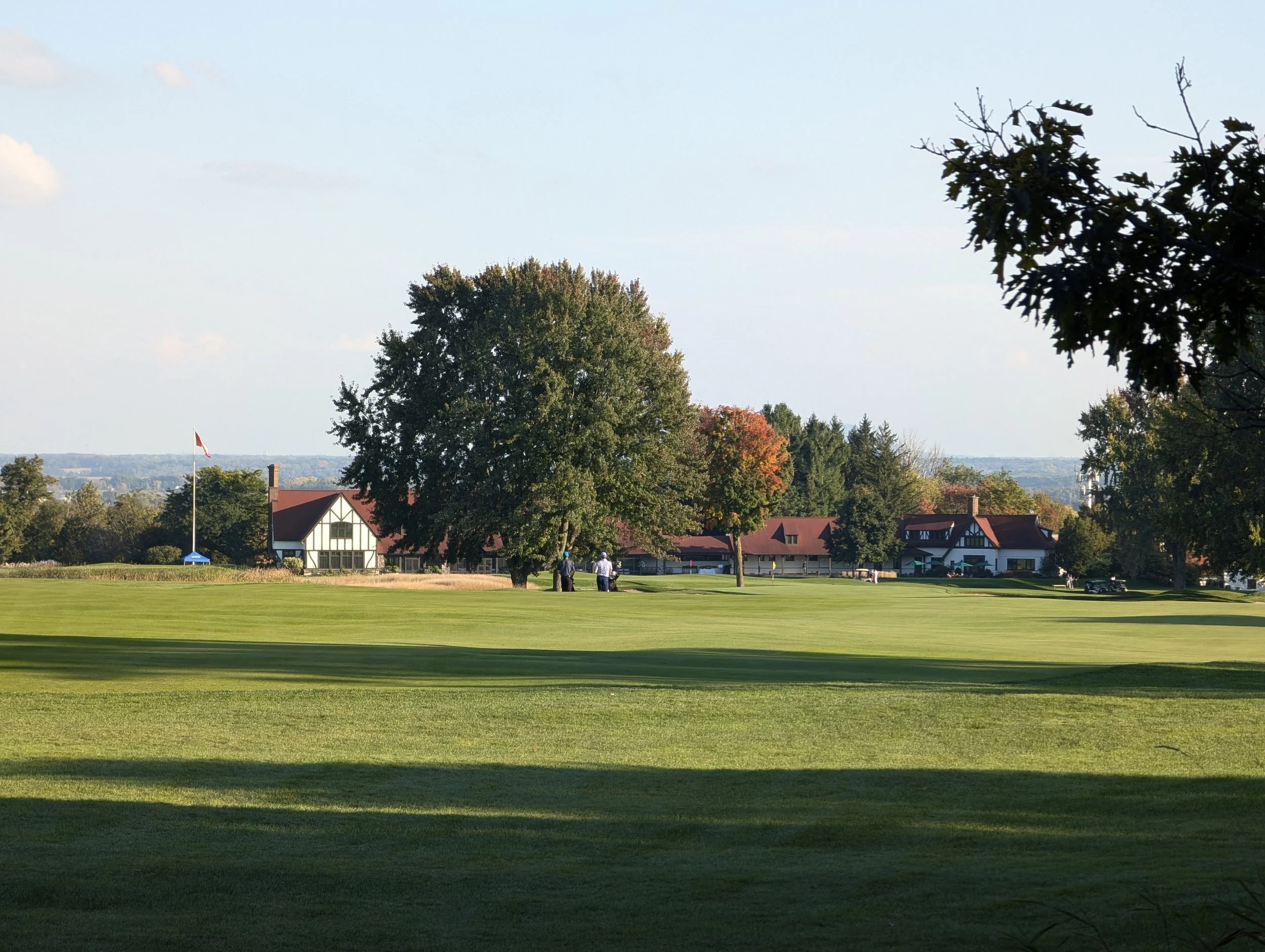
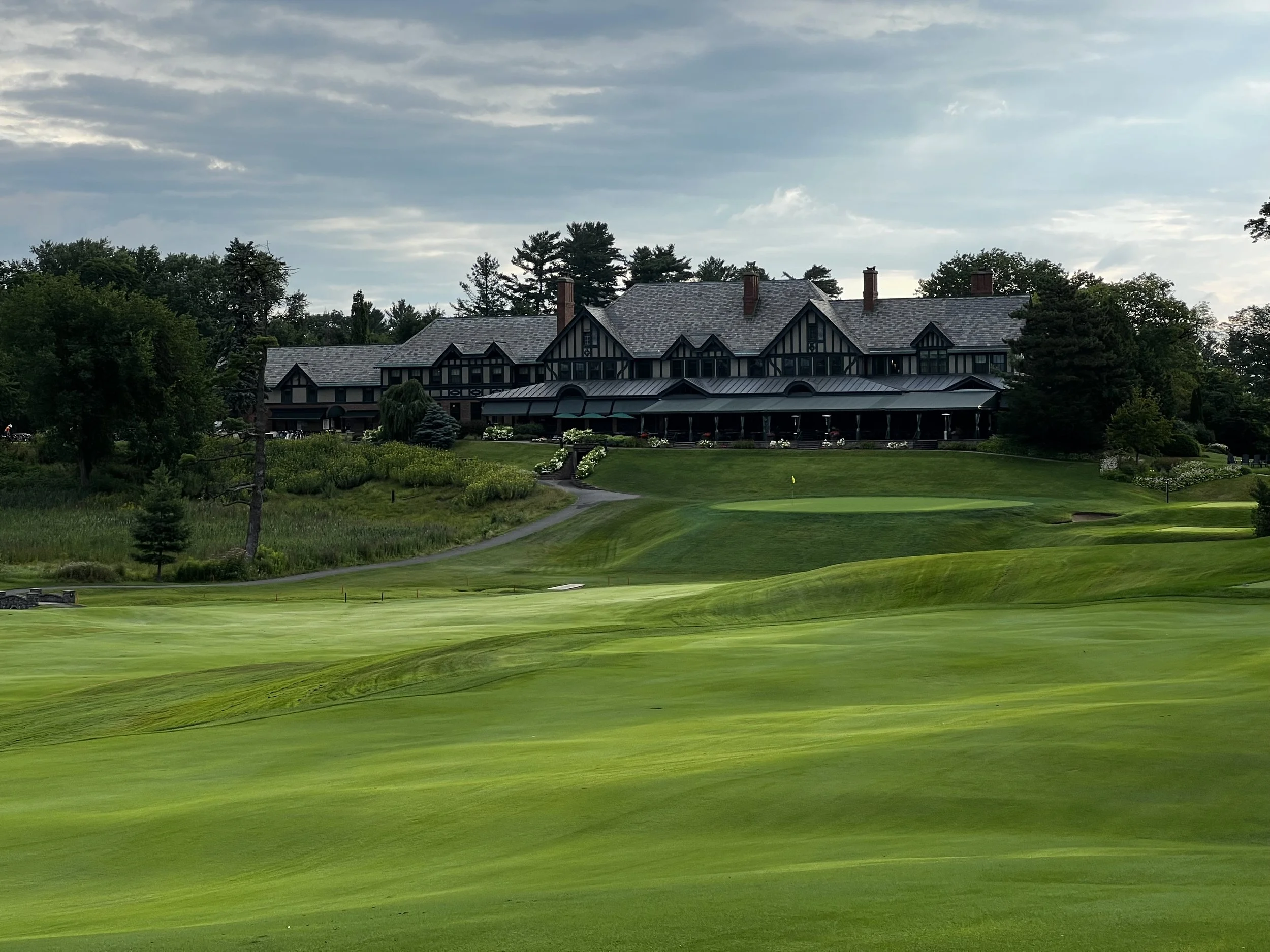
There are few clubhouses in Canada, and even the club’s that occupy them, that are as stately as Royal Ottawa. The Tudor style buildings position just steps from the first tee, 9th and 18th greens, and several sweeping views across other closing holes, lays its presence over the clubs members and guests with grand ambition. A defining element of the golf course’s inviting allure.
The club’s architectural history is a bit murky due to two separate fire’s which destroyed the clubhouse and some historical artifacts in 1904 and again in 1930. Nonetheless design credit is primarily contributed to Tom Bendelow and Willie Park Jr. who both had a hand in shaping the design. The legendary golf architect Harry Colt also visited during the club’s formative years and may have had a hand in its development. Along the way architects Graham Cooke, and more recently Neil Haworth redeveloped bunkers and other design changes here and there to bring the course along with the modern game.
Today the course largely plays as a fine parkland layout - plenty of romantic tumbling topography that lends its hand to quirky features which are well integrated into the golf itself. A new master plan is being developed and executed by the firm of Tom Mackenzie and Martin Ebert with hopeful contributions to elevating this fine layout into the exceptional stature it certainly has the land, historical design influence and pedigree for.
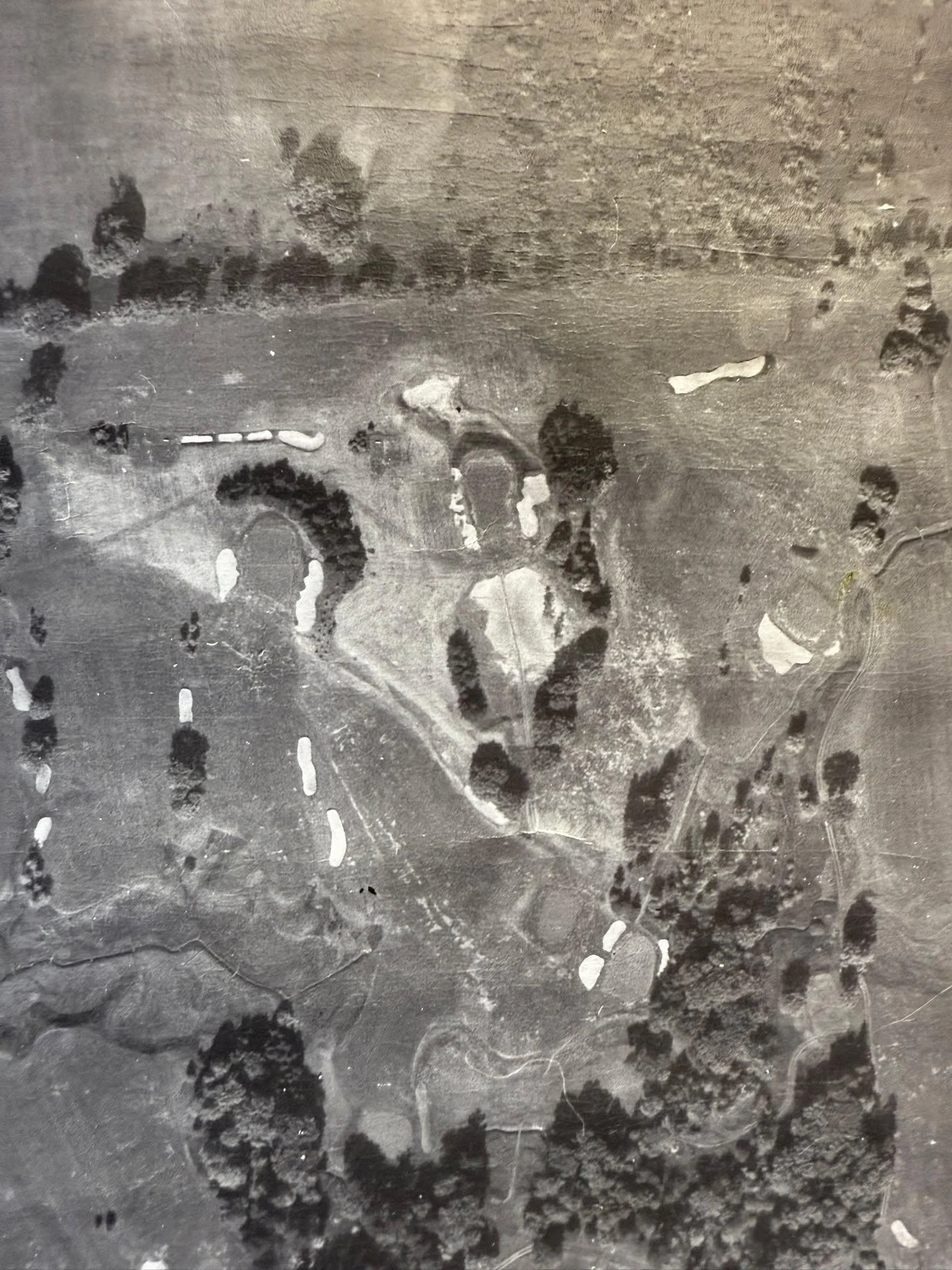
Credit to Royal Ottawa Golf Club for the historical photos found below.

Featured Holes and Course Details
Royal Ottawa’s best holes make use of the tumbling natural land contours. Like that of the first (“St. Andrews”), a brisk par 5 that plays down and up through a small valley which cuts through the first, ninth, 15th, and 18th holes. The green has been pushed further down this hole in recent years towards the old second, and features a slight front to back pitch that propels running shots off the back of the firm and fast surfaces.
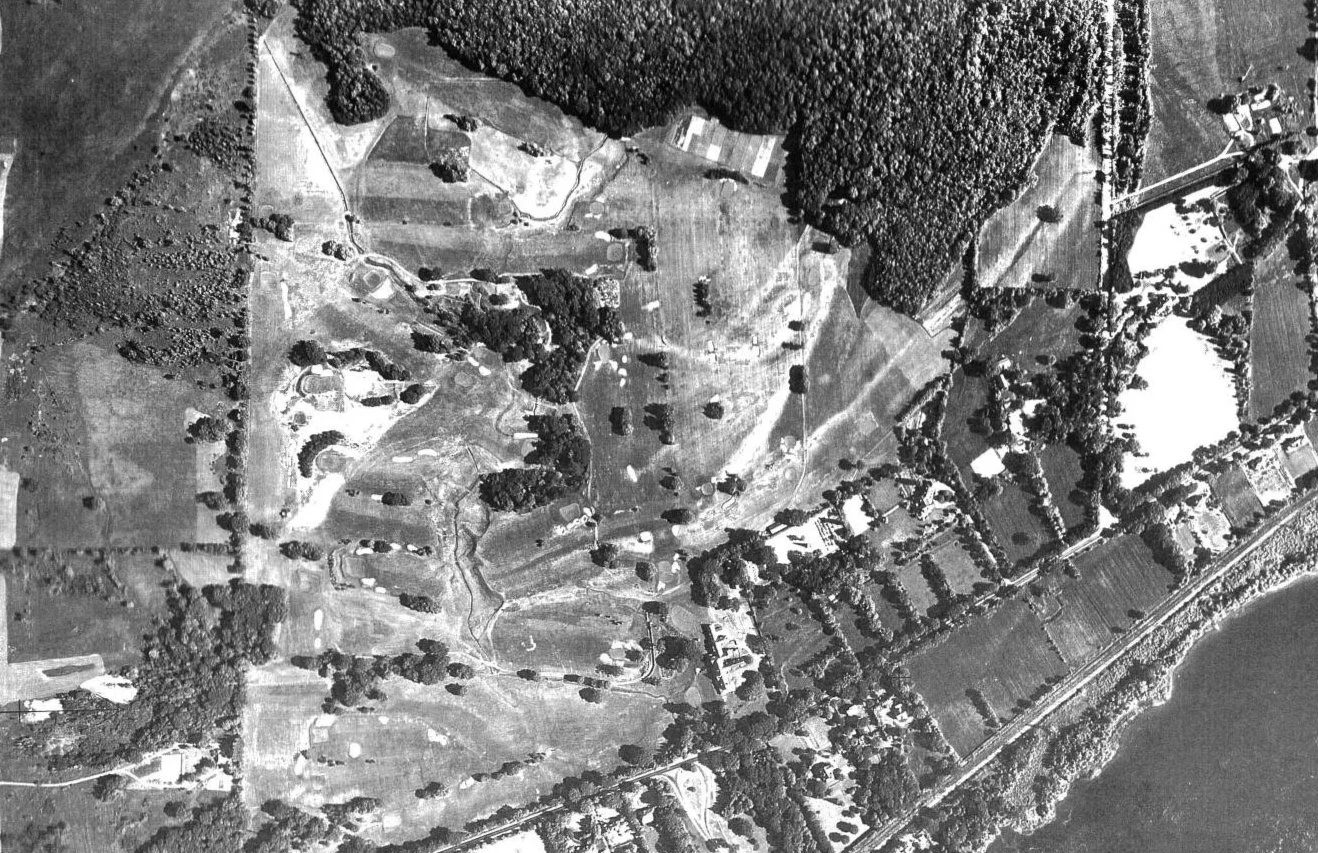
The second hole, played originally as the third, is a mid-length par 4 that plays through a valley which, for most, plays with a blind approach to this strong green complex. One of the larger on property, the green features a leading edge that falls off on the left side. Remnants of the original green pad which has considerably shrunk over the years are evident both on the ground and in aerial images. The historical aerials displayed herein present a number of holes with squared off greens and unique bunker styles that today have been lost to architectural changes and maintenance practices. A majority of the putting surfaces presented today are smaller and rounder in shape.
The par 3 sixth (“Sandy”) is undoubtedly a bold design with its large sand areas naturally drawing in the golfers attention. The large green is protected by this reimagined hazard. It has many internal subtle contours that are unnoticed from the tee but must be respected from players in an around the putting surface. Historic photos of this hole show a larger sandscape across the entirety of the teeing ground - a feature which is best seen in the 1931 aerial image displayed front and centre above. These architectural changes are noticeably a limiting factor in the historic preservation of the golf course at Royal Ottawa.
Short par 4’s at the seventh (“Peninsula”) and 10th (“Spring”) are accompanied by small greens, which are contrasted with the long ninth (“Halfway”) and 15th (“Westward Ho”) holes which have larger putting surfaces and are more receptive to running shots from far back. At both the ninth and 15th, players must choose their path from the tee - a small valley and creek system cutting directly across these two holes delivers penal and strategic elements to the course’s routing. With golf course revealing itself upon multiple plays, these elements become more apparent to returning golfers.
Undoubtedly, players will note the back-to-back par threes at the mid-length 11th (“Little Misery”) and short 12th (“Bide a Wee”), where the two-tiered putting surface of the former and domed green on the latter rarely ever yield less than par on the scorecard. A unique and difficult set of holes for sure.
Finally, the closing stretch from 15-18 is some of the best golf on property. The aforementioned 15th, a brilliant long par 4 that lets the land do most of the talking, requires tee shots must navigate the bisecting creek and for players who lay back off the tee a central fairway mound adds an element of depth and strategic choice one must consider. The 16th (“Mound”), a mid length par 4 plays back towards the clubhouse, its small green sits perched up on a mound, surrounded by bunkers, and is angled from right to left making for a delicate short iron into this greensite. At the last, a challenging and picturesque finish awaits with the beautiful Tudor style clubhouse framing the benched small green of the 18th hole (“Home”).

par 5 fifth (left), par 3 sixth (right)
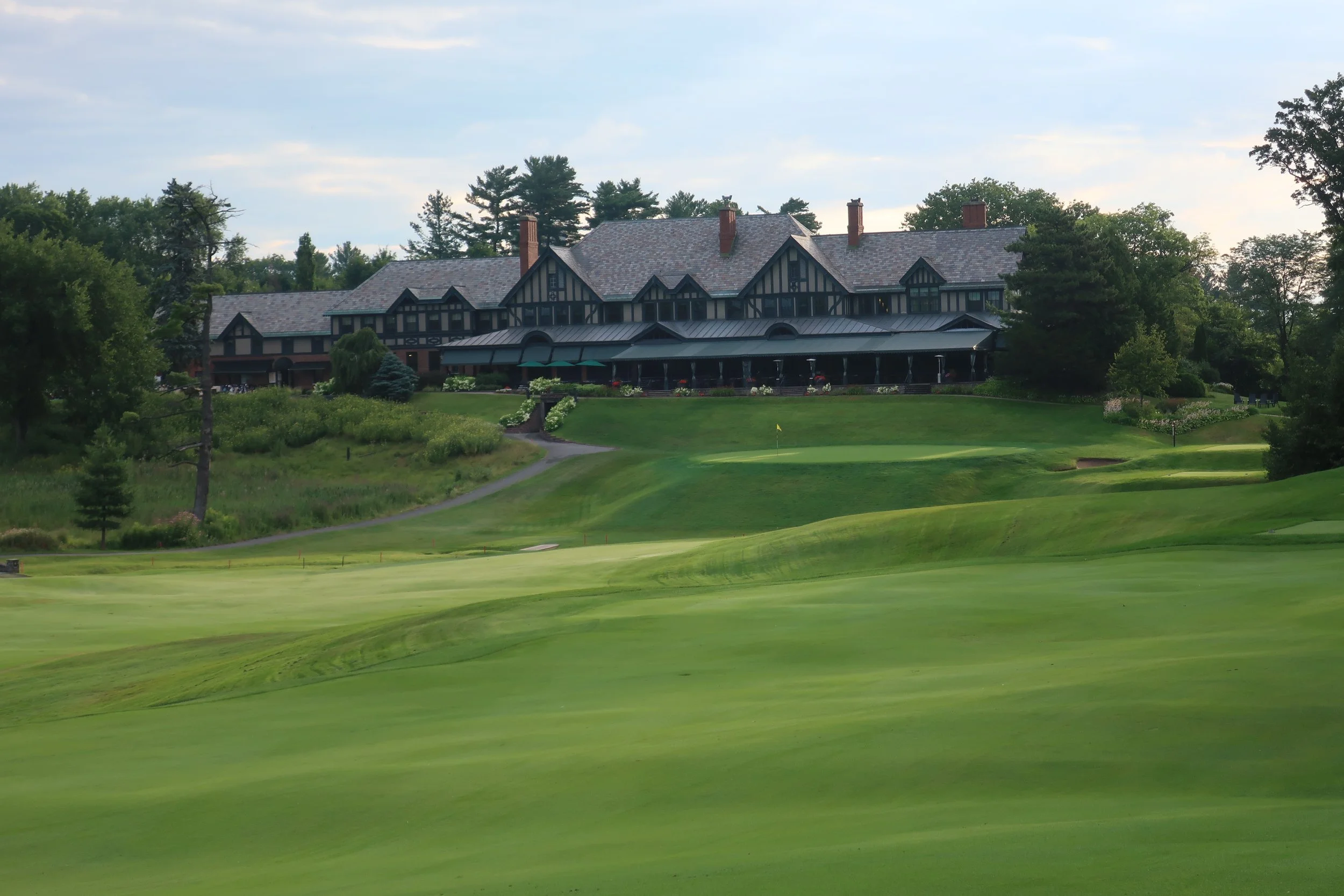
Looking back down the first toward the 18th green and clubhouse
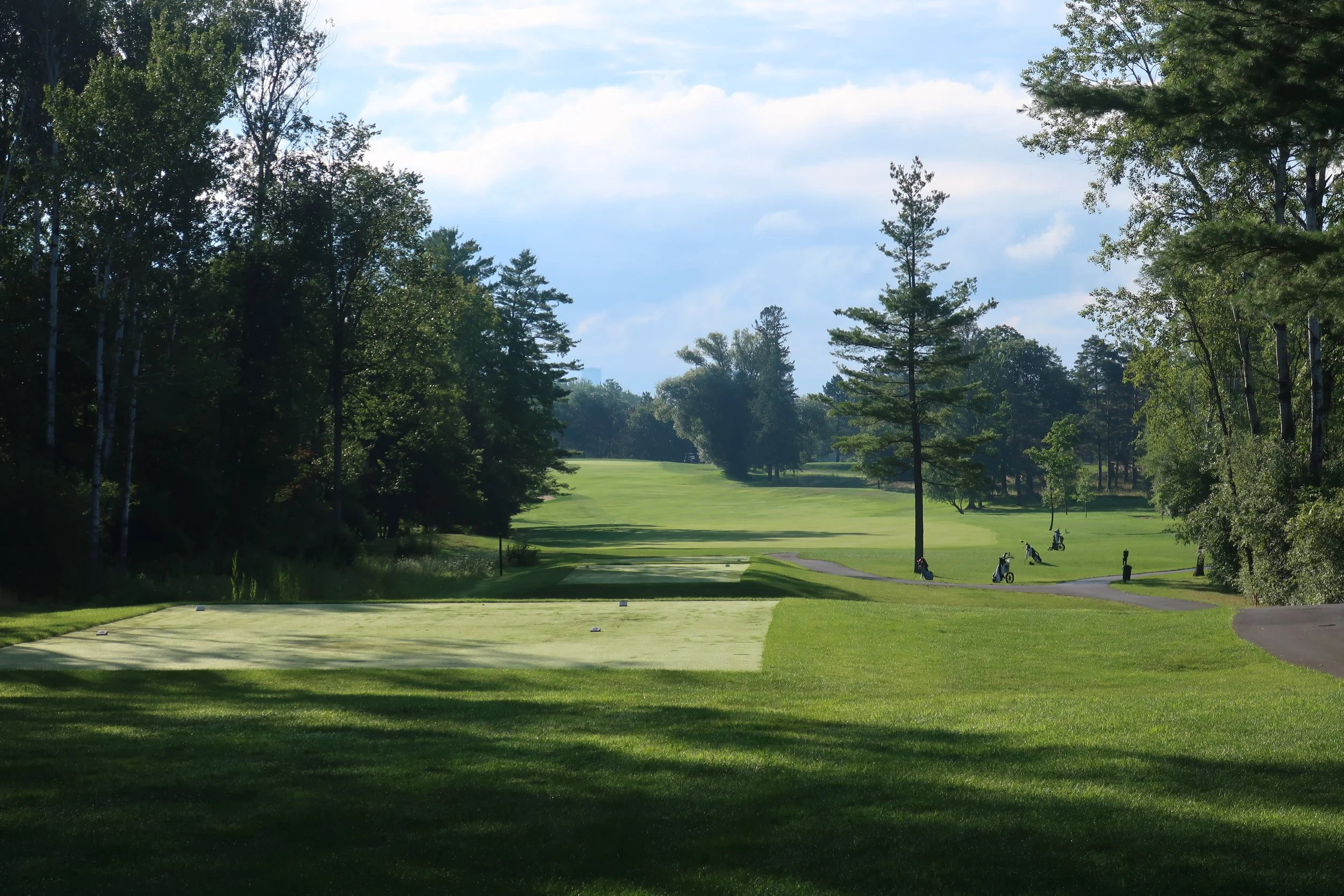
Tee shot at the par 5 fifth
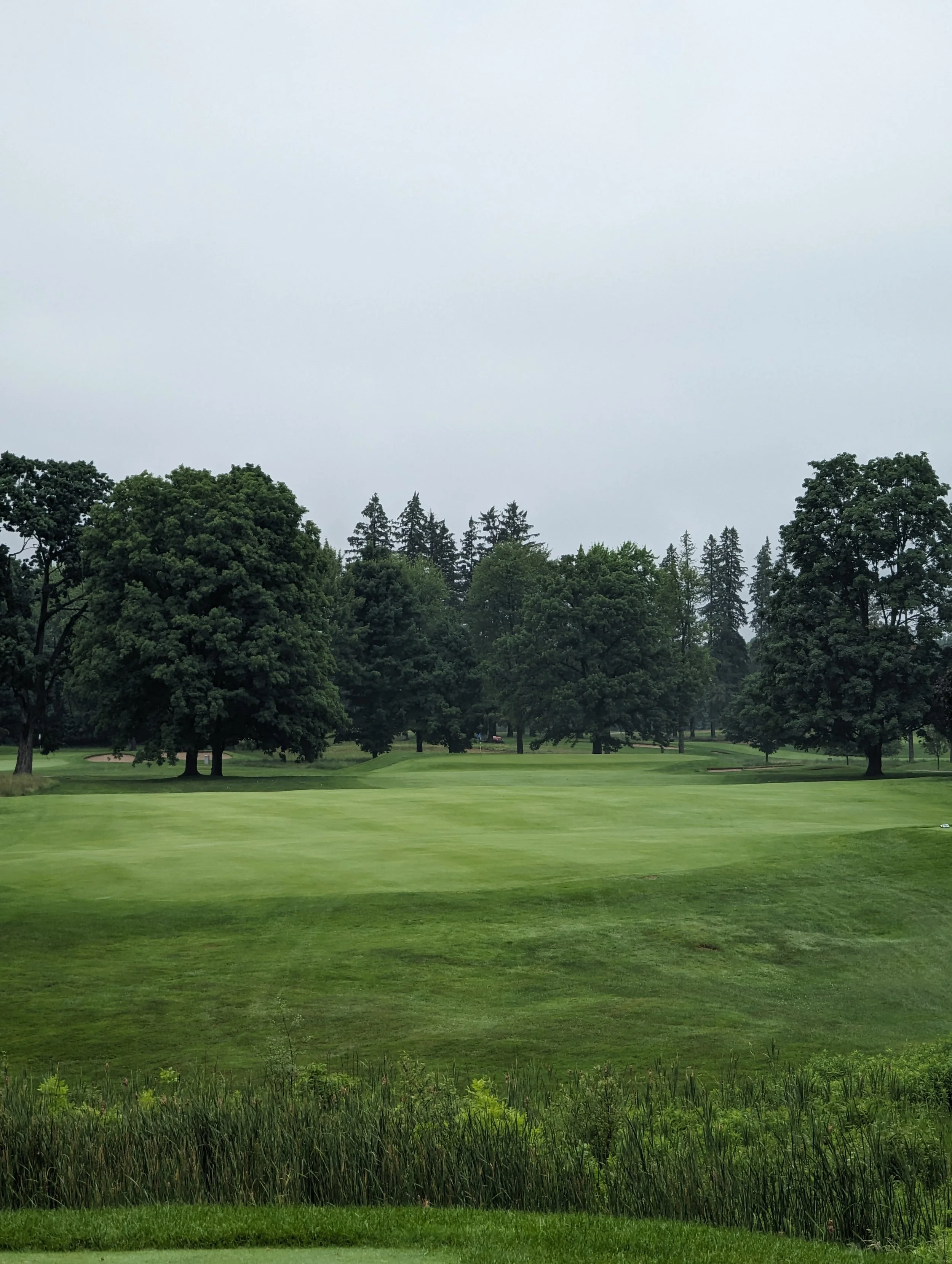
Par 4 second hole

Par 3 sixth

Tee shot at the par 4 16th
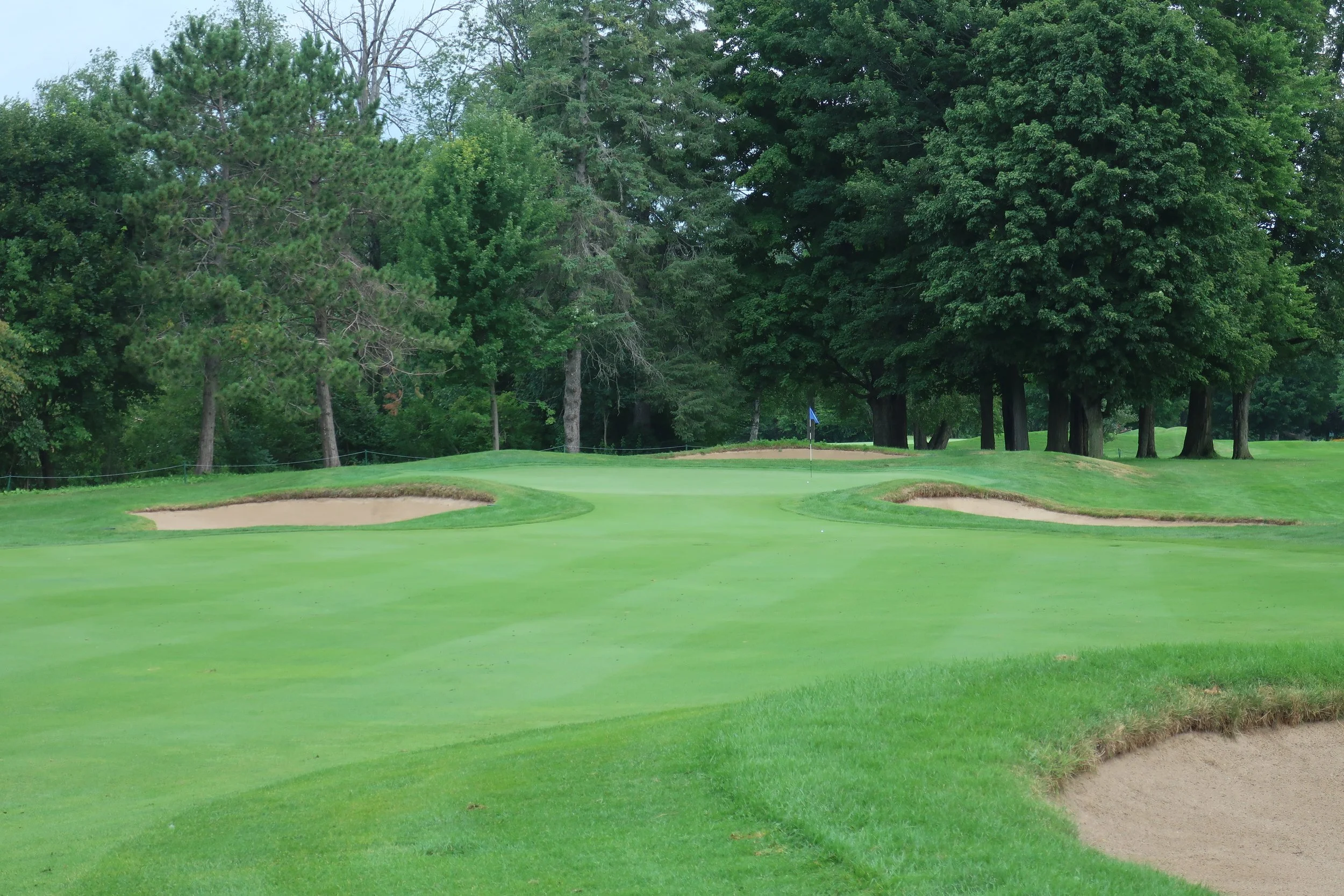
The 10th's small and well guarded green
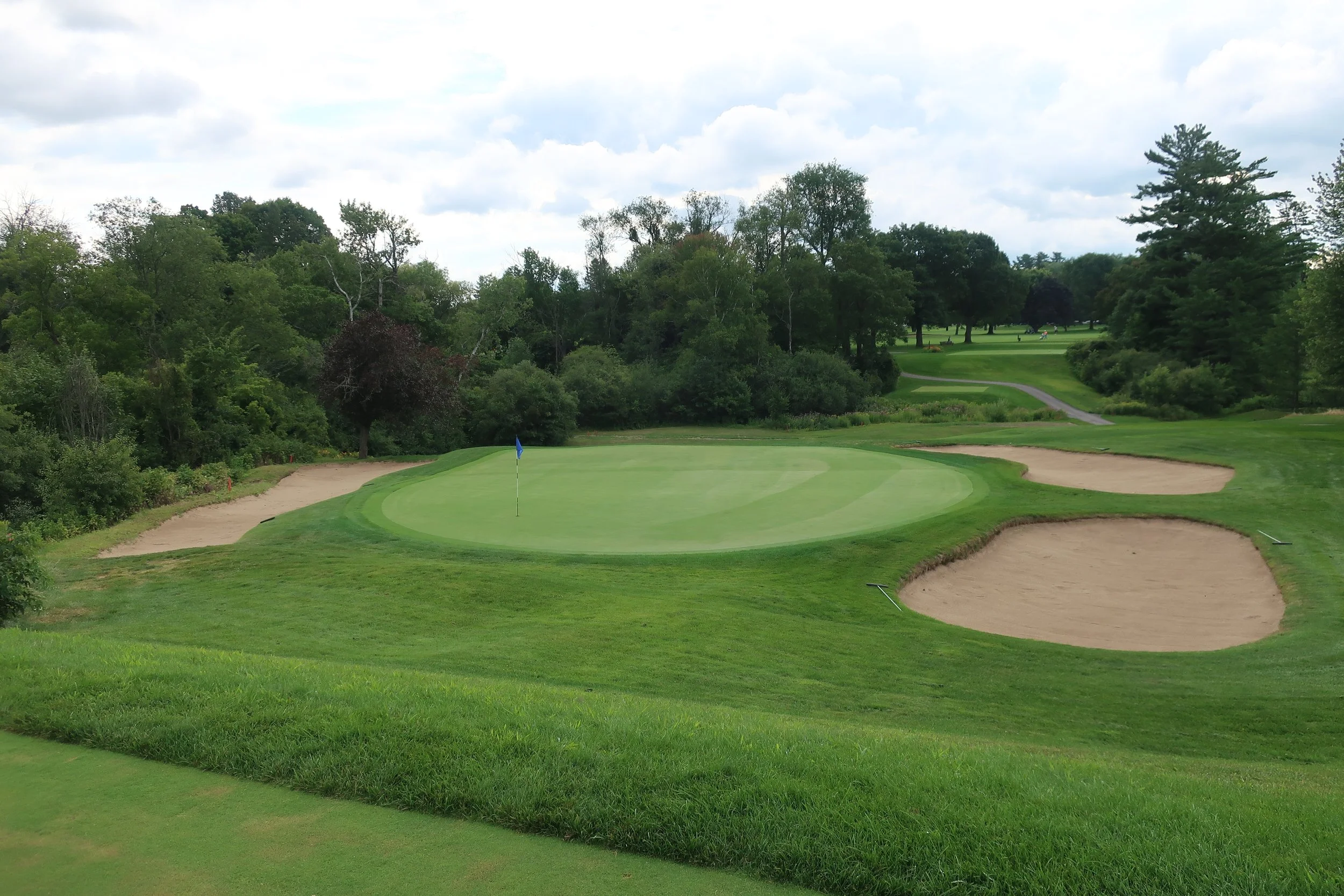
Par 3 11th
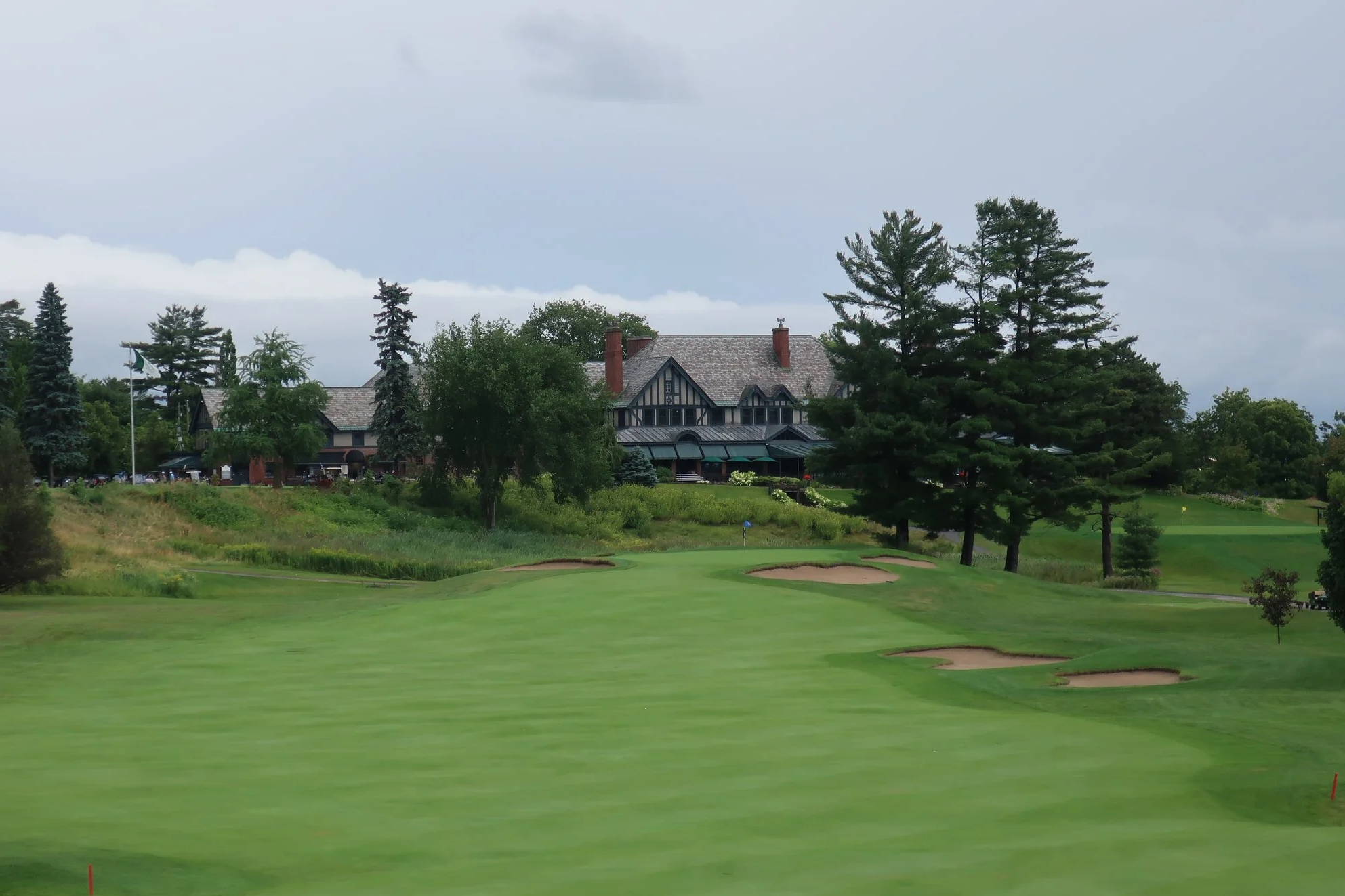
Par 4 16th
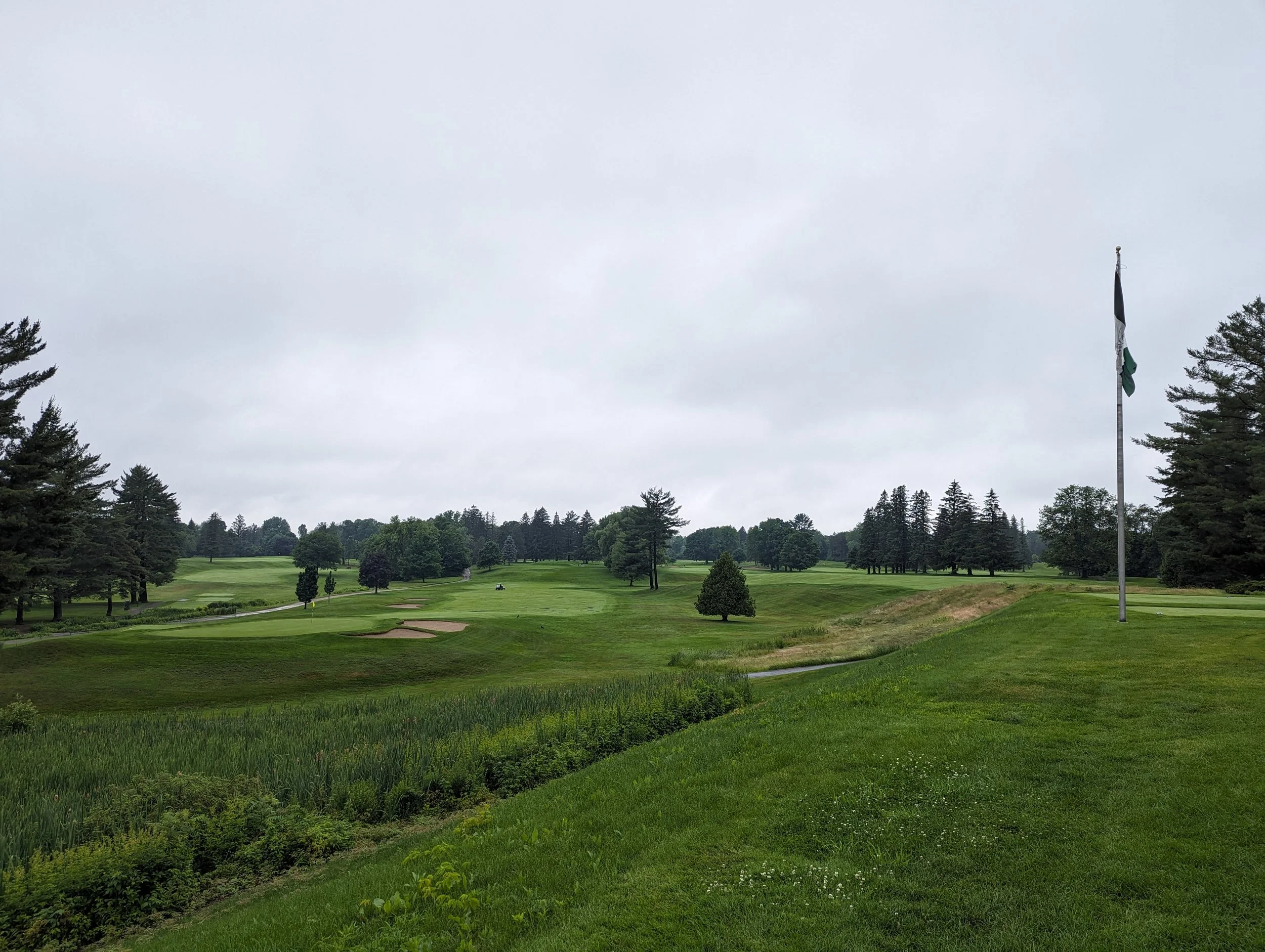
Looking back down 16th
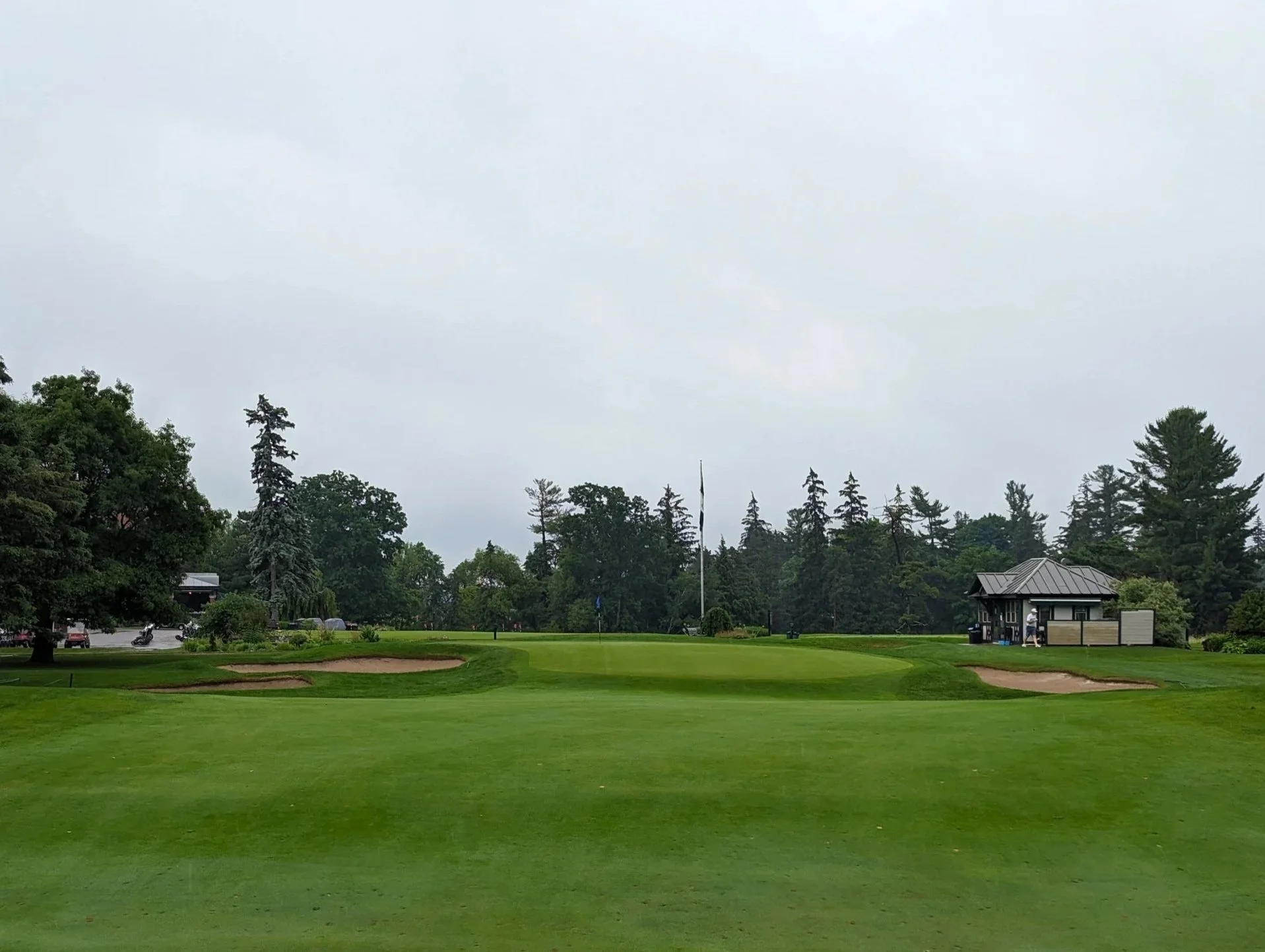
Approach to 14th hole
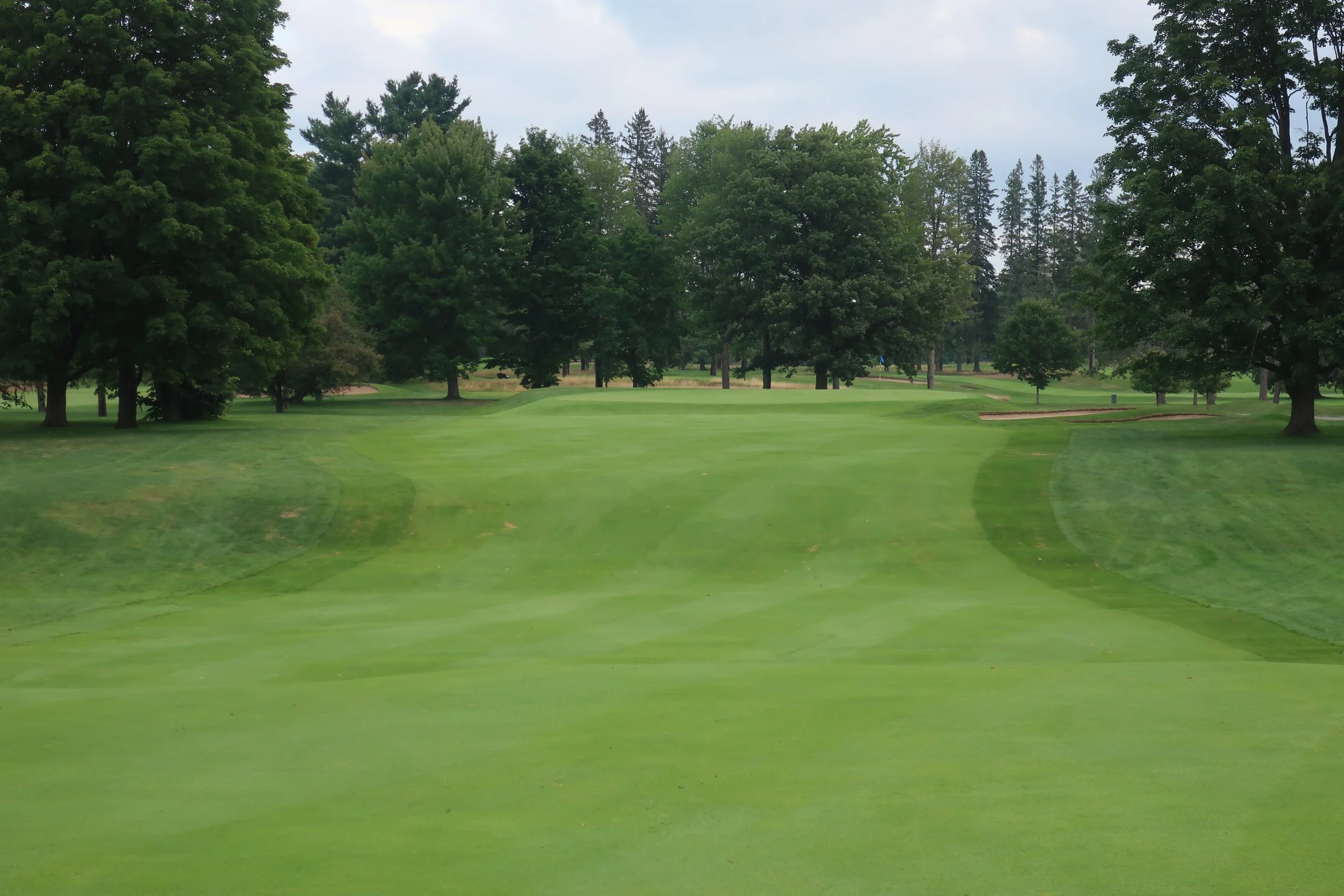
Second hole approach
You might also like..
-
Chateau Montebello
-
Lachute (No. 1 Thompson)

-
Mount Bruno