Under The Prairie Sun: Golfing Saskatchewan’s Best Courses
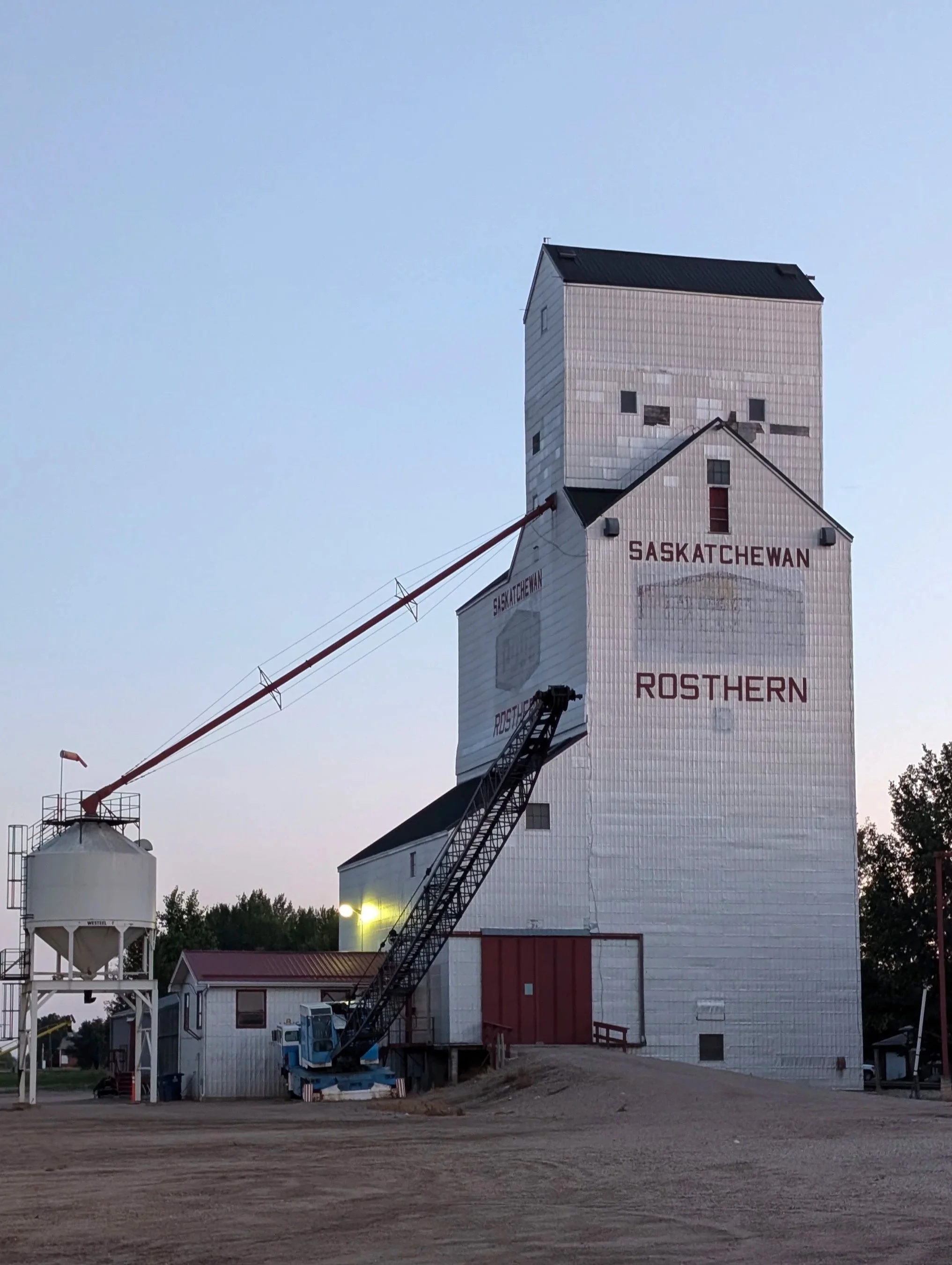
Who goes to Saskatchewan on a golf trip? That's a question that I even asked myself as I was headed out the door to the airport one early August morning. Saskatchewan, a province often defined by its endless horizons and tumbling prairies, may not be the first place that comes to mind when one thinks of a golf trip. Yet, nestled among its fertile farmlands and breathtaking boreal forest landscapes lies a number of golf courses that are as varied and captivating as almost anywhere else in Canada. From the tranquil beauty of the South Saskatchewan river valley to the rolling terrain of the sand hills and forested parks of Prince Albert National Park, Saskatchewan offers a golfing experience that marries natural splendour with the thrill of the game.
Golfing is a journey of discovery. These trips are often a reminder that the sport is as much about the landscape as it is about the game itself. Saskatchewan is far more than just the flat plains one might imagine it is. Heading more than 30 minutes off the Trans Canada Highway yields rumpled sand hills to the south, and boreal forest and pristine lakes to the north. The golf it has produced on these lands really is enjoyable, with a majority of the best being publicly accessible too. From the refined elegance of Riverside to the rugged beauty of Waskesiu, each course played offered a unique perspective on the province’s soul, blending the artistry of golf with the panorama of the Canadian prairies and beyond.
Saskatoon
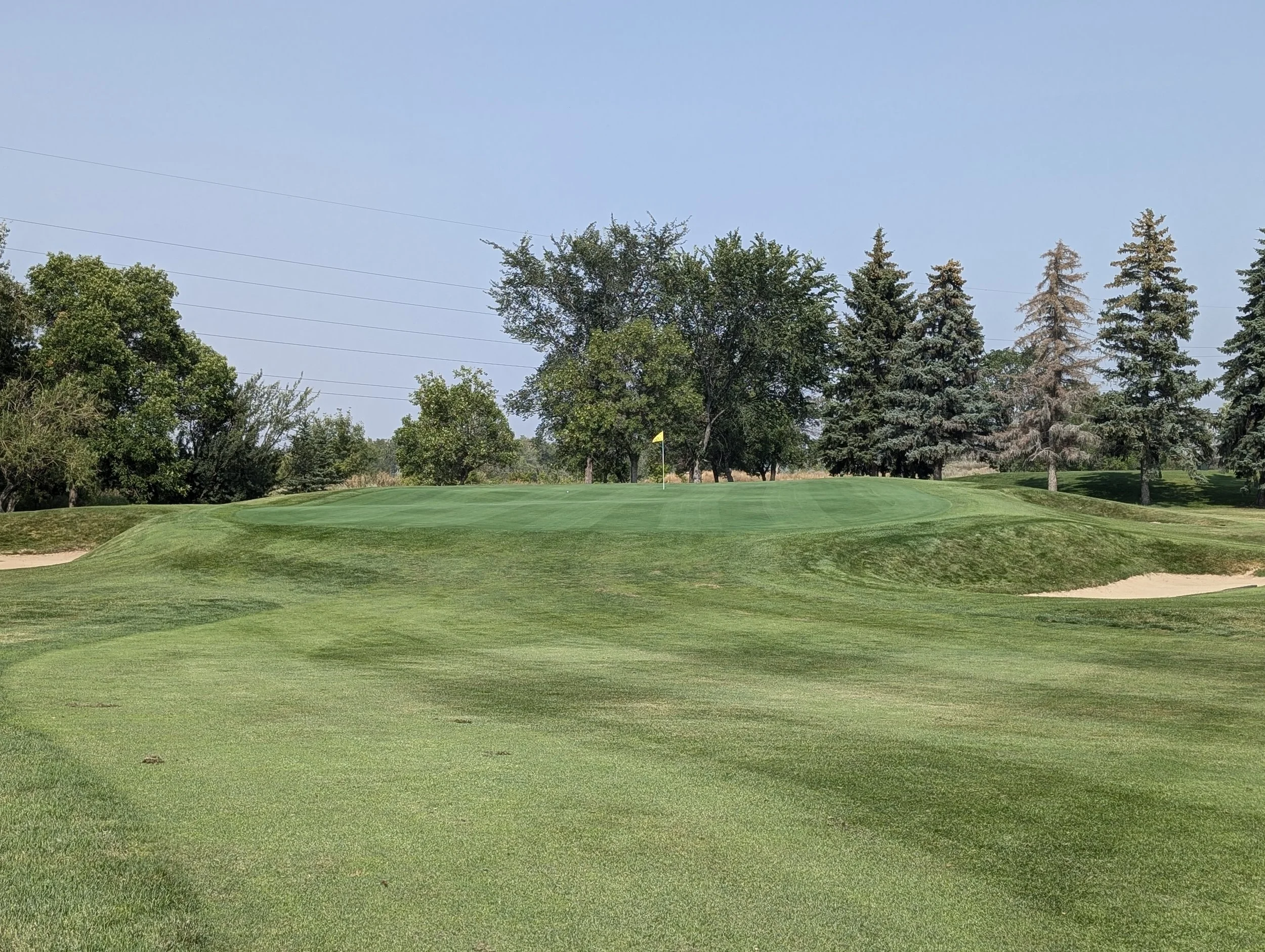
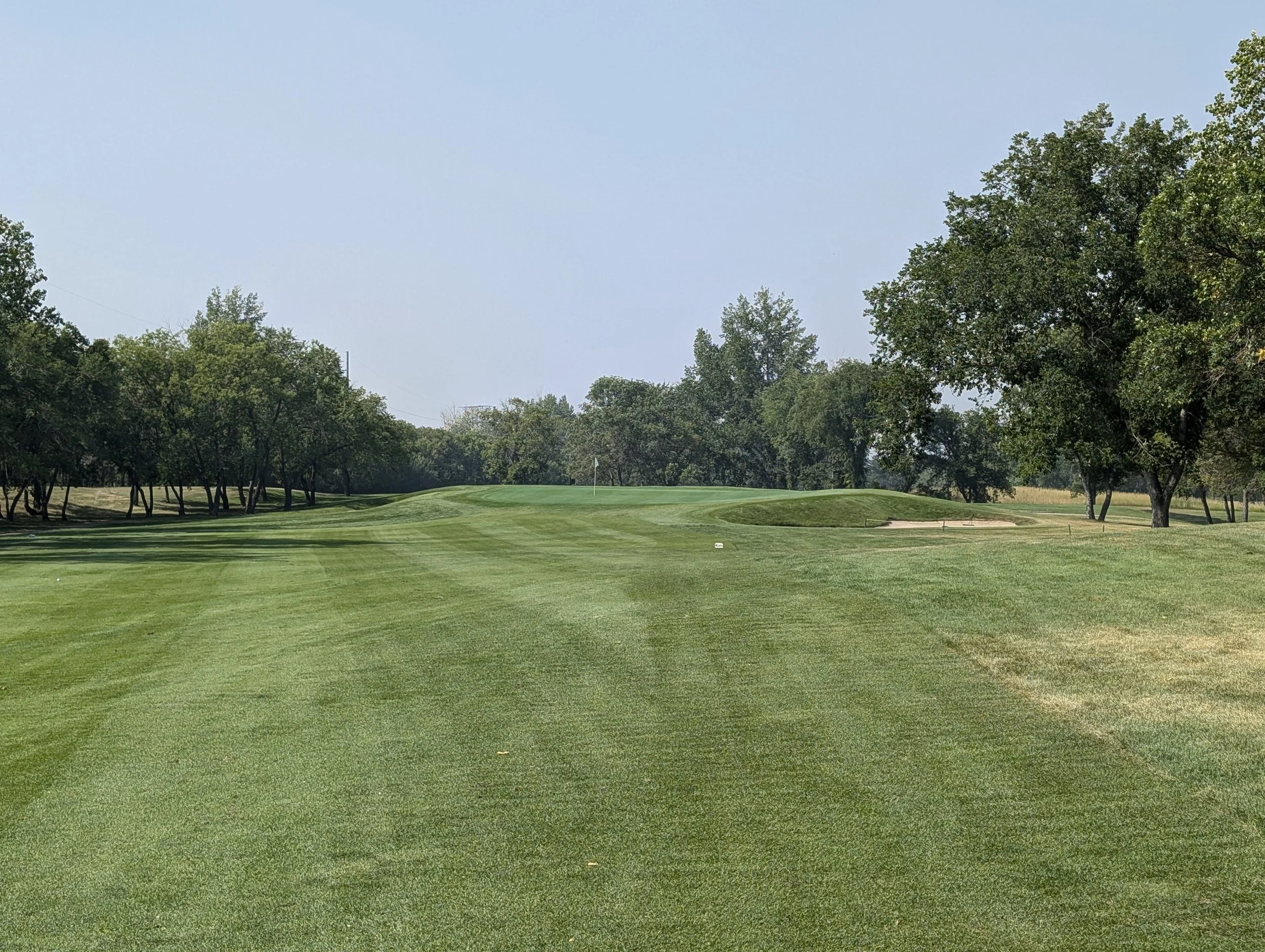
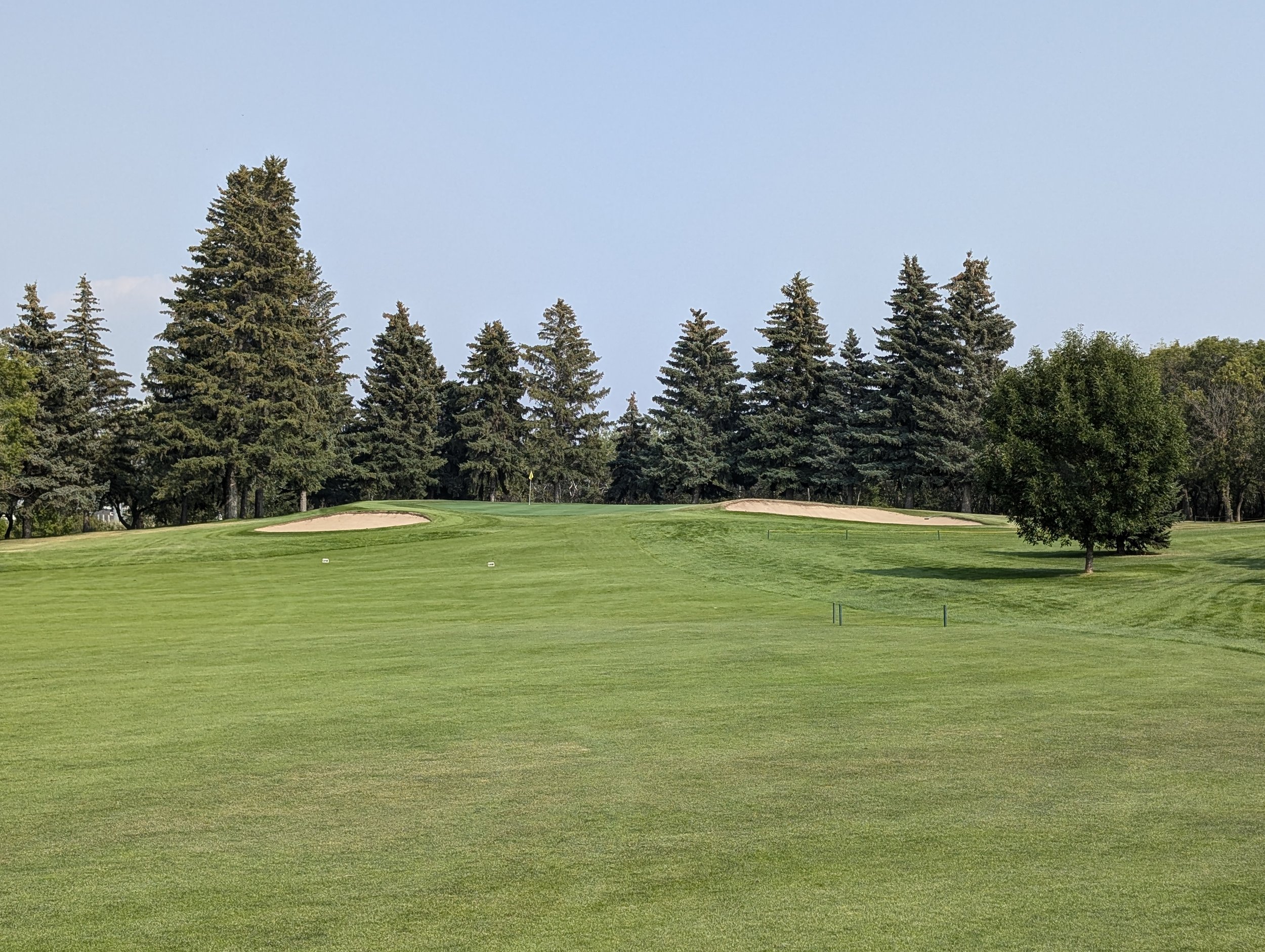
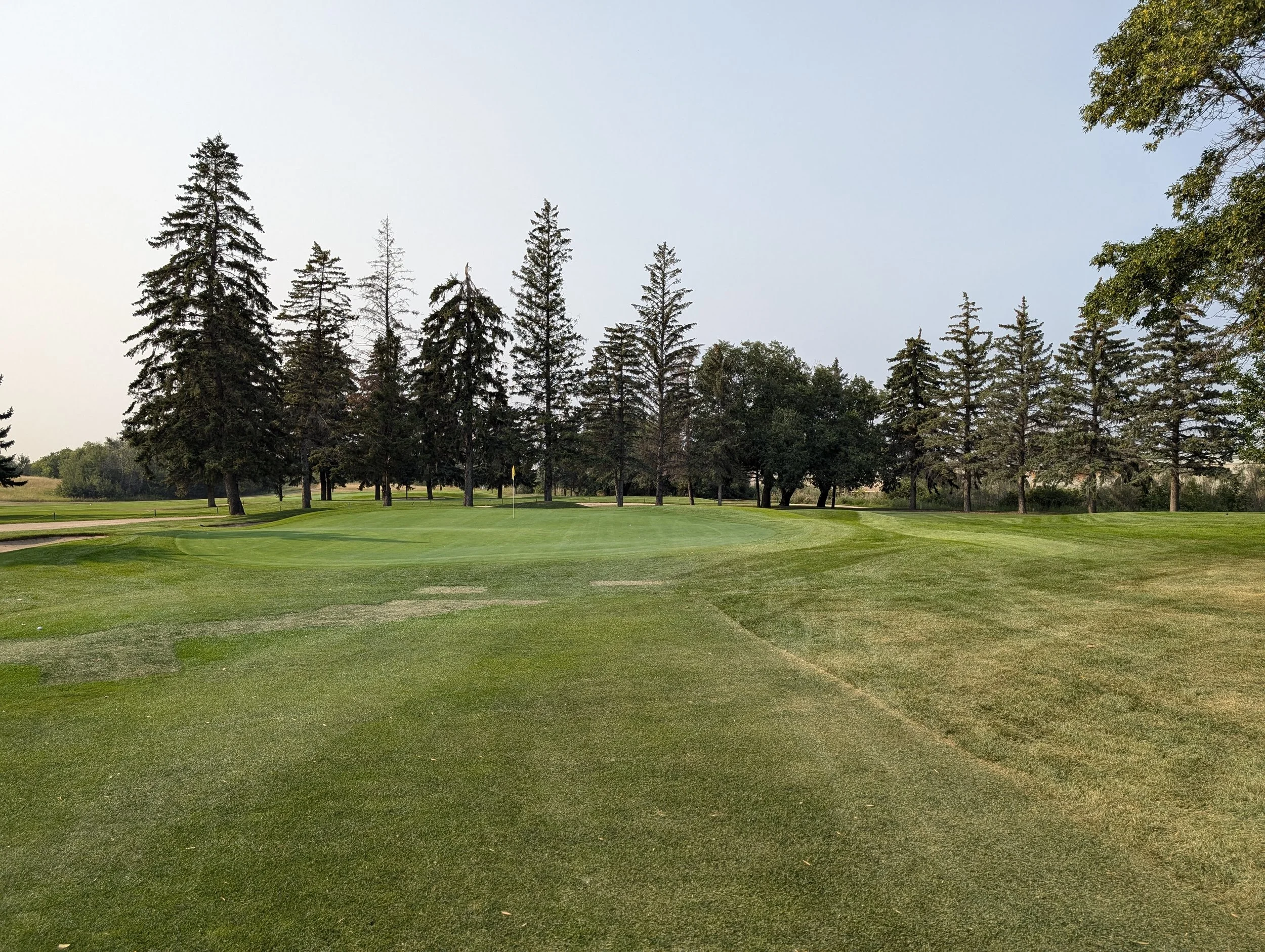
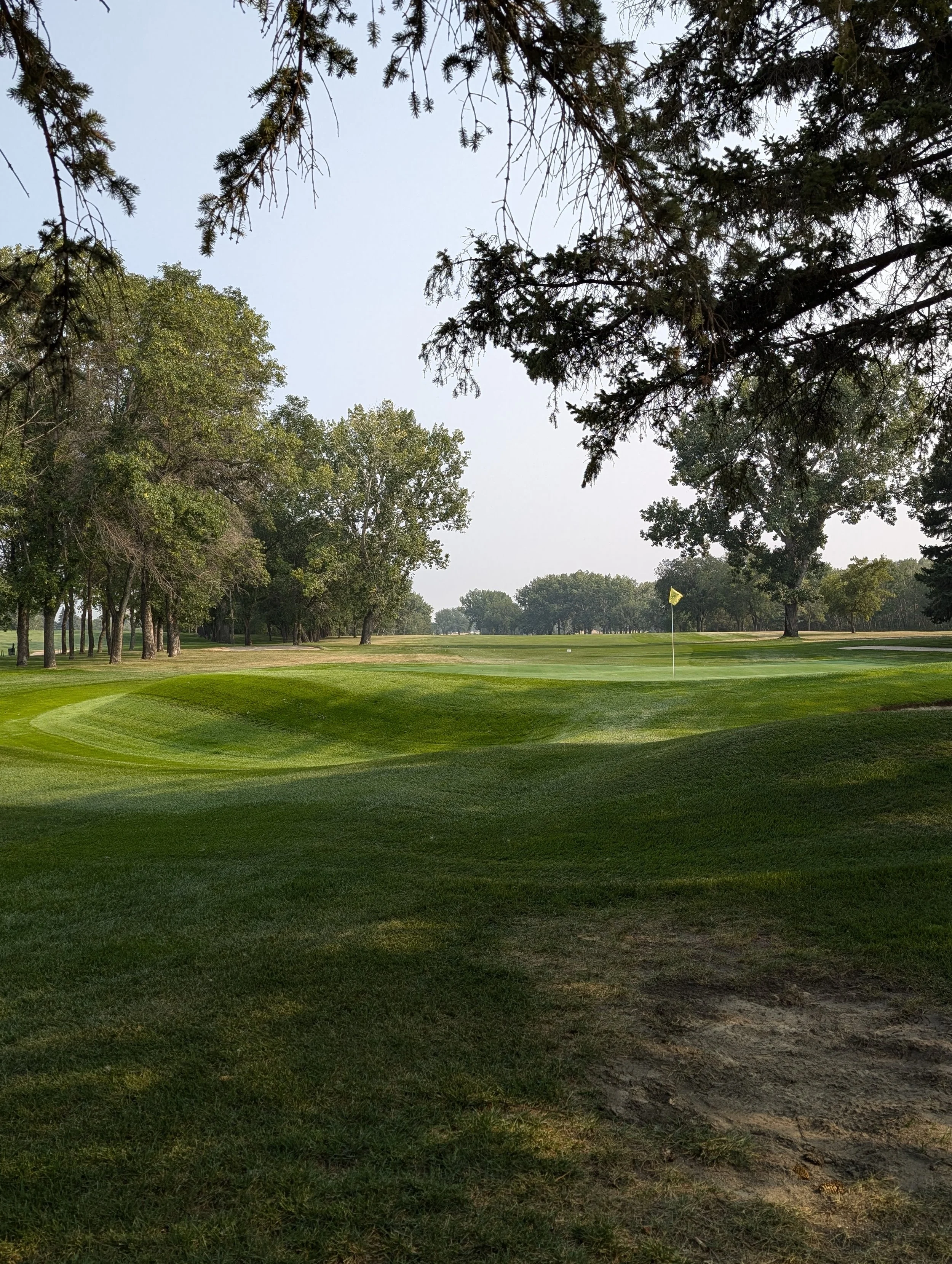
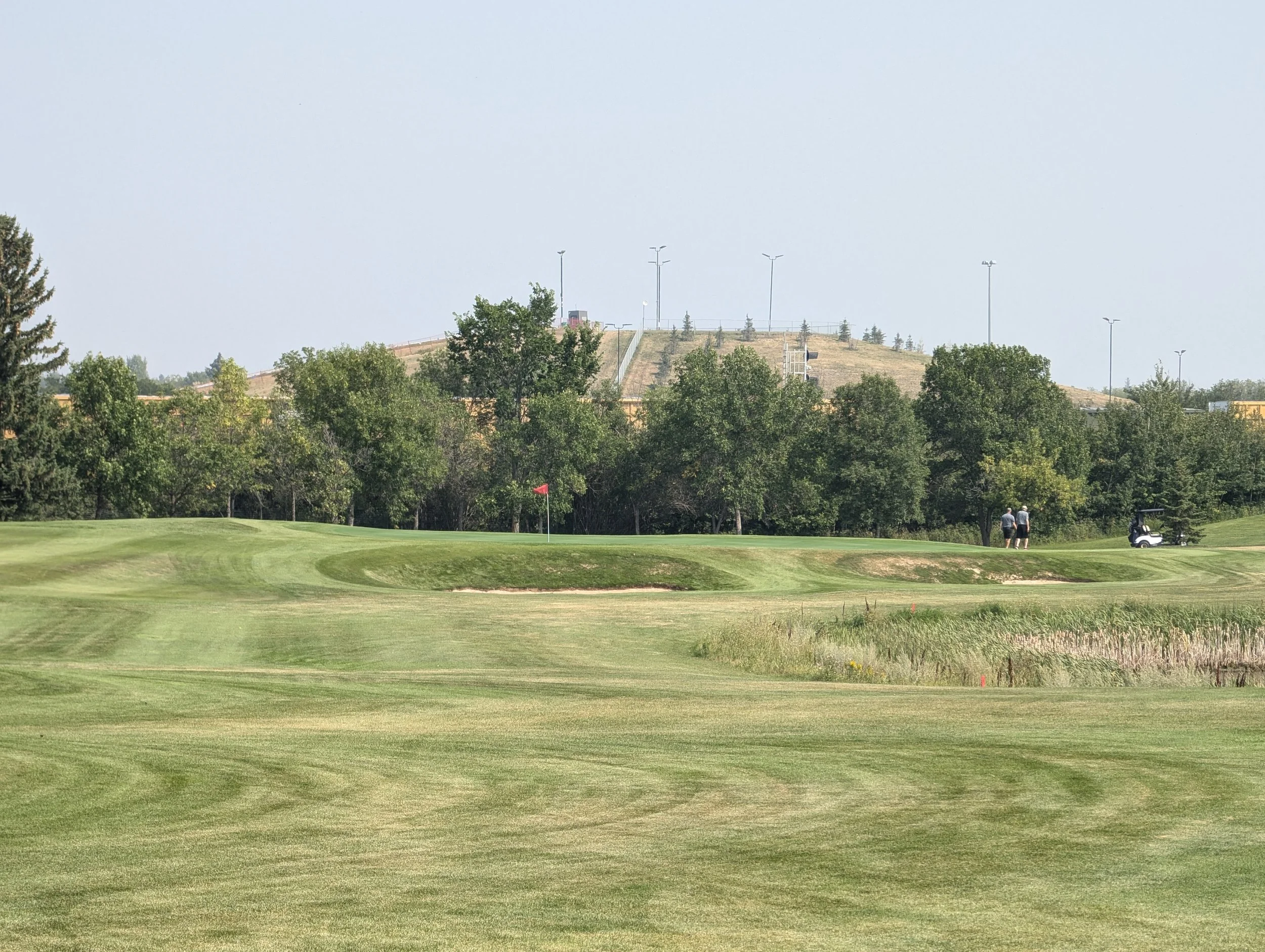
Saskatoon Golf and Country Club boasts a rich history, with its golf course undergoing several iterations over the years. The layout currently features two distinct nines: the East, originally designed by Bill Kinnear in 1931 with subsequent modifications by Wayne Carleton, and the West, redesigned by Ian Andrew in 2009. What stands out on the property is the surprisingly undulating terrain within the city limits—a variety of land movement that has been skillfully utilized to frame holes, and add complexity to the course.
The West nine stands out as the more architecturally engaging of the two. It incorporates modern design elements, including grass-faced bunkers that are strategically placed near elevated and contoured greens. Notable features include a reverse redan and a Biarritz-style green. These thoughtful design choices, paired with the contoured greens, combine to offer a dynamic and enjoyable nine holes of golf.
In contrast, the East nine retains a more traditional, less modern infrastructure. The greens here are simpler, relying on the natural grade and slope of the land rather than more intricate contours. Additionally, the variation in grass types across the two nines makes the transition from one side to the other more apparent. One standout hole on the East is the 14th, a challenging par 5 where a blind tee shot over a ridgeline is followed by a demanding uphill approach to a small, steeply sloped green. The 17th hole on the East features the most dramatic green complex on the property, with a wavy surface and pronounced fall-offs and mounding around the greens—a feature I wish were more prevalent throughout the course.
While Saskatoon Golf and Country Club may not boast the most eye-catching architecture, it offers a thoroughly enjoyable round in a welcoming atmosphere. The friendly members and staff add to the charm, making it a hidden gem for those fortunate enough to receive an invitation.
Dakota Dunes
Sand provides the ideal foundation for designing exceptional golf courses. The unique conditions of sandy landforms allow for the creation of natural, strategic features, as opposed to being dictated by drainage concerns. Among the many advantages of sandy terrain are firm, fast conditions that produce optimal bounce and roll, enhancing the strategic impact of subtle contours. In Saskatchewan, vast expanses of rolling sand dunes offer a perfect canvas for world-class golf courses, with the potential to create a destination resort of exceptional quality.
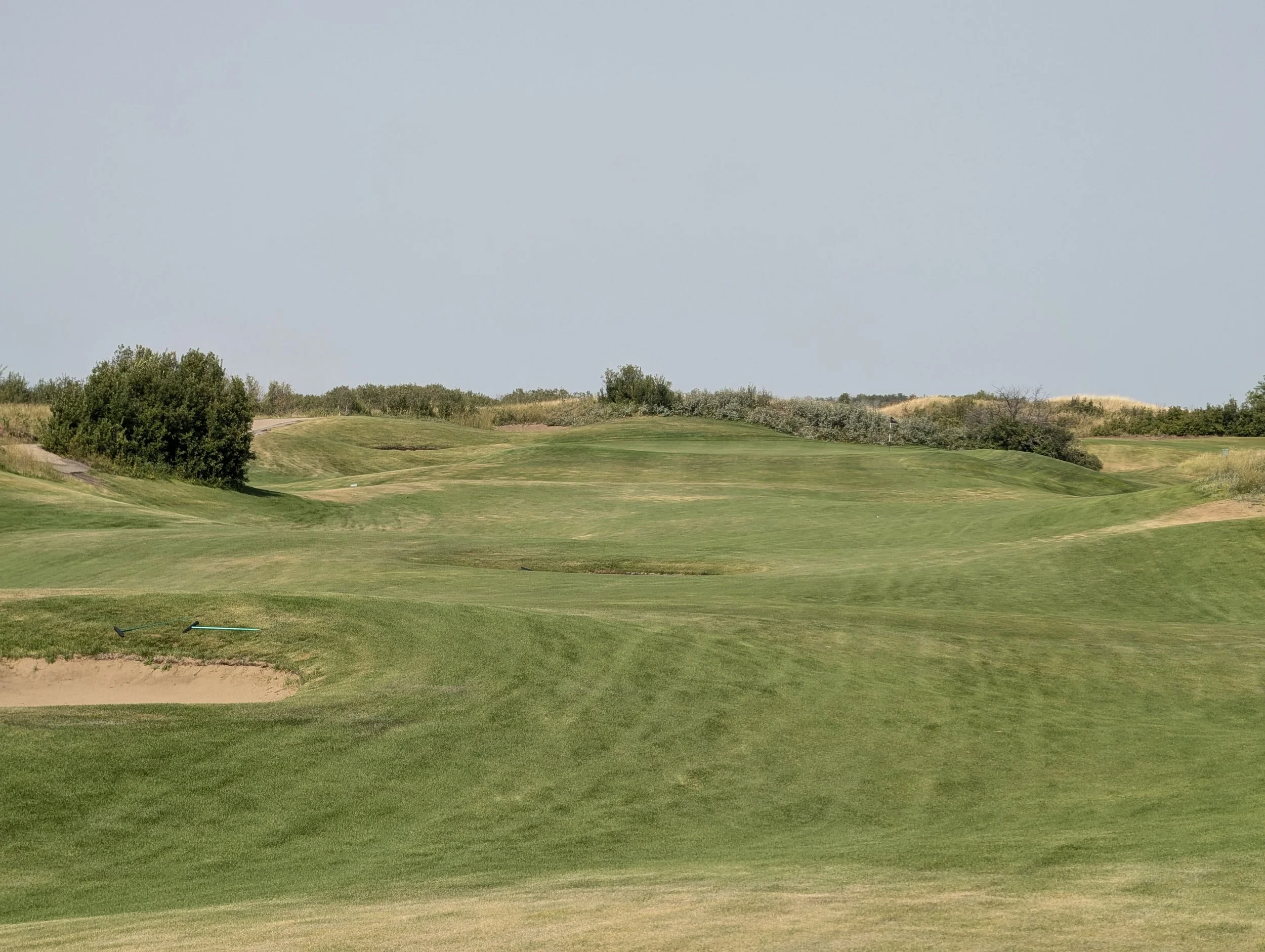
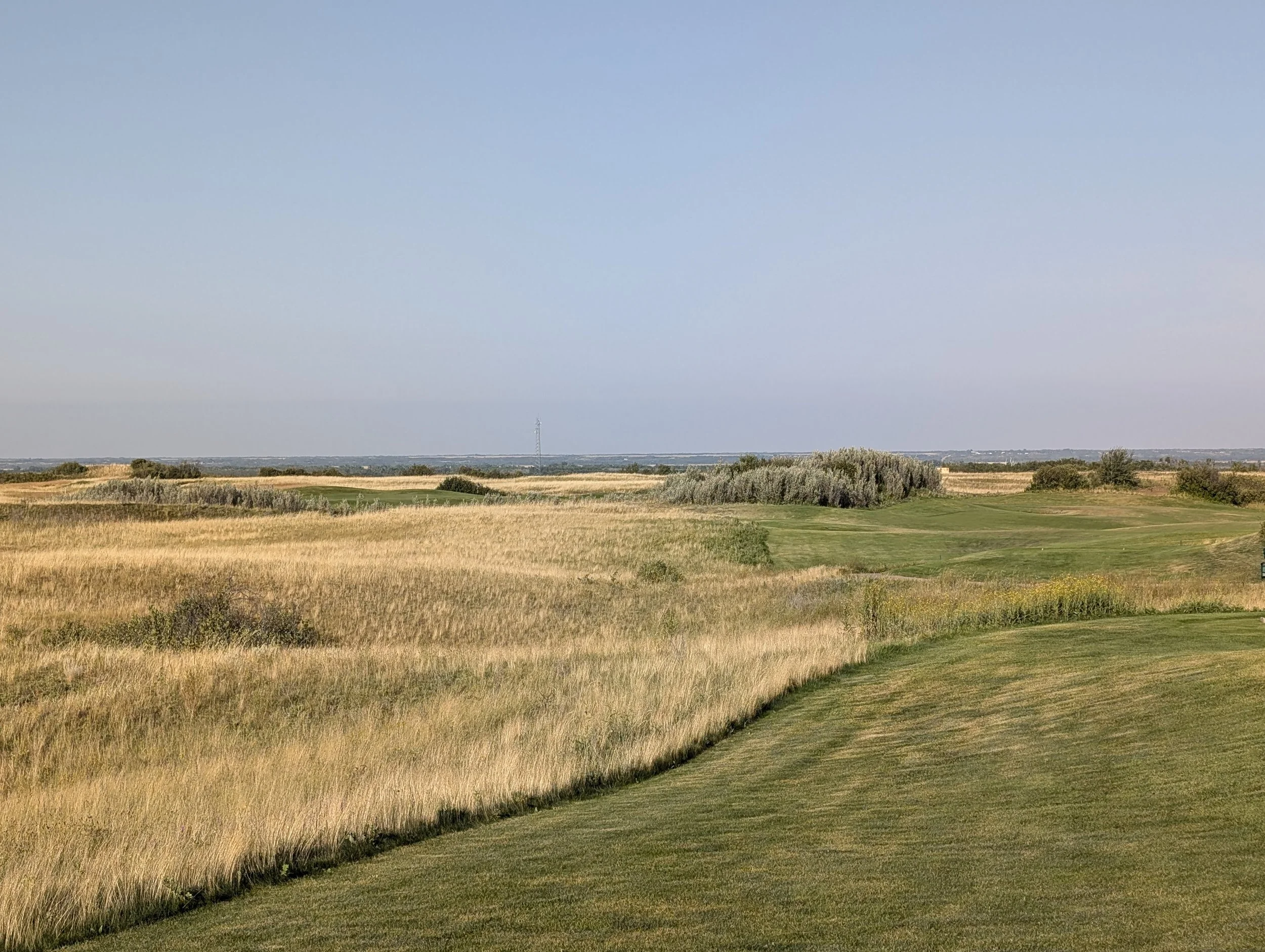
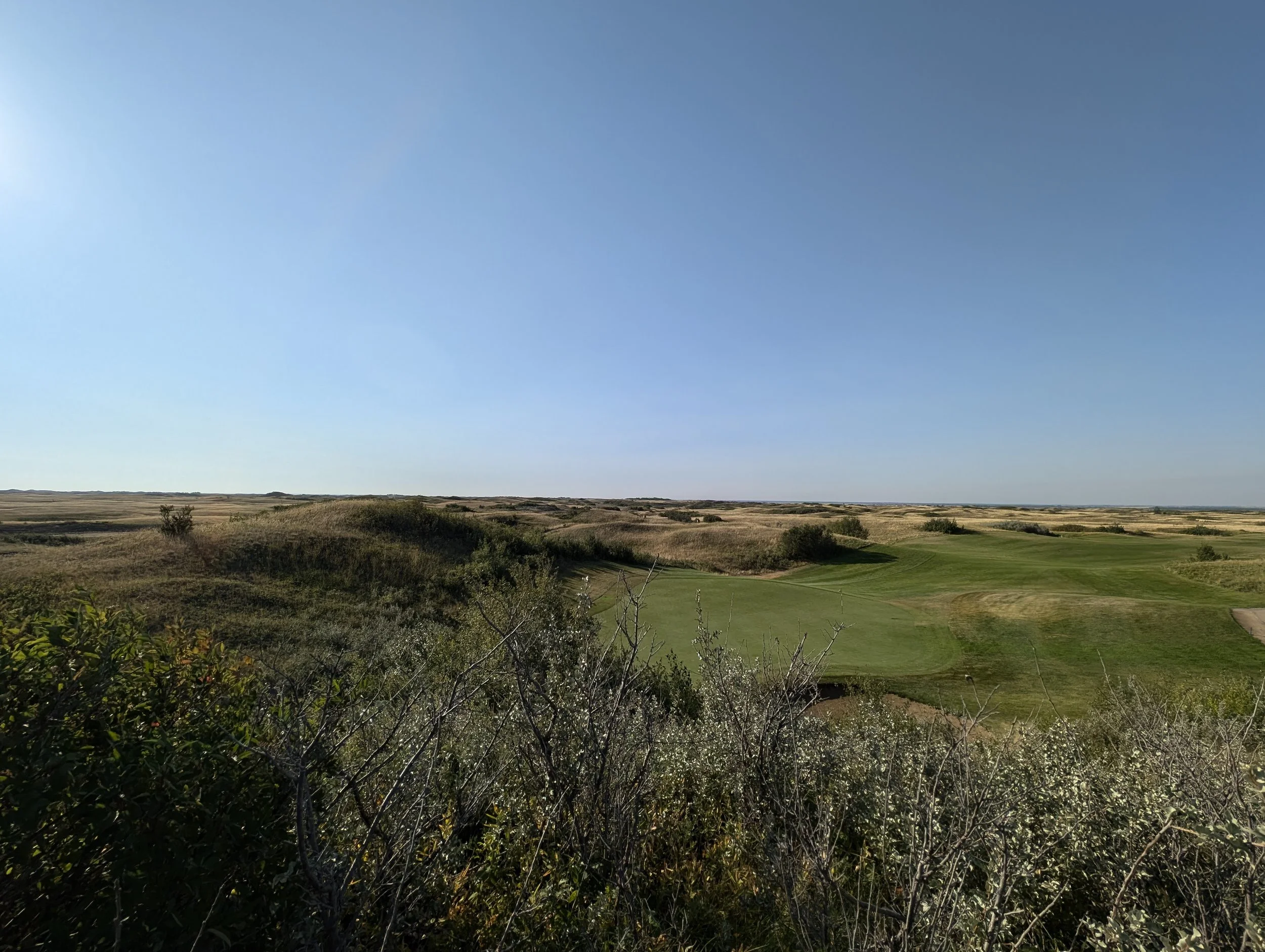
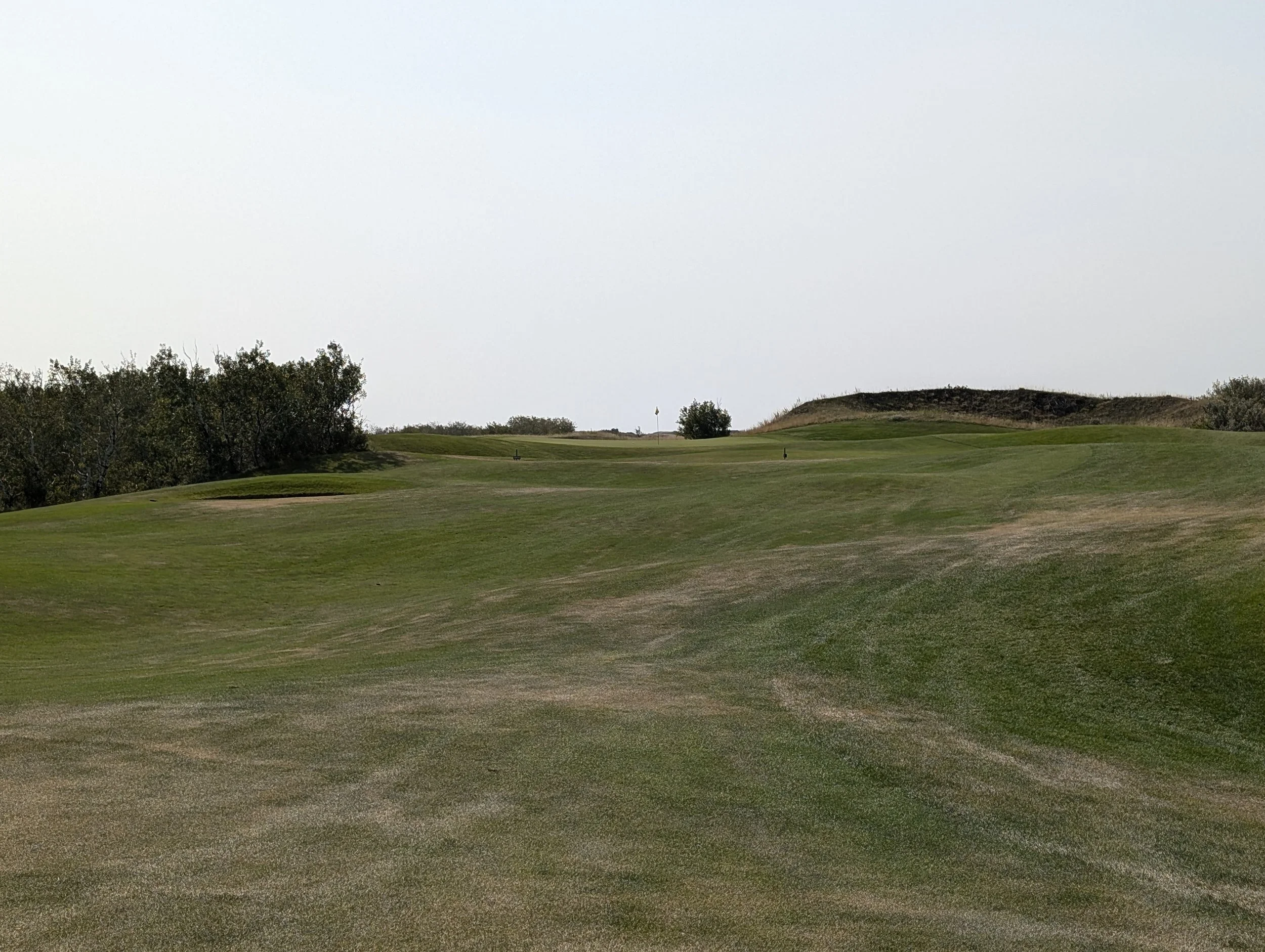
Dakota Dunes Golf Links, located 30 minutes south of Saskatoon, is a prime example of this potential. Designed by Graham Cooke and Wayne Carleton in 2004, the course winds through lush grasses and undulating dunes, creating a dramatic contrast between the open, windswept fairways and the deep, contoured greens. More than just a challenging golf course, Dakota Dunes offers a sense of isolation and immersion in nature—where the sound of wind rustling and the occasional call of a bird of prey transport you far from the outside world.
As my travel companion and I made the early morning drive to the resort, we marveled at the surrounding landscape—vast, windswept dunes that were tailor-made for golf. We eagerly anticipated what lay ahead as we pulled into Dakota Dunes, eager to explore the course.
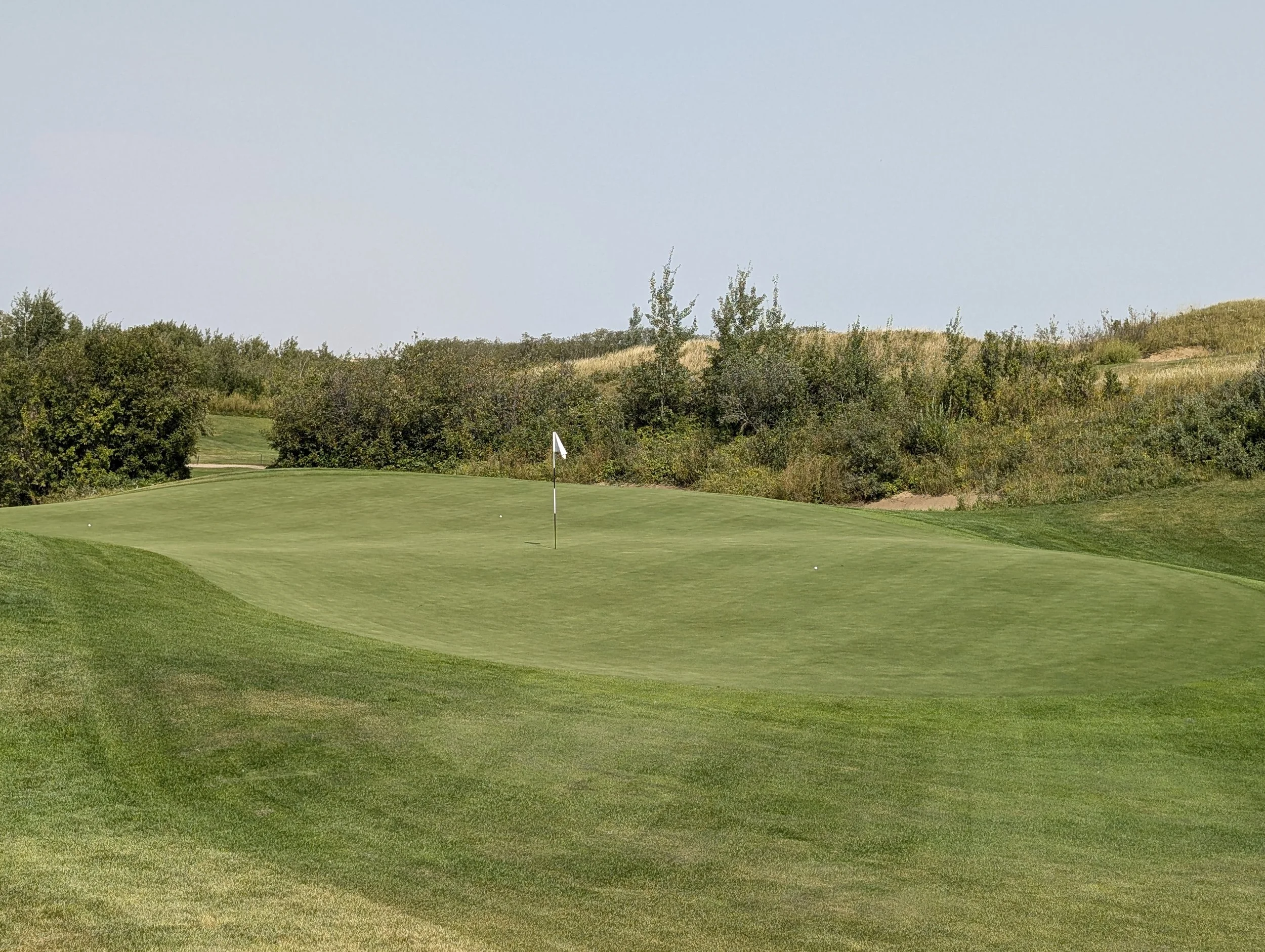
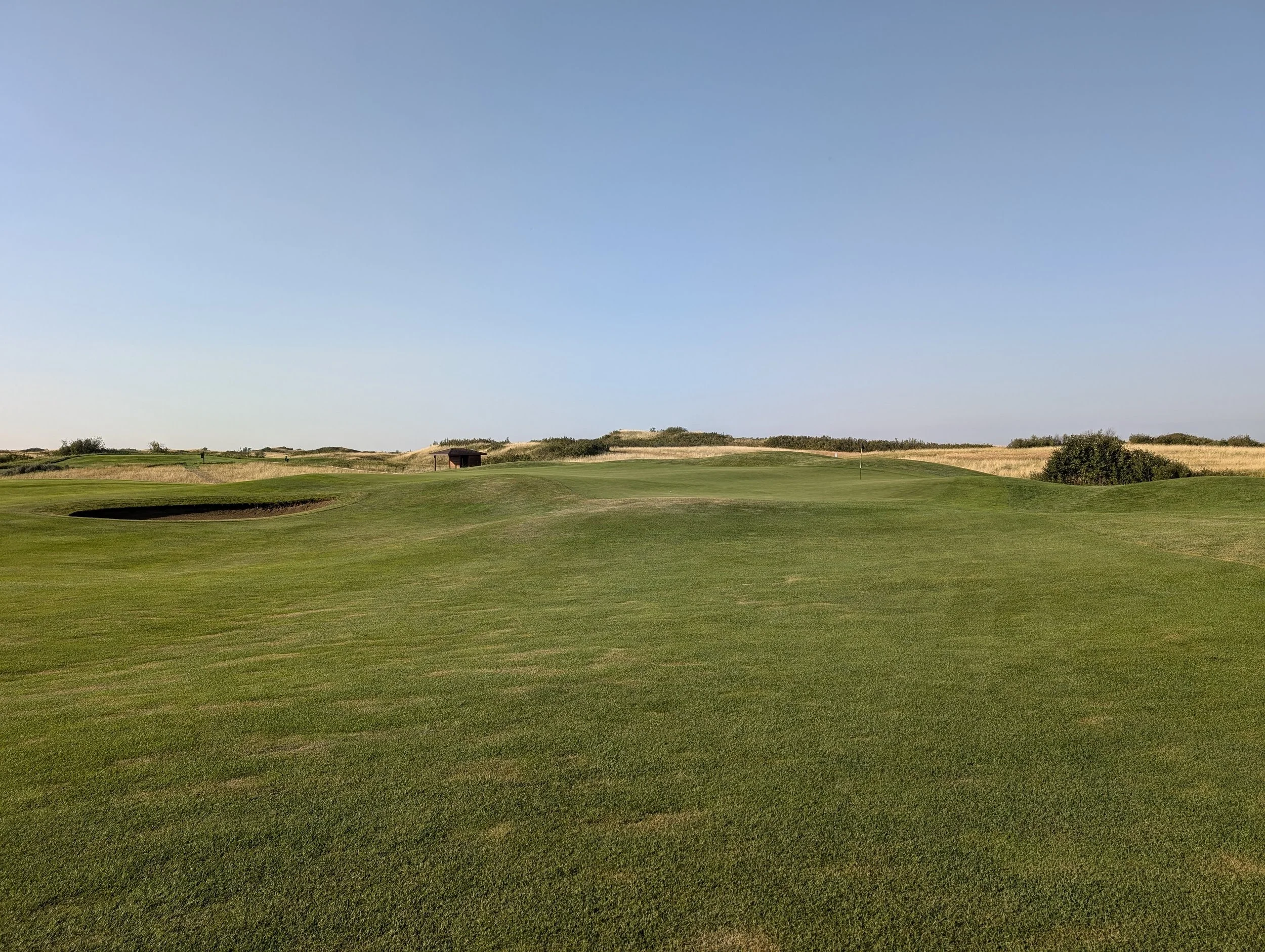
The terrain at Dakota Dunes is rarely flat, yielding plenty of exciting moments throughout the round. The fairways, often wider than they appear, are framed by dense scrub that can distort the player's perception of the available width. Blind shots are a common feature, caused by elevation changes, hollows, and mounds that send the ball careening unpredictably. The course also features a staggering 130 bunkers, though many are of a basic saucer variety, which feel out of place in such an otherwise dynamic landscape. The blow-out bunkers, nestled naturally into the dunes, are the course’s highlight, though the maintenance of these features could be improved. In an ideal world, the basic saucer-style bunkers could be replaced with more of these artistic, landscape-driven designs.
Dakota Dunes’ strongest holes showcase the best of the terrain, offering strategically layered challenges from tee to green. The par-4 9th, a slight dogleg to the right, requires players to favor the outside of the fairway to gain the best angle for the approach to a green that falls steeply on multiple sides. The short, driveable par-4 13th presents an intriguing choice: take a direct route to the green, ~280 yard carry, or play it safe with a more precise tee shot that avoids large mounding obstructing the green's view. The par-4 14th provides a dramatic contrast, a long uphill hole that leads to a large, wavy green set in a natural amphitheater. Shots that fall short or to the right of the green settle into a deep hollow, adding both challenge and intrigue.
Approaching a course with minimal expectations is always my strategy, though it's difficult to fully suppress personal biases. Ultimately, Dakota Dunes’ architecture does not fully reach the potential suggested by the land itself, and the peripheral maintenance leaves something to be desired. However, the interplay between the sandy soil, rolling terrain, large greens, and elevation changes keeps the player engaged throughout. These elements, while not without room for improvement, certainly elevate Dakota Dunes into Canada’s Top 100 conversation. It is no surprise that this course is a fan favourite.
Riverside
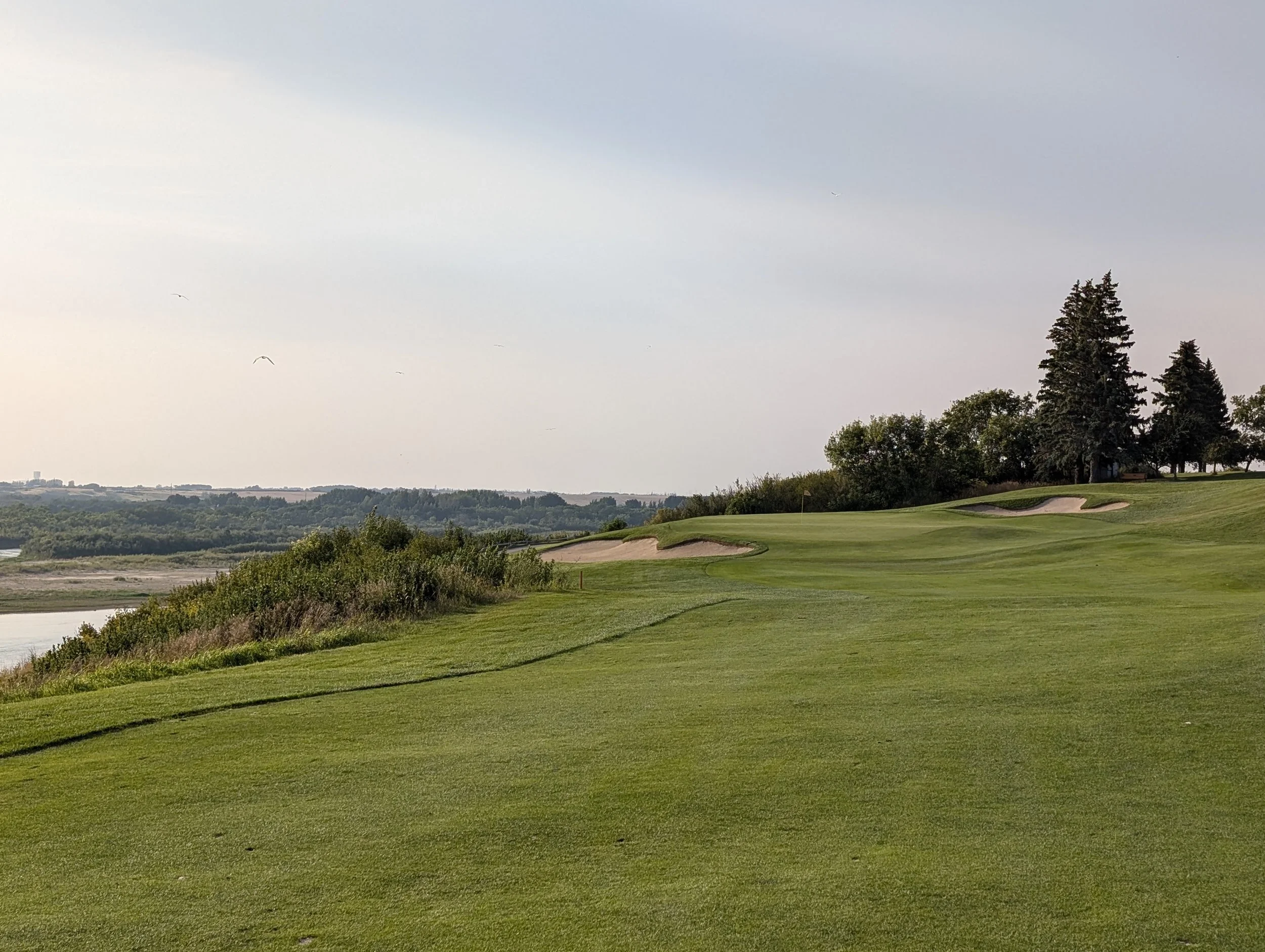
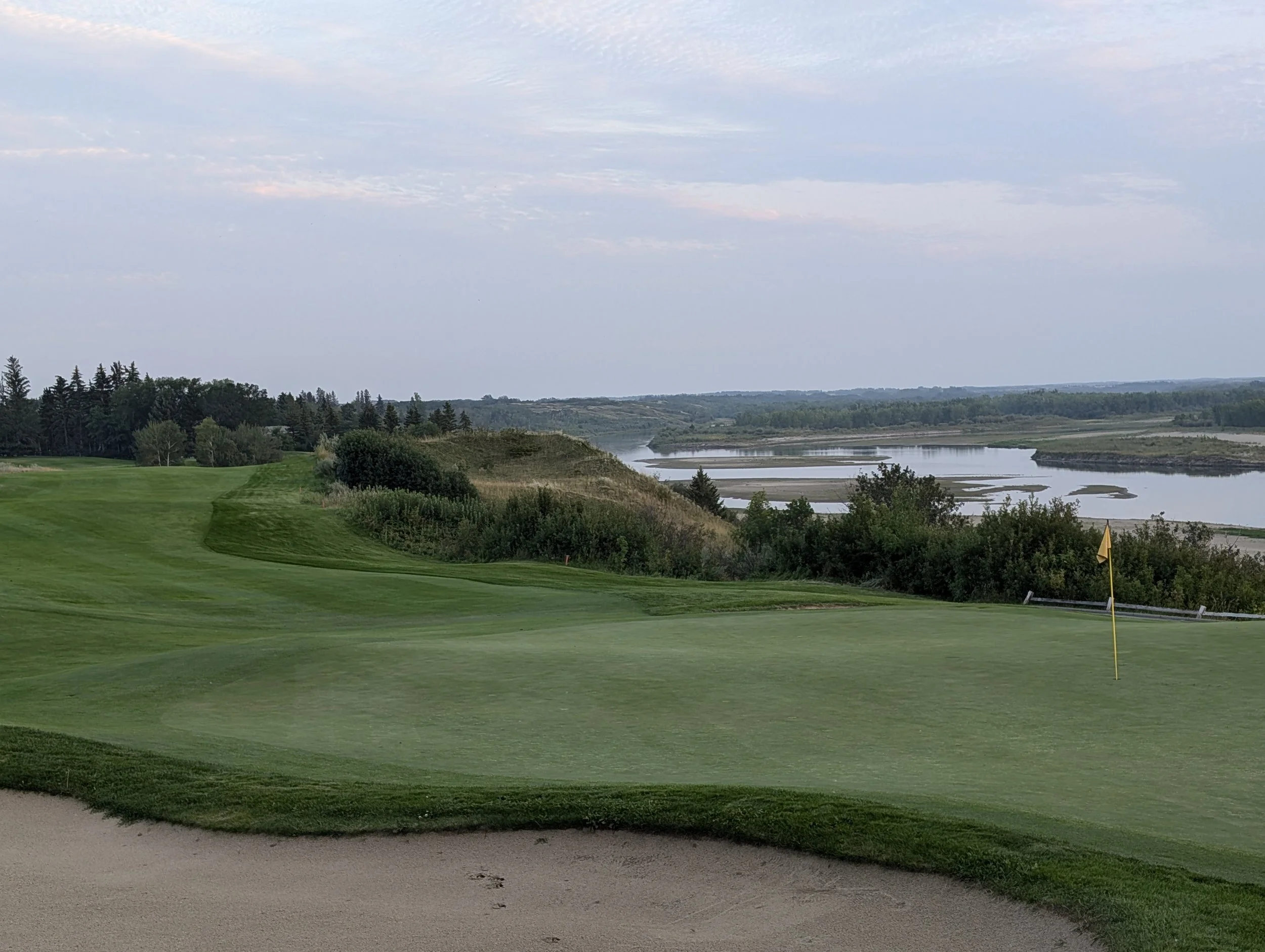
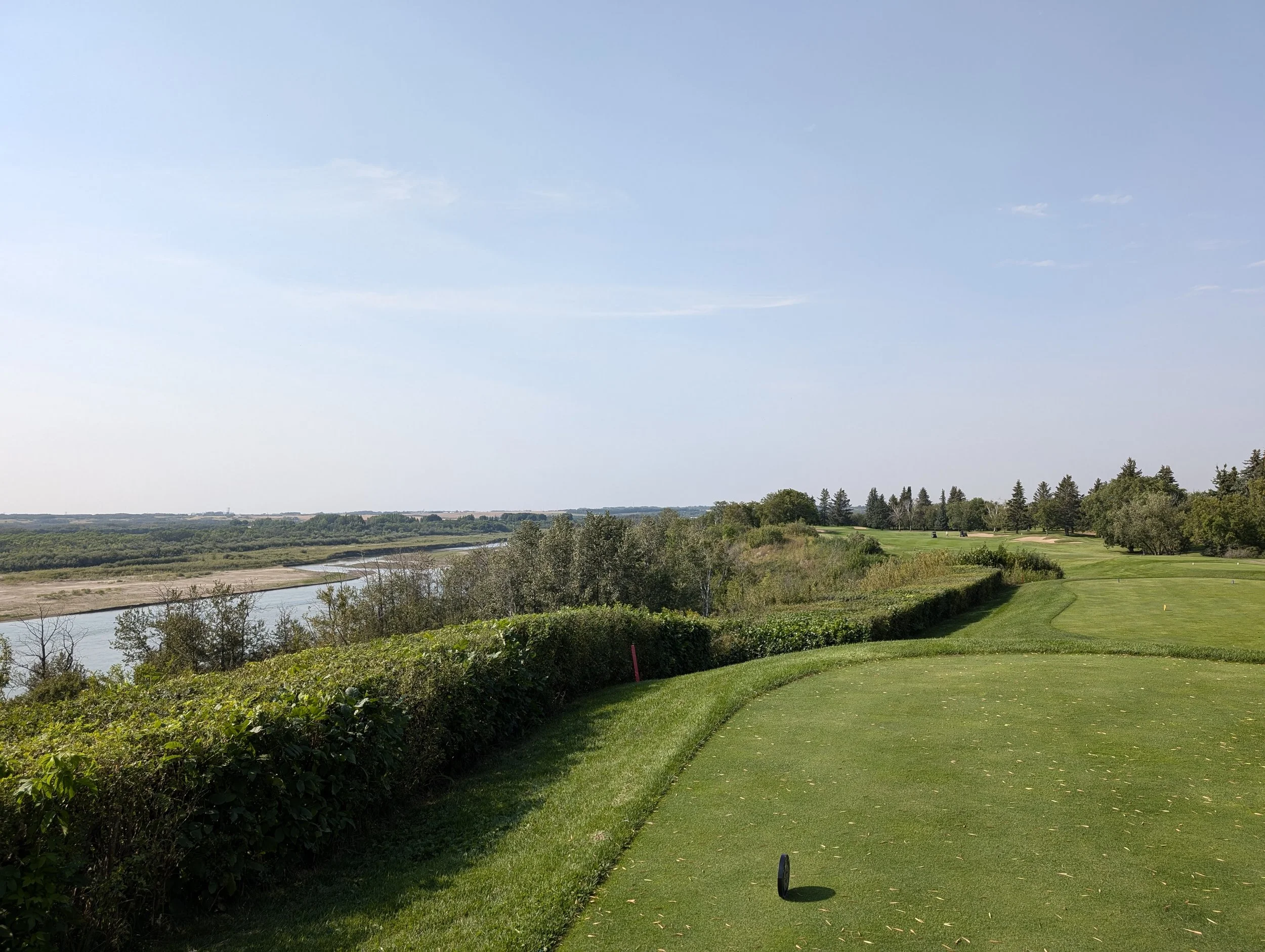
Ranked No. 68 on Beyond The Contour’s Top 100, Riverside is one of Canada’s most underappreciated top-tier golf courses. Originally designed by Bill Kinnear in 1912, with later enhancements by Robbie Robinson in the 1950s, Bill Robinson in the 1970s, and the collaborative efforts of Wayne Carleton and Graham Cooke in 2011, Riverside winds along the banks of the South Saskatchewan River, offering a picturesque setting atop a dramatic hillside. The course’s sweeping vistas, visible from many holes, capture attention and provide a visual feast from start to finish.
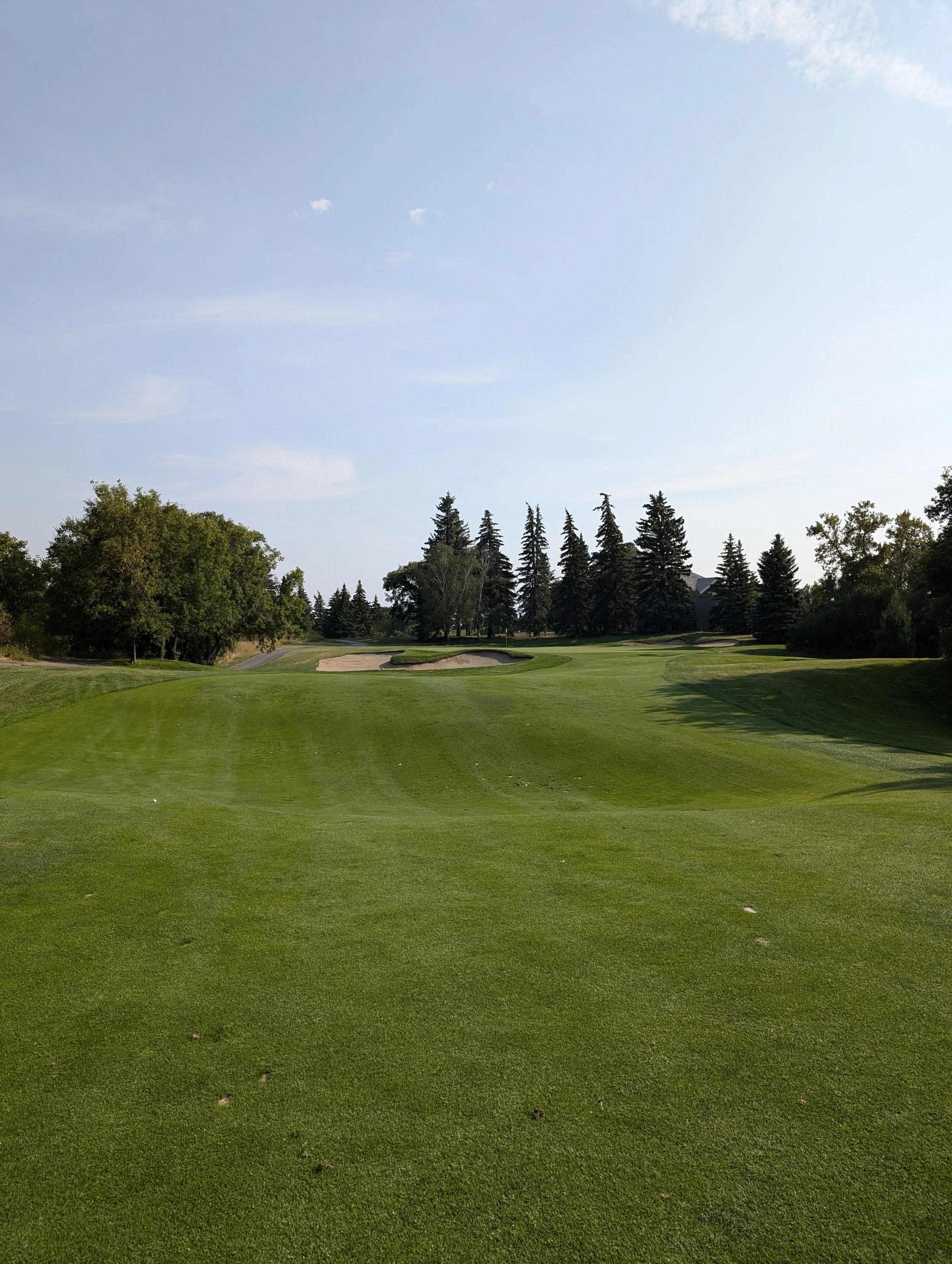
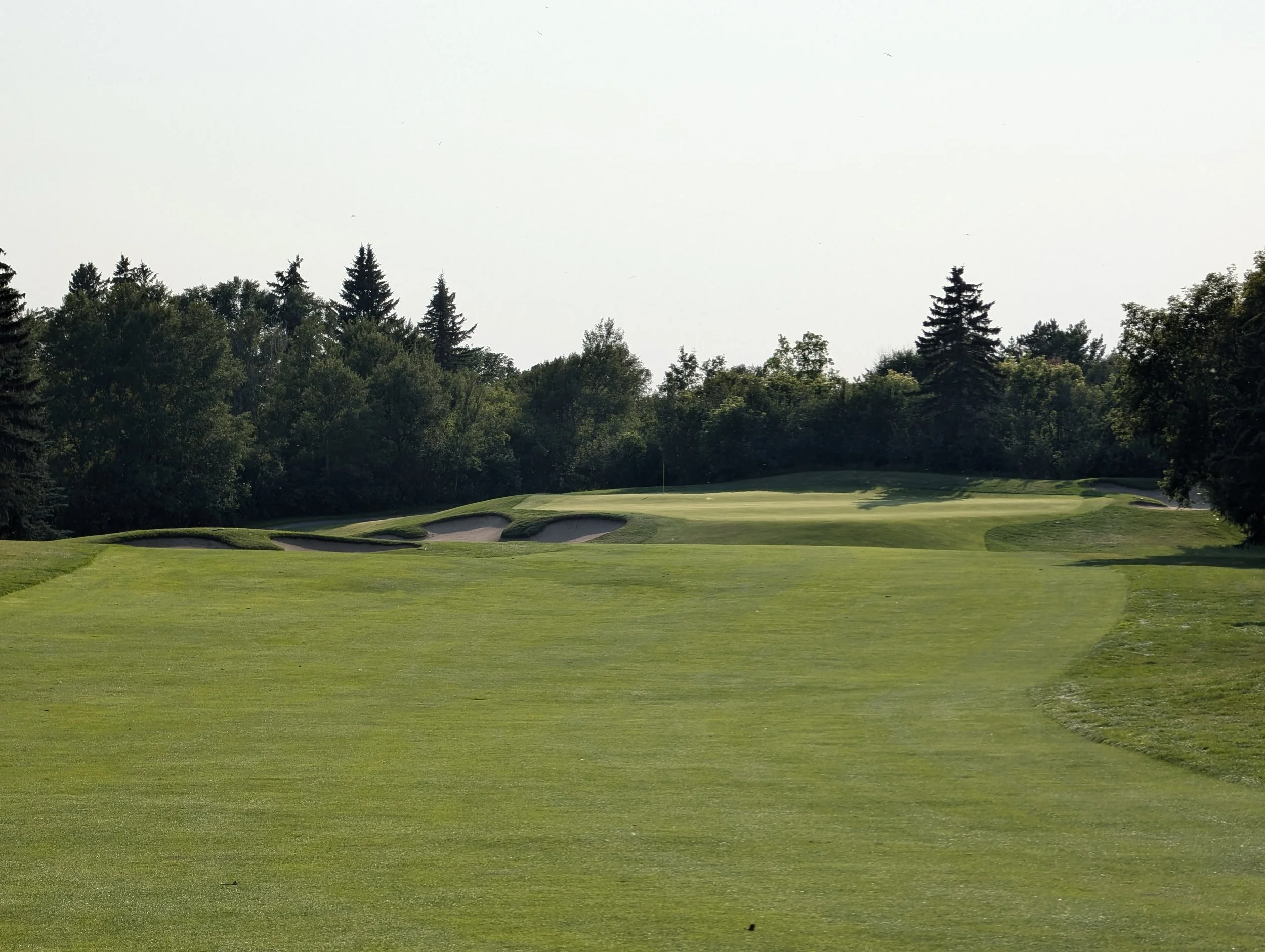
The course exudes a certain golden age charm, which is evident from the very first hole. The dynamic fairway slopes down from the tee before rising towards the green, setting the tone for a layout where flat lies are a rarity. The par-3 7th, with its strategically placed bunkers surrounding a wavy green, features a central bunker that cleverly plays with the visual perception of the hole.
As the round progresses, the 10th hole offers a stunning view of the river, presenting a striking flair that bookends the back nine.
The course’s memorable moments continue with the short, driveable 12th and the par-5 16th, where bold fairway contours enhance both the visual appeal and strategic challenge.
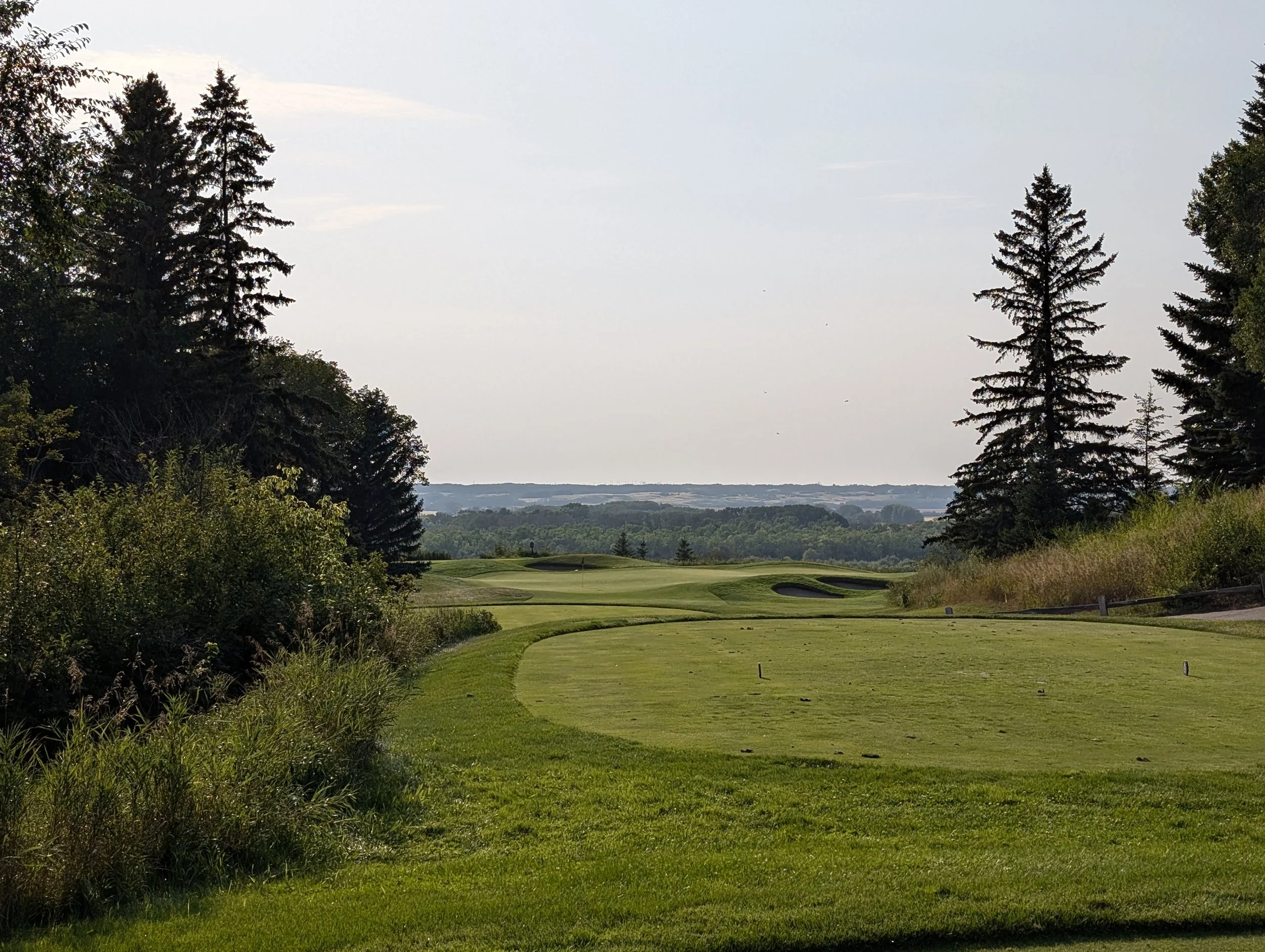
The par-3 17th, perched above the river valley, presents a small, contoured green and a striking vista of the landscape.
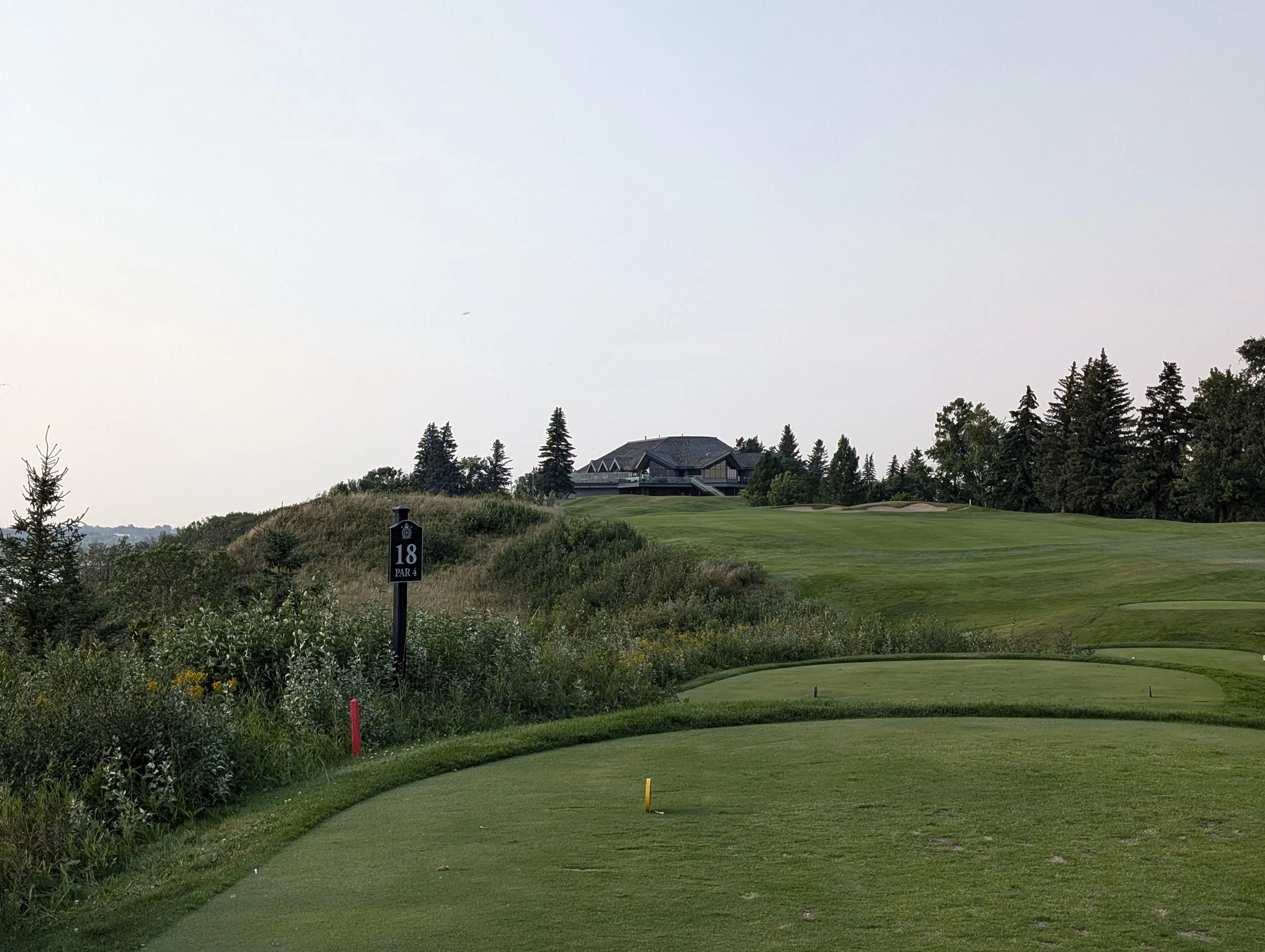
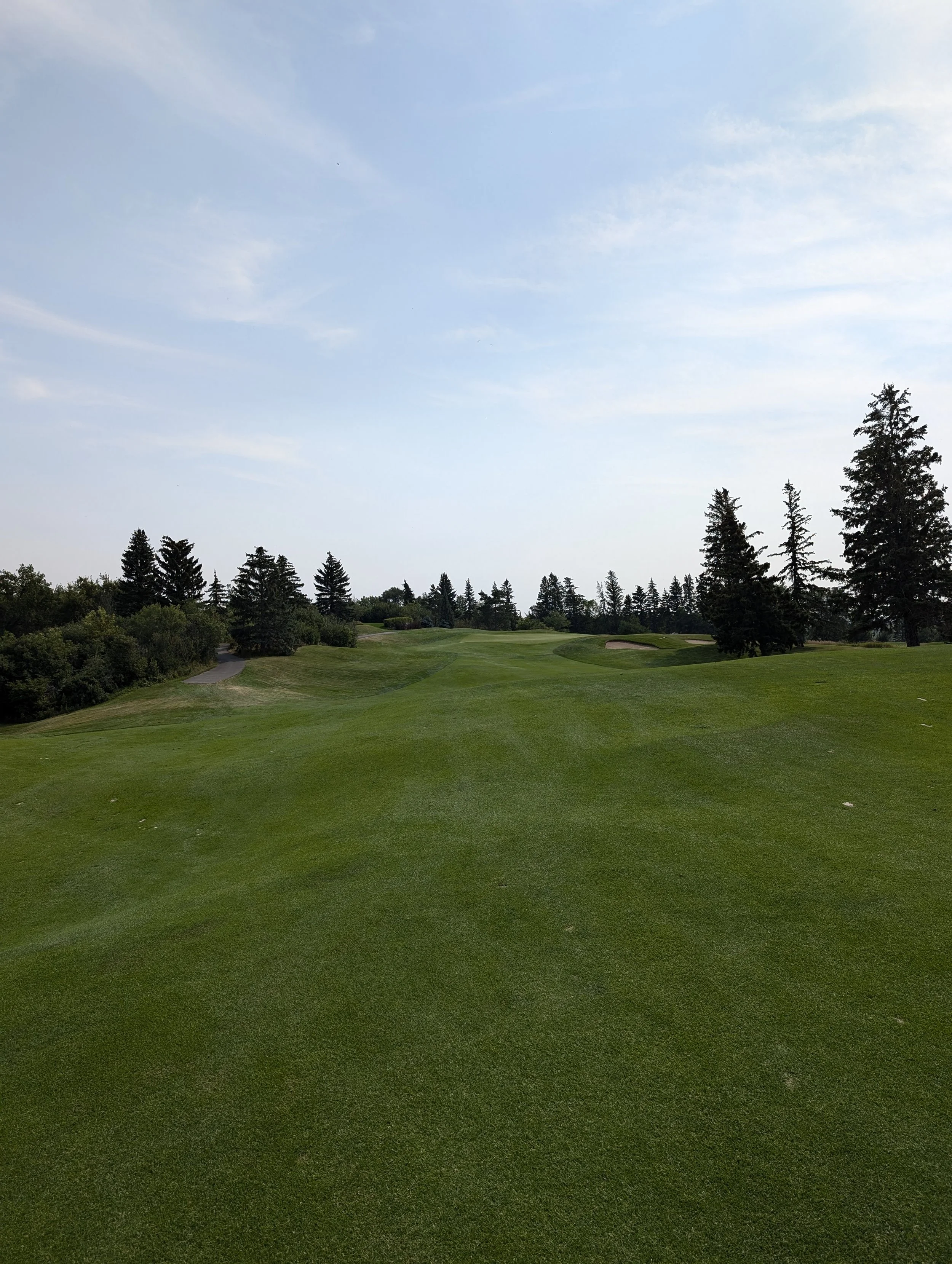
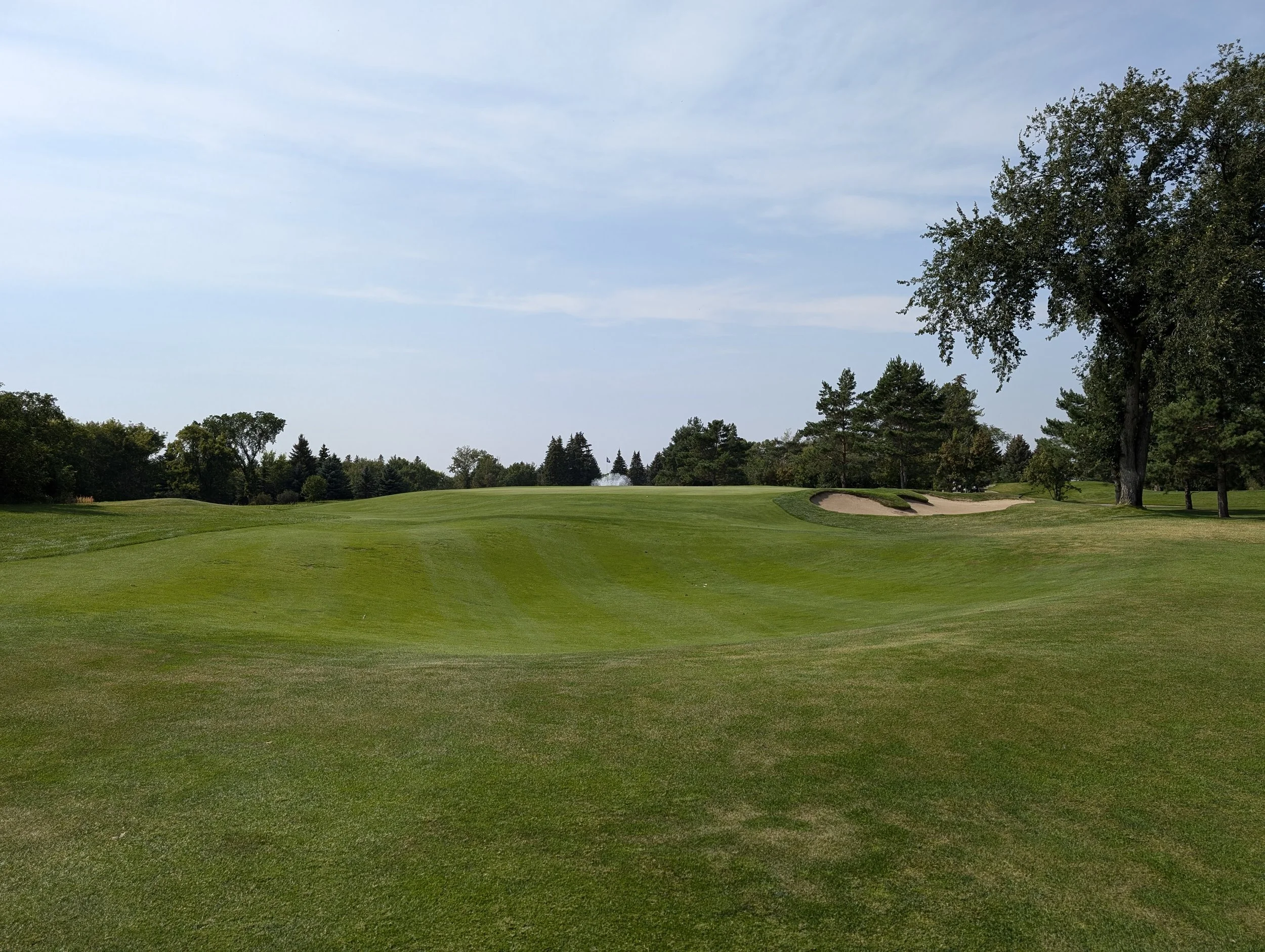
Yet, it’s the closing hole— a mid-length par-4 playing uphill towards the clubhouse—that stands out most. A slight dogleg left invites players to challenge the left bank of the river valley to get as close to the green, where a central ridge divides the lower and upper sections.
While Riverside’s dramatic moments are its most captivating, even its less remarkable holes are better than most courses' best. This combination of memorable holes and consistent quality makes Riverside one of Canada’s finest courses. After the round, be sure to enjoy a milkshake at the clubhouse—arguably the best in the country and perhaps as good as Muirfield Village? Only one way to find out..
Cooke Municipal
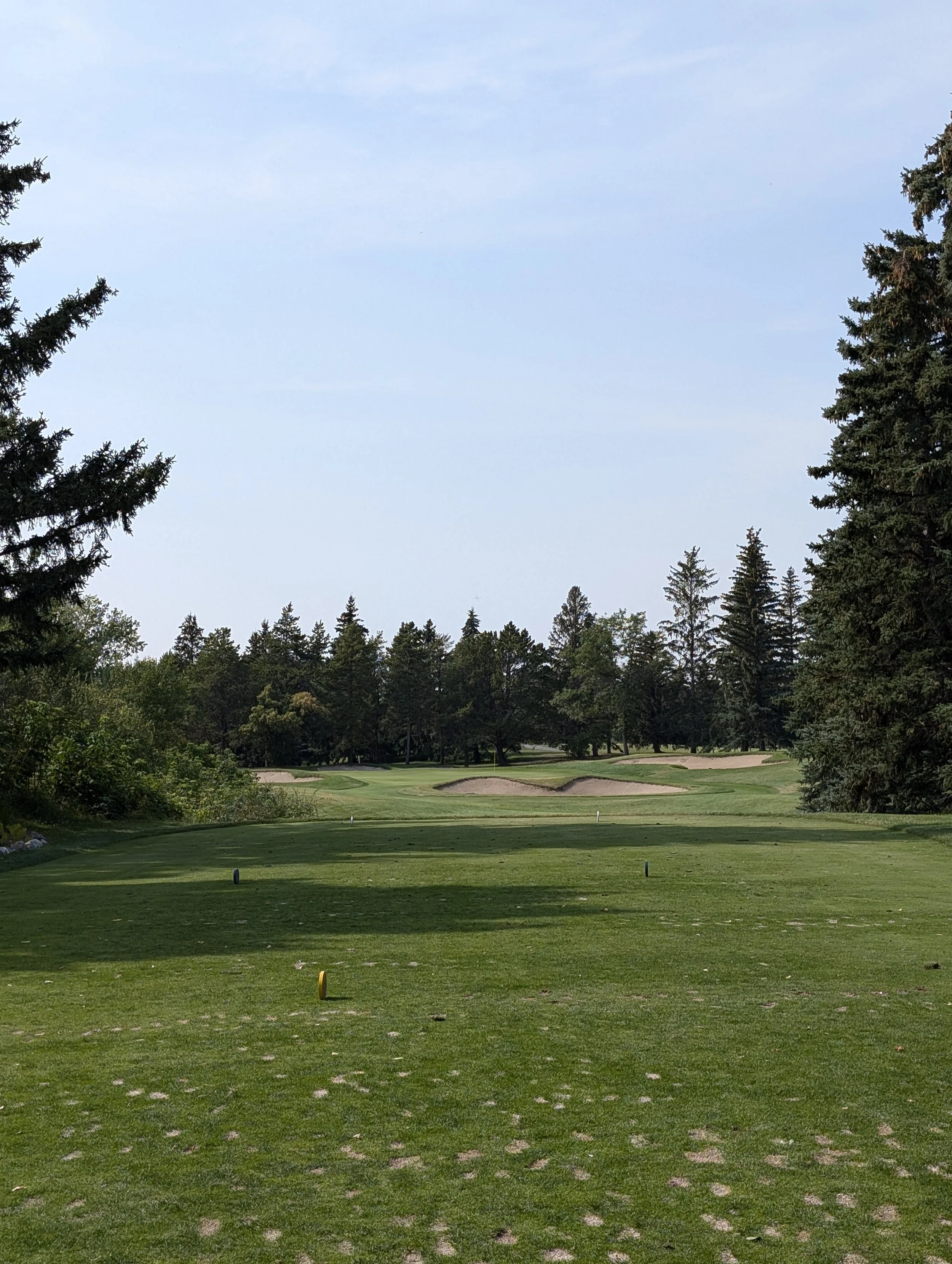
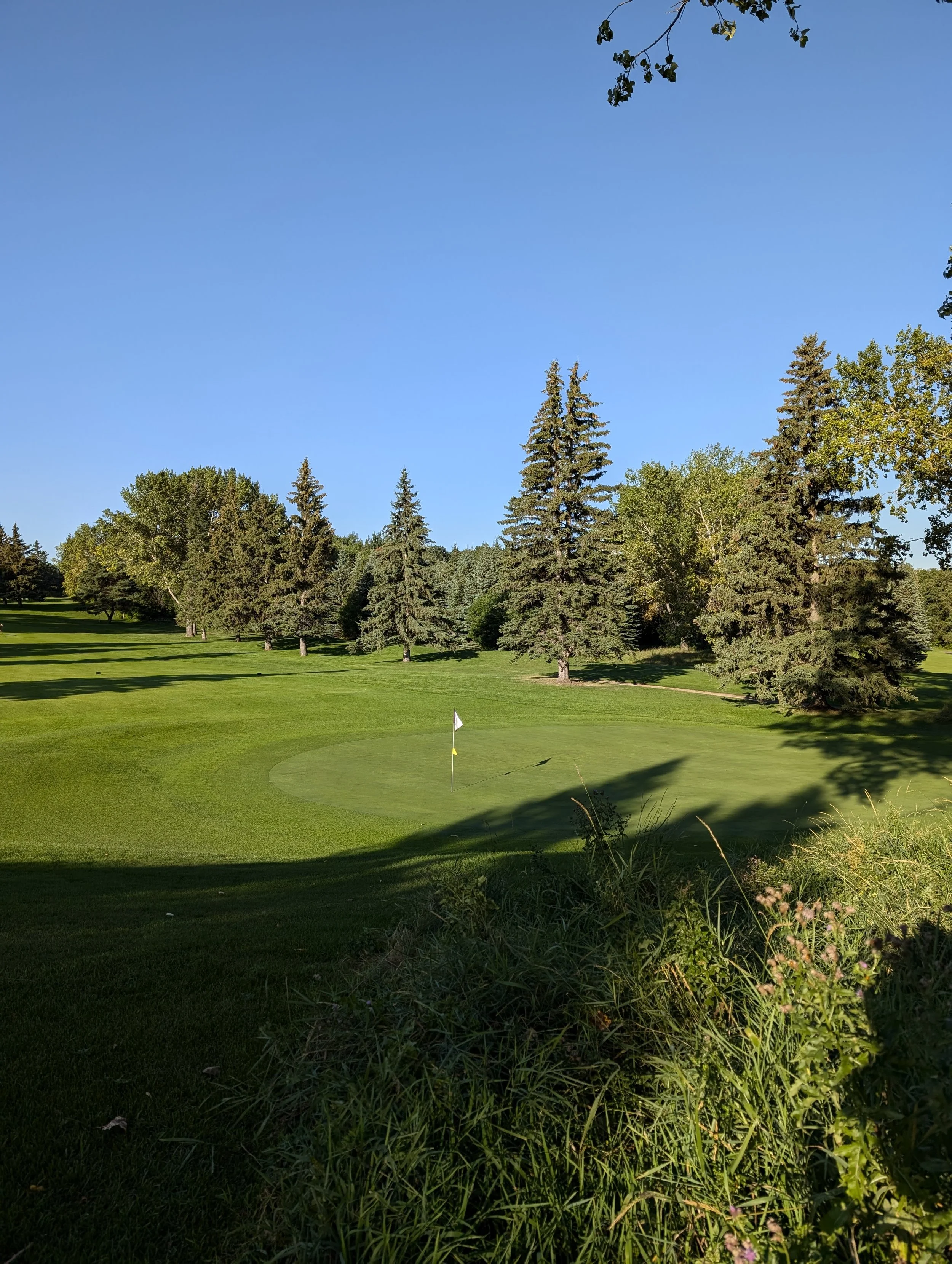
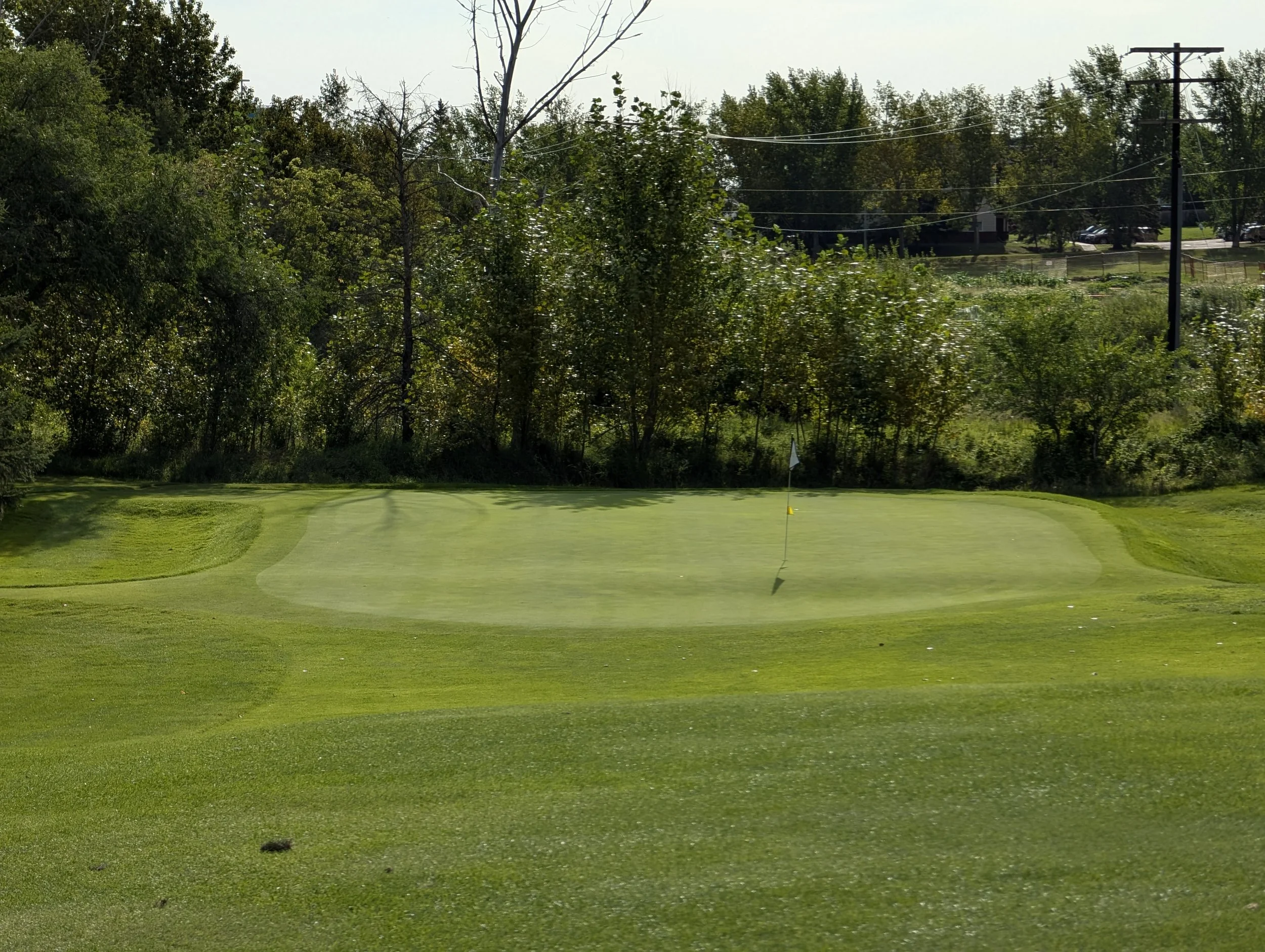
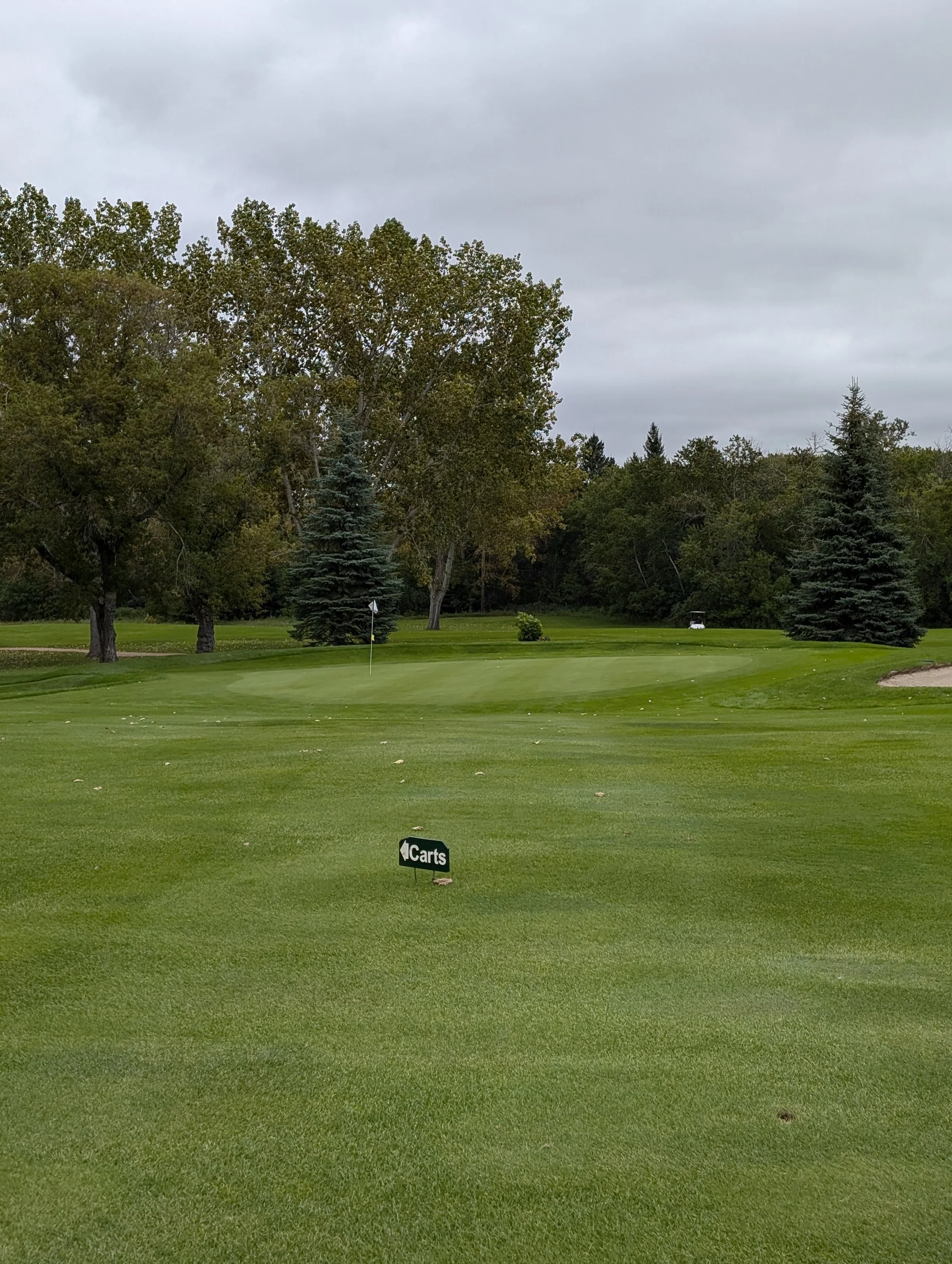
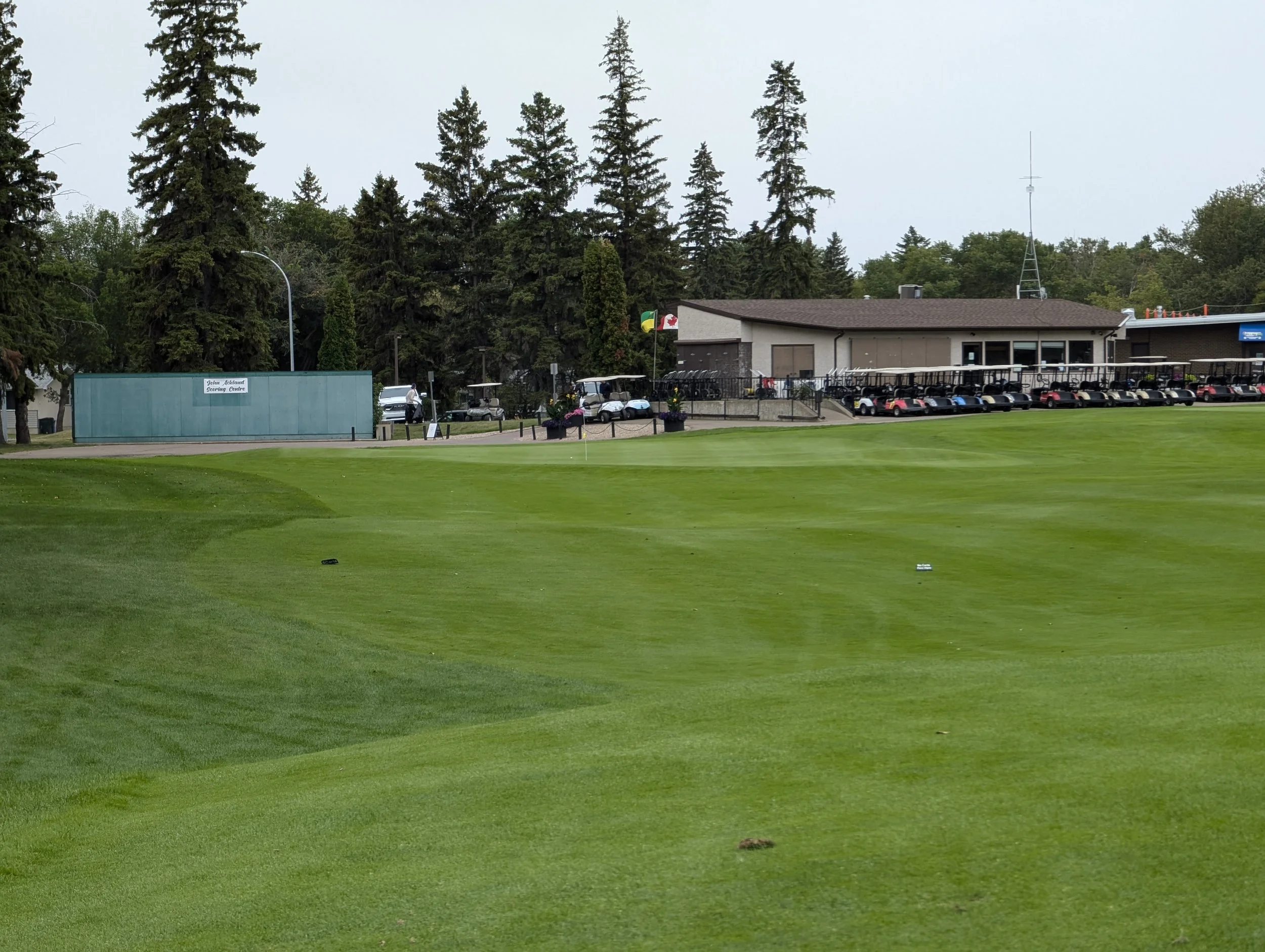
Prince Albert, Saskatchewan, may not be the first place one associates with Canada’s best municipal golf course, yet Cooke Municipal stands as a testament to the unexpected quality found in this province. Named in memory of Hubert and Alice Cooke—Hubert being the long-serving head professional and the individual largely credited with the course's design—Cooke Municipal dazzles with its simple yet effective architecture, and thoughtful stewardship.
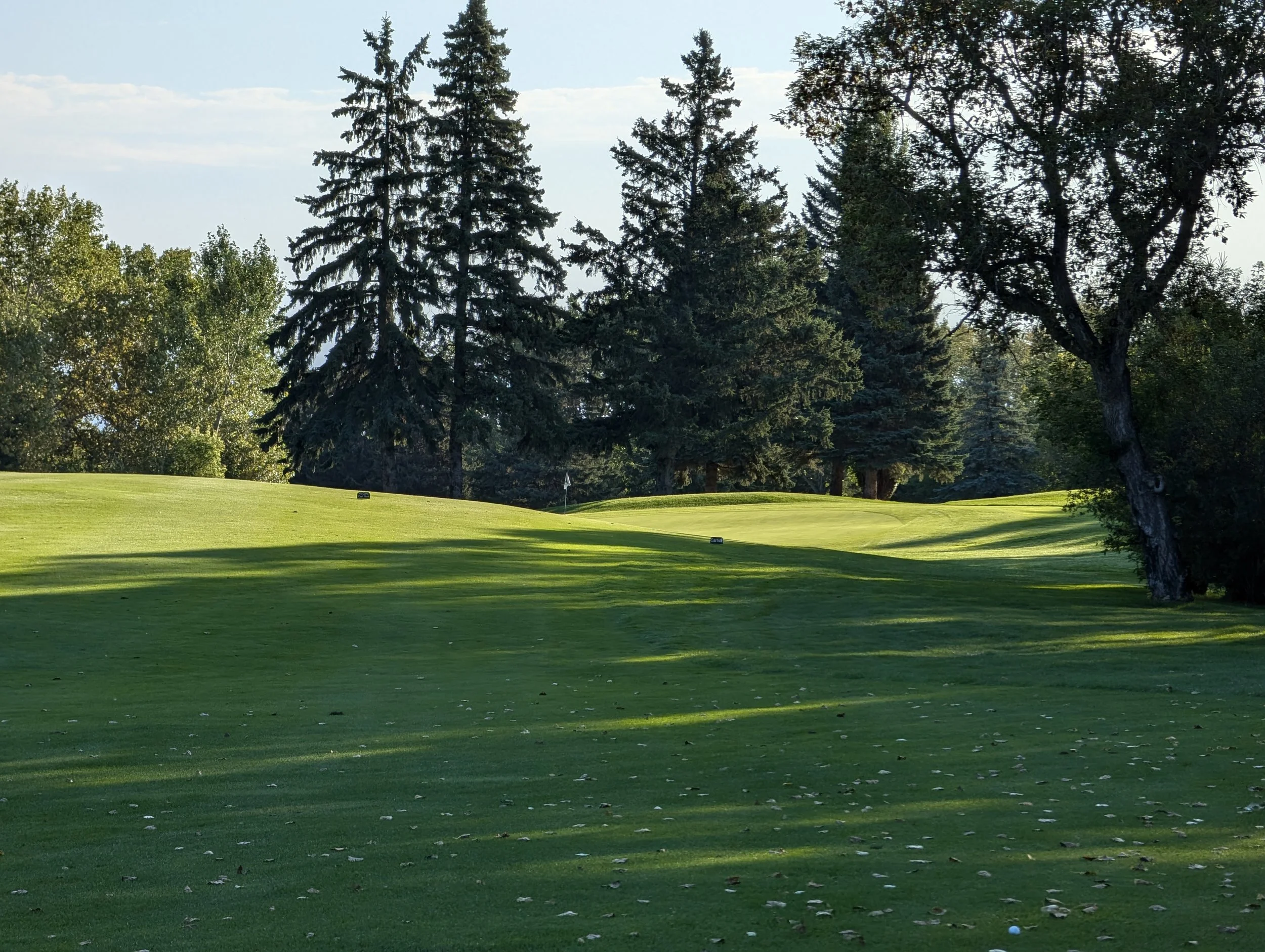
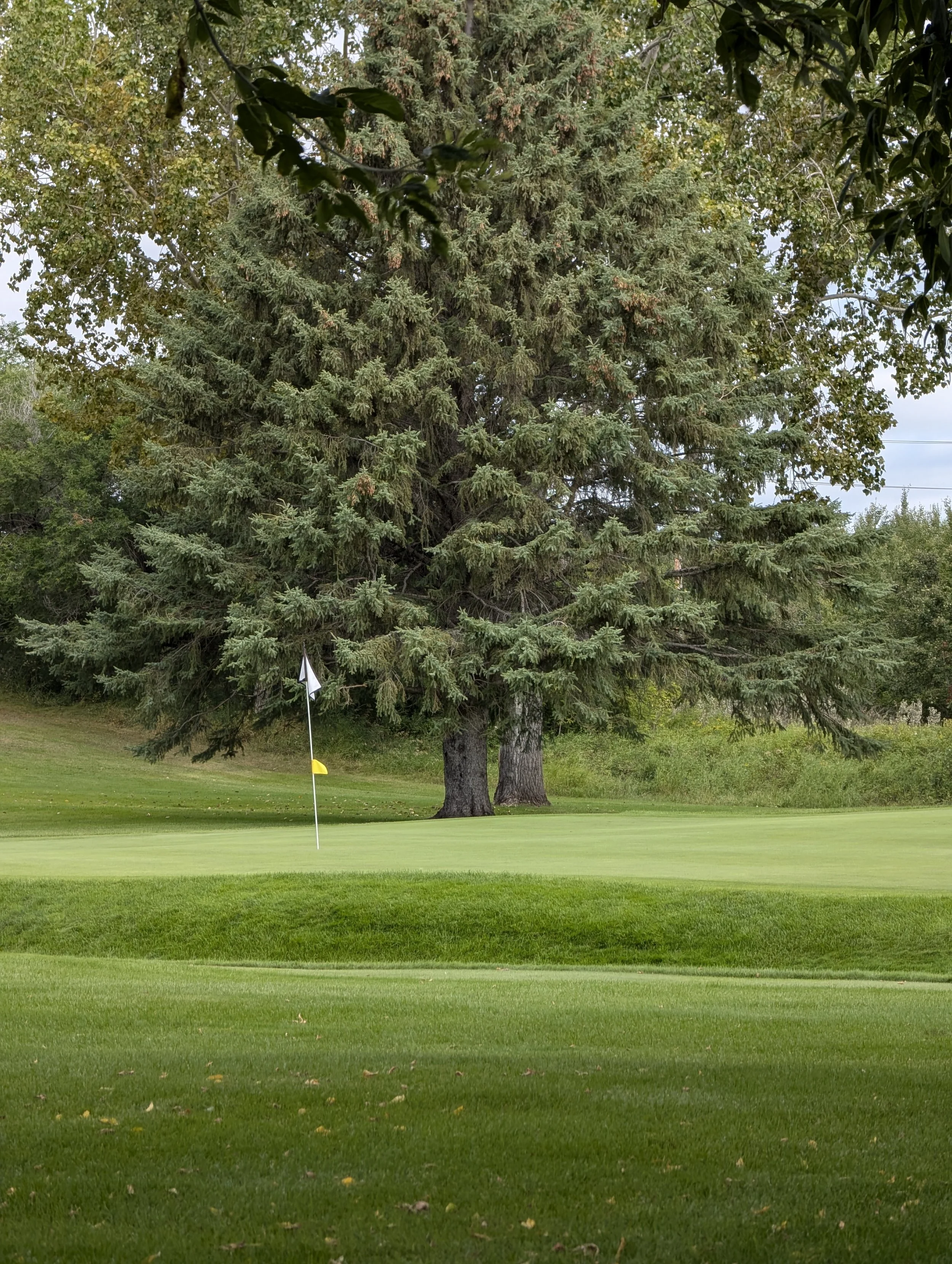
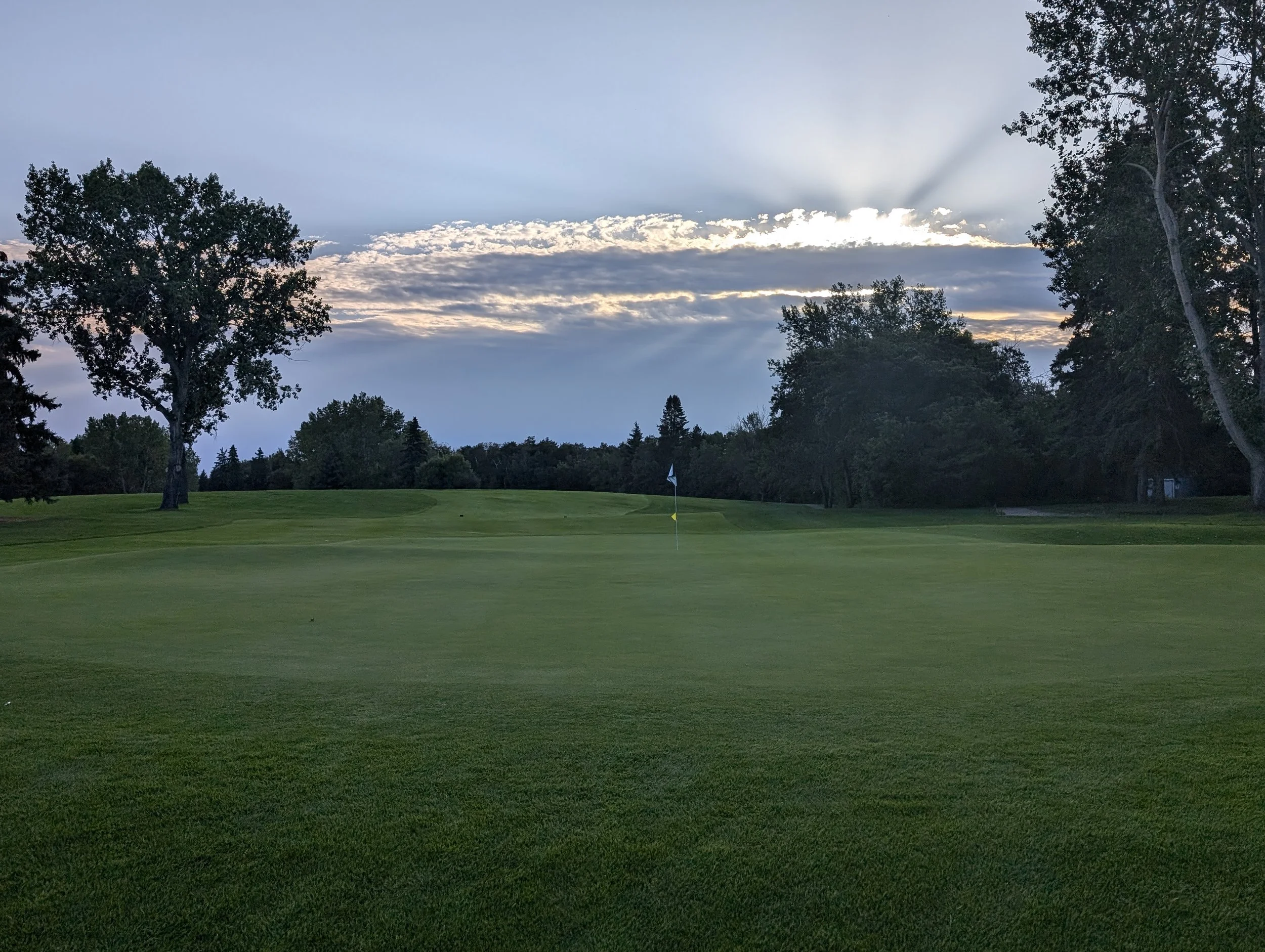
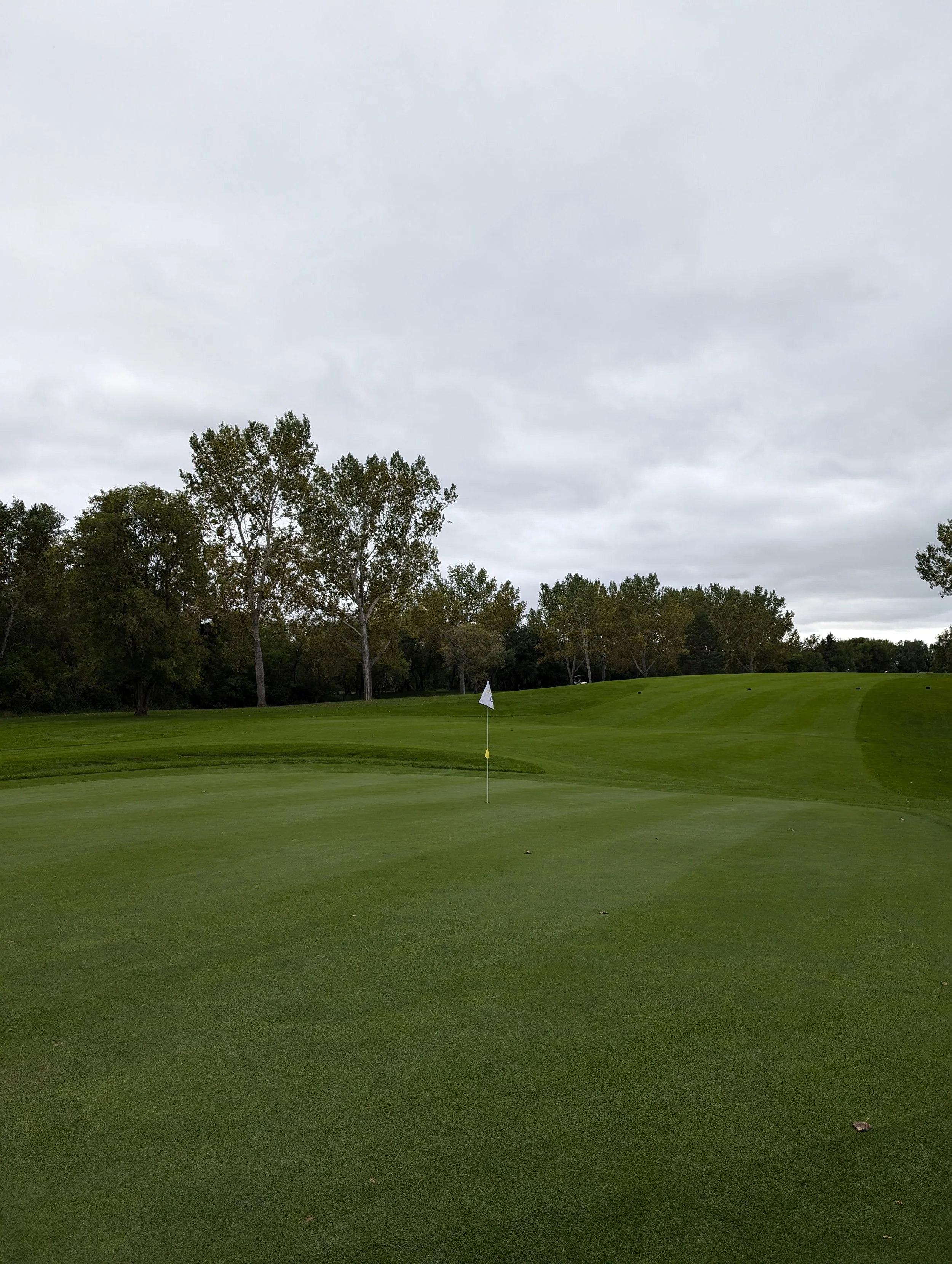
The course’s most striking features are its natural landforms and meticulously crafted green complexes, seamlessly integrated into the rolling slopes and ridges that define the layout. A perfect example is the second hole, where the green is set directly into the hillside, creating a deceptively tricky and visually compelling putting surface that greets players early in the round.
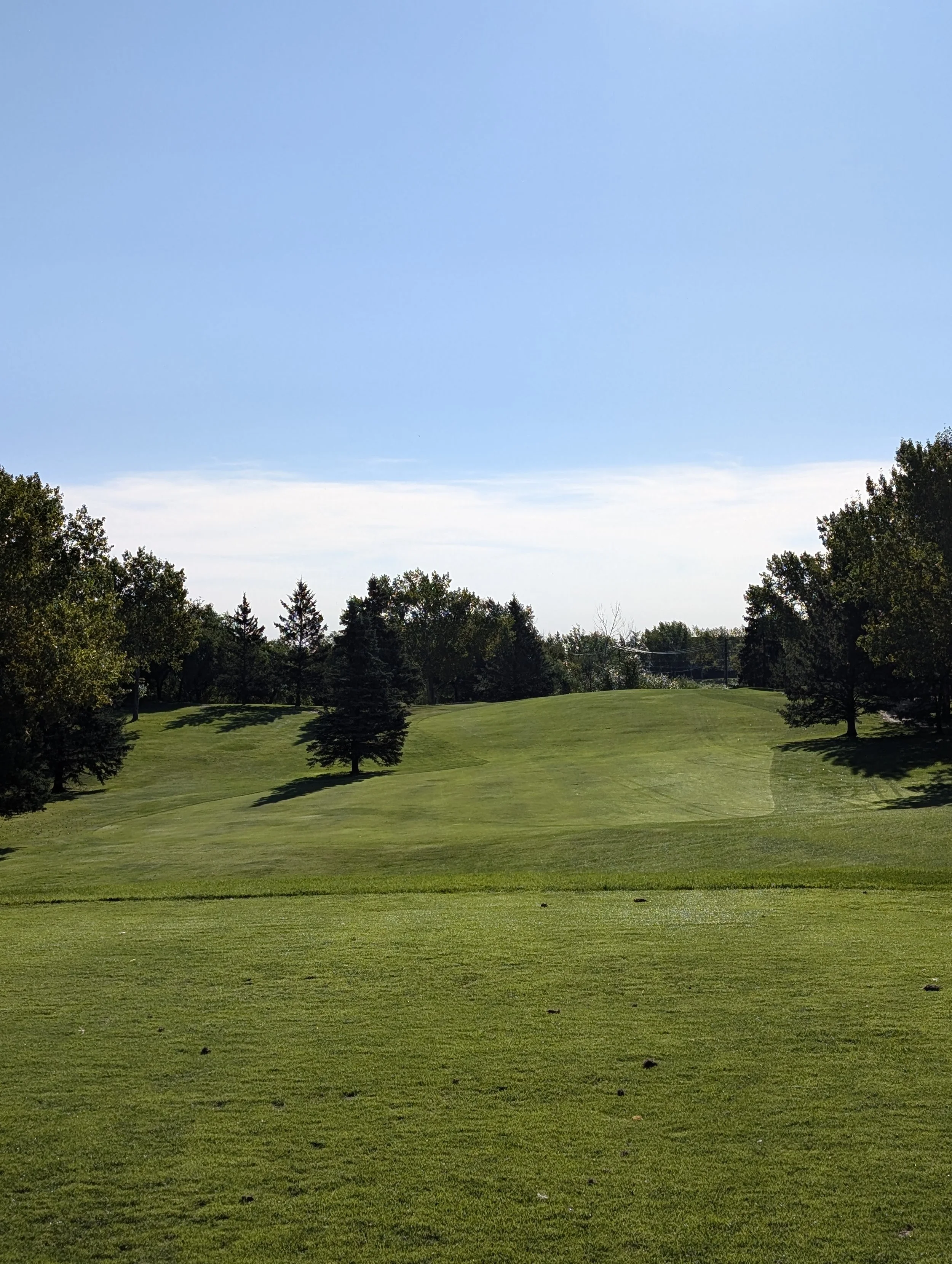
Any great golf course begins and ends strong, and Cooke delivers on this promise.The opening and closing holes are particularly notable, with both driving over the undulating hills, and feature slick greens that set the tone of the round and ensure a thrilling start and finish.
What makes Cooke truly special is its balance of strategic risk and reward without veering into overly penal territory. The short par-4 6th, for instance, demands a blind tee shot over a hill, followed by a delicate pitch to a narrow green surrounded by sunken grass bunkers. Similarly, the mid-length par-4 15th, with its slight dogleg and leftward-sloping green protected by trees, tests both accuracy and course management. Another green, set into the slope, adds complexity for any approach miss to the high side.
One of the course's most distinctive features is its use of grass bunkers around the greens. Not only do these save on daily maintenance, but they also offer a unique design element that, when done properly, can be more forgiving for higher handicap players while adding character to the course.
Canada may not have the same municipal golf culture as our neighbors to the south. However, Cooke Municipal ranks among the country’s finest, alongside other noteworthy courses like Lakeview, Braeben, Whirlpool, and Legends on the Niagara. In my opinion, Cooke Municipal narrowly edges out Lakeview as the best municipally owned golf course in Canada. For a course to surpass Lakeview in my rankings speaks volumes about Cooke’s quality. Its careful preservation of natural landforms, complemented by excellent green complexes, propels it to the top spot. It’s a truly delightful experience in a place you wouldn’t expect.
Waskesiu
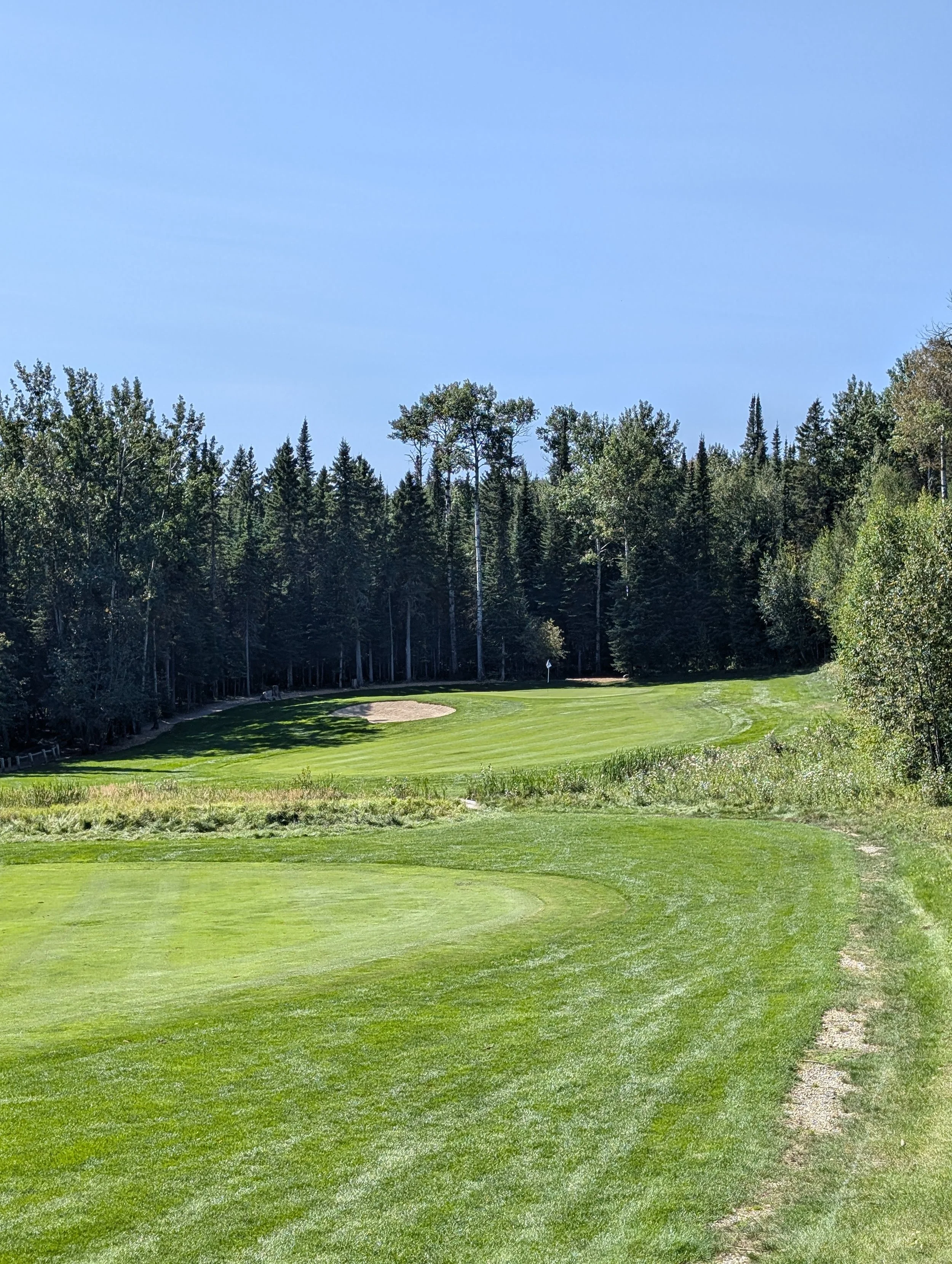
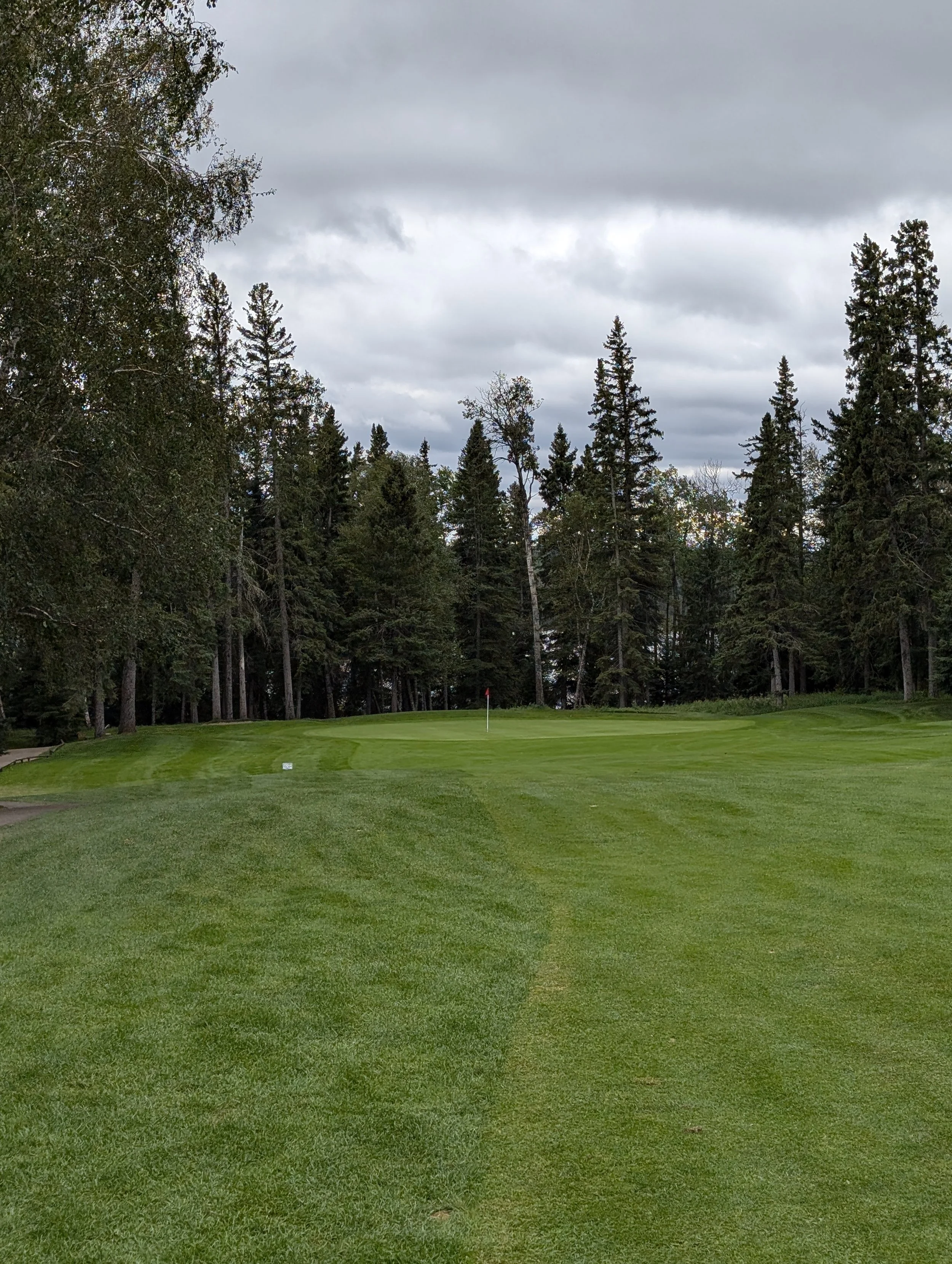
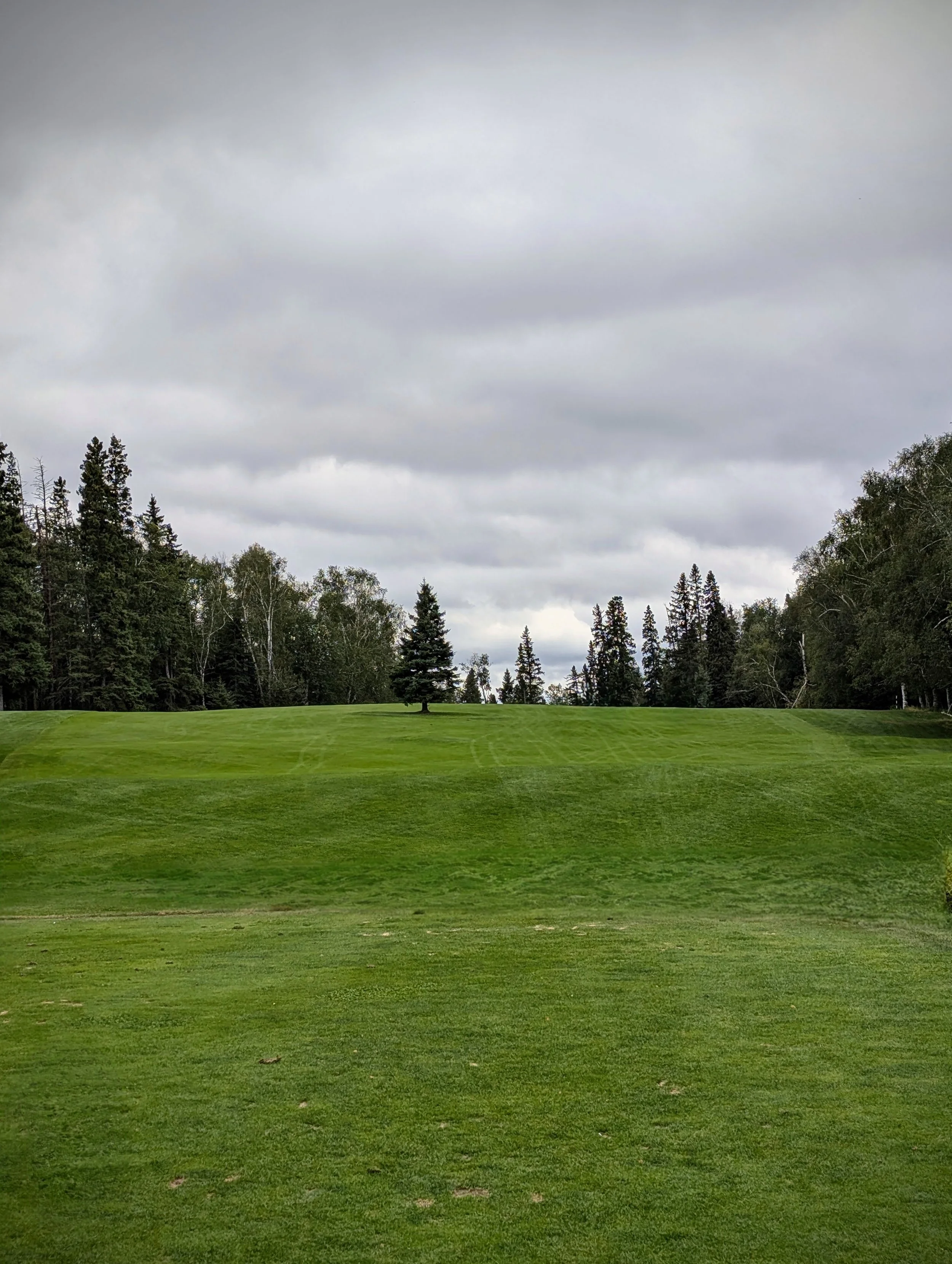
Located in Prince Albert National Park, north of the prairies in a beautiful section of boreal forest, Waskesiu is a revelatory journey through the dense forest on the south end of Waskesiu Lake. Known to locals as the Lobstick golf course, named after the lone pine in the middle of the first fairway. Which is traditional native navigational marker, created by lopping off a series of branches in the top third of the tree. Here the likes of former club champion Gordie Howe (1954), and a former employee in young Johnny Bower!
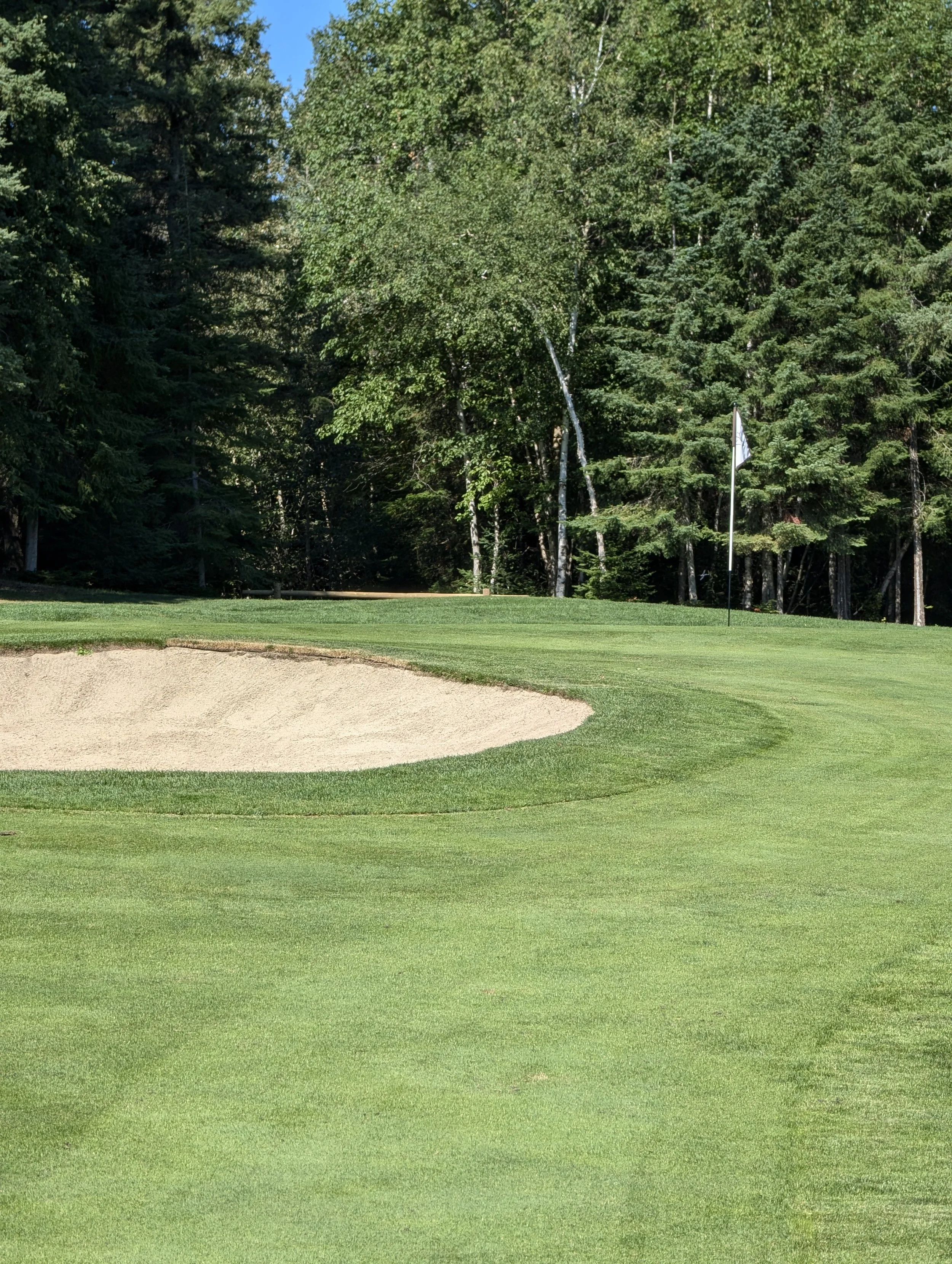
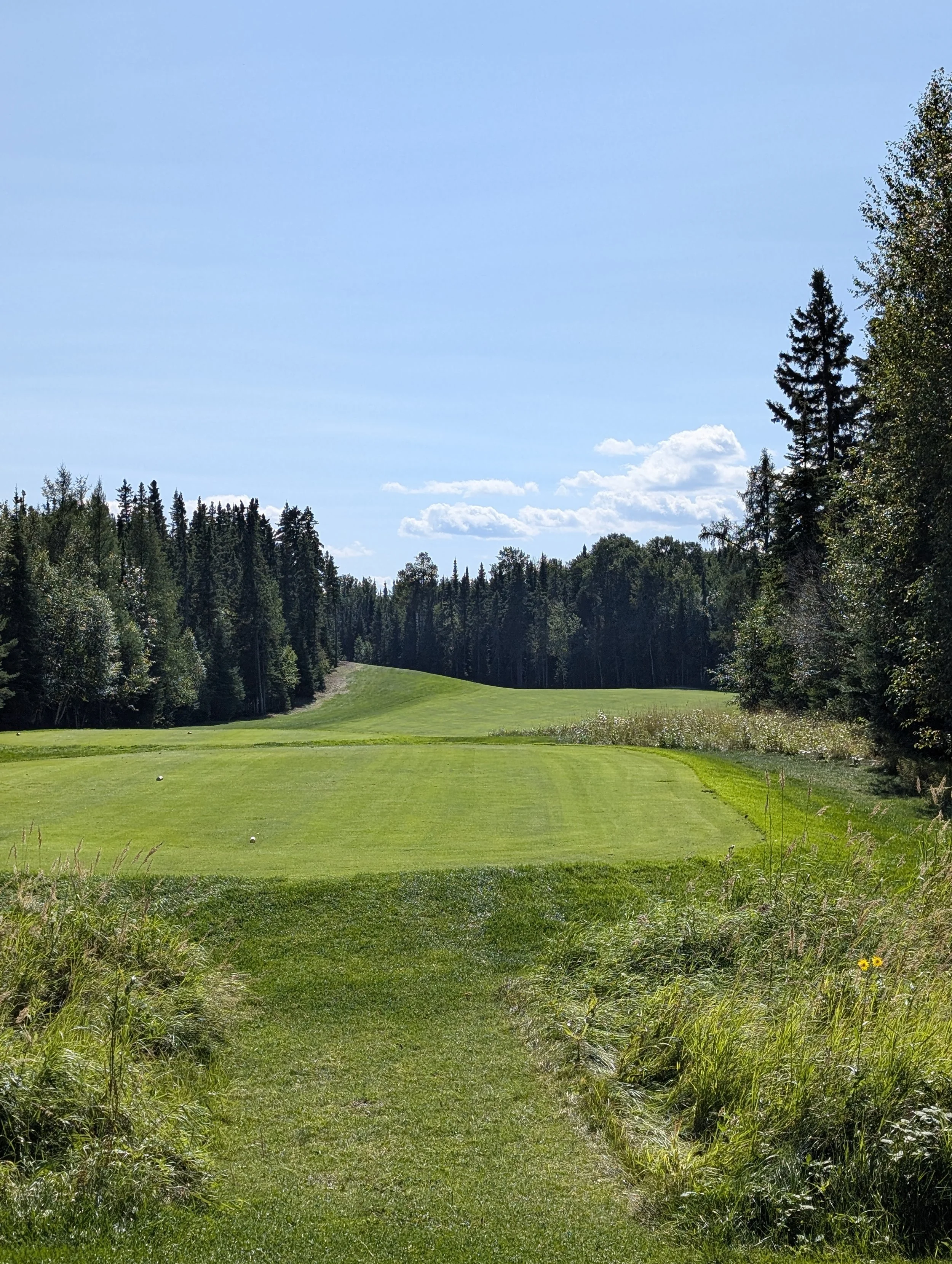
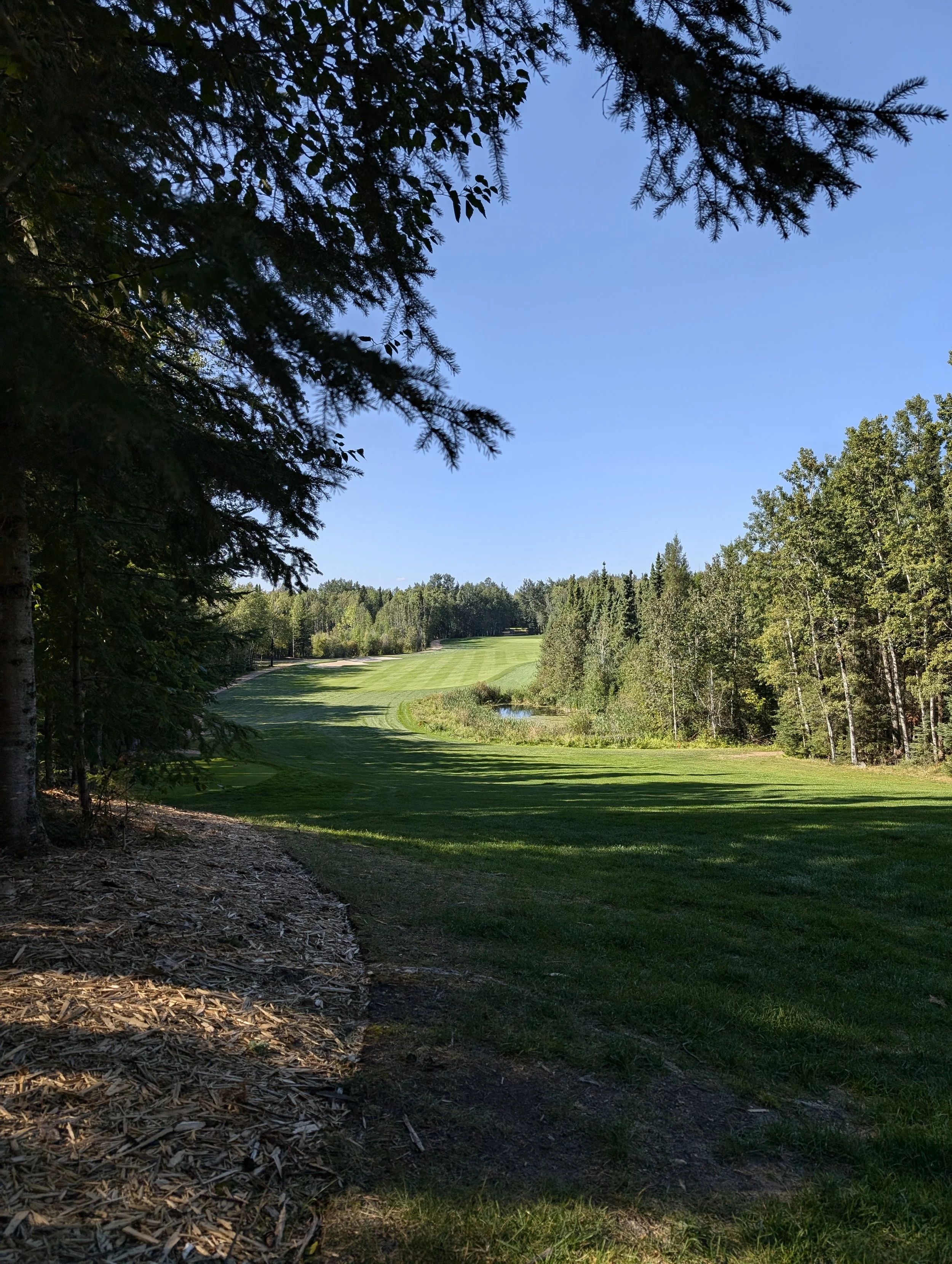
Set against a backdrop of majestic forests and pristine lakes, Waskesiu offers a distinct contrast to the other courses we’ve noted above. It’s a course where the beauty of the Canadian wilderness and the thrill of golf exist in perfect harmony.
The landforms are completely unrestrained. Hardly any land was moved back in the 1930’s when it was initially developed for golf by park engineer J.H. Atkinson and superintendent J.A. Wood. While there is some debate about the exact role Stanley Thompson played in the design, he is often credited alongside Atkinson. The natural beauty and topography of the land are the true stars here, with the course showcasing a remarkable variety of holes that highlight the diverse landscape.
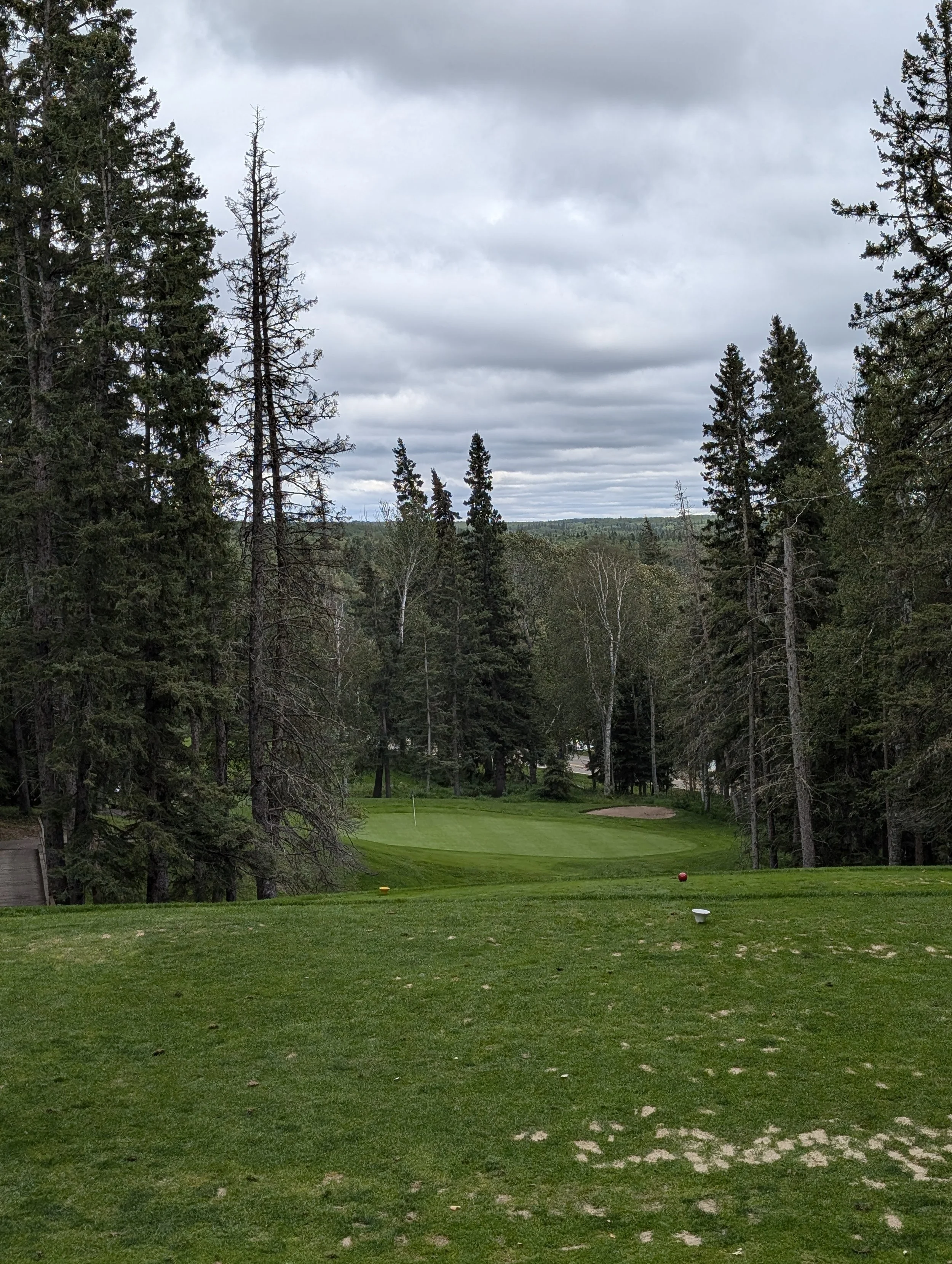
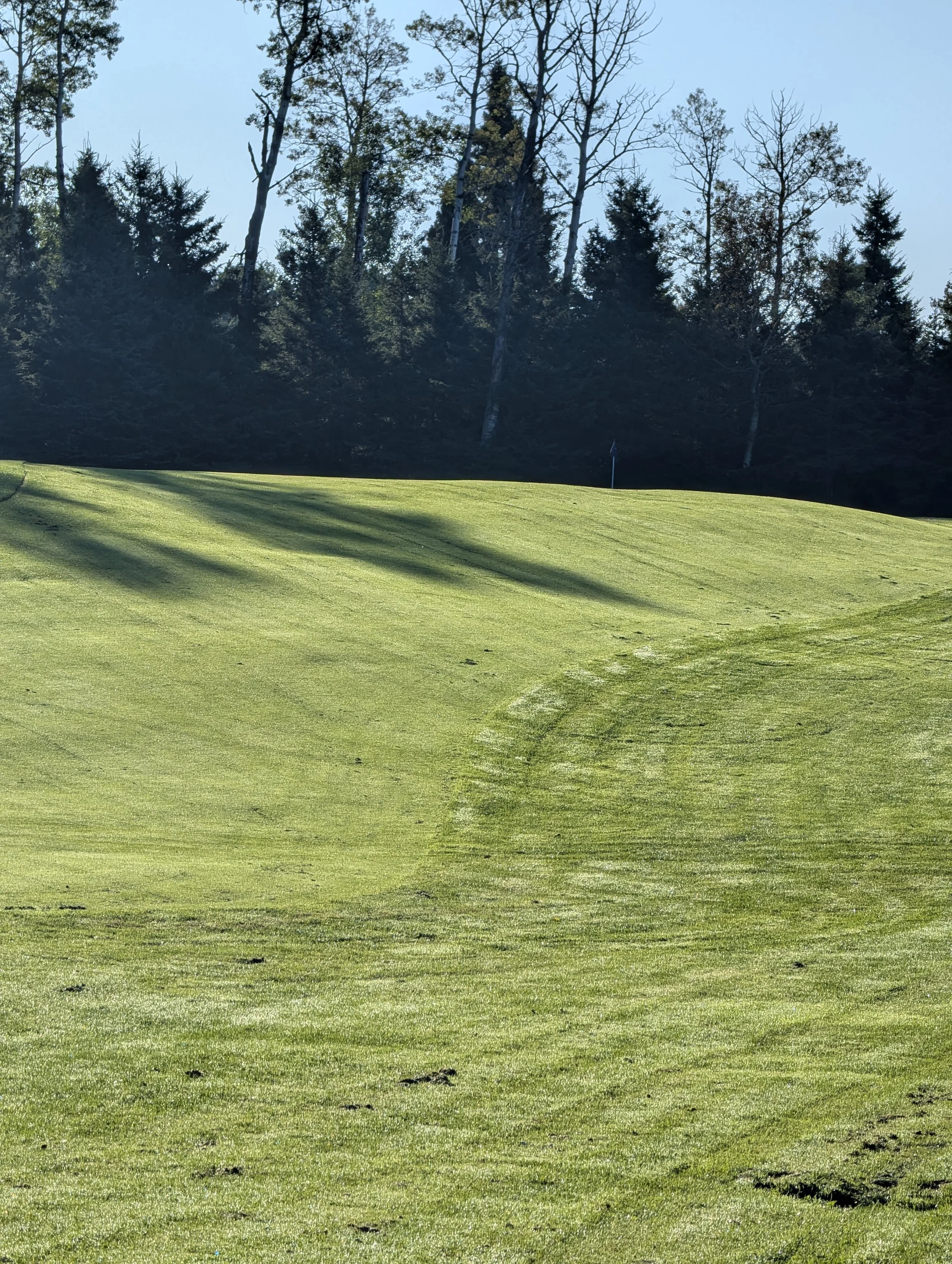
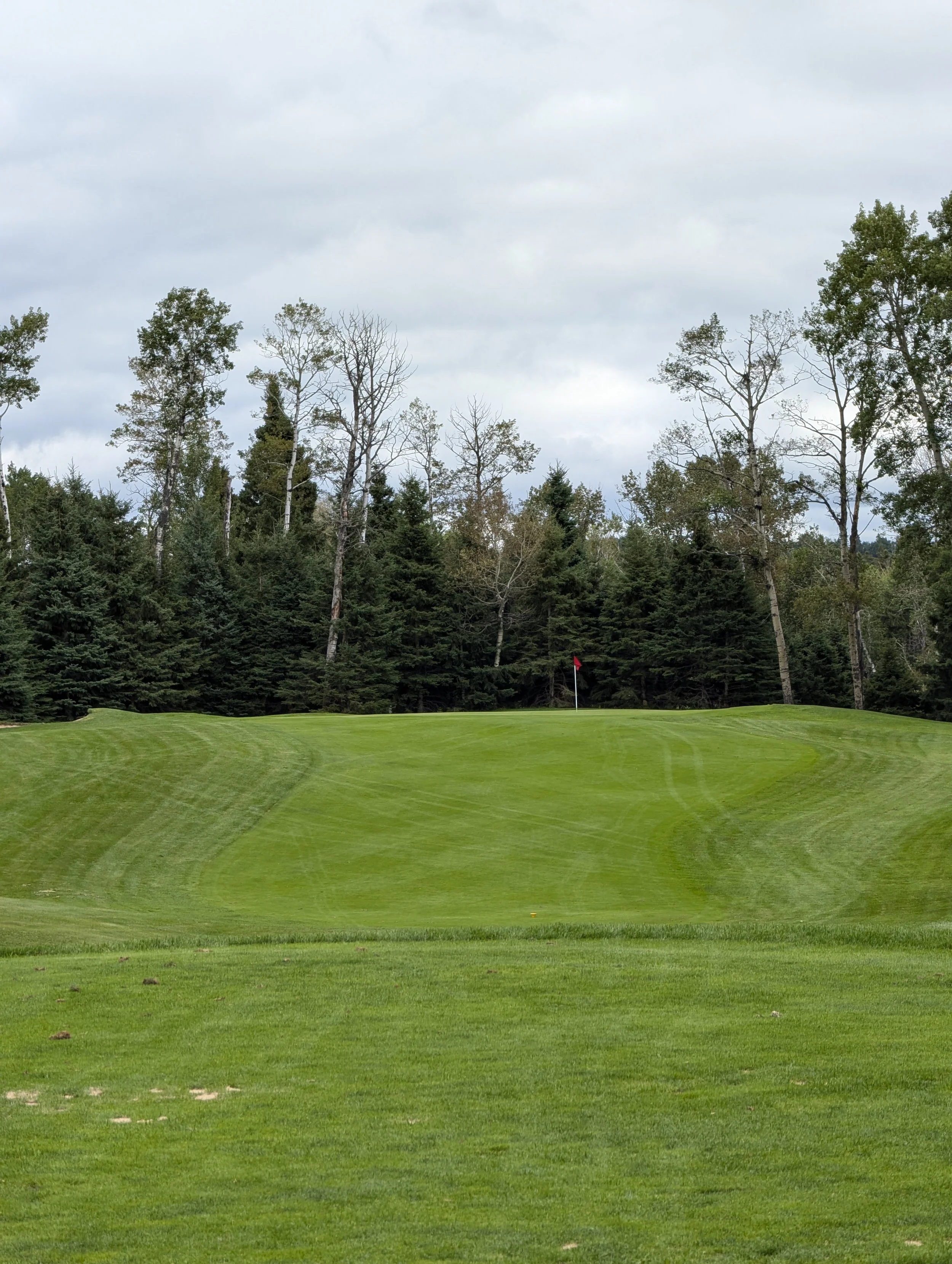
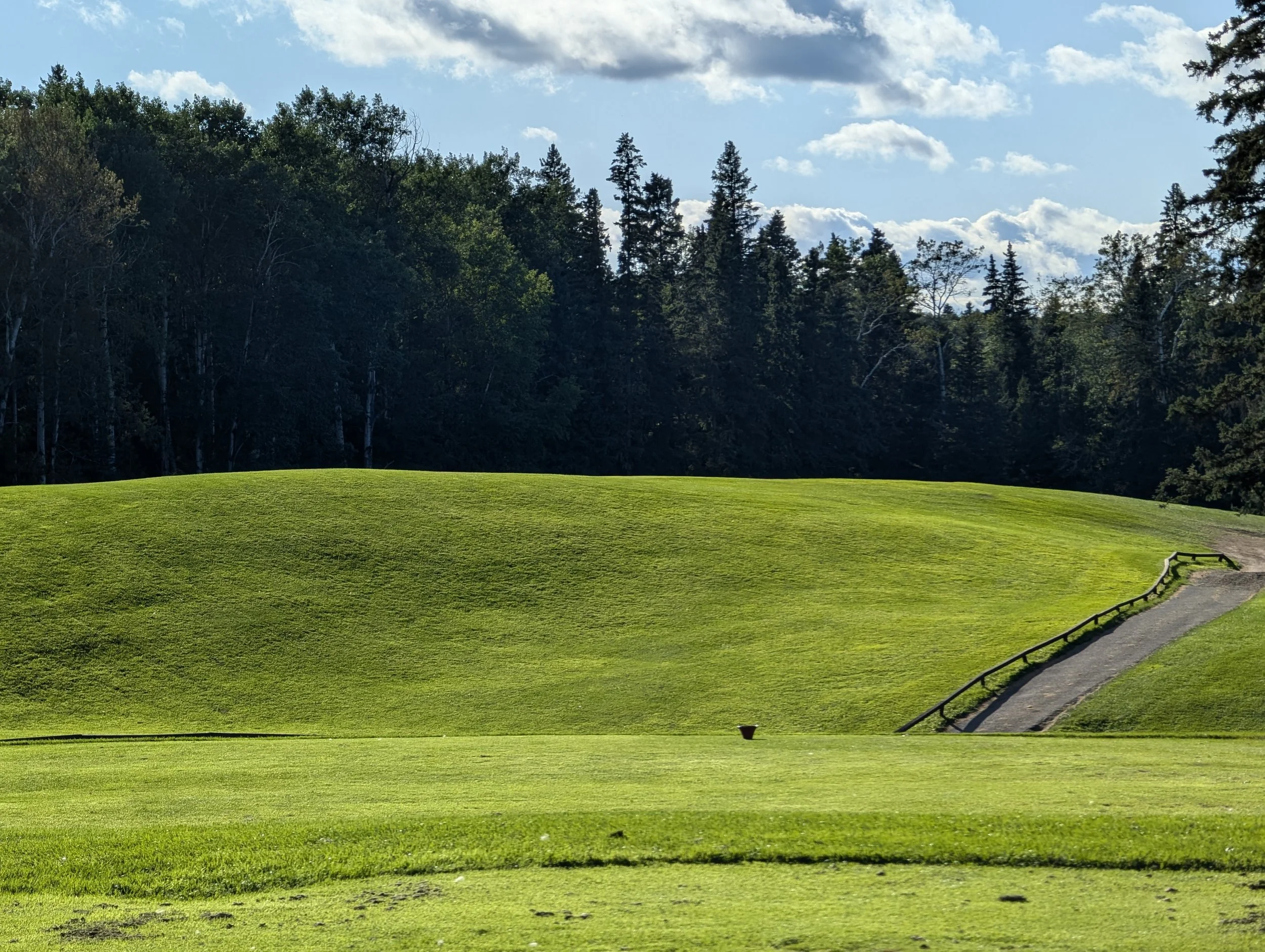
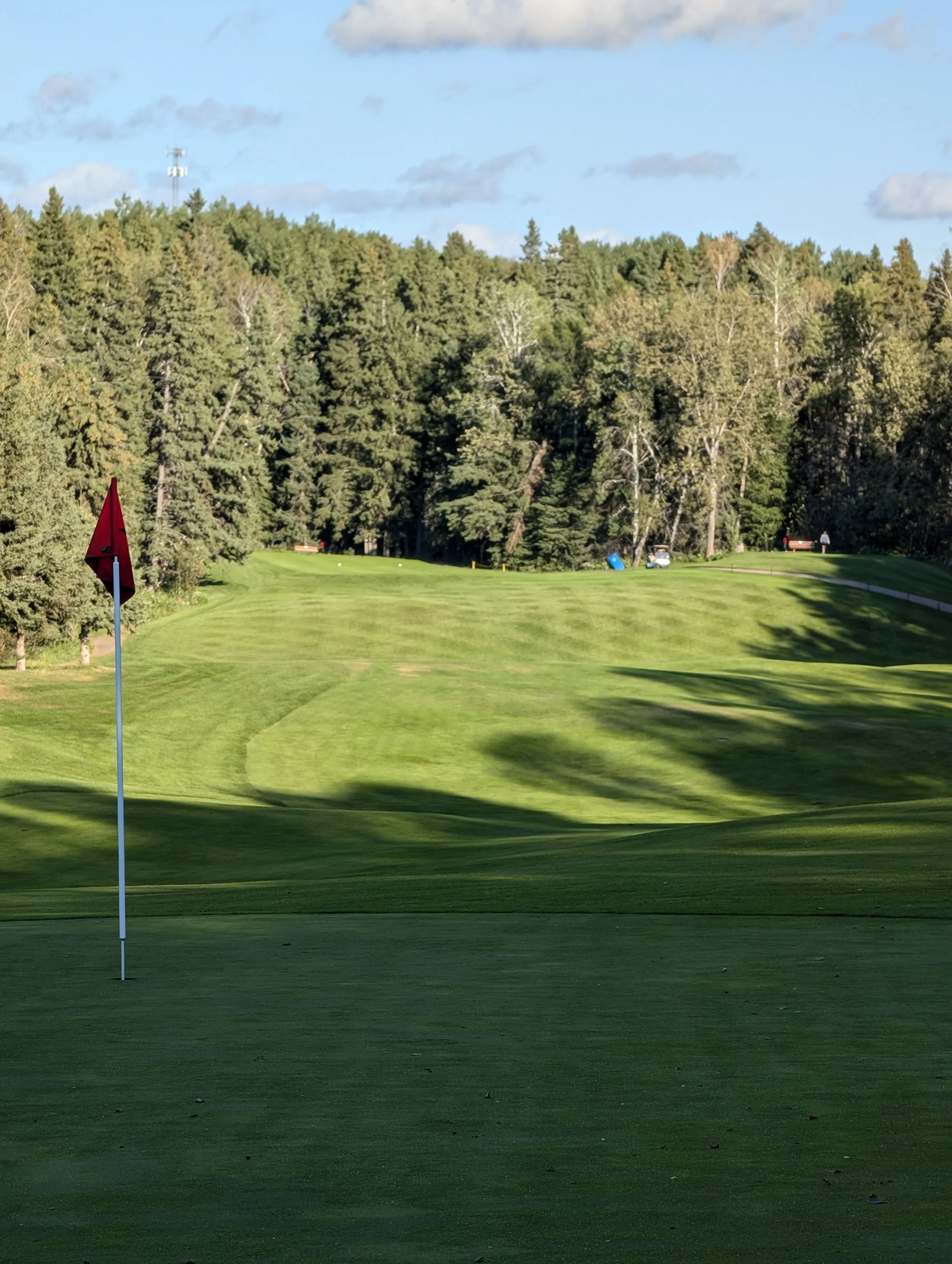
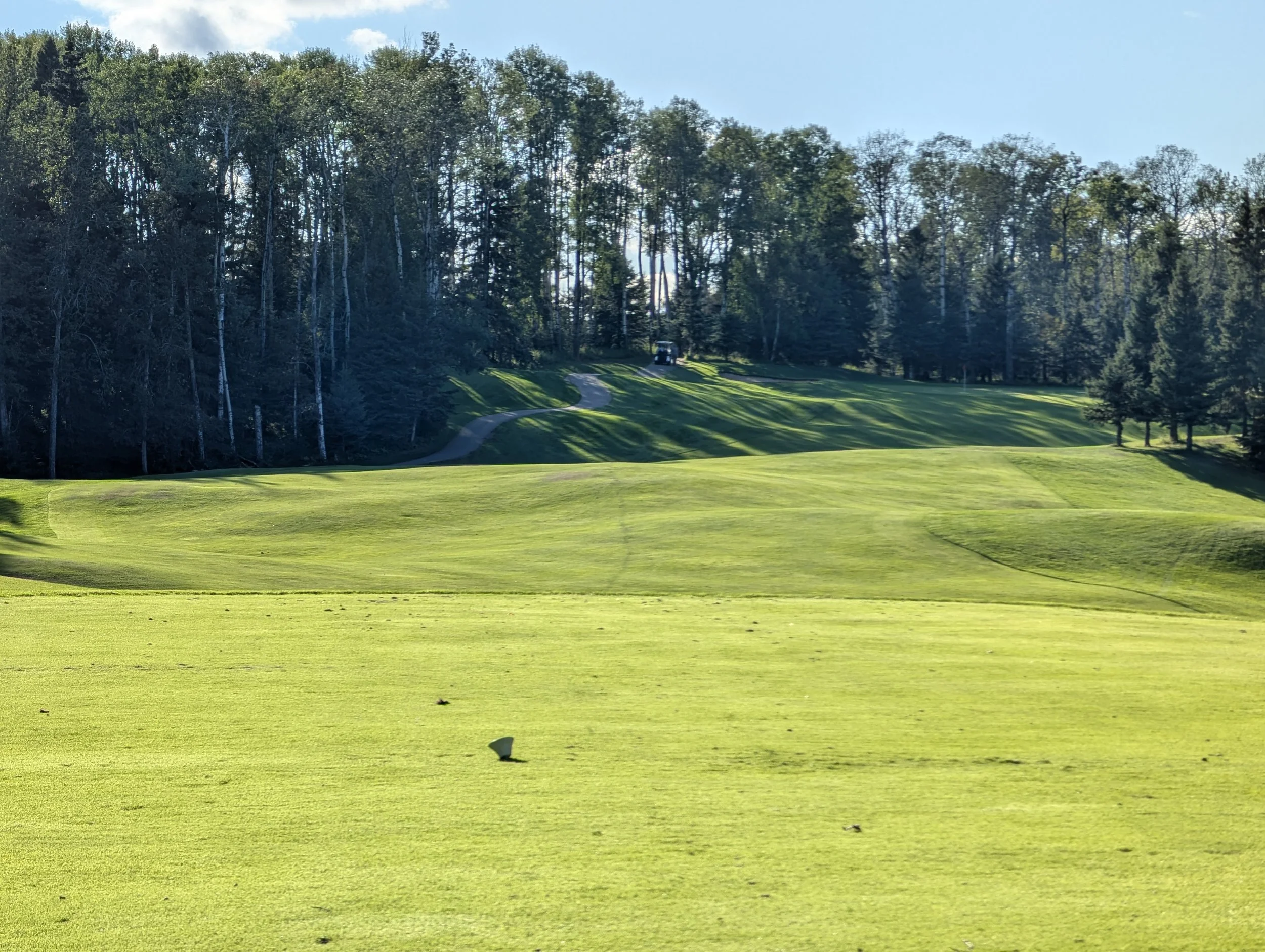
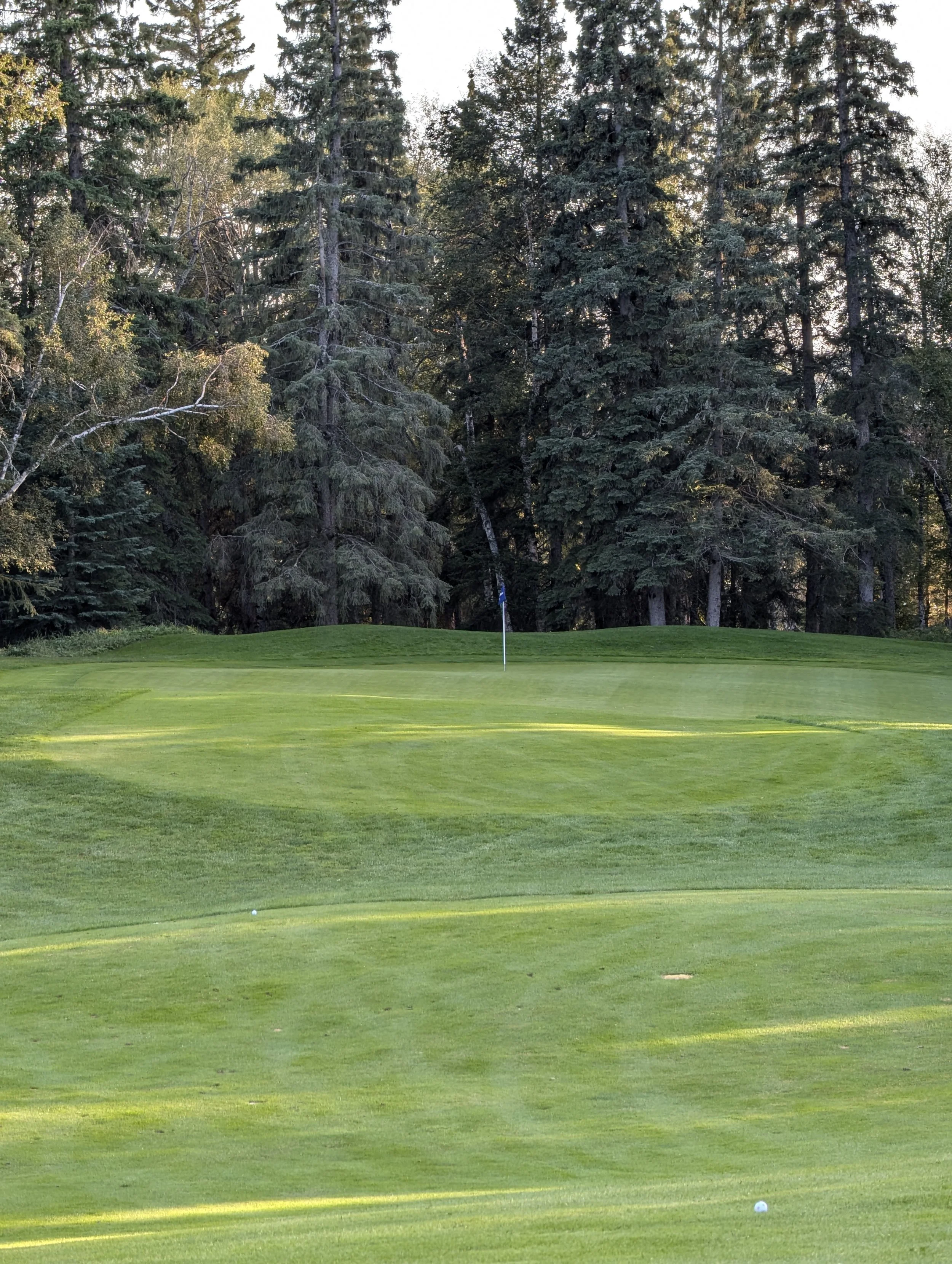
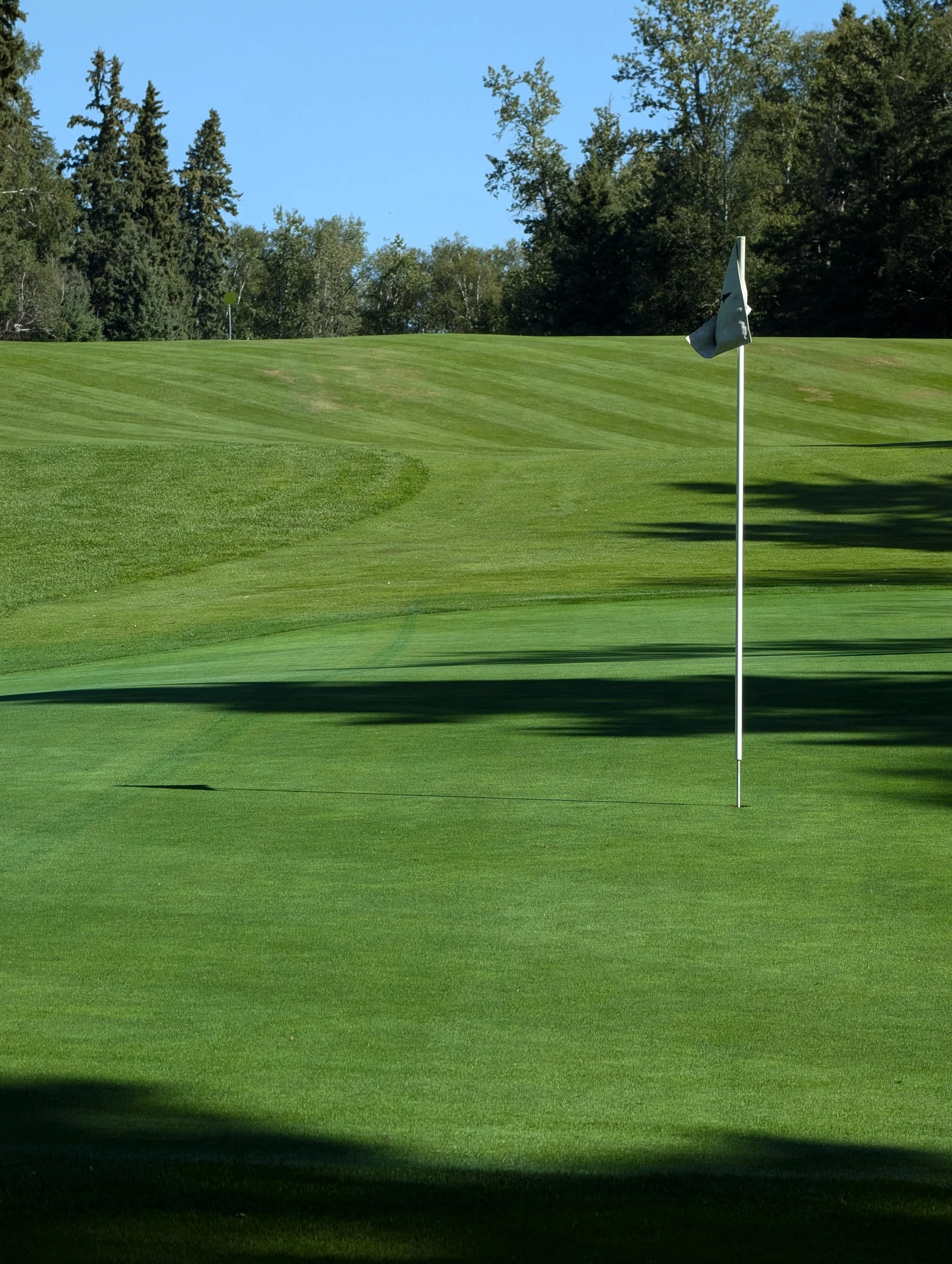
Unlike many courses where downhill holes dominate the excitement, Waskesiu’s ability to feature equally thrilling uphill, downhill, flat, and everything in between is one of its standout characteristics. The long par-3 4th, for example, presents a daunting carry over a valley to a green set on a knoll, amplifying the visual trickery from the tee.
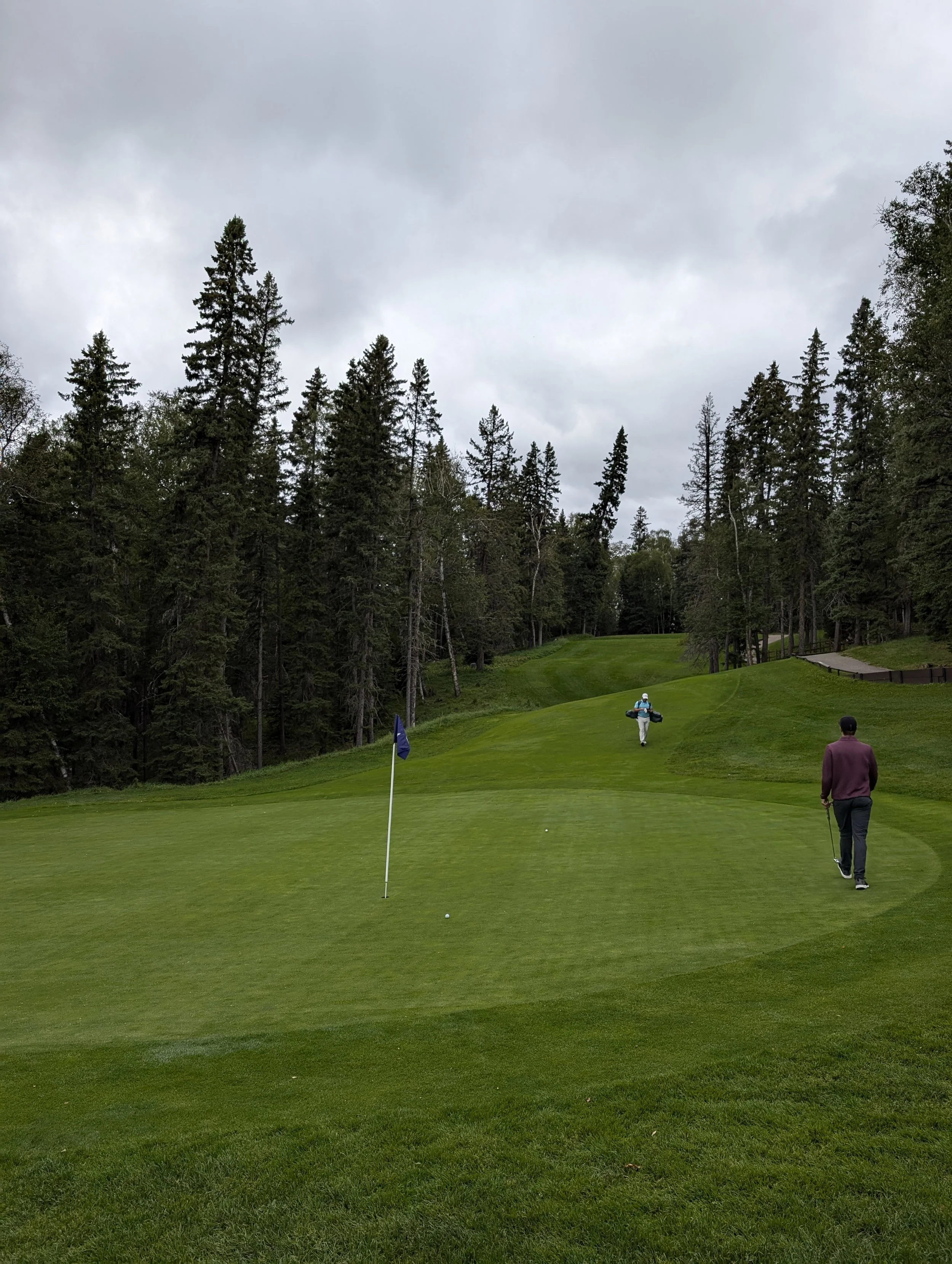
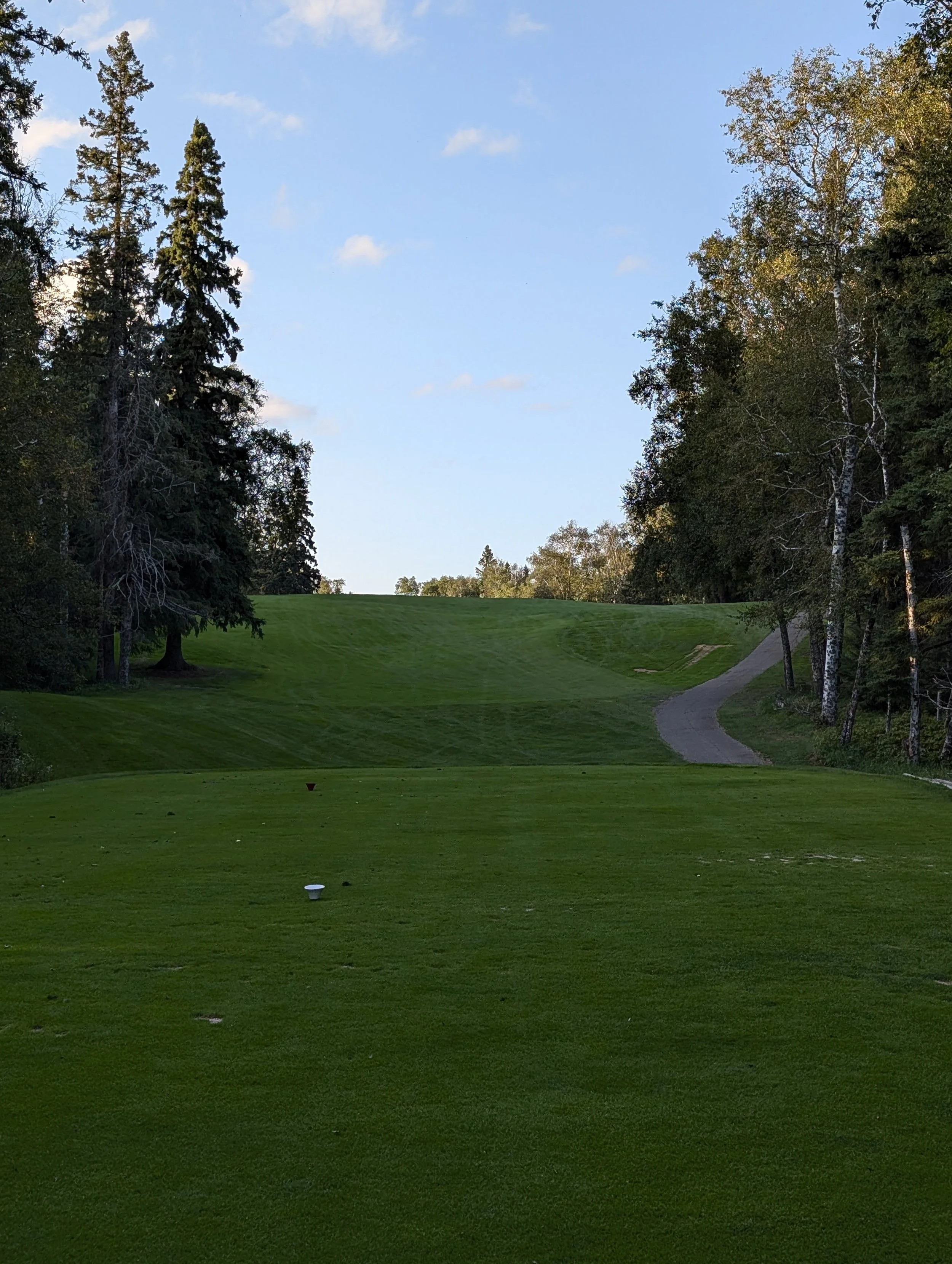
Or the sweeping par 4 11th with its tee shot up and over the crest of a hill to a blind landing area full of rollicking contours, then playing drastically downhill towards a green tucked into the grade with a severe amount of slope in the front left falling towards the back right.
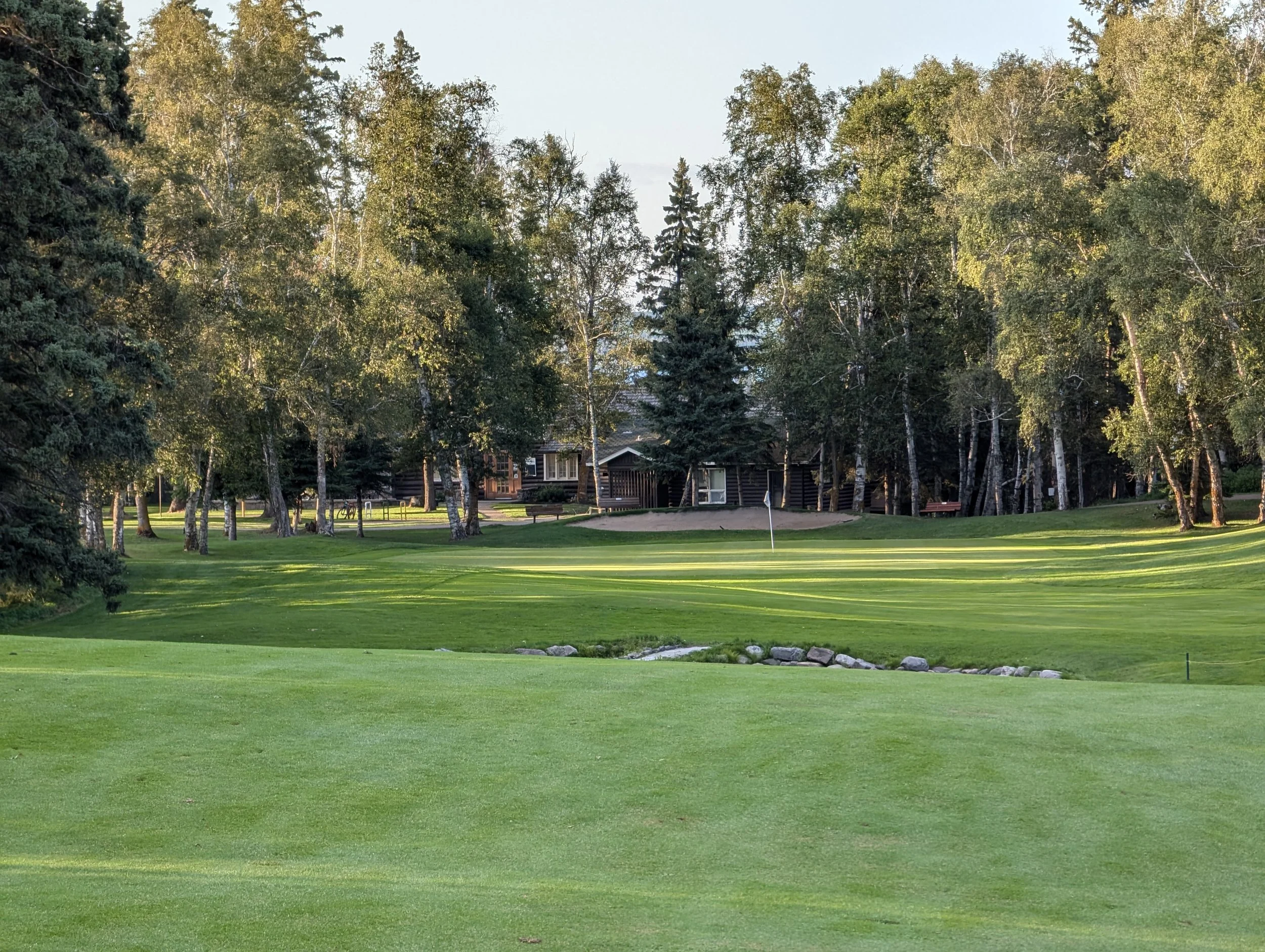
And that doesn’t even begin to touch on the brilliance of other holes like the par 3 2nd - an attractive 135-yard drop shot to another green tucked on grade running away from the golfer. The details in the fairways and greens are challenging to capture in photographs. Those who have been will know how intricate the details at Waskesiu really are.
The rumpled terrain of the dogleg left par 4 3rd - the lively fairway sits canted away from the golfer on a diagonal, with strategic importance placed on being up the inside of the dogleg for a shorter shot into the elongated sloped green. At the 8th, a hole named “Mae West” named after Hollywood starlet of the same, a long and snaking par 5 has been named as one of Canada’s best golf holes by Architect and Stanley Thompson historian Ian Andrew.
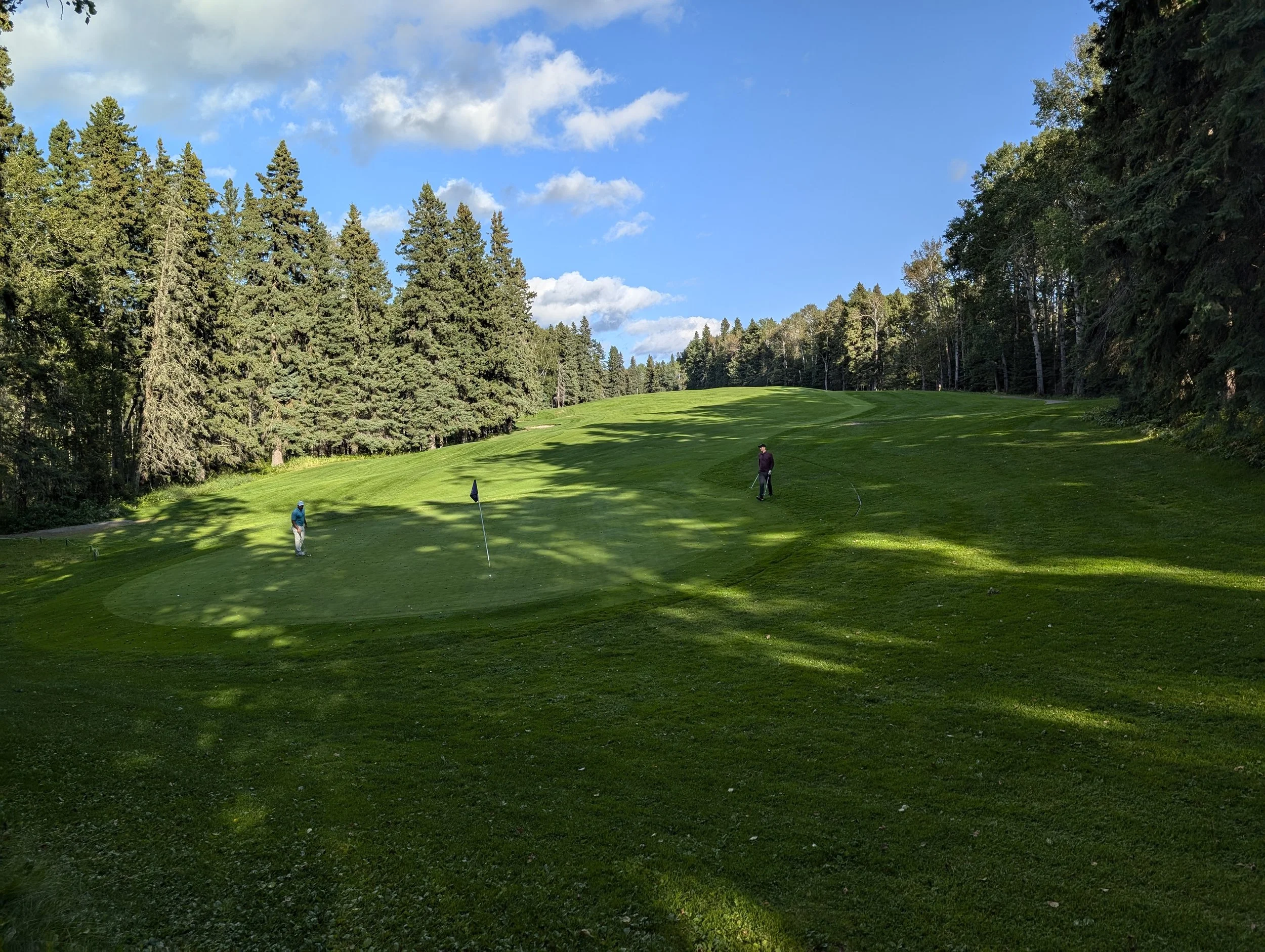
The par-4 17th, a deceptively short 310 yards, is another underappreciated gem. The tee shot plays to a blind landing area, and the closer you approach the green, the more challenging the lie becomes. The rambunctious green complex, full of slope and dramatic fall-off to the right, demands precision to avoid tough positions.
Let us not forget the 18th - a final heroic blind tee shot up and over the crest of the hill. The approach carries the out of place water feature to a green sloping front to back.
The variety provokes the senses of adventure, creativity, strategy, heroism, and most importantly fun. Despite the hilly terrain, the course is highly walkable, and walking is truly the best way to experience the course in all its glory.
Given the strict regulations governing businesses within national parks, it’s remarkable that a course like Waskesiu exists in such pristine form today. The fairways are wide, the turf conditions are exceptional—rivaling Banff as one of the best-maintained courses in a national park. Were Highland Links to feature the same wide corridors and turf quality, it would likely be debated as a candidate for global Top 100 rankings. To be considered among Canada’s best the difference is often in the architectural details. Waskesiu’s terrain is simply incredible for golf and the green complexes, with many set brilliantly into the slopes on grade, have been masterfully executed and preserved with care.
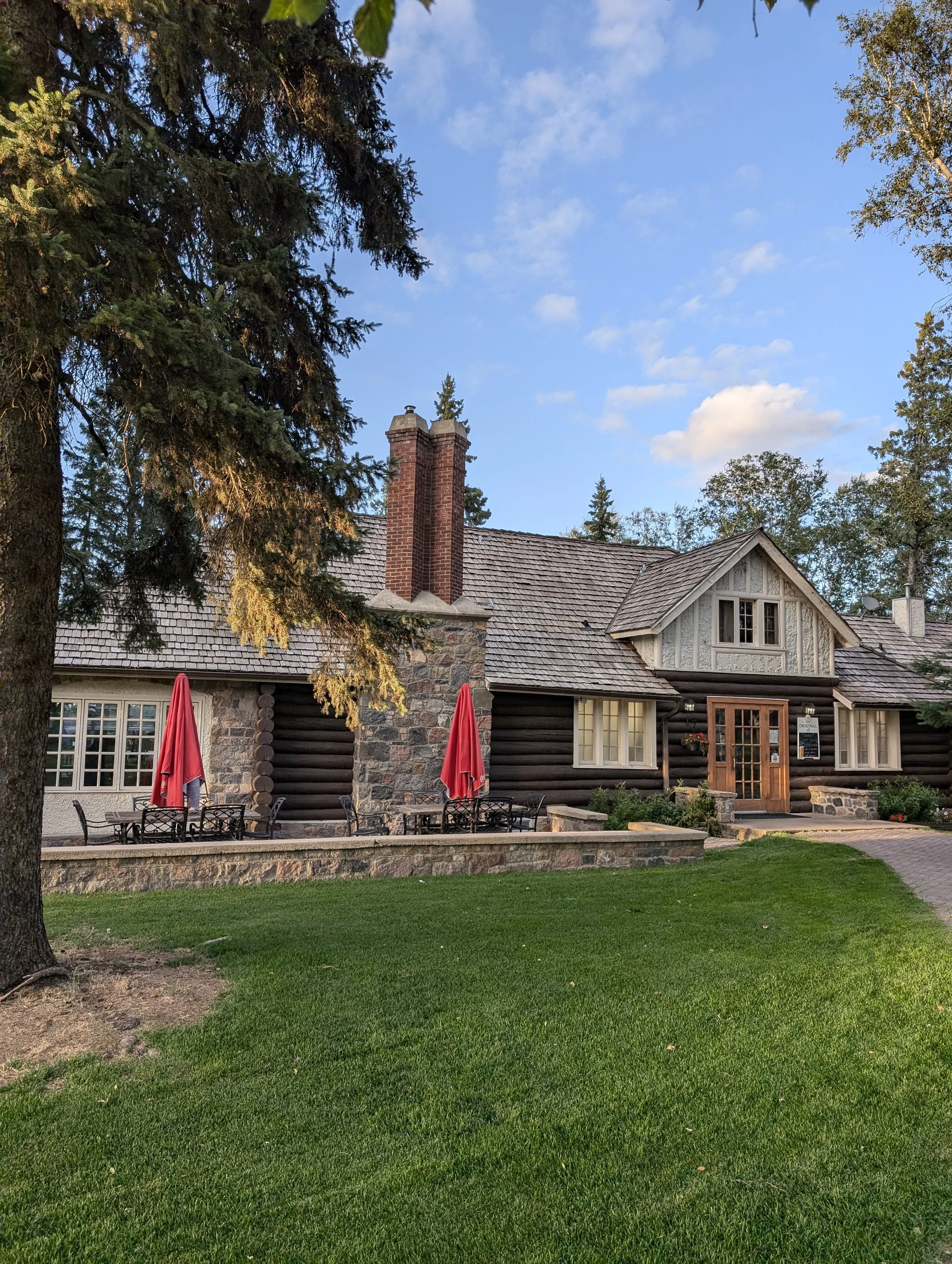
The charming Tudor-style clubhouse now houses Stanley’s pub, an ideal spot to enjoy a pint and a bite following your round. Be sure to browse the old photographs of the course; they offer a glimpse of views of the lake that are no longer visible from the course itself. While the lake is now largely hidden, it would be a treat to see it again, perhaps starting by removing some of the dead trees that dot the property.
Regardless, Waskesiu remains Saskatchewan’s best golf course and solidly ranks among the Top 40 golf courses in the country.
Elk Ridge
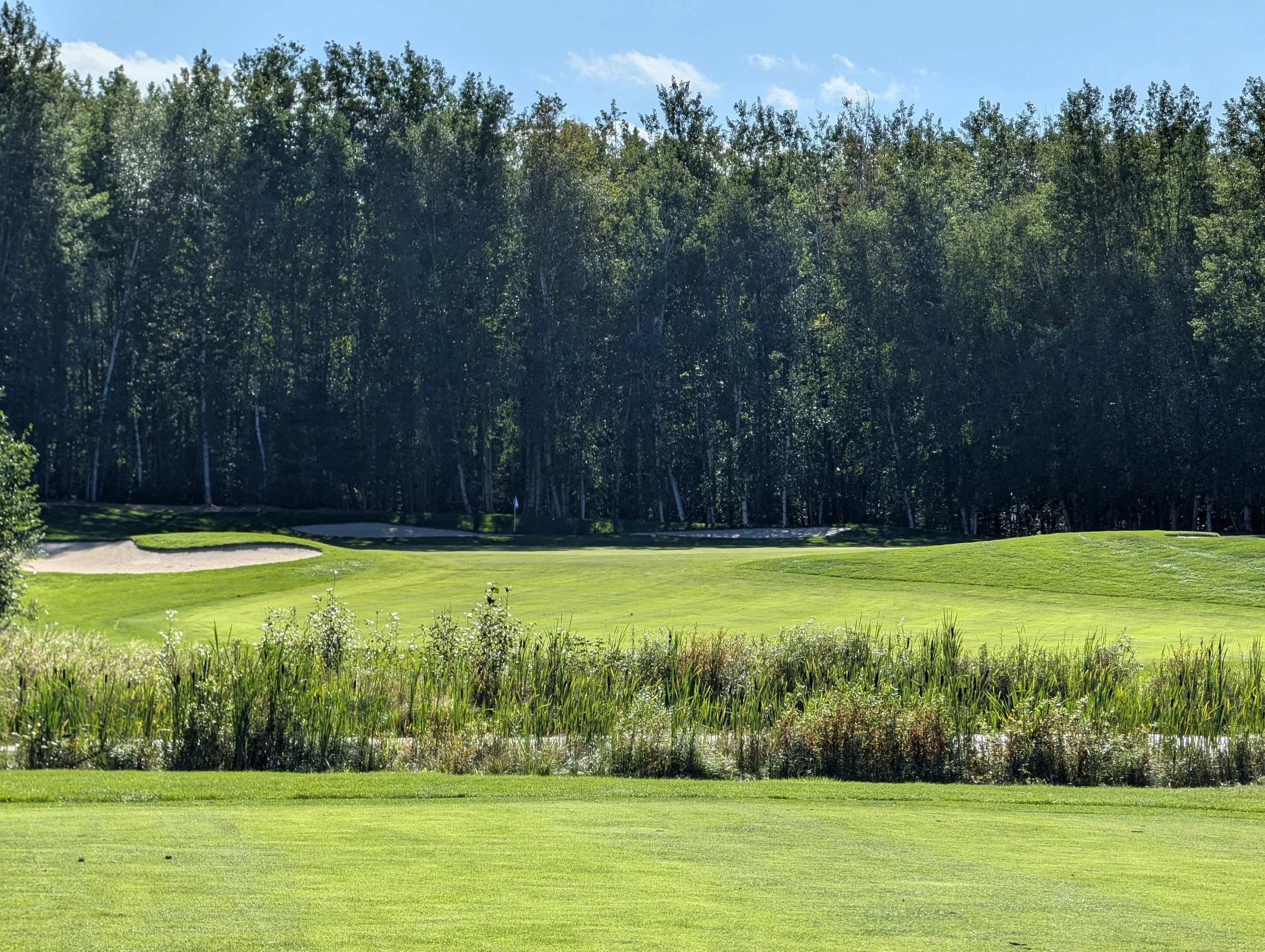
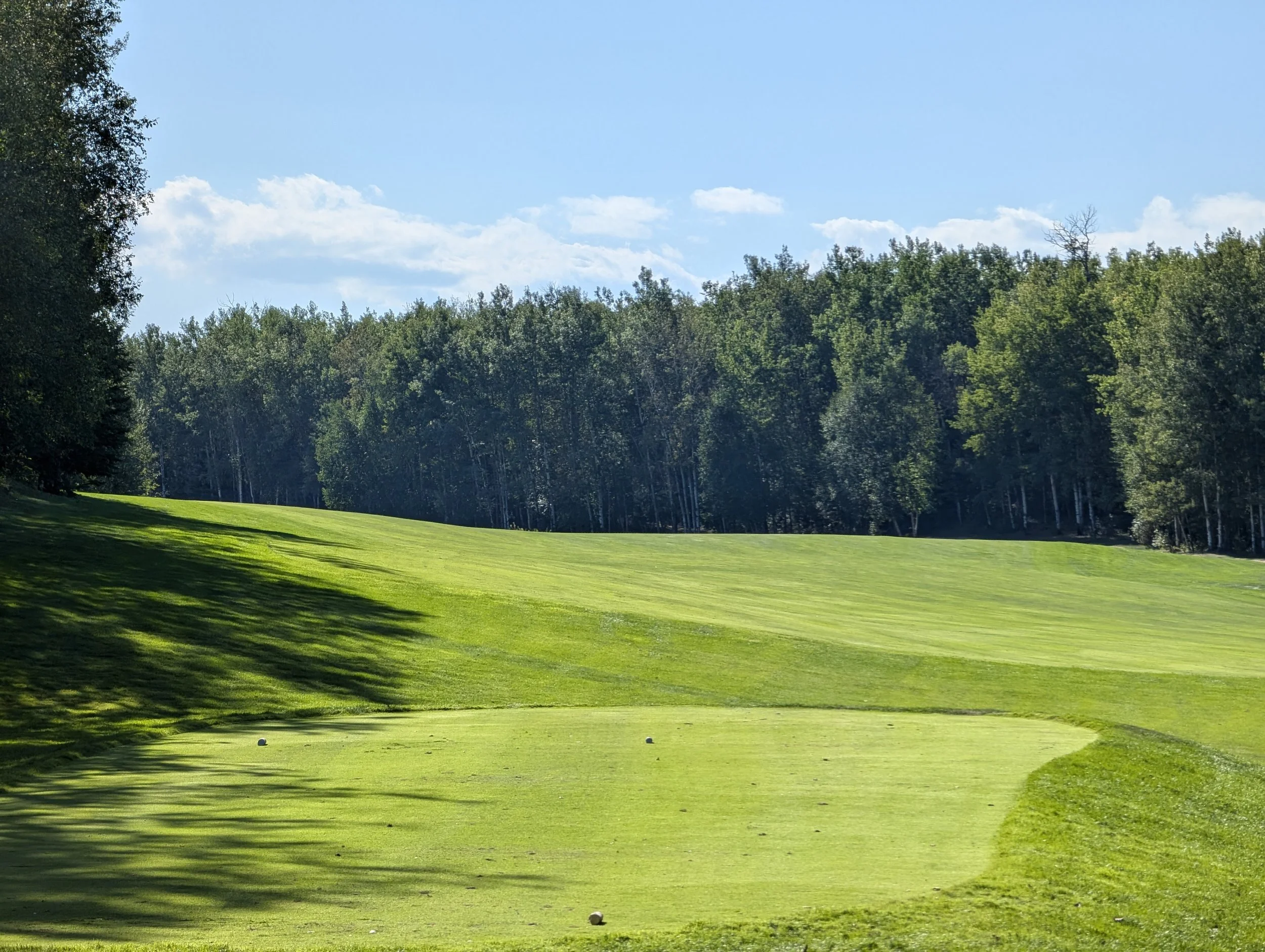
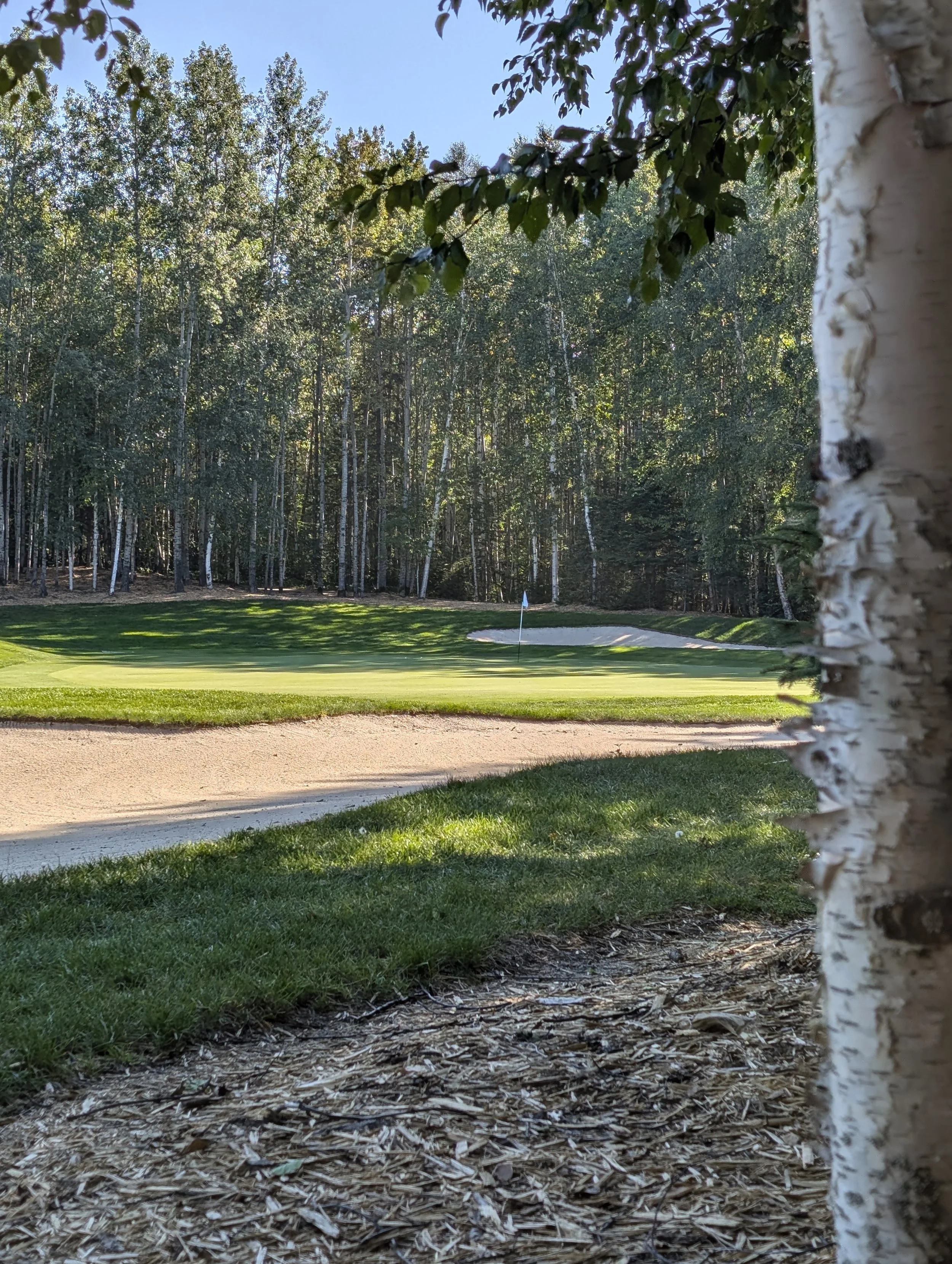
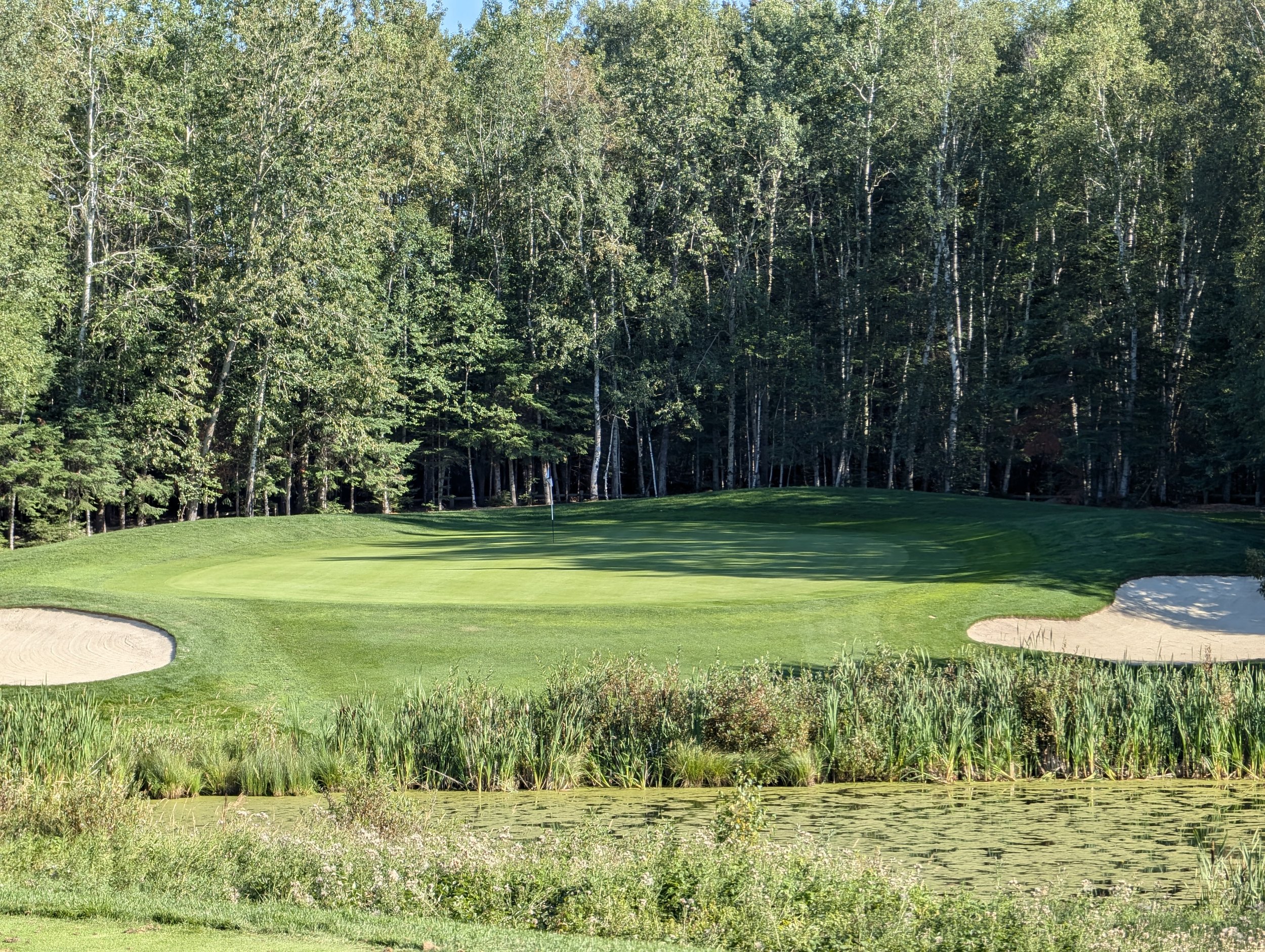
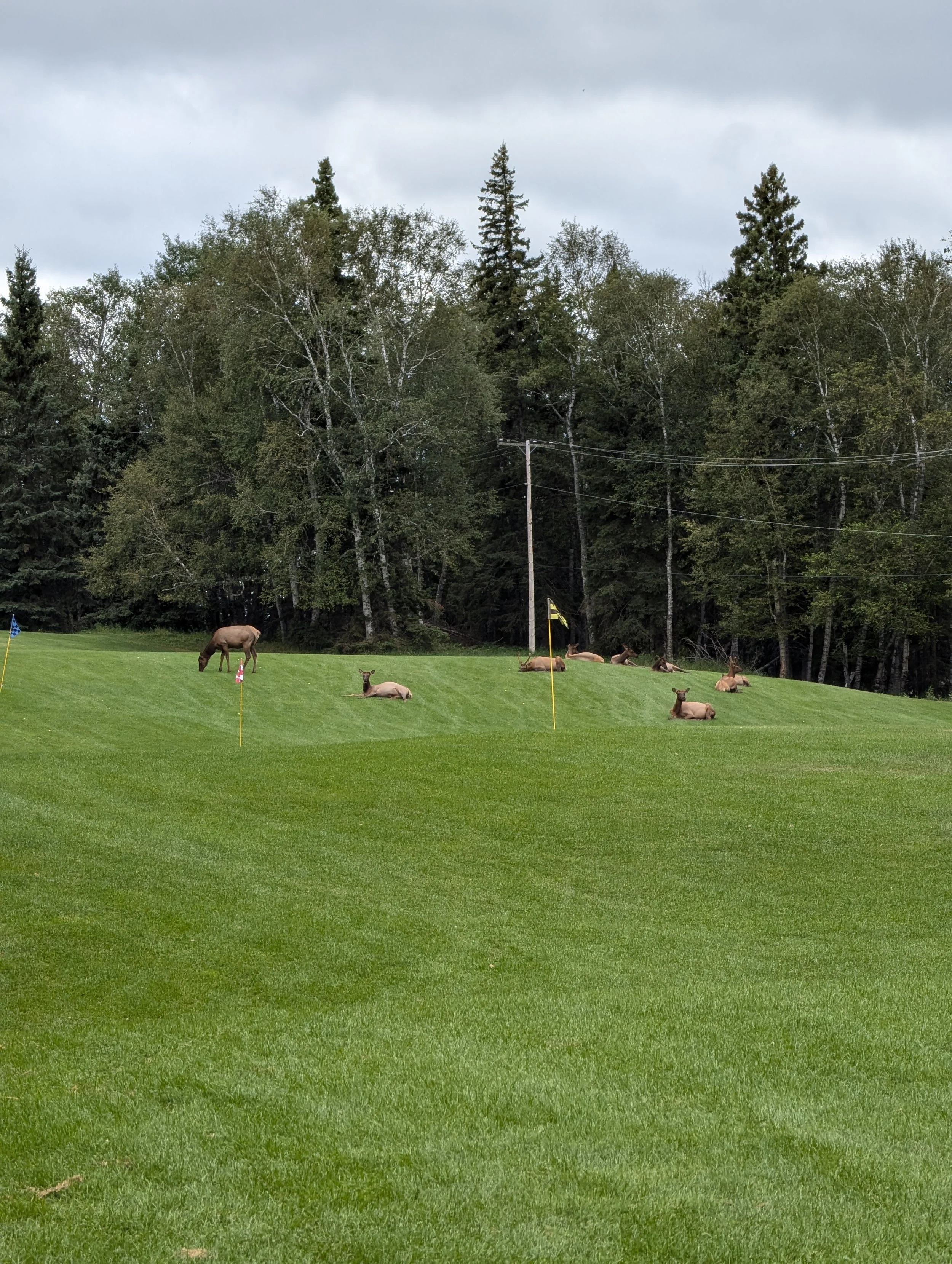
When planning a golf trip, it’s essential to find courses that are conveniently located and offer good accommodations. Elk Ridge Resort is an ideal compliment for a golf itinerary that includes the must-play courses at Waskesiu and Cooke Municipal. Located just 10 minutes outside the park, Elk Ridge offers excellent accommodations along with 27 holes of golf to round out your experience. The Birch/Aspen 18-hole routing, designed by Bruce Klassen in 1993, plays host to PGA Tour America's Saskatchewan event and offers a well-rounded golfing experience.
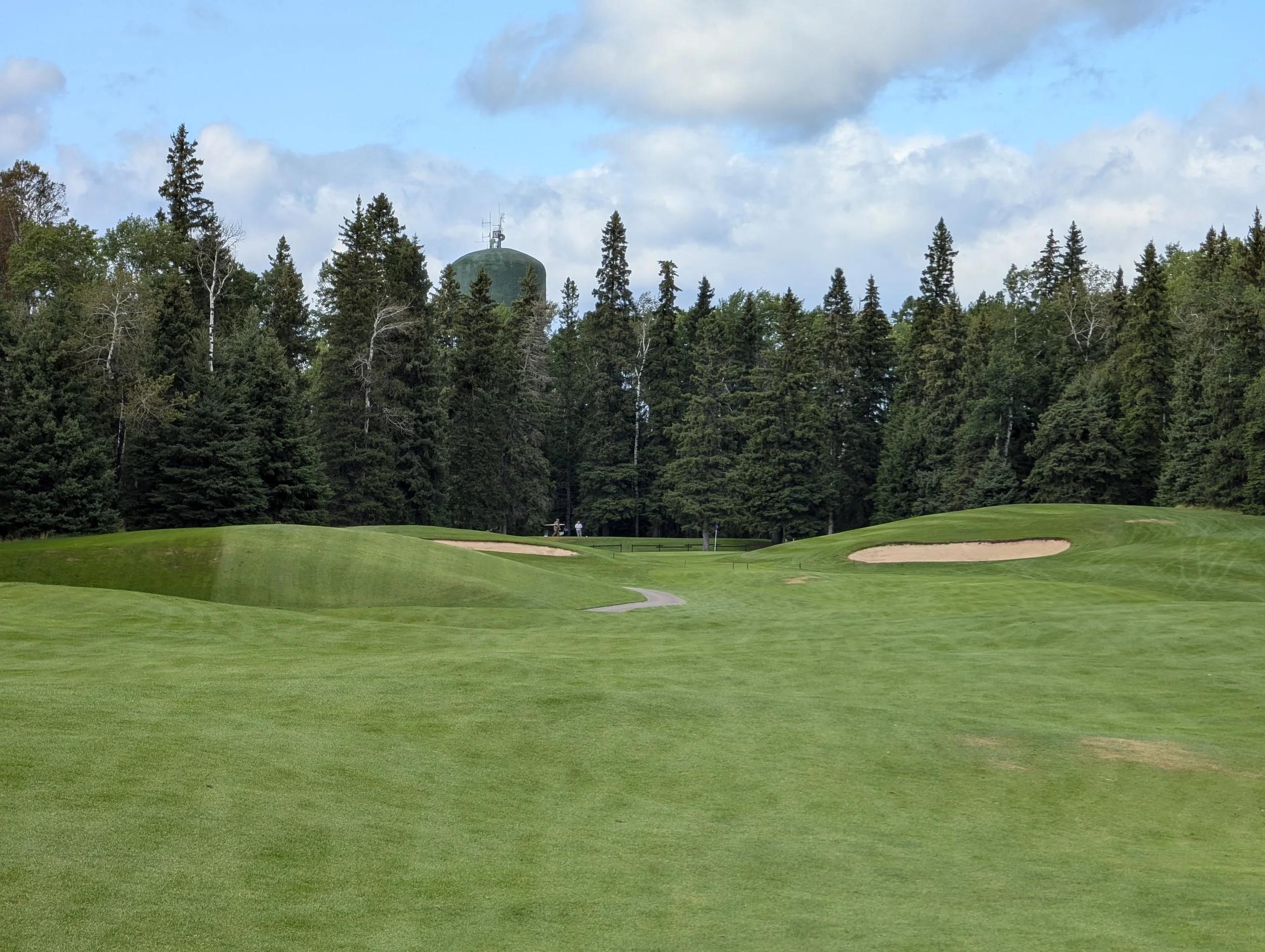
The course winds gracefully over the hilly terrain, providing golfers with picturesque views and scenic landscapes throughout the round. The wide, tree-lined fairways and large greens make the course approachable, while water hazards, valleys, and off-camber fairways add strategic complexity to the layout.
The Birch nine is the more picturesque of the two. Throughout the round, you’ll encounter a mix of beautiful vistas and challenging elevation shifts that remind me of Ontario’s Muskoka region. Including a signature view from the second tee overlooking the lodge and a tranquil pond. The course’s adventure begins at the 600-yard par-5 1st hole, where players must navigate a series of elevation changes and uneven lies. The short par-3 8th, crossing over a pond, offers a dramatic shot to a green framed by water. While there are plenty of birdie opportunities, stray tee shots can easily find thick trees, requiring a delicate balance of distance and accuracy to score well.
While Elk Ridge is unlikely to crack a Top 100 list without significant architectural changes, it should certainly appear on a provincial/regional list. The course offers an enjoyable parkland layout and is a perfect spot for those looking to complement their rounds at Waskesiu and Cooke Municipal, with a convenient overnight stay near the National Park.