Canada’s Best Municipal Golf Courses
In a country where the off-season can feel like a lifelong sentence of shovelling snow, Canadians are surprisingly obsessed with golf. With over 2,400 facilities golf isn't just a pastime here; it’s a leader in sports participation. While the golf courses themselves are mostly operated in a private sense - either publicly accessible by private ownership, or private clubs with limited or no outside play available - a key foundational piece of our established of Canadian golf lives on our municipally owned properties.
That raises a central question. What exactly constitutes a “Muni”? They are a gathering place for locals that most often embody the soul of neighbourhoods they reside in. As a result the golf courses on this list must be owned by a municipality or regional administration. For example, the Federal government owns Highlands Links on Cape Breton Island, and for the purpose of this piece, these properties are excluded.
1) Lakeview
Mississauga, Ontario | Herbert Strong (1921)
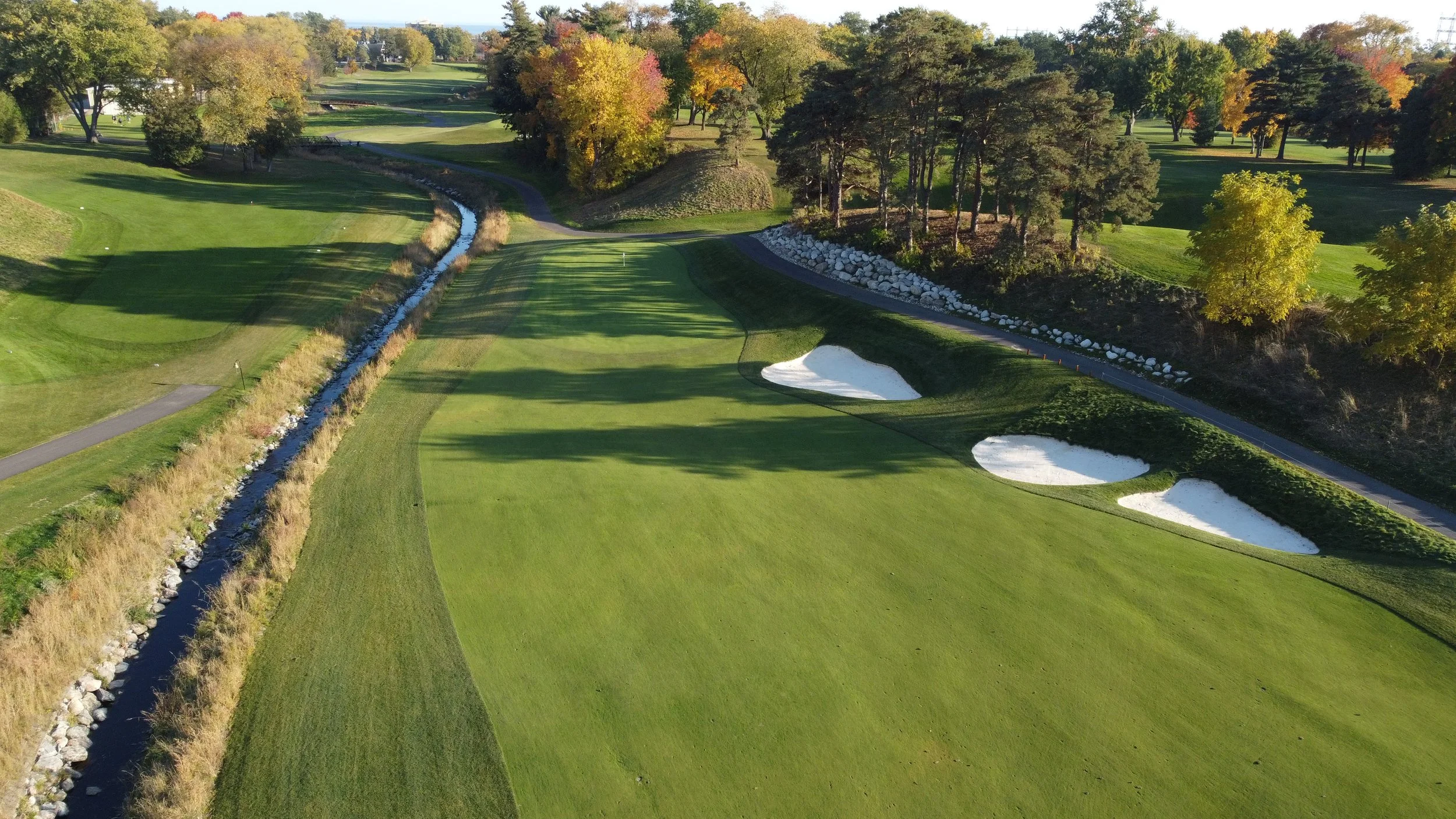
Widely considered the best municipal golf course in Canada, Lakeview holds the top spot on our list. Designed by Herbert Strong in 1921, Lakeview was featured as the 1923 and 1934 Canadian Open host. A recent renovation to Applewood Creek, which cuts through the middle of the property, helped elevate the charming layout upon fully reopening in 2023. By completing this work, architect Cam Tyers was able to restore a number of historical features - including the 17th green and its bunker scheme to grand acclaim.
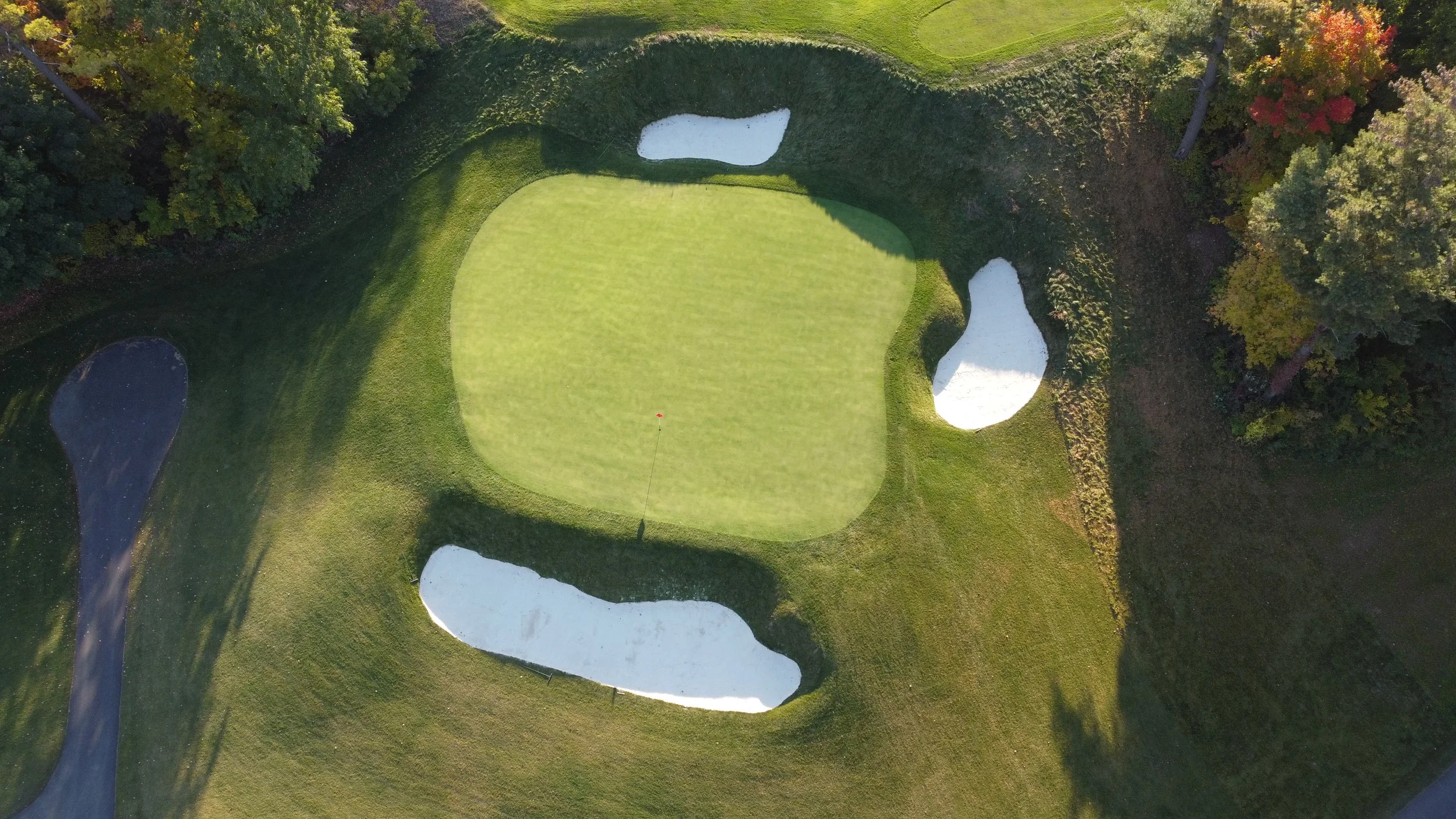
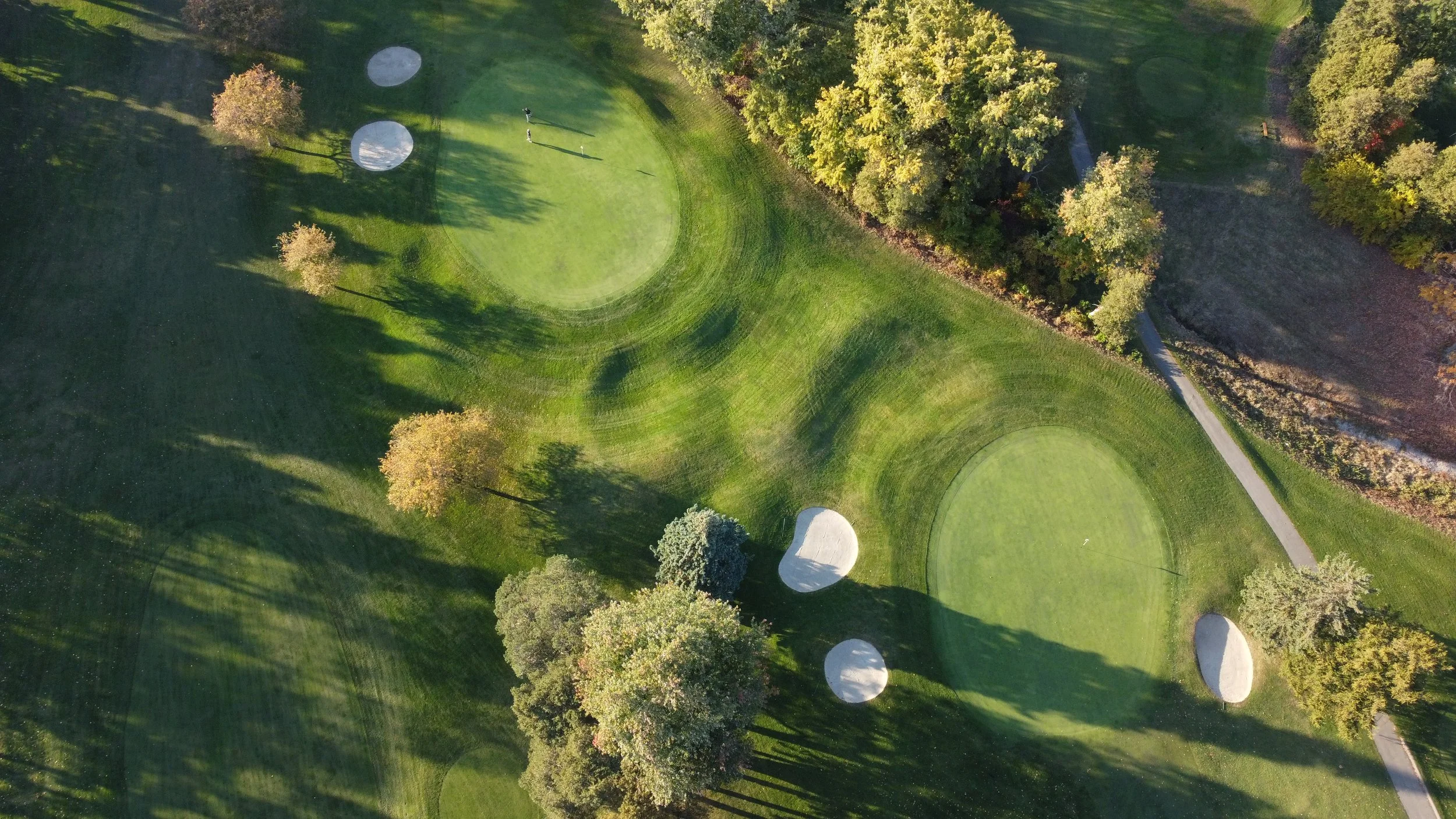
The golf course is considered to have some of the most interesting greens anywhere in the Greater Toronto Area. They are a particularly quirky set, utilizing the grade/slope rather than large contours found at more modern designs to really engage the golfer. Like that of the first green, which has a deep thumb print in the front centre section, or that of the 8th which sits on grade backstopped in a small localized valley, or the brilliant 18th which is benched into the hillside about 20 feet above the fairway.
Lakeview is a rare example of a municipality recognizing that heritage applies to the architectural product as much as it does to the golf course’s history. It is perhaps the most accessible golf course one can easily see and play in Southern Ontario that oozes the desirable qualities of golden age architecture. While not currently maximized to its full potential, Lakeview offers a sublime routing that takes advantage of the depth in topography and geological features.
2) Cooke Municipal
Prince Albert, Saskatchewan | Hubert Cooke (1926)
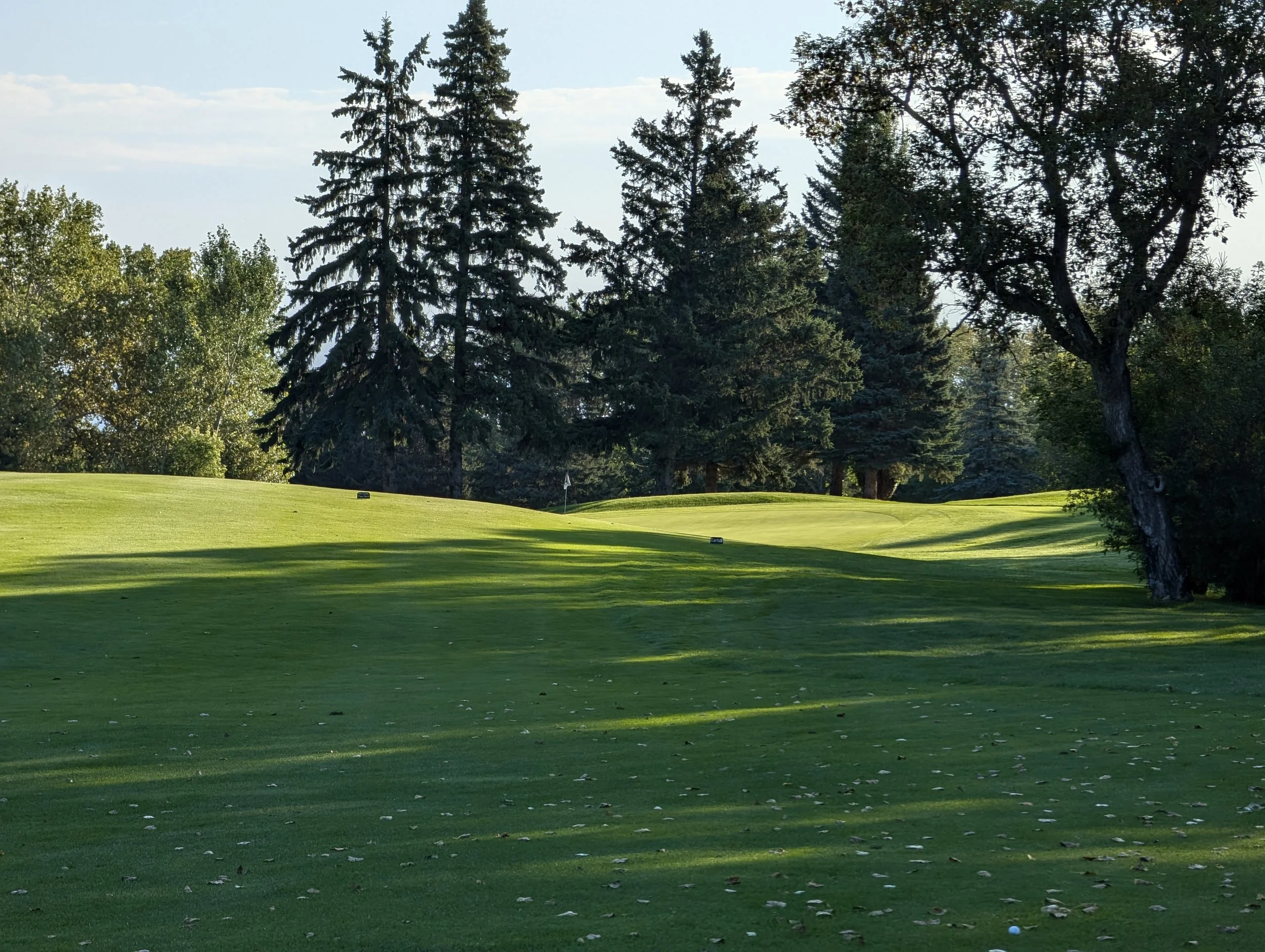
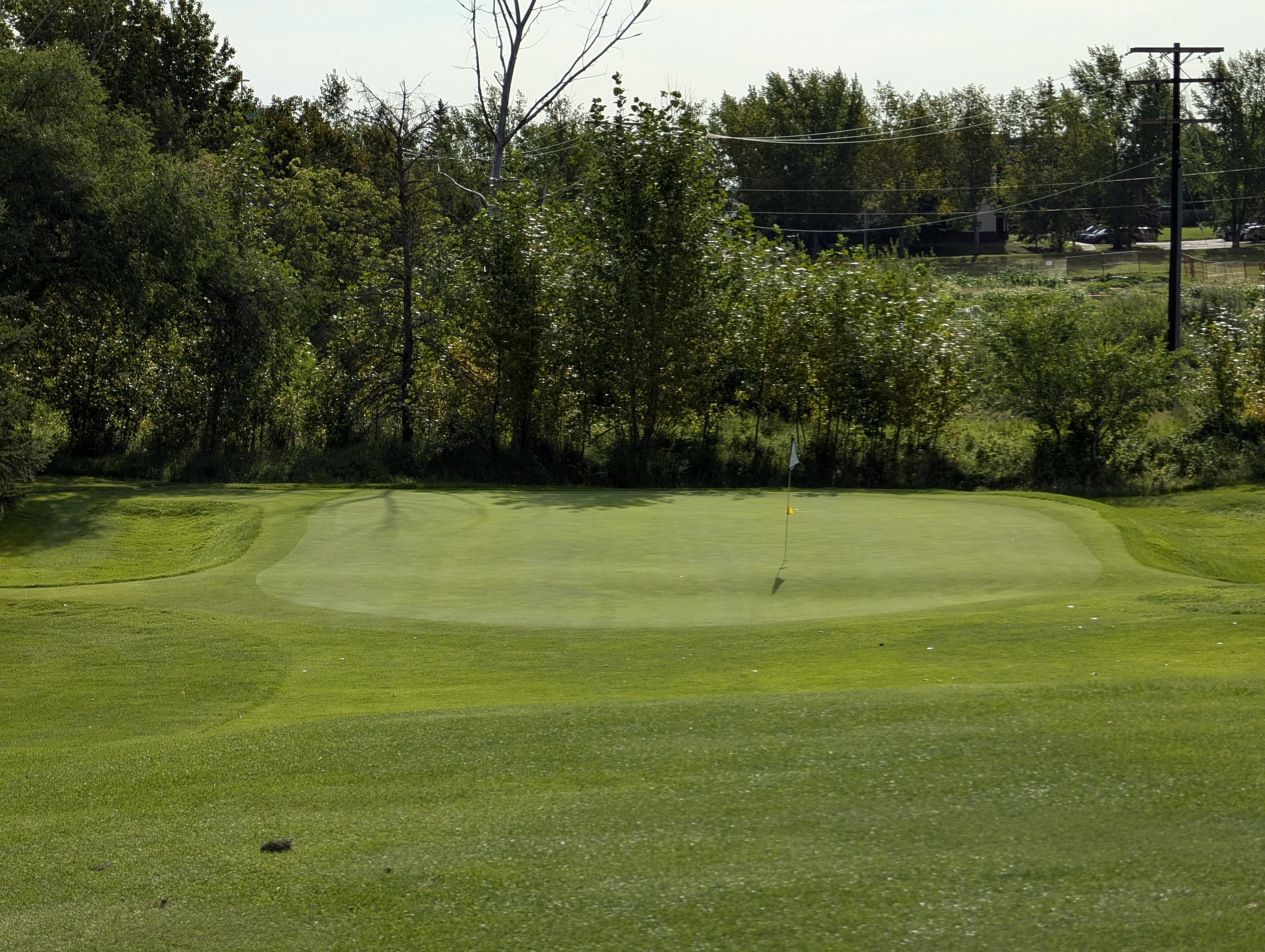
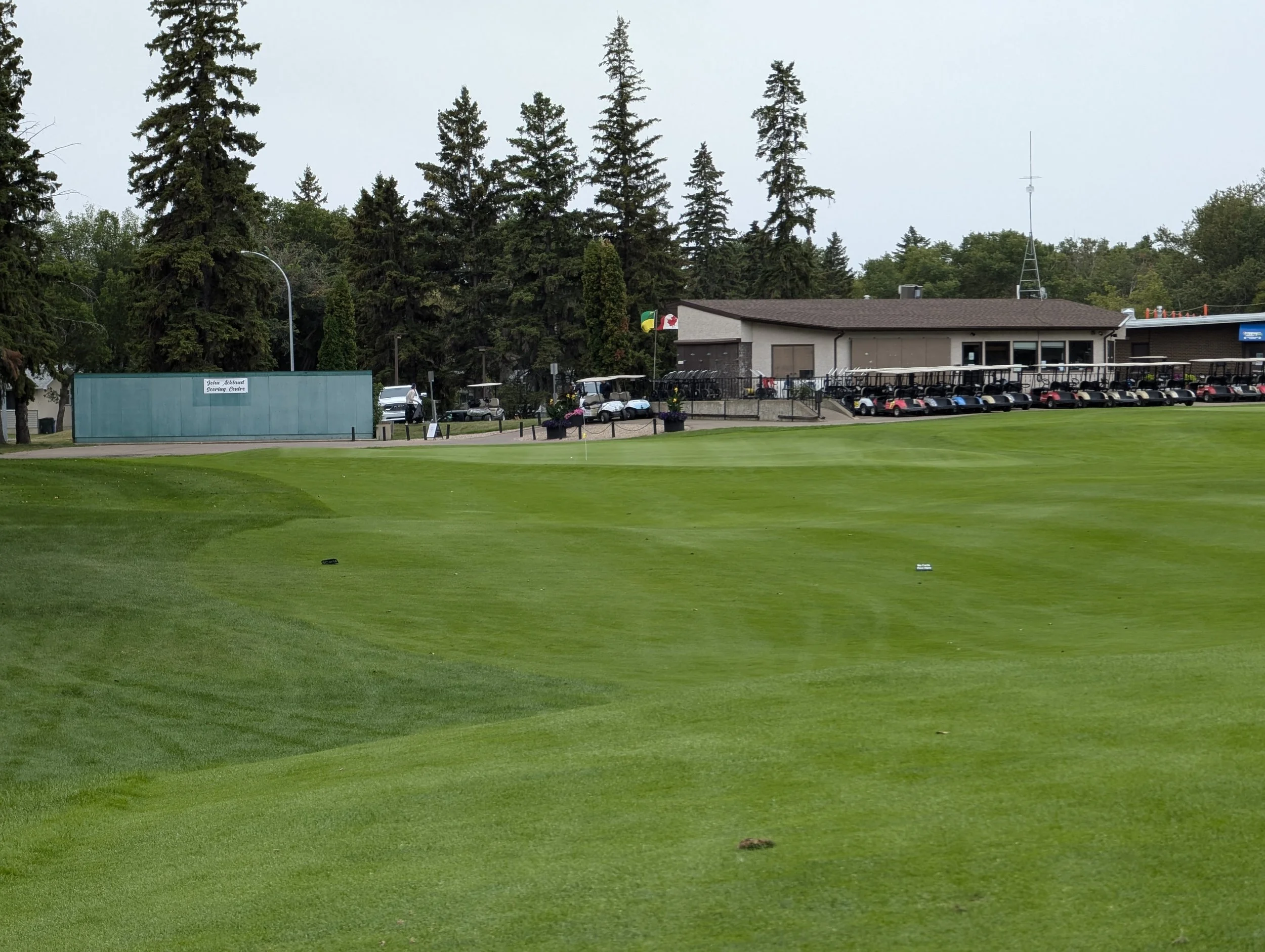
It’s rare to come across a municipal golf course as adventurous as Cooke Municipal. Given its location in the Canadian province of Saskatchewan one might first think it would be situated on flat land. Yet, the land movement here is surprisingly bold, with holes that traverse tumbling hillsides - blind carries, greens built on grade, and elevation changes which promote desirable scenic qualities. Located in small town of Prince Albert, Cooke Municipal owes its legacy to long time golf professional Hubert Cooke. Cooke is responsible for much of the golf courses design characteristics after being hired in 1925 and successfully rerouting the nine-hole golf course in 1926. Building new greens, fairways, and everything else in between in the periods of 1926-1935, expanding to 18-holes by end of 1935. Since then the course has evolved with inputs from Western Canadian architect Sid Puddicombe.
We think there is much to learn about golf course architecture and agronomy practices at Cooke Municipal. Partially for that reason, as well as the sense of adventure delivered by the on course product, Cooke Municipal would rank within our Top 100 golf courses in Canada if we ever produced such a list.
3) Cedar Hill
Saanich, British Columbia | Harry W. Eve (1921)
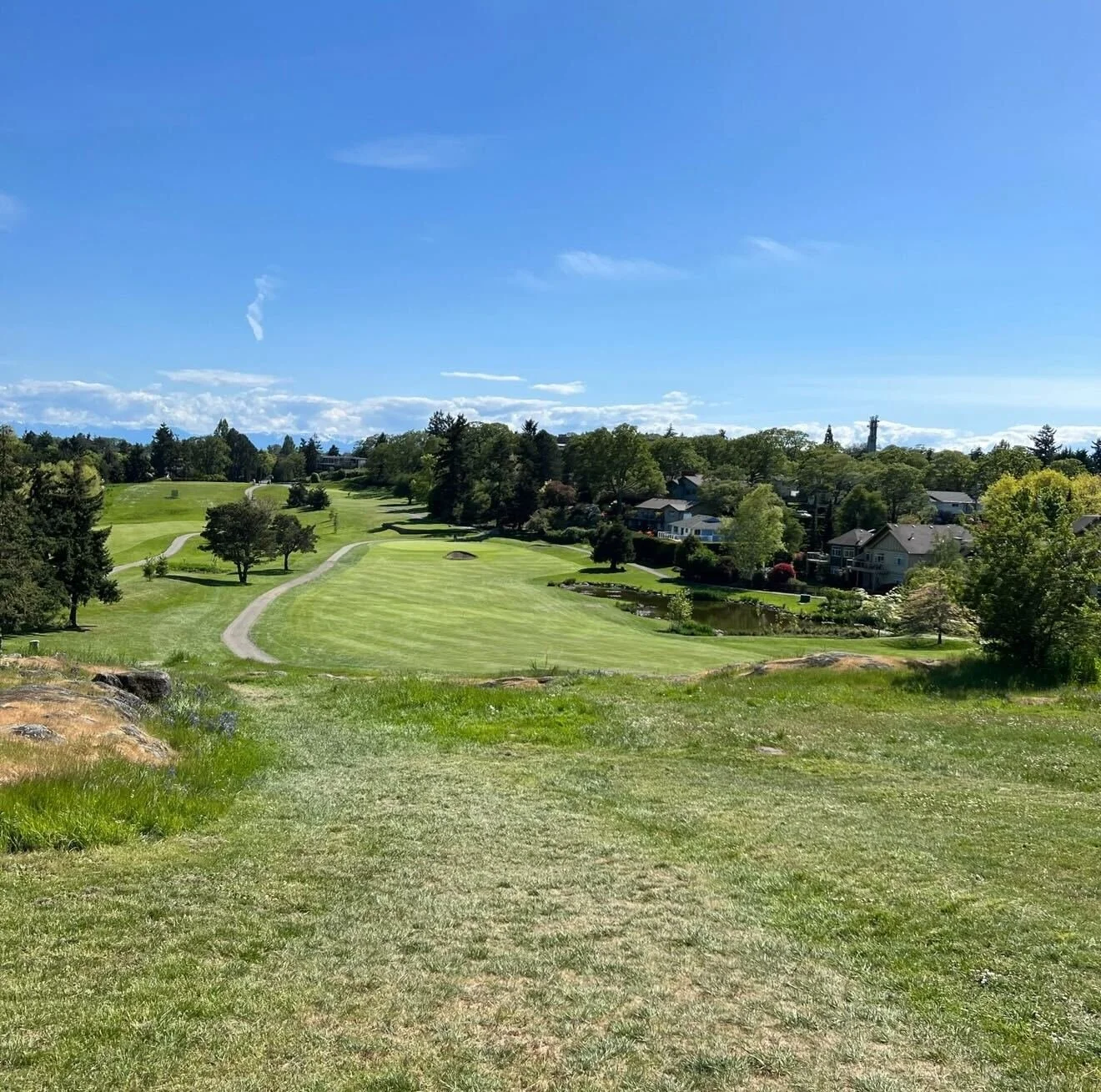
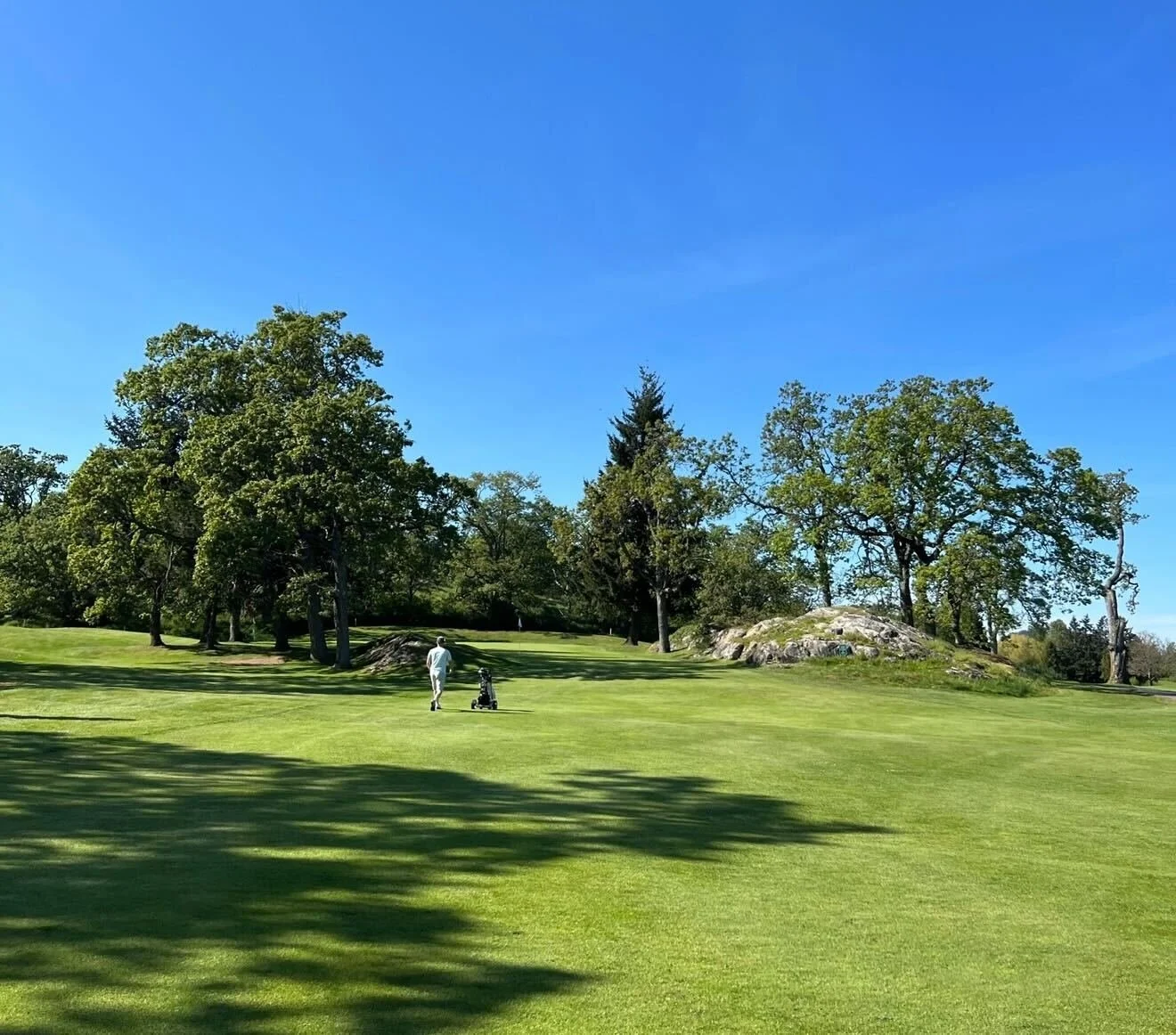
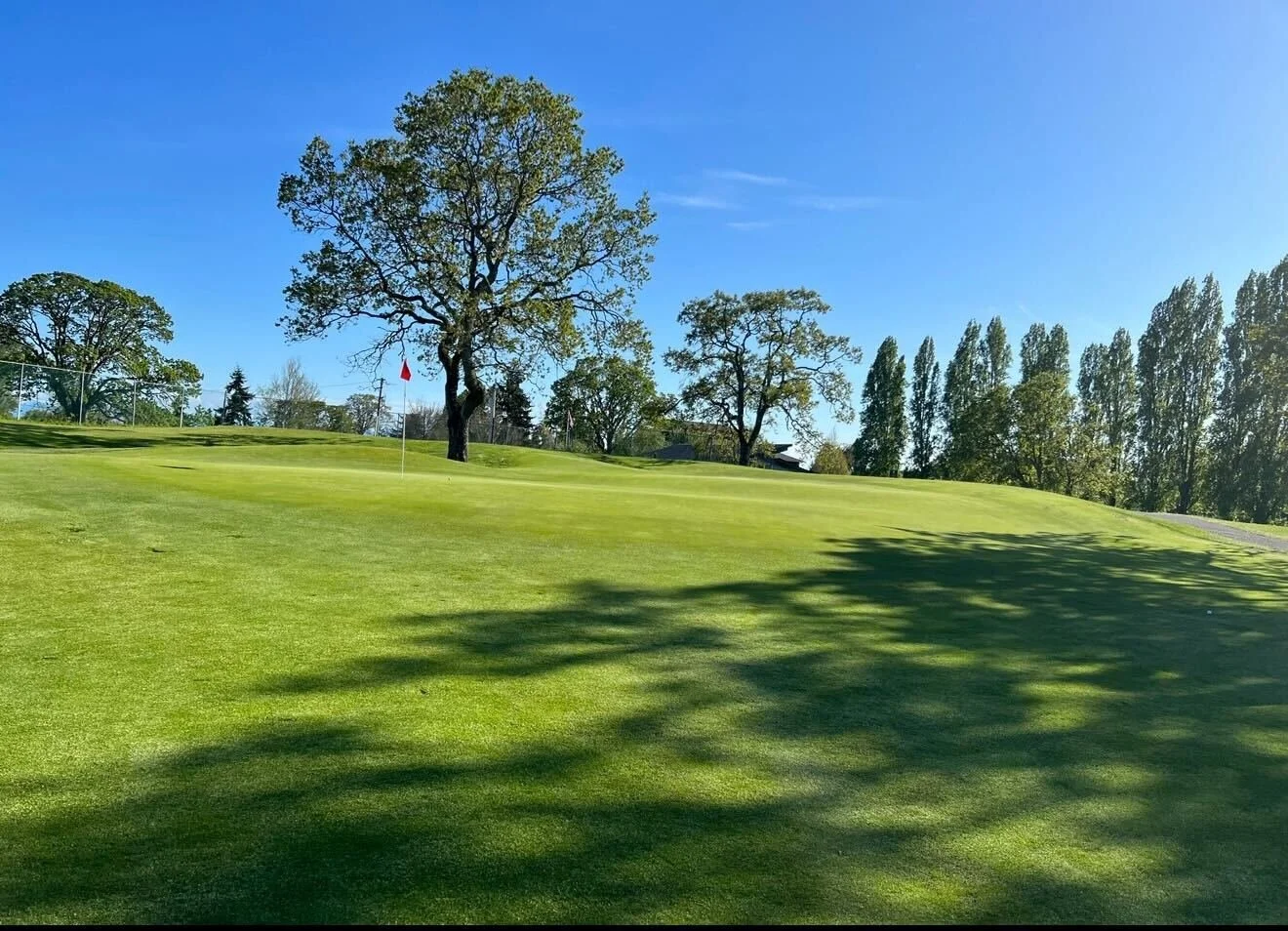
Located in Sannich, British Columbia, Cedar Hill was established in 1921. At roughly 5,200 yards with a Par of 67, the golf course may often be categorized as being short or player-friendly, but its small yardage is deceptive. The course features significant elevation changes and tight, tree-lined fairways that require precision over power. Small rock outcroppings also dot the landscape. The greens are on the smaller side but feature strong undulating movement that are a key part of the design characteristics of this golf course.
If you were to build an eclectic set of greens across all the municipally owned golf courses in Canada, the top 3 courses on this list would surely dominate that routing. A strong reason why they elevate themselves above the remainder of the list.
4) Roseland
Windsor, Ontario | Donald Ross (1926)
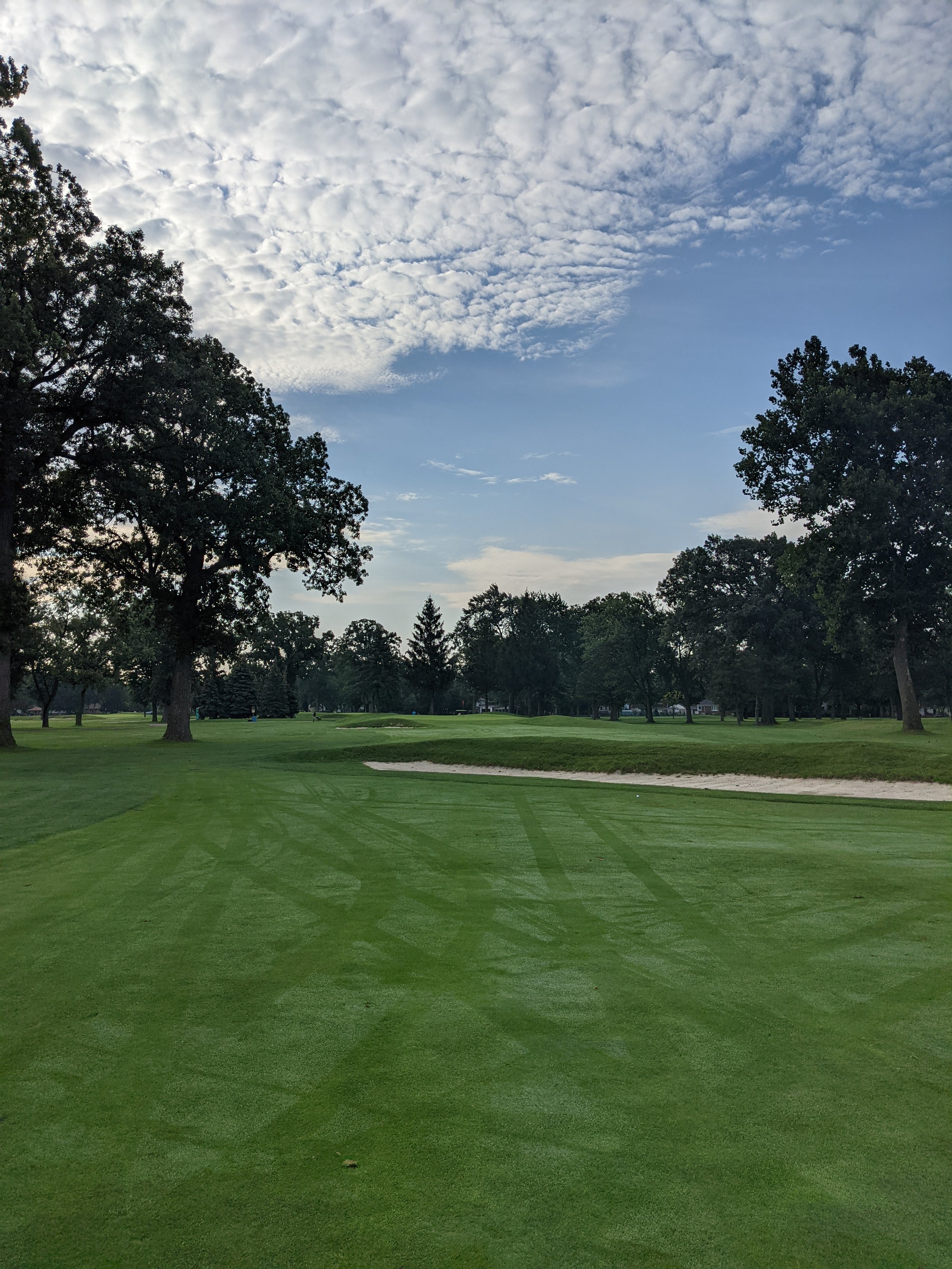
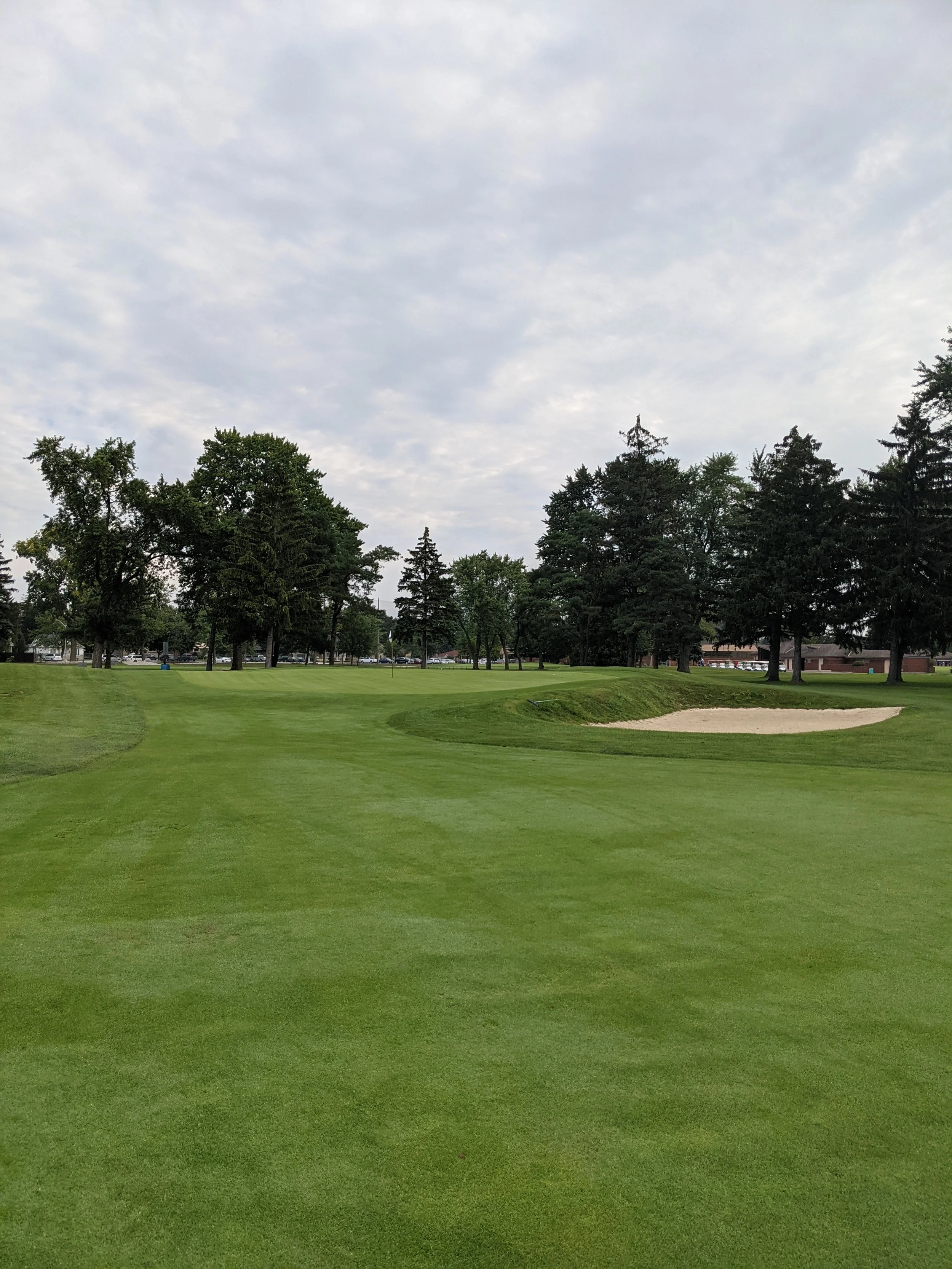
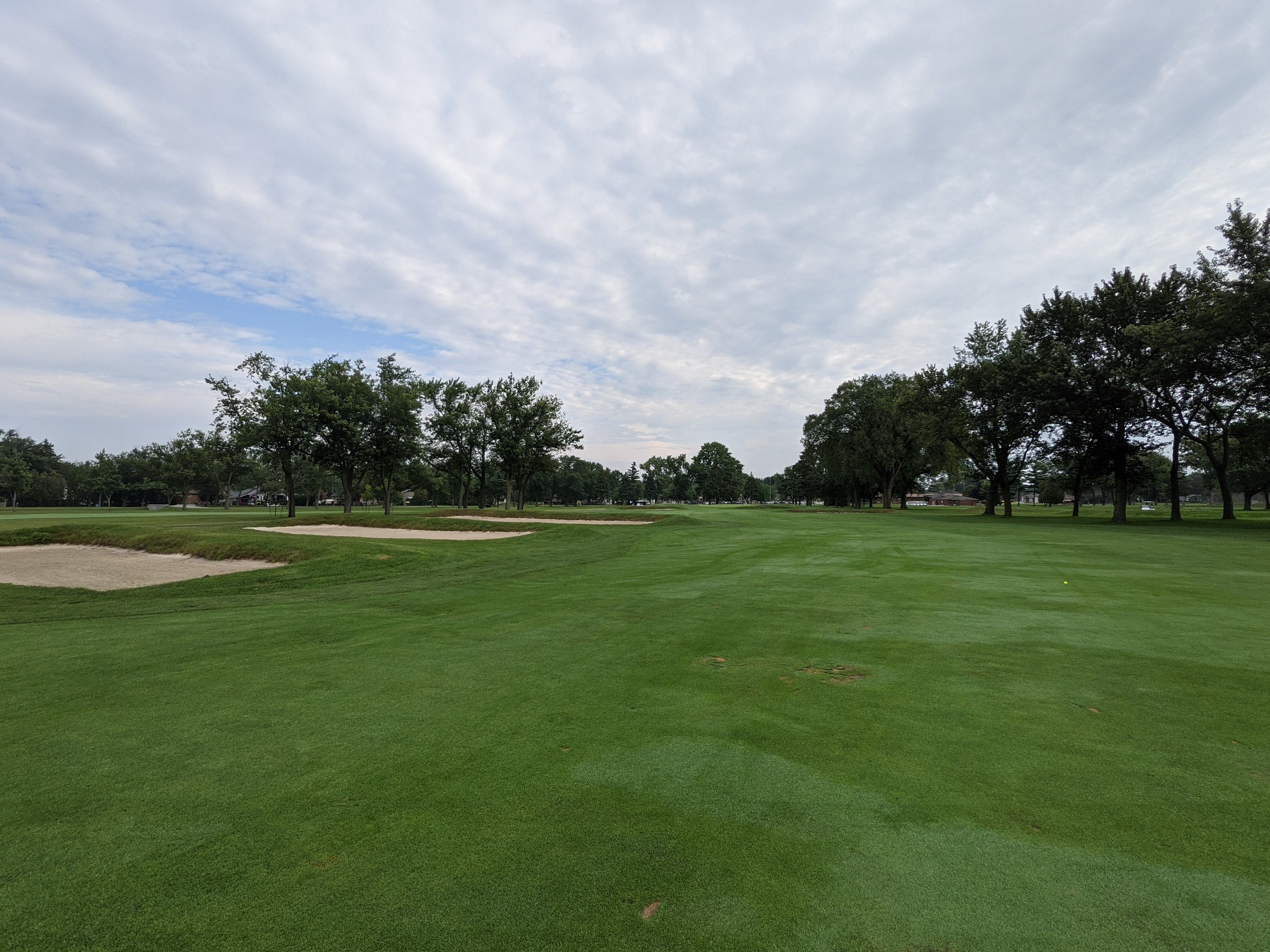
A rare treasure among Canadian golf courses. Roseland is a 1926 Donald Ross design located in Windsor, Ontario. Most famous for his American body of work that includes the likes of Pinehurst No. 2, Seminole, and Oakland Hills (South), Canadians are also fortunate that he ventured north, stretching from Winnipeg all the way to Nova Scotia. In Windsor, Ontario he crafted both the private Essex Golf & Country Club, as well as the city owned Roseland. While less refined around the edges than that of Essex, Roseland certainly holds its own. Geometrically shaped bunkers with raised front mounding - an elegant staple at many classic layouts - a perched set of greens, and daunting set of par 4’s make this one a must play for public golfers in Ontario who are passionate about architecture.
5) Fraserview
Vancouver, British Columbia | H.L. McPherson (1934/1938)
If Lakeview is the historic, gritty champion of Ontario’s public golf, then Fraserview Golf Course is its majestic, West Coast cousin. Perched on a 225-acre expanse overlooking the Fraser River in Southeast Vancouver, Fraserview is widely considered the Crown Jewel of the city’s municipal system. It is a big-boned, parkland layout that possesses a scale and topographical drama rarely available outside of high-end private or expensive resort golf courses in Canada.
Born out of the Great Depression, Fraserview began as a massive relief worker project. Under the supervision of Major H.L. McPherson (who also laid out the University Golf Club for A.V Macan), over 600 workers cleared what was once a sprawling vineyard and dense forest. The course opened its first nine in 1934, with the full 18 following in 1938. In 1998 a renovation by Thomas McBroom modernized the golf course. The course tumbles across ravines, climbs through tall stands of Douglas fir and Western Red cedars, and presents green complexes that demand both an aerial and ground approaches to the game. In a city where private club memberships are increasingly out of reach, Fraserview provides the common golfer with a tremendous public access experience. It is a testament to the idea that public golf can be big, strategic, and most importantly, deeply respect the ground it occupies.
6) Legends on the Niagara (Battlefield)
Niagara Falls, Ontario | Doug Carrick (2002)
One of the more recently crafted routings on this list, the Battlefield course at Legends on the Niagara was designed by Doug Carrick. The course earns its name from its location on the hallowed grounds of the Battle of Chippawa, fought during the War of 1812. Stretching to over 7,300 yards from the back tees (Par 72), Battlefield offers a sprawling, resort-style feel with wide fairways and large bunkers strewn across the sprawling Niagara countryside. The property itself occupies over 1,000 acres of land and includes sister course Usshers Creek - a Thomas McBroom design. Making this one of the best and most affordable locations to spend a day golfing at. The many water hazards found across the property puts a strong emphasis on crafting your way around these layouts. Our preference is for the Battlefield course with its preferred bunker styles, stronger green complexes, and scenic properties, which includes a glimpse of the mist rising from Niagara Falls in the distance at the 13th. Battlefield was host of the 2004 Canadian Women’s Open.
7) Whirlpool
Niagara Falls, Ontario | Stanley Thompson (1951)
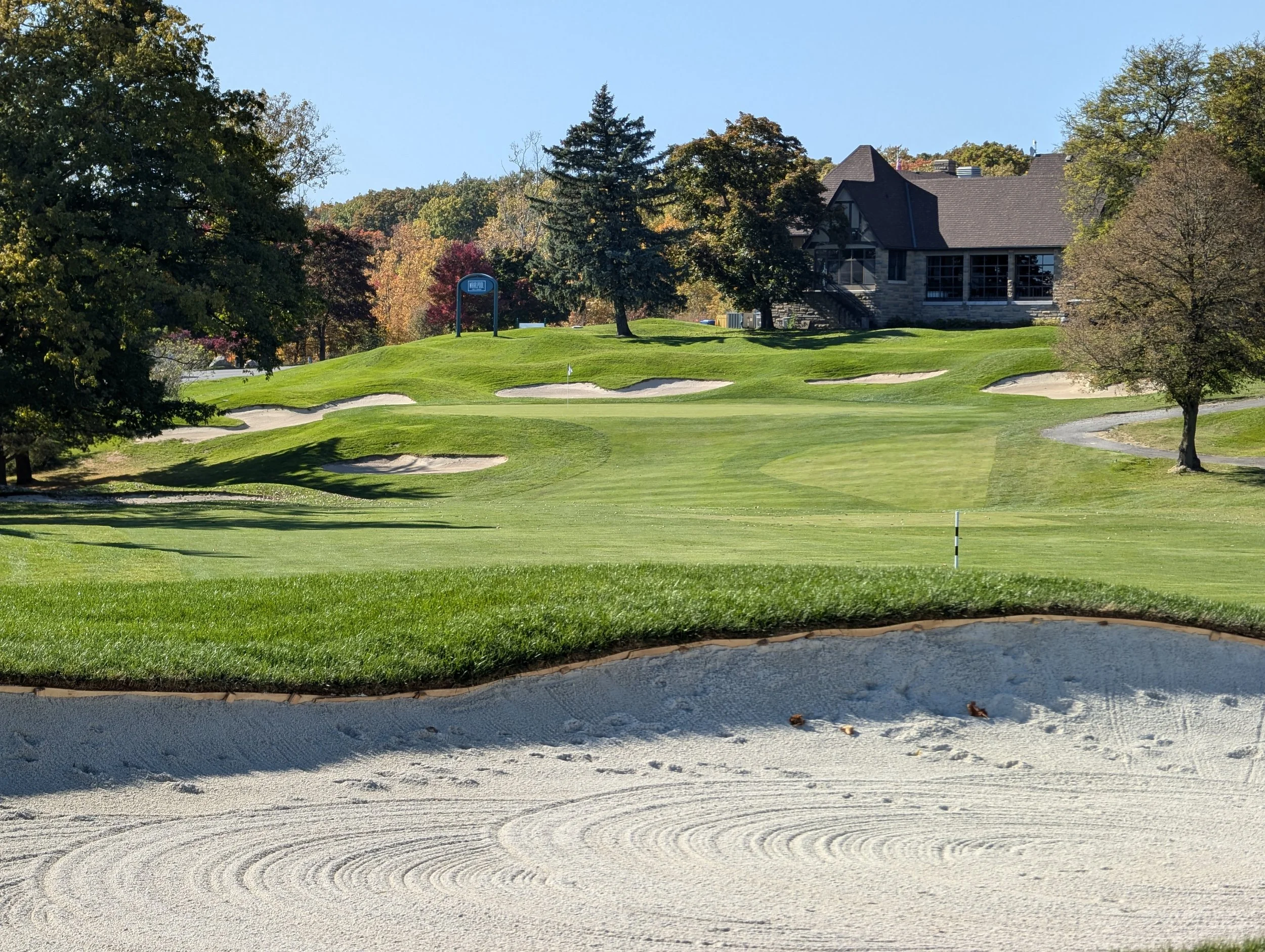
Nestled alongside the breathtaking Niagara River Gorge, Whirlpool Golf Course was designed in the early 1950’s by Stanley Thompson - one of his final creations. Here he crafted an interesting layout that makes use of several ridge lines found dotted within the landscape on an otherwise flat property. One of the most intriguing features is the central hillside that is utilized upwards of six times within the routing - there are 3 benched greens and 3 sets of tees that play off this mound.
Whirlpool is currently undergoing a multi-year renovation plan by architect Ian Andrew. An exciting development that will strengthen this already wonderful public golf facility.
Editors note: Both Whirlpool and #6 on our list, Battlefield, are technically owned by the Niagara Parks Commission, a provincial agency. They embody the same localized sense of place as the other municipal owned golf courses on this list and as a result are included within the aforementioned guidelines.

8) Kings Forest
Hamilton, Ontario | Matt Broman & Rod Goodes (1973)
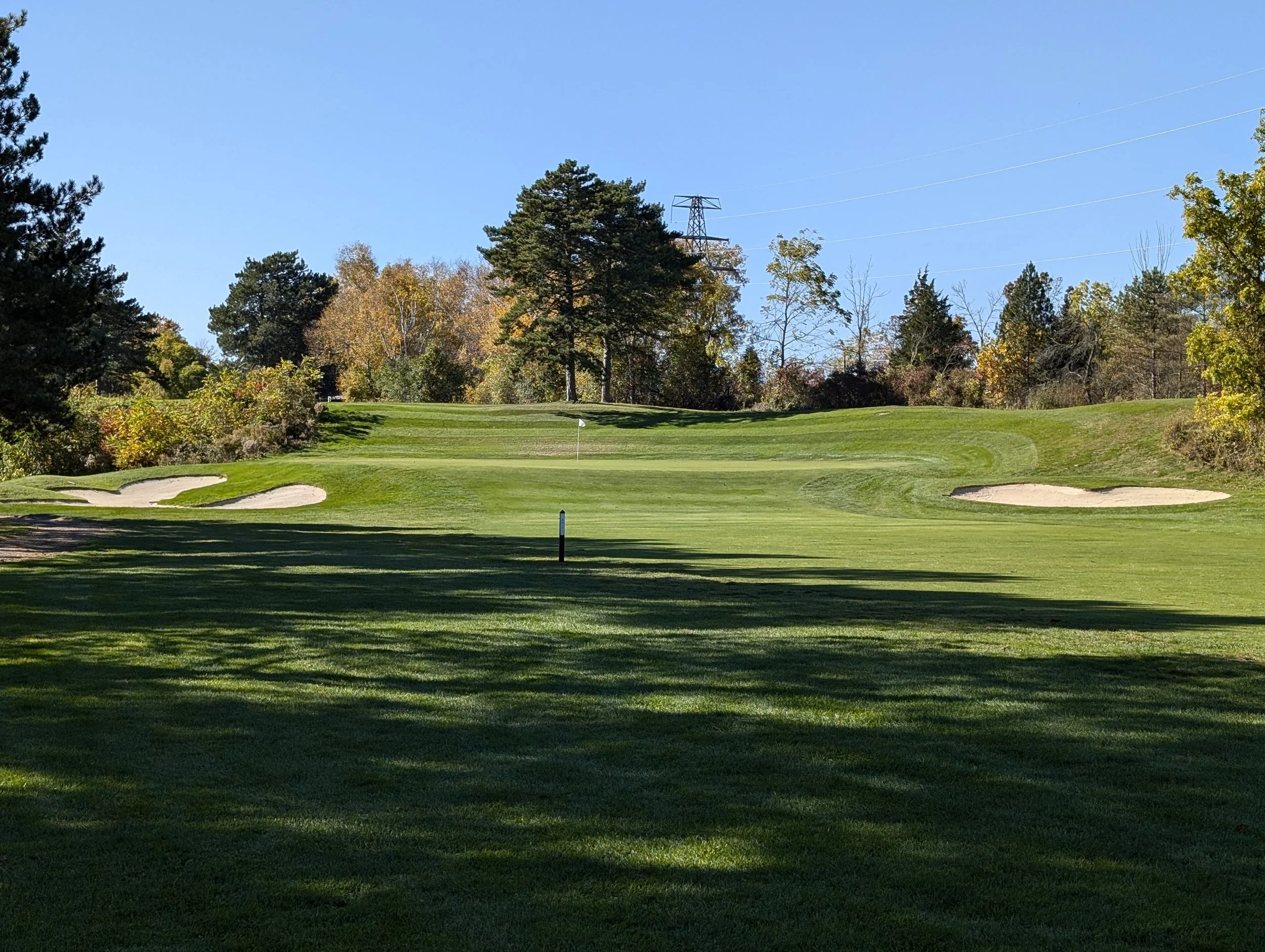
Located at the foot of the Niagara Escarpment, King’s Forest was designed by former City of Hamilton Parks Foreman Matt Broman, with input from Chedoke Head Professional Rod Goodes - the course opened for play 1973. Measuring 7,150 yards, par-72 from the tips, King’s Forest is well known as a challenging golf course. Because of its location within the rolling lands of the Niagara Escarpment there are many elevation changes and strong slopes within the greens. Its tight, tree-lined holes, add extra layer of complexion to navigating the golf course for the bogey golfer.
With a little renovation and polish around the edges King’s Forest may have as much potential as any other course on this list to be in the hotly contested top 3 municipal golf courses and within a Canadian Top 100 list.
9) BraeBen
Mississauga, Ontario | Ted Baker (2005)
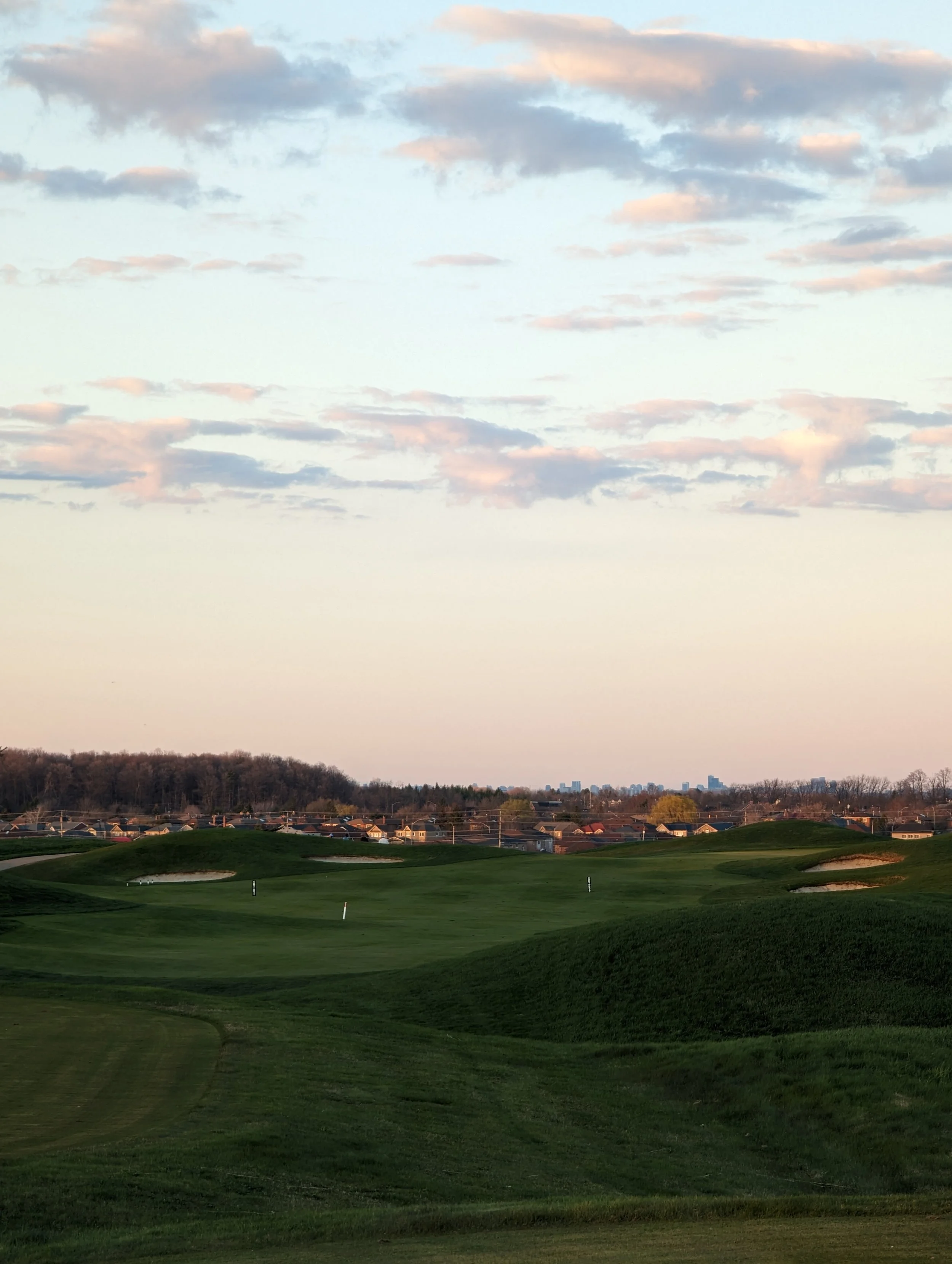
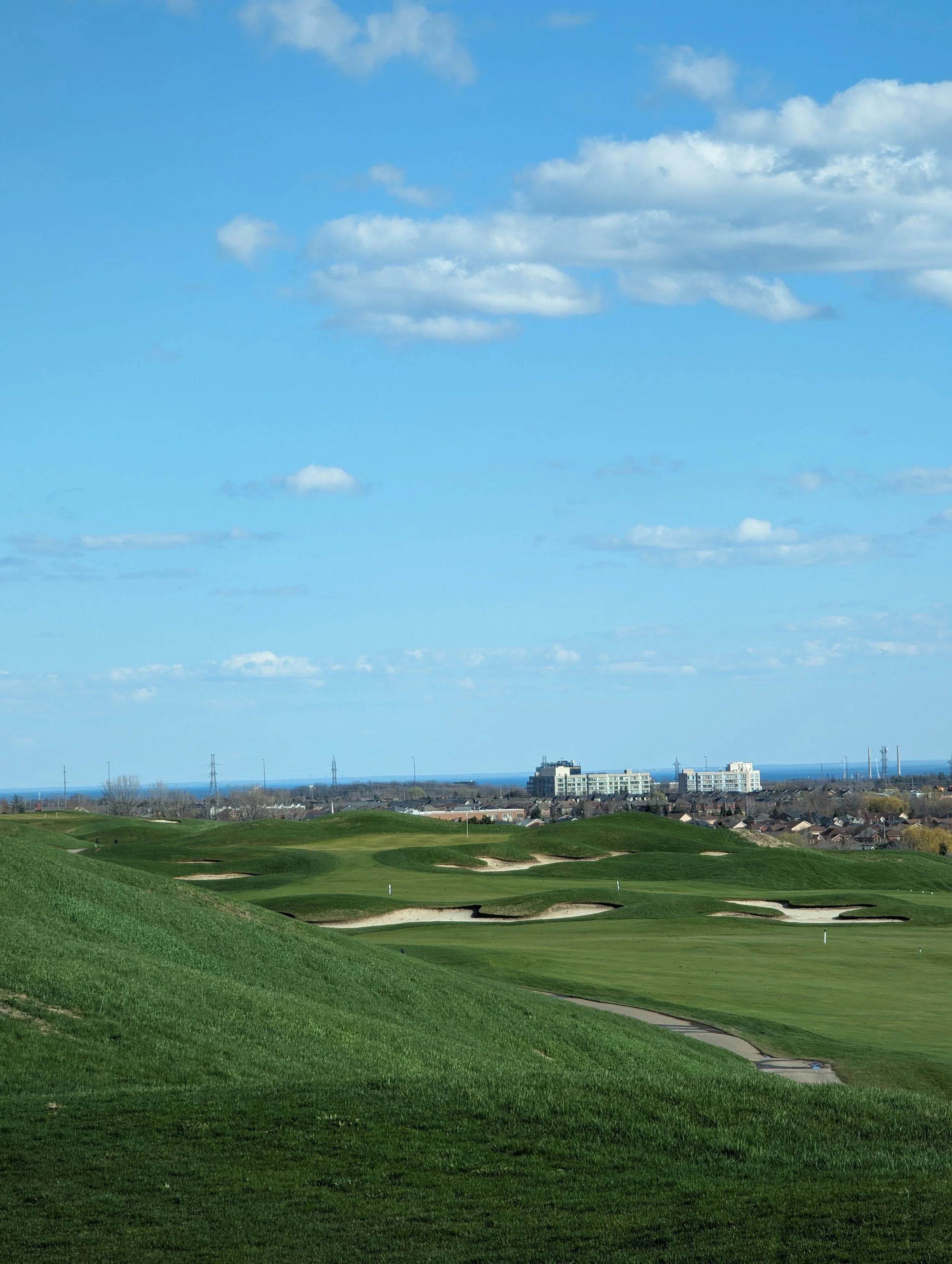
The City of Mississauga takes the crown of having the best municipal golf infrastructure in the country with both Lakeview and BraeBen occupying spots on this list. While Lakeview boasts a charming and elegant parkland layout, BraeBen’s approach to design is more reminiscent of a links style offering - with holes cut between large swaths of long fescue grasses . Built on top of an old garbage dump, the golf course offers spectacular views across the city and is greatly susceptible to the wind. On the course the routing tumbles up and down the man made hillside with a number of strong holes like that of the par 5 8th - its group of cross bunkers obstructing the view of the approach, or the 11th - a long par 4 set along the edge of the course occupying the best land with which to work with, and the 17th - a short drivable par 4 safely guarded by a set of pot bunkers short of the narrow, angled green.


10) Humber Valley
Toronto, Ontario | Howard Watson (1958)
The City of Toronto boasts 5 very popular municipally owned golf properties. These layouts offer easy access to public golf in a city which doesn’t have much of it. While Don Valley may be the most well know, it is its sister course that just cracks the top 10 municipal golf courses in Canada. Perhaps it’s just personal preference or that we particularly liked the layout - it’s far less cramped - Humber Valley’s layout within the river gorge offers a tranquil escape away from the noise of the city at an affordable price point.
Other Recommendations
These golf courses narrowly missed our list (in alphabetical order):
Chedoke (Beddoe)
Confederation Park
Don Valley
Langara
Legends on the Niagara (Usshers Creek)
Rockway
Thames Valley
