Norfolk
Overview
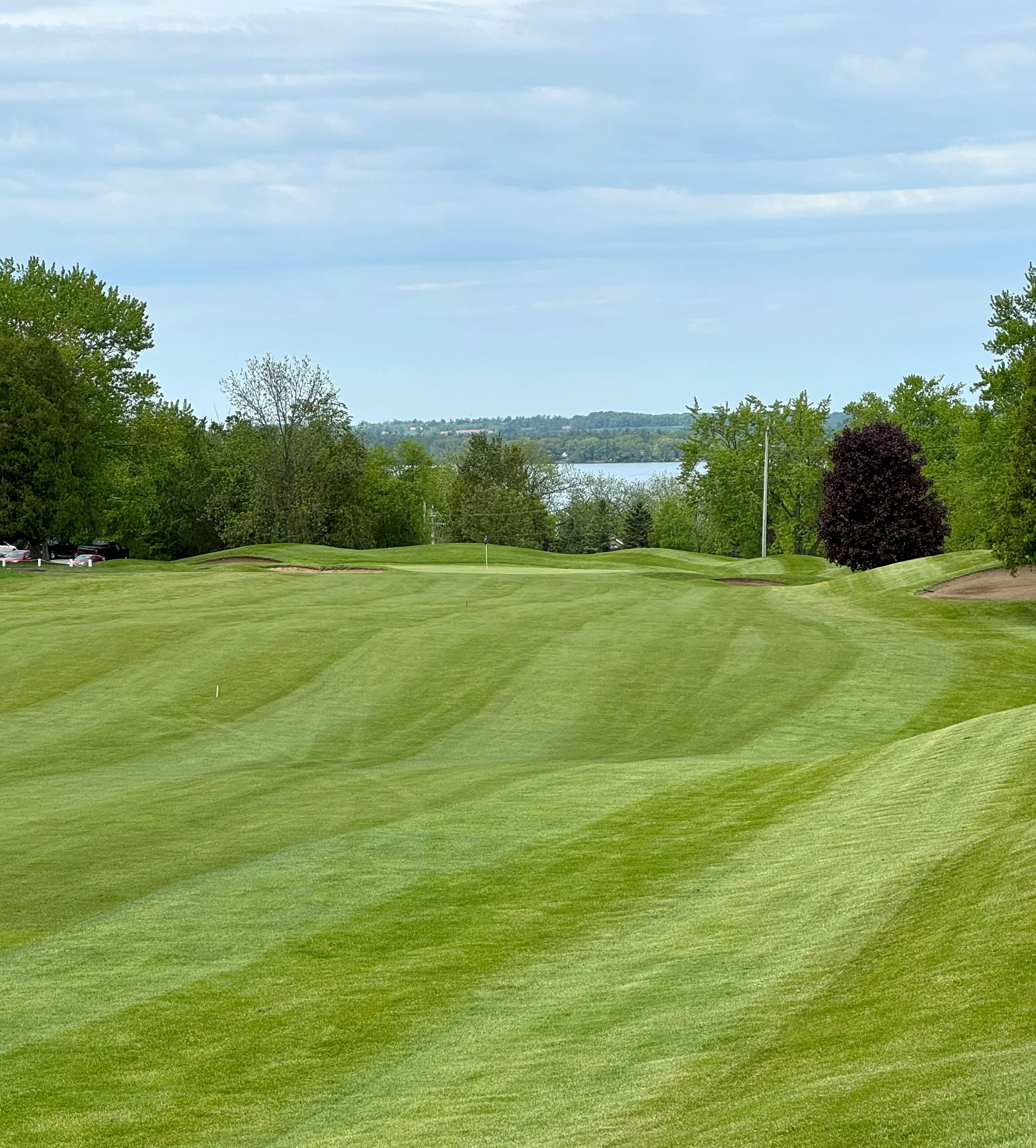
Norfolk Golf Club is proof that acreage is not a prerequisite for greatness. Its small size utilizes just 47 acres of rolling terrain to create a marvellous 9-hole loop that emphasizes scale and verticality. The course is largely defined by its impressive elevation shifts that characterize almost every hole. Yet, beyond the dramatic nature of such, the sporting set of greens are a notable delight.
AT A GLANCE
-
Harry Stennent (1895)
Dr. Jim Sihler (1935)
-
-
Not formally ranked
Among Canada’s best nine-hole golf courses.
-
Built in 1895 with a design said to have been eventually influenced by Stanley Thompson.
Quirky, short, sophisticated architectural design.
Nine holes
Public access ($33-55)
All Day Golf Rate ($100-130)
-
An Ideal Little Golf Club - Zachary Car, Golf Club Atlas
About
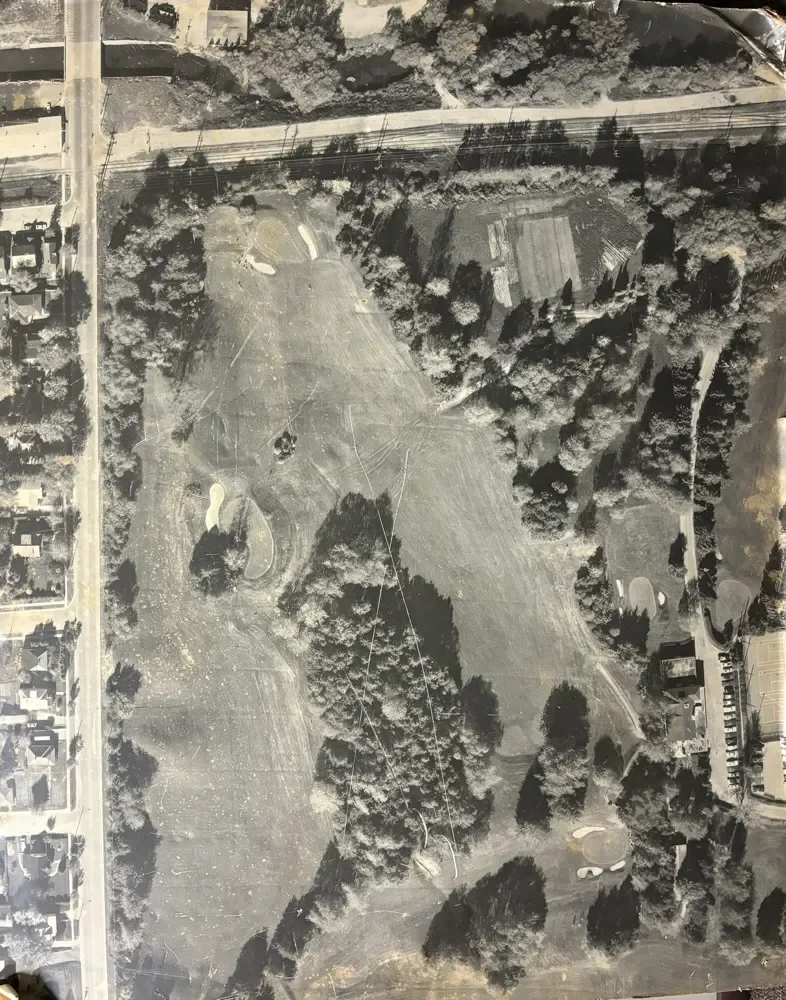
In Simcoe, Ontario lies one of Canada’s finest nine-hole golf courses. Officially formalized as Simcoe Golf Club in 1895, the course was originally laid out by local Bank Manager Harry Stennent for him and his sisters in the late 1880’s. In these days, golf was largely rudimentary. But the scenic hills of the land above the town’s main road would turn into an ideal place to build a golf course. As years went on, the golf course evolved by an accumulation of individual contributions. Contrary to popular belief and yet to be disproven, Stanley Thompson nor his brother, Nicol Thompson, never formally designed or built the golf course. While some features, like the bunkers on the 7th, or the mounds around the 5th green may resemble Thompson’s particular flair it is unlikely he made such contributions to a club that simply built around the given landforms.
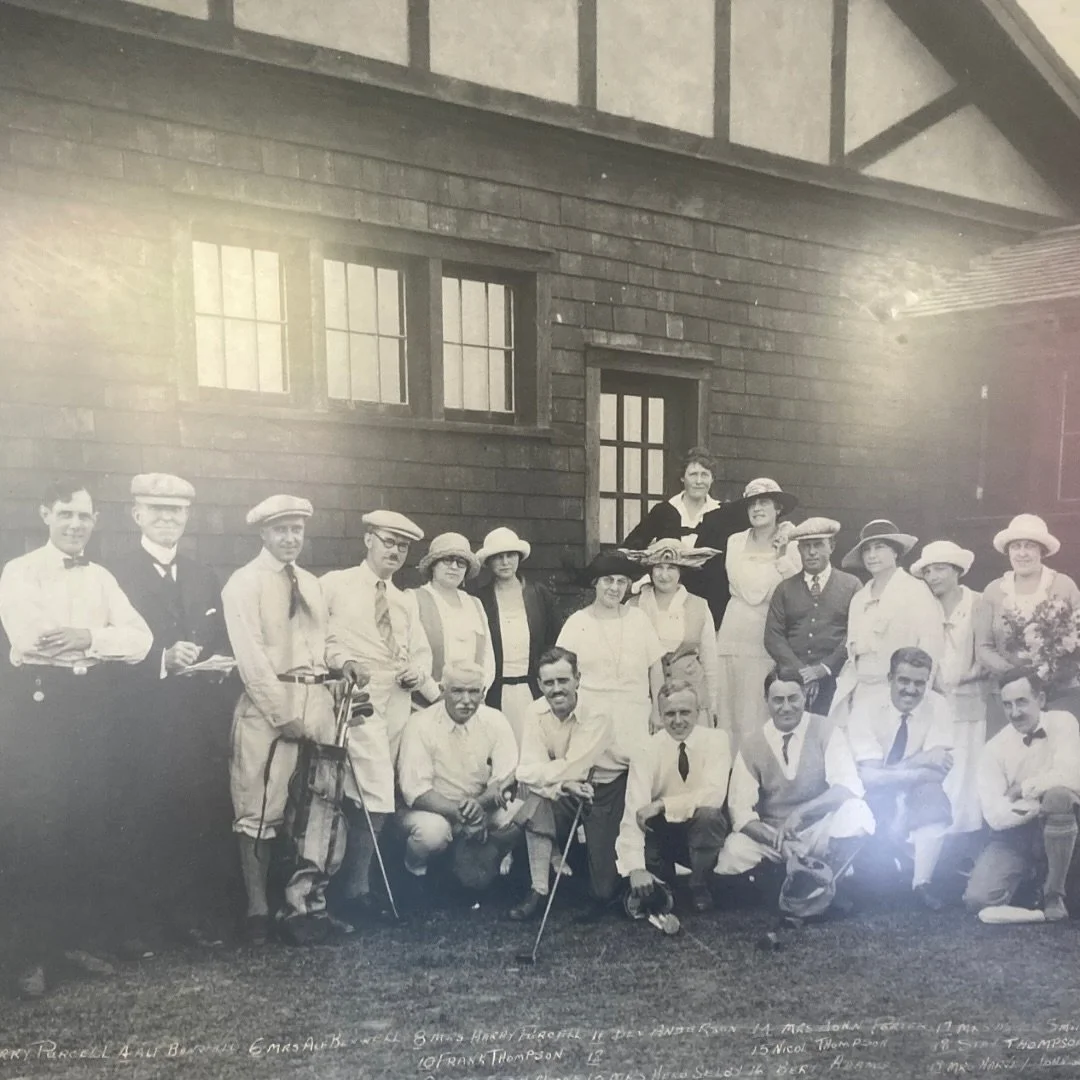
In 1922 the club purchased additional land, opening the eastern section of the property, putting new holes in play in 1923. A man named John Aitcheson was club professional then and may be identified as responsible for the work. In the year of opening, the newly refurbished links, hosted an exhibition match between AA “Bert” Adams and three of the Thompson Brothers - Nicol, Stanley, and Frank. Adams, club captain of Hamilton, maintained a soft spot for Norfolk. In 1915 he donated a trophy that bears his name — the Adams Cup — which is Norfolk’s oldest award.
In 1932 two plans to reconfigure the course were presented at the annual meeting. By 1935 the reconfiguration was in play - this same routing is in play today. During this realignment, many of the existing greens and tees were repurposed or reconstructed. Work is credited to multiple time club champion and men's captain, Dr. Jim Sihler.
Since 1935 the golf course has largely remained untouched. As such there are innumerable inequalities, gentle undulations, and a continuous rising and falling of the surface, sometimes barely perceptible to the eye while others clear as day. It’s apparent that the club’s early stewards knew how to craft and continuously refine the golf course to provide such pure enjoyment. Seemingly building on design characteristics that wouldn’t look out of place if you took a trip to the English countryside and stopped in at a little town for a game. It represents a rare opportunity to play the game at a leisurely, yet brisk pace without any of the unnecessary frills of modern golf architecture for a fraction of the price.
Featured Holes and Course Details
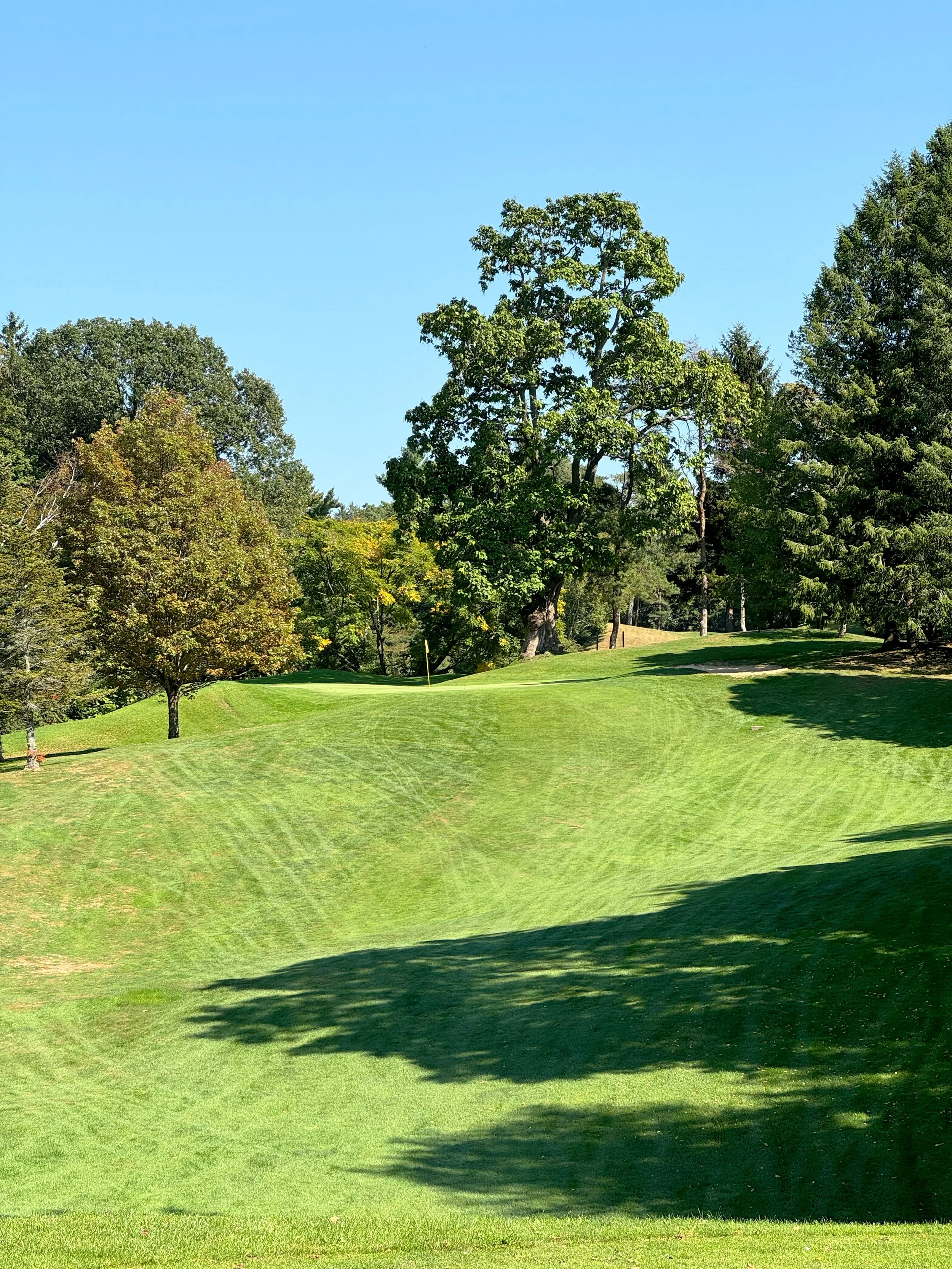
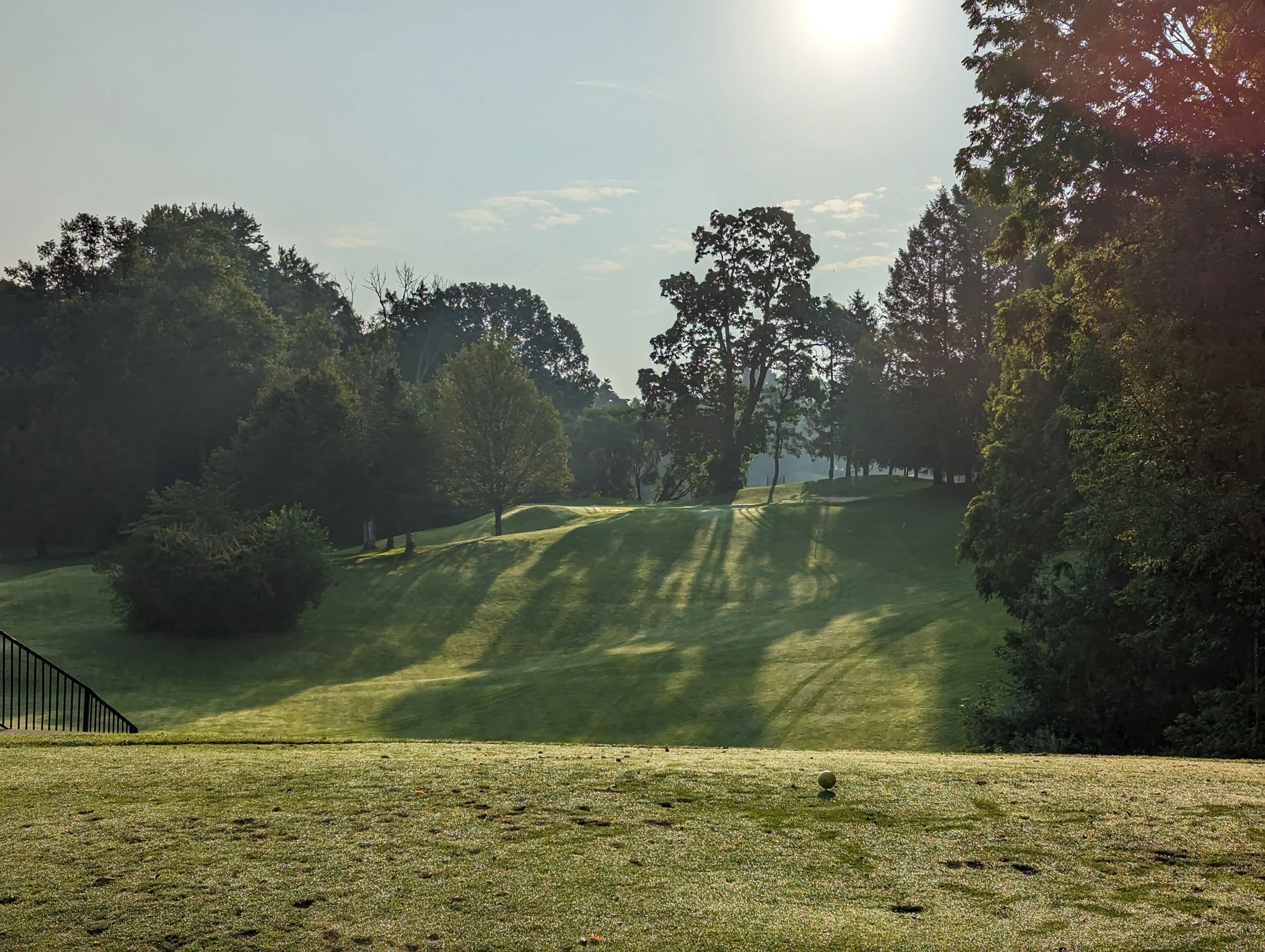
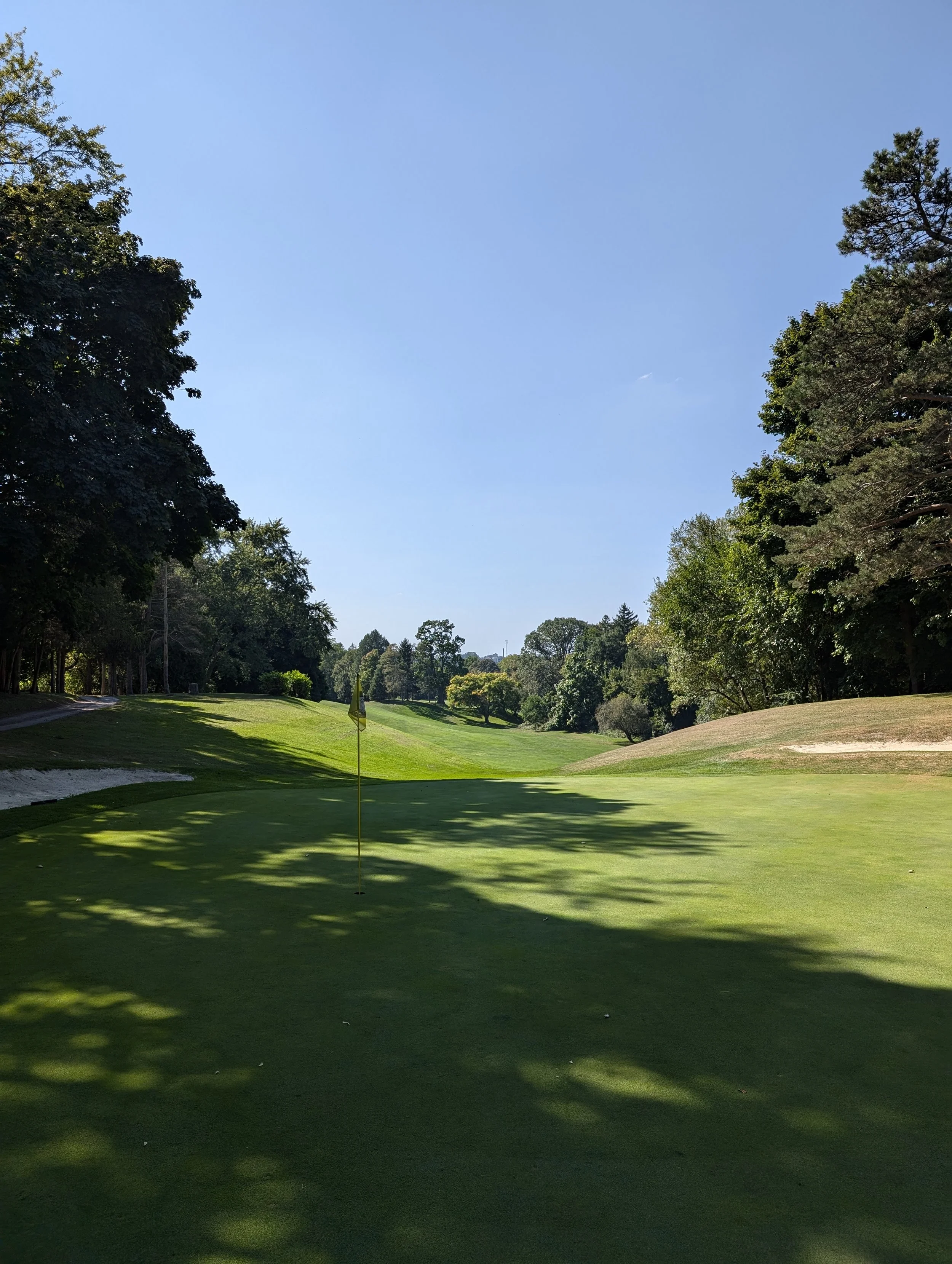
First hole, 306 yards: Norfolk wastes no time establishing its character. From an elevated tee, the opening hole plunges down the hillside into the valley below, and while it’s not lengthy by modern standards, this hole becomes particularly tricky the closer one gets to the green. As the land carves across these natural slopes, there are miniature valleys among the larger one creating plenty of uneven lies from where you may play your approach. The green rests on top of the hillside with a pronounced false front and small surface tilted from right to left. It is a compact, strategically questioning opener that delights the senses.
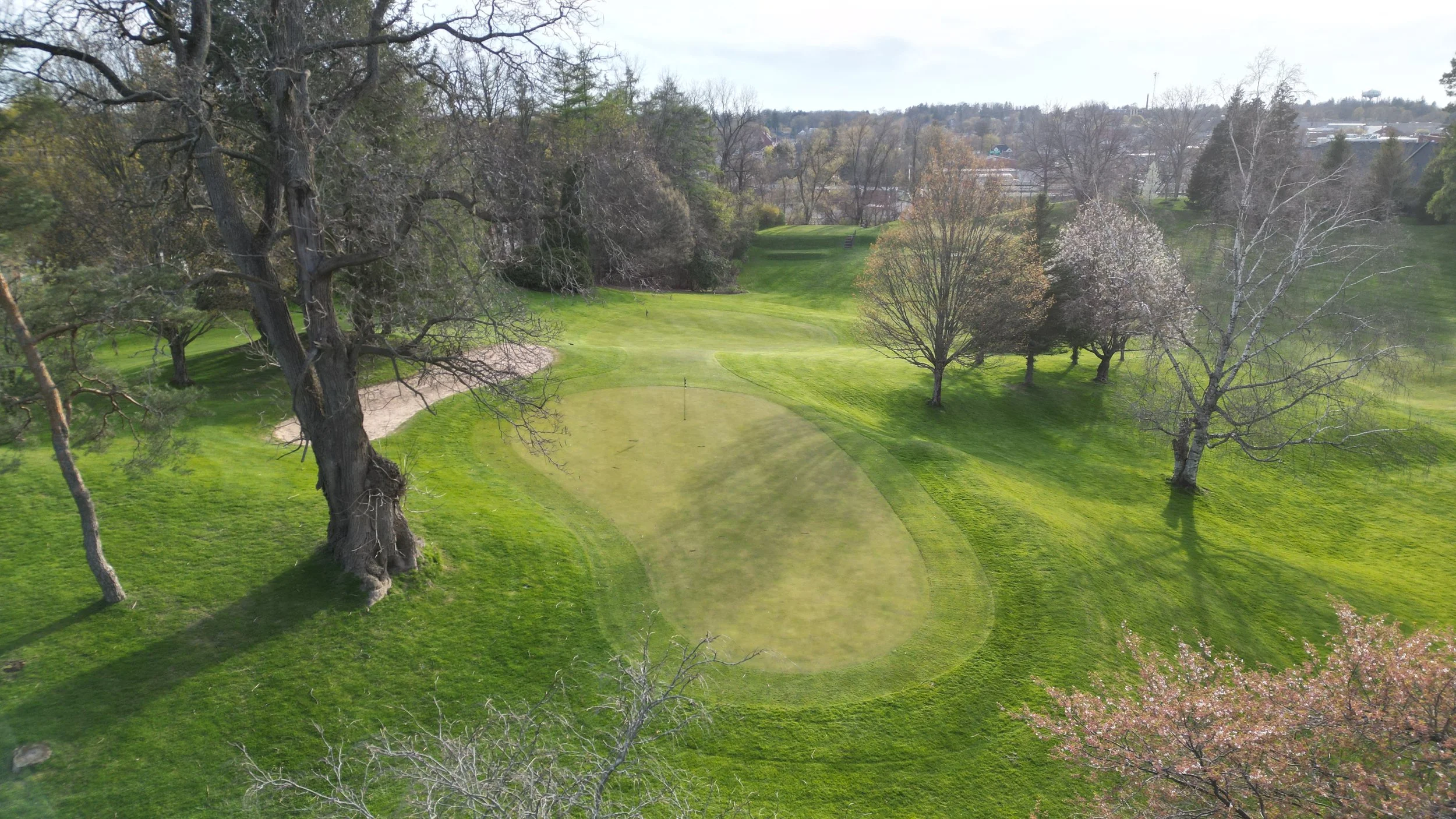
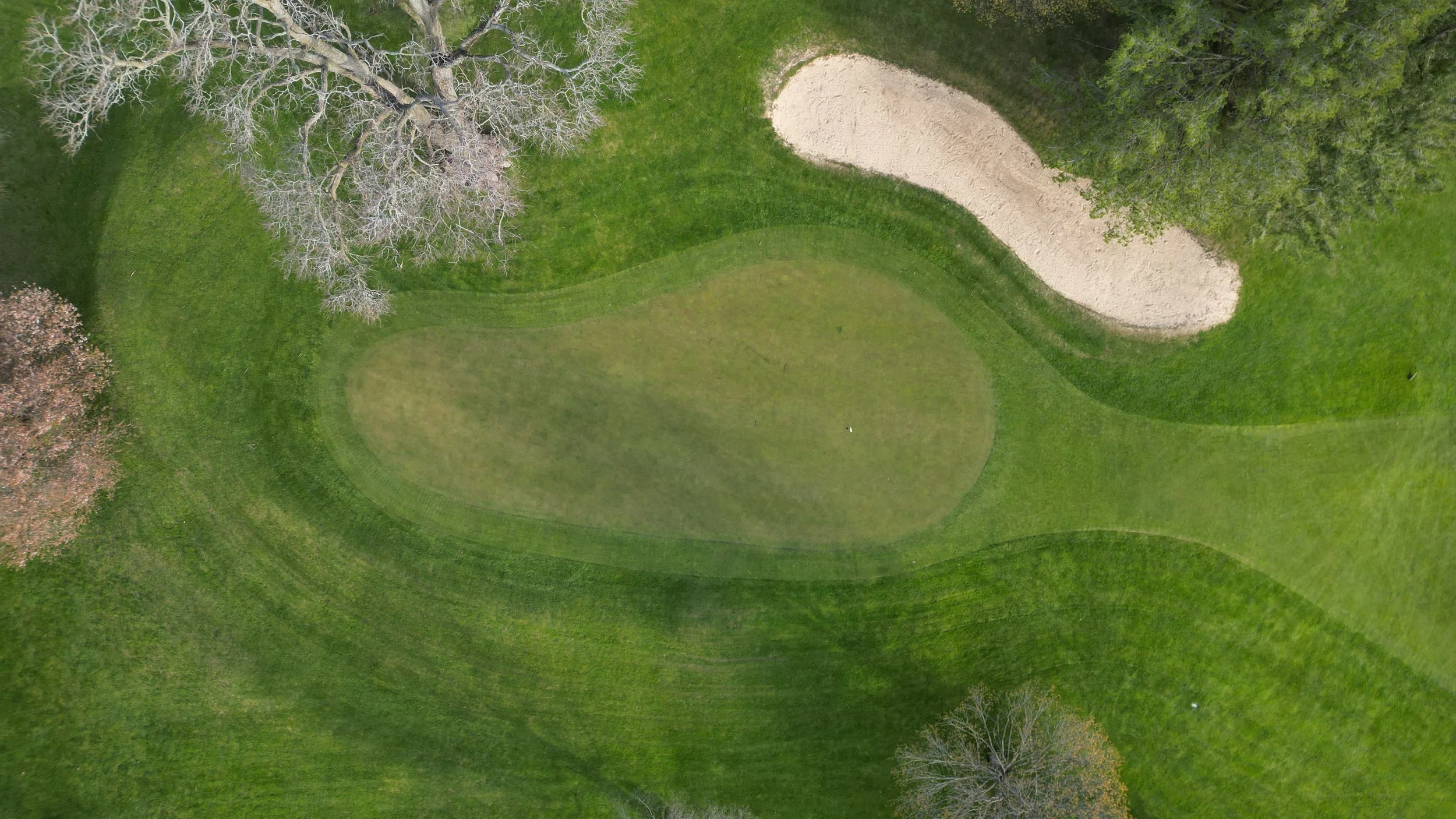
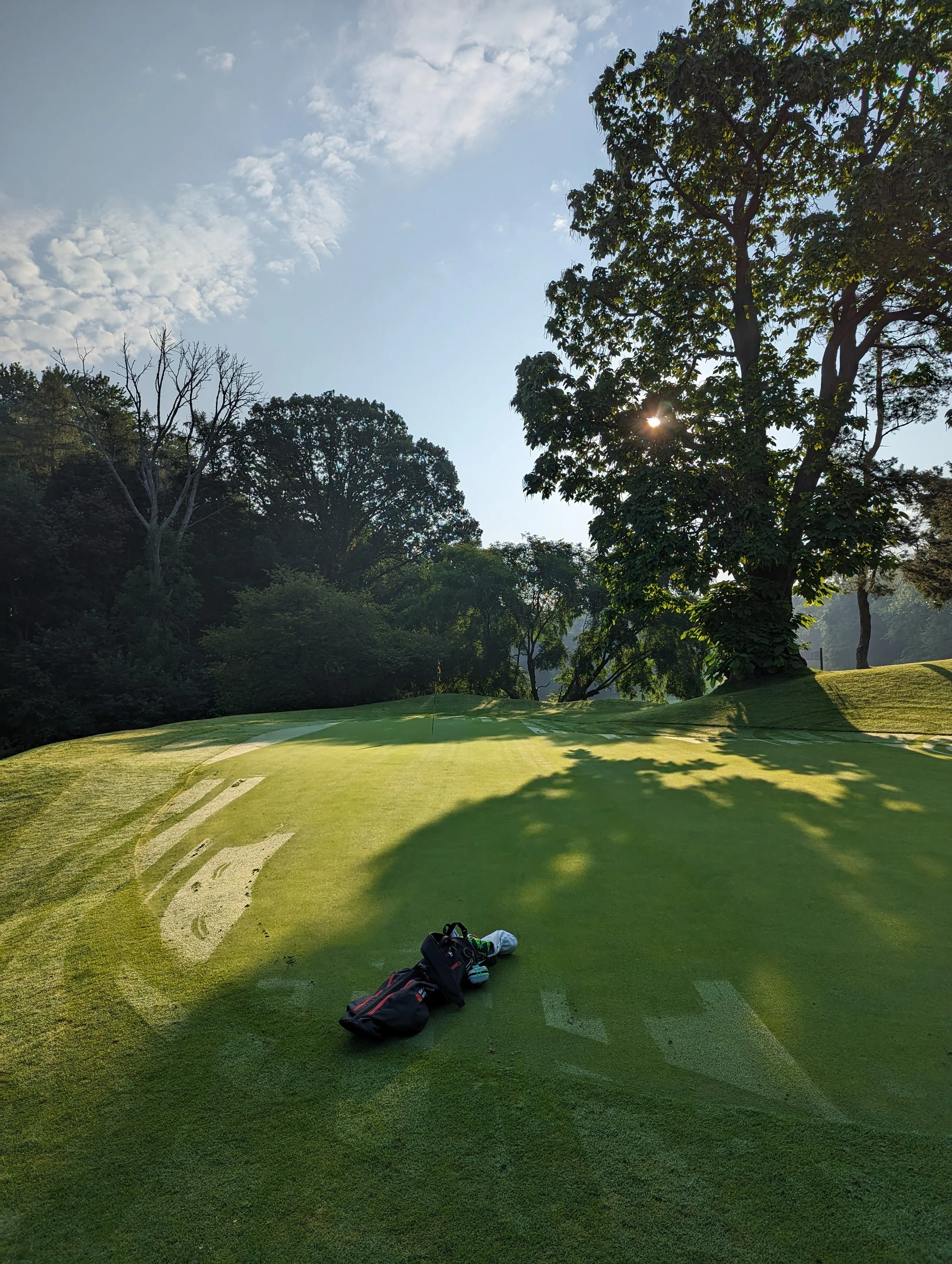
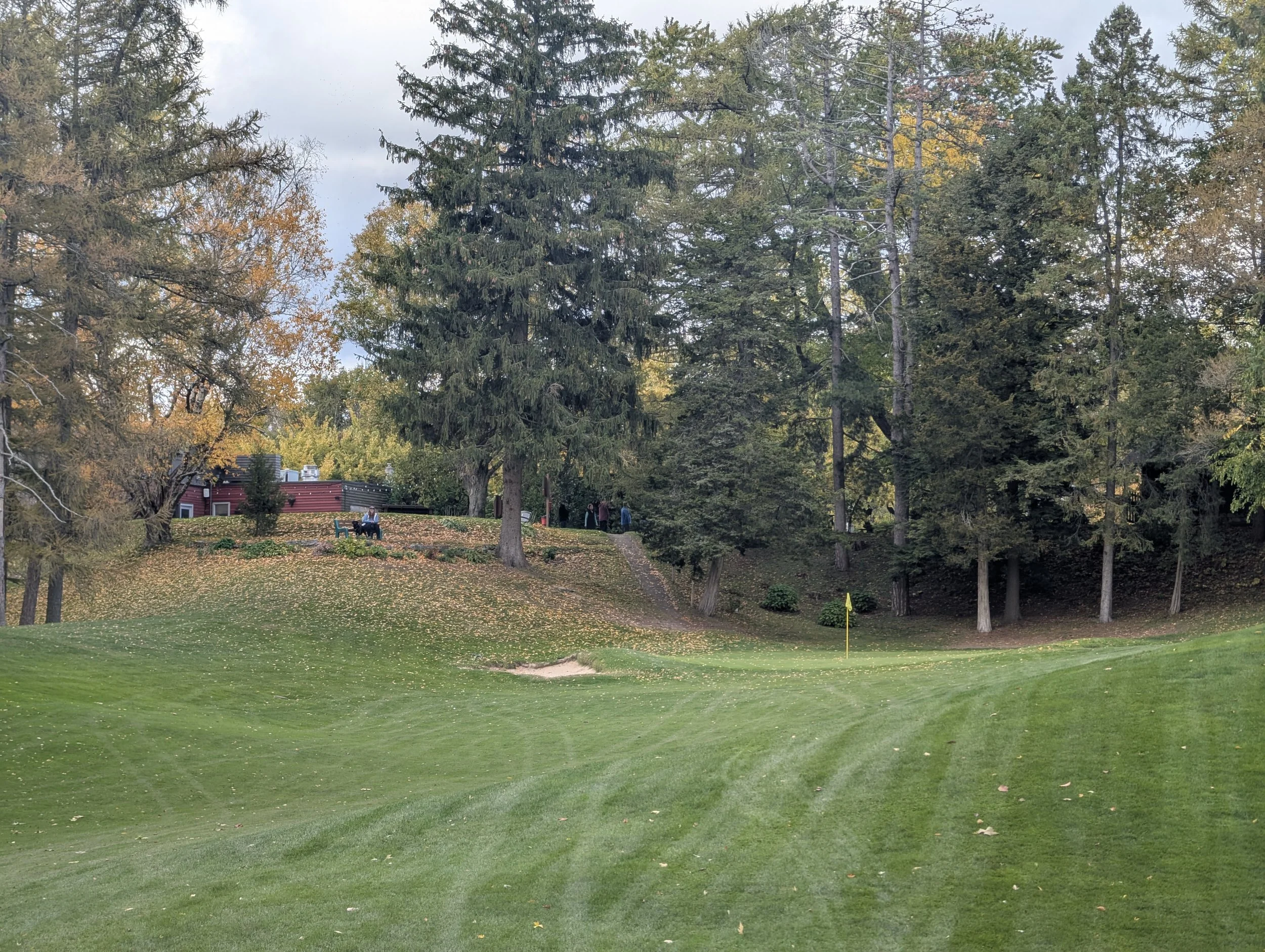
Second hole, 145 yards: One of the notable design characteristics at Norfolk are the positioning of the greens. The first green is carefully carved out on top of the small plateau adjacent to the second tee. While the second green sits across the valley, cut directly into a steep hillside. Its surface is sort of kidney bean shaped, wrapping around the large tree that sits on its back right corner. The narrow ridgeline that the space occupies is ever so slightly above the teeing ground in a way that compresses the visual perceptions. While greater emphasis could be placed on mowing out the lines on this green closer to the slopes and further back on this plateau, its a fantastic placement for this short hole.
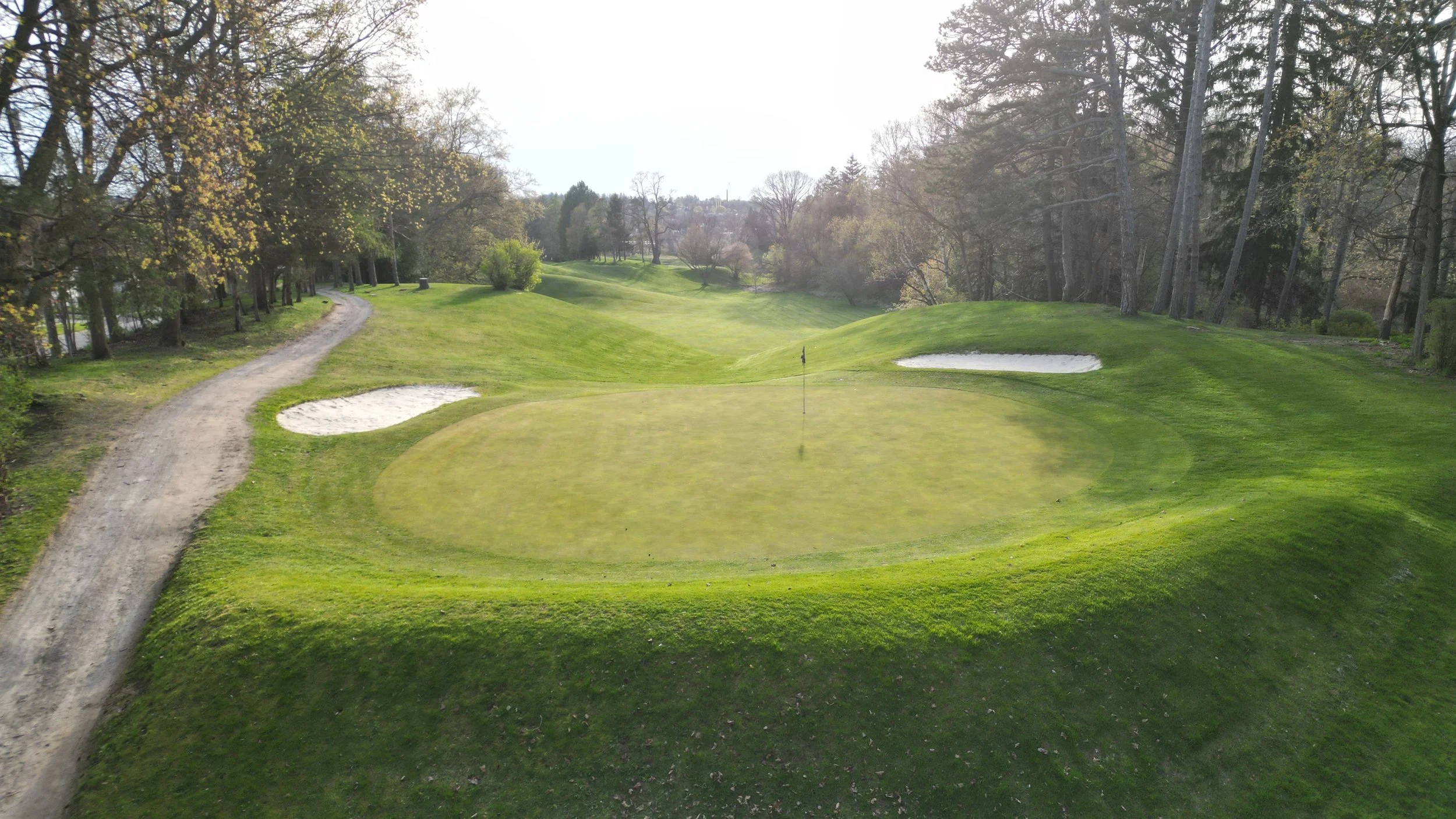
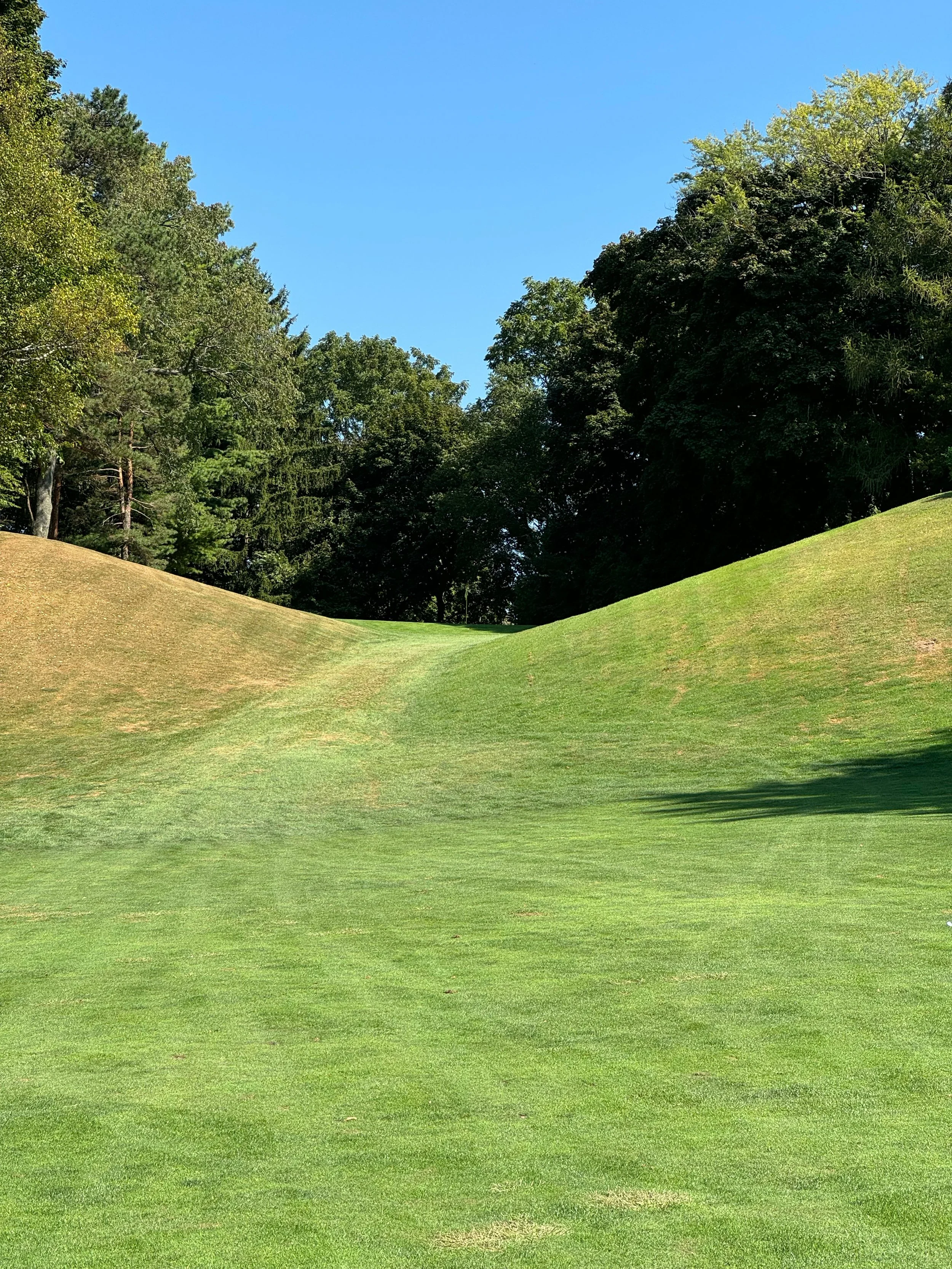
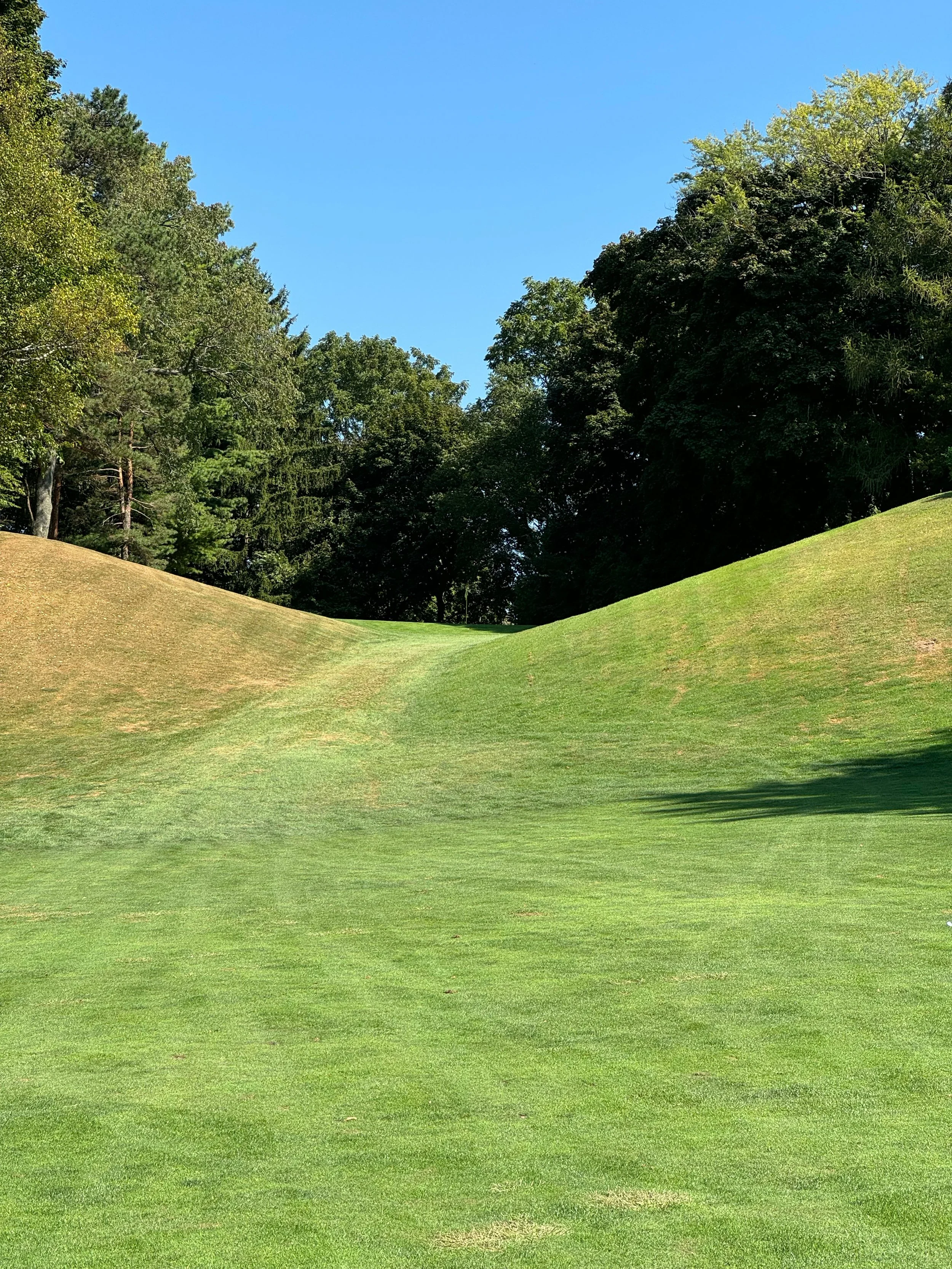
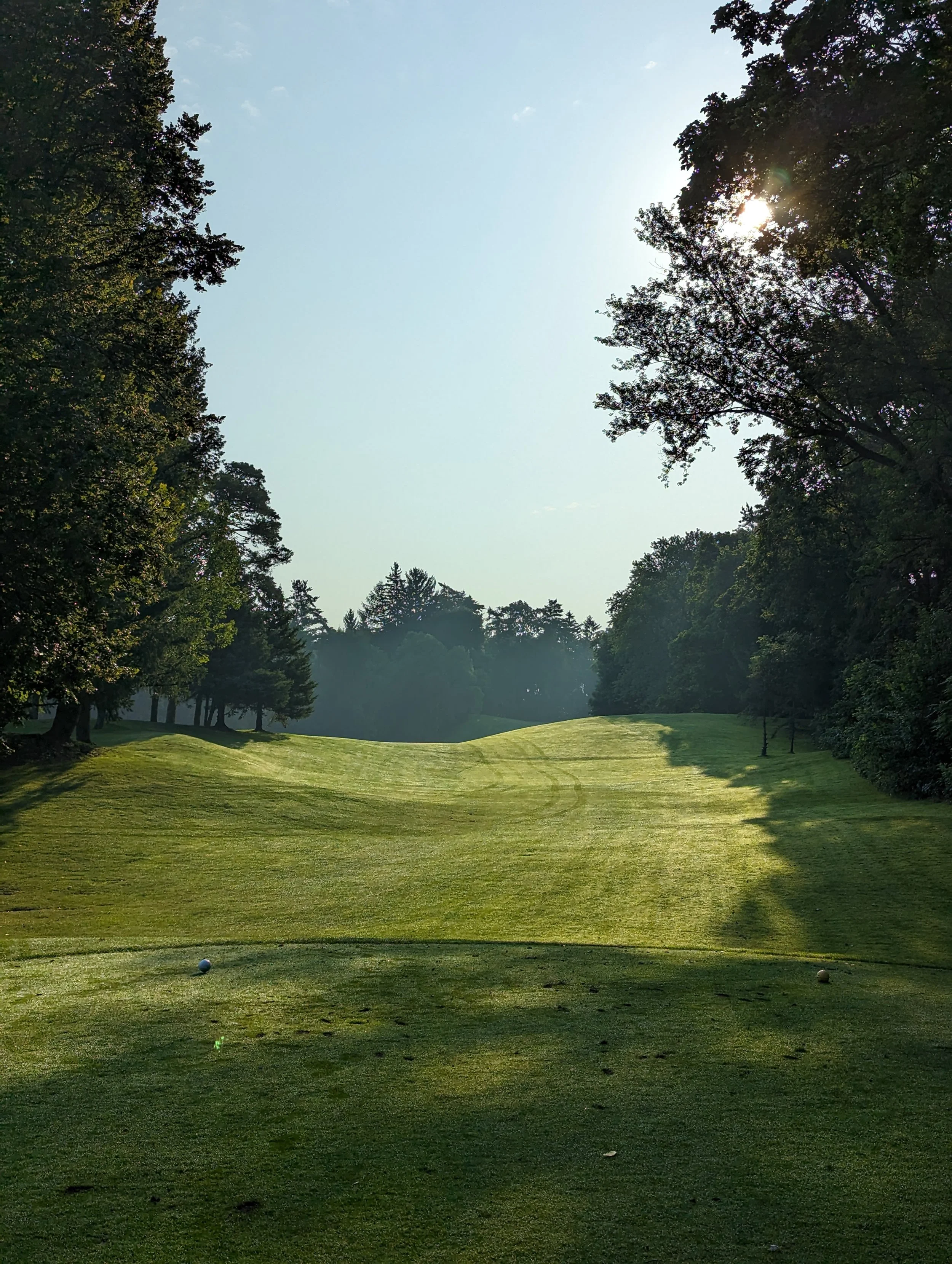
Third hole, 342 yards: The third is among the best holes at Norfolk. From the tee a pair of large hills frame and partially obscure the tee shot, and while the flag may be visible in the distance, aiming directly at it edges the player toward out-of-bounds. The correct line requires deliberate restraint — playing away from the target to earn a better angle from the left fairway. First-timers will likely learn this the hard way. Similarly to the first and second, the third green is tucked up on top of another elevated piece of land. Due to the elevation change the green is blind, with only the flag directing the line of play. This small back to front tilting surface cautiously sits between the dense surrounding foliage.
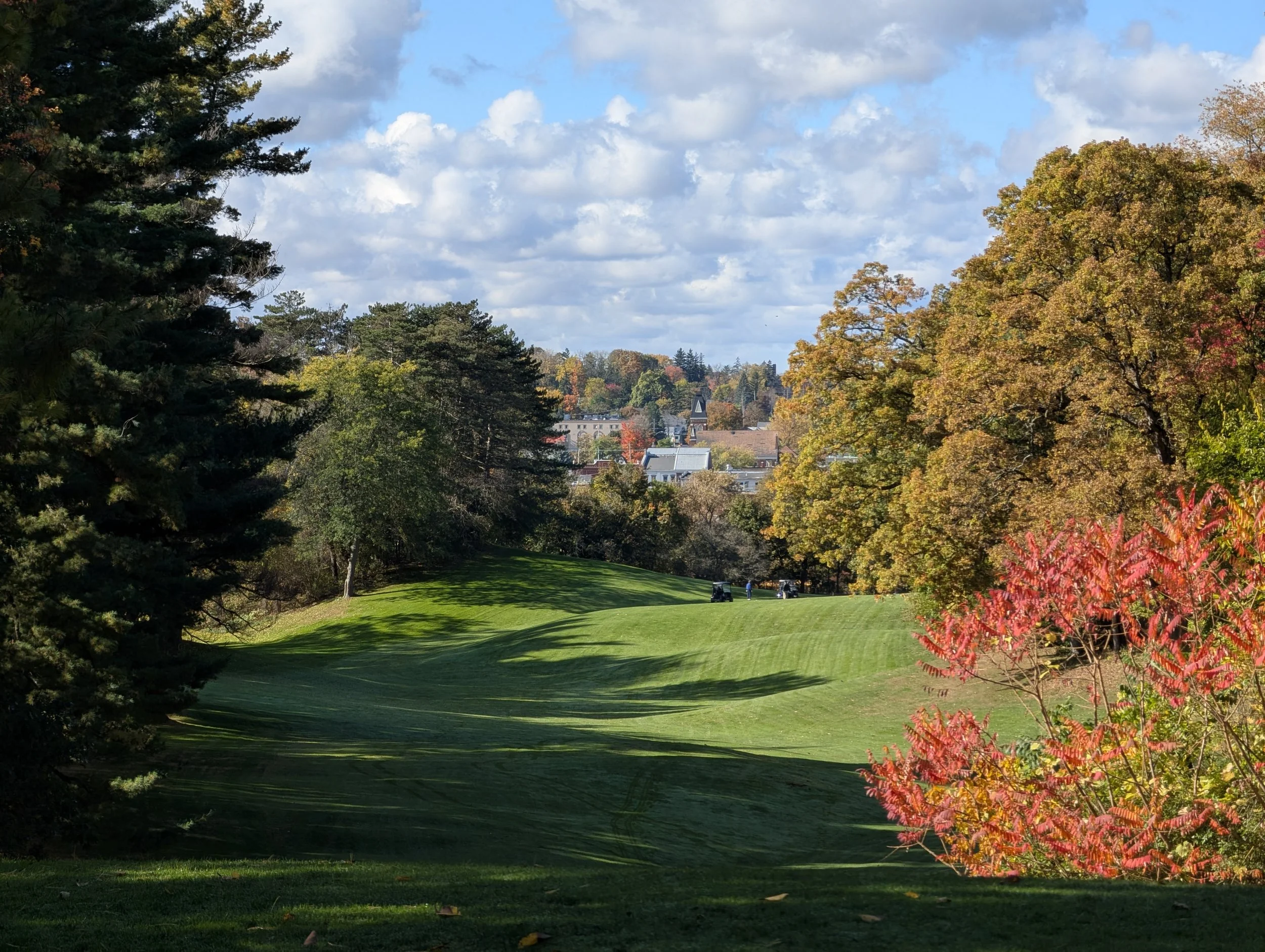

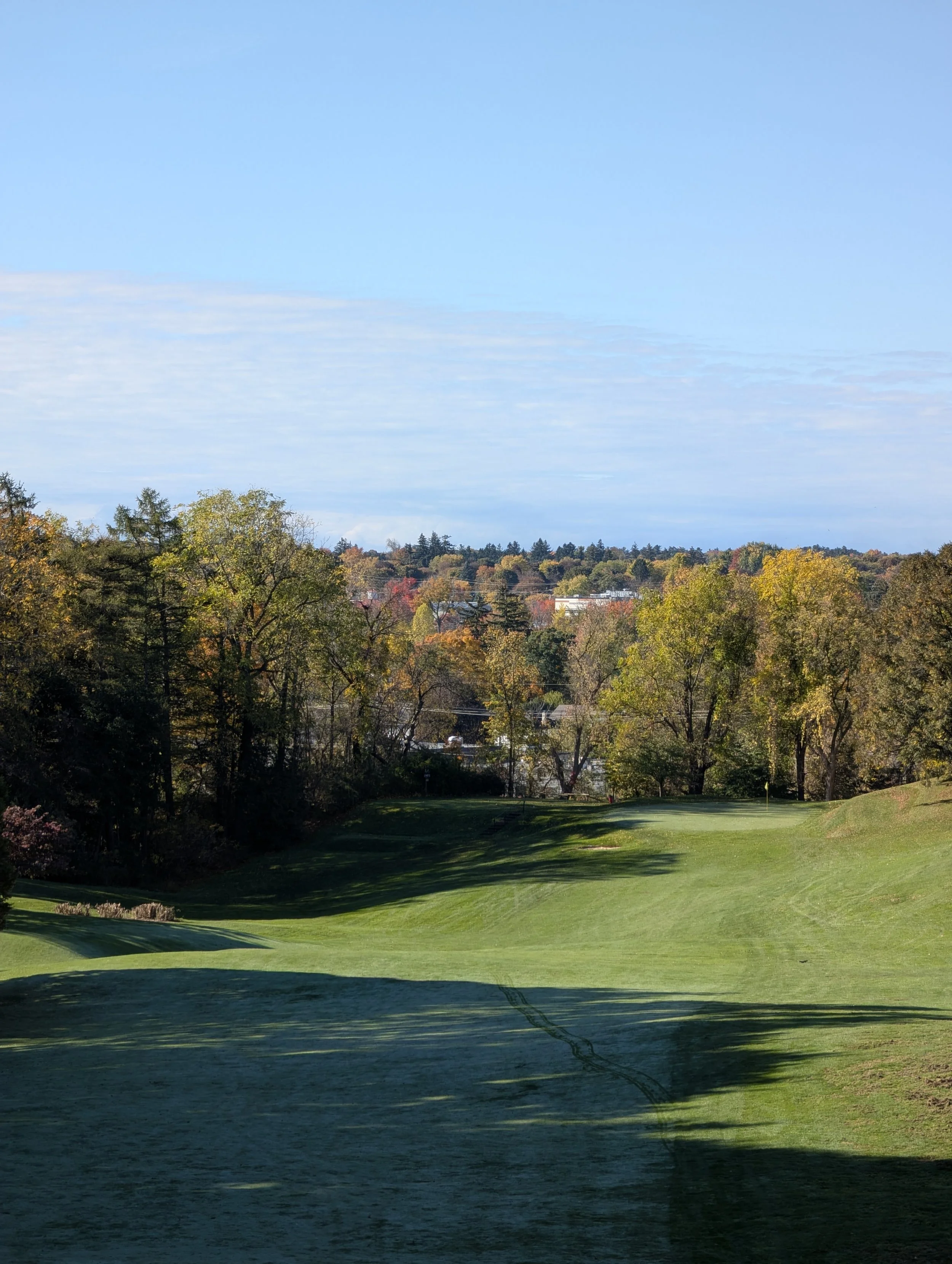
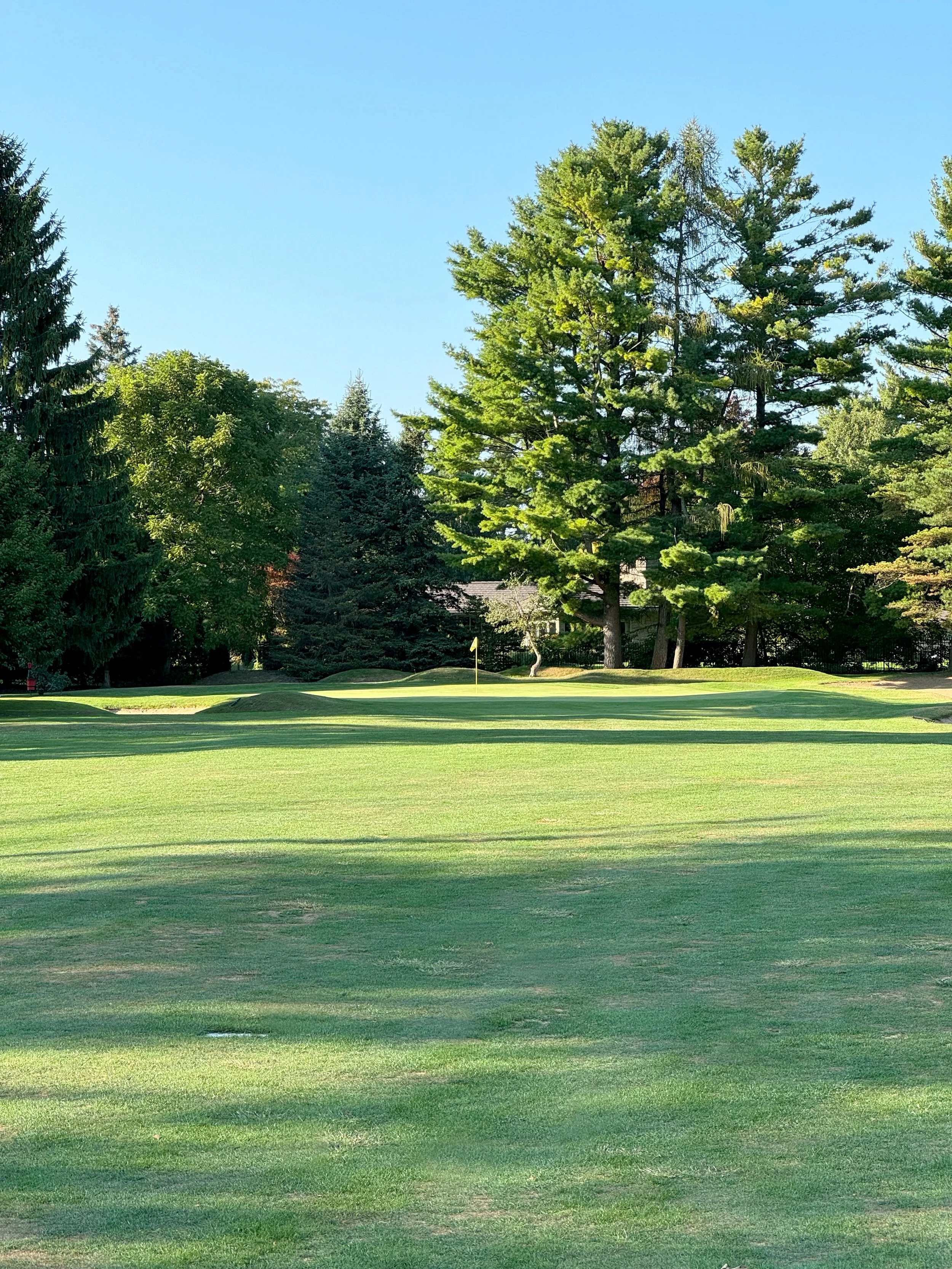
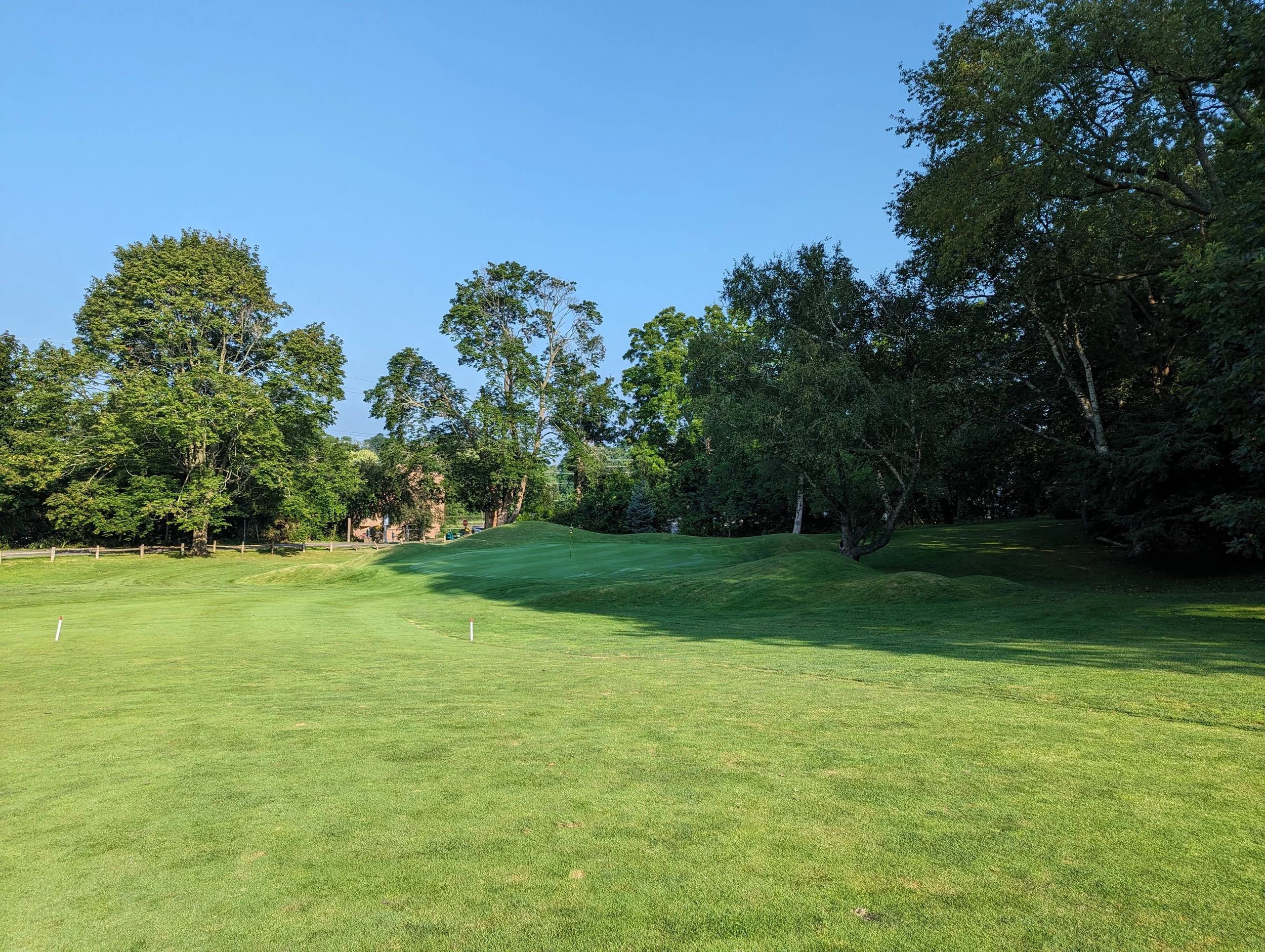
Fifth hole, 456 yards: As the land continues to rise and fall around the property, there are these natural crescendos and big dramatic moments. At the fifth, Norfolk's signature hole, the elevated tee, a brief glimpse of downtown Simcoe appearing through the trees in the distance, and the tumultuous hills ahead, deliver this triumphant exclamation. With Norfolk’s property being less than 50 acres in size the golf course is naturally short. Yet, holes like the fifth really put an emphasis on placement of shots and strategy to have the opportunity to achieve less than par. The tee ball must find the left half of this fairway to try and chase second shots towards the green which is hidden behind the rolling hills and the curving shape of the hole. The green site sits surrounded by these hummocks, perhaps evidence of Stanley Thompson’s involvement with the club, or perhaps influential in his future designs - the mystery of his involvement, if any, eludes researchers today.
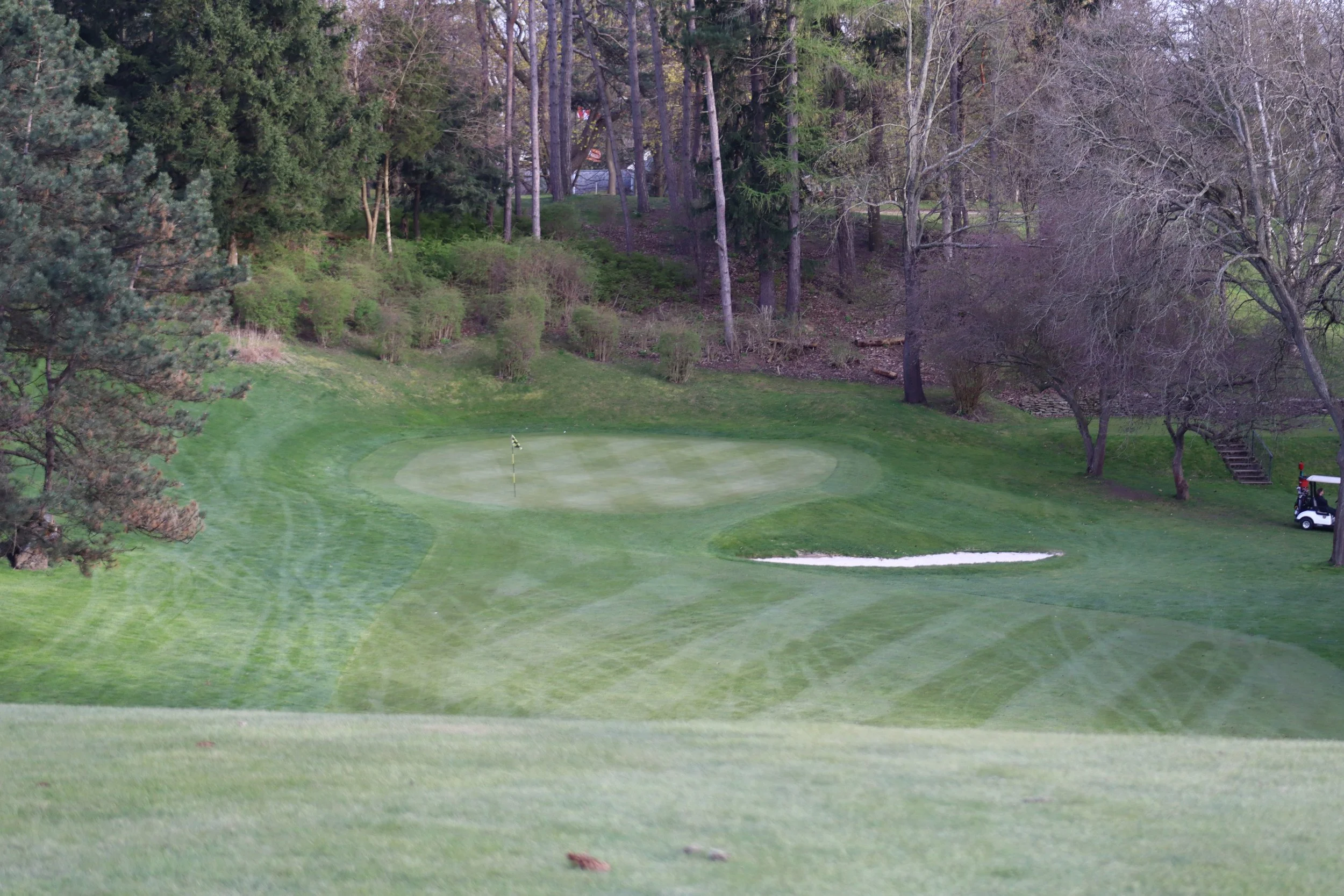
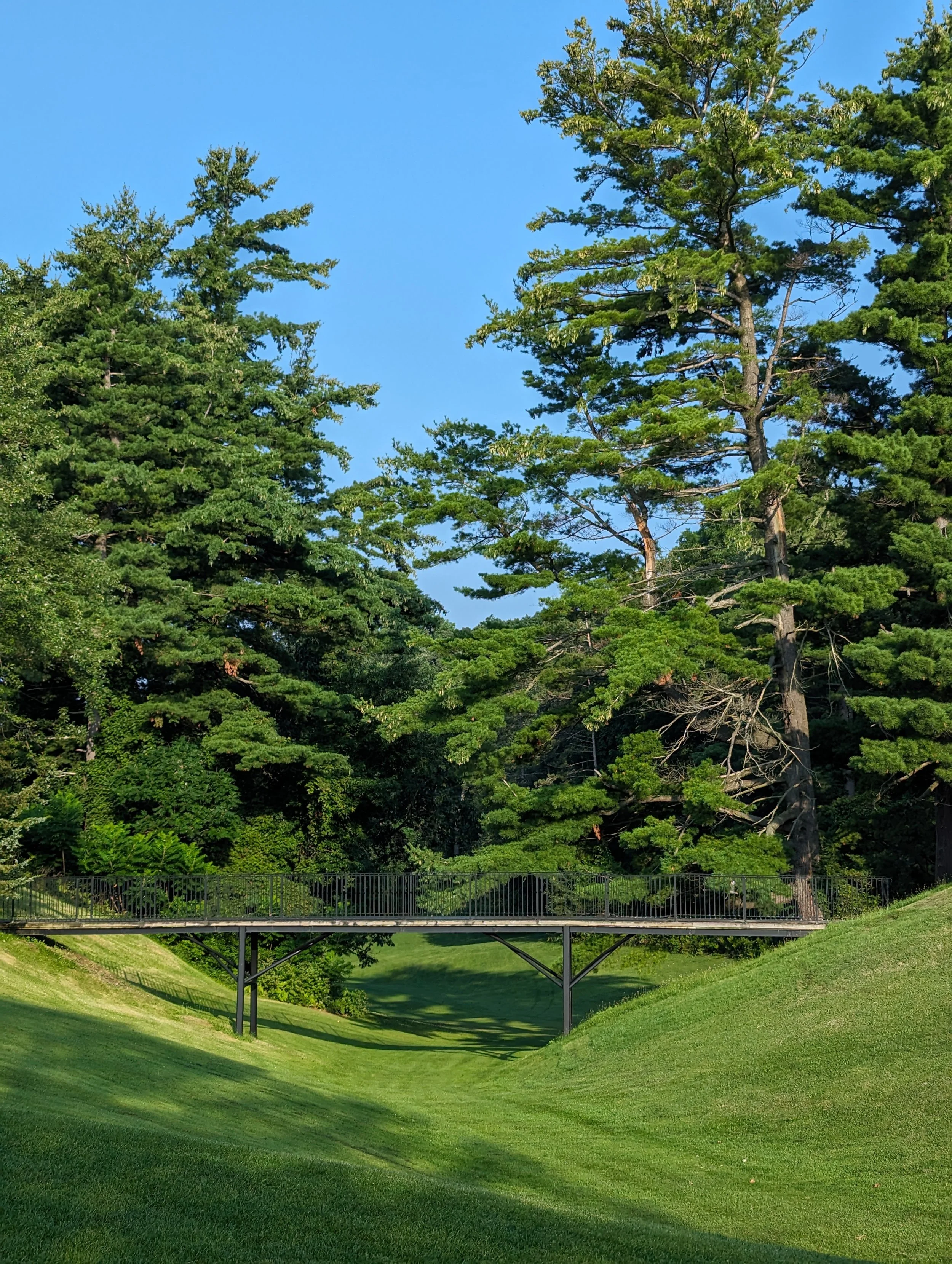
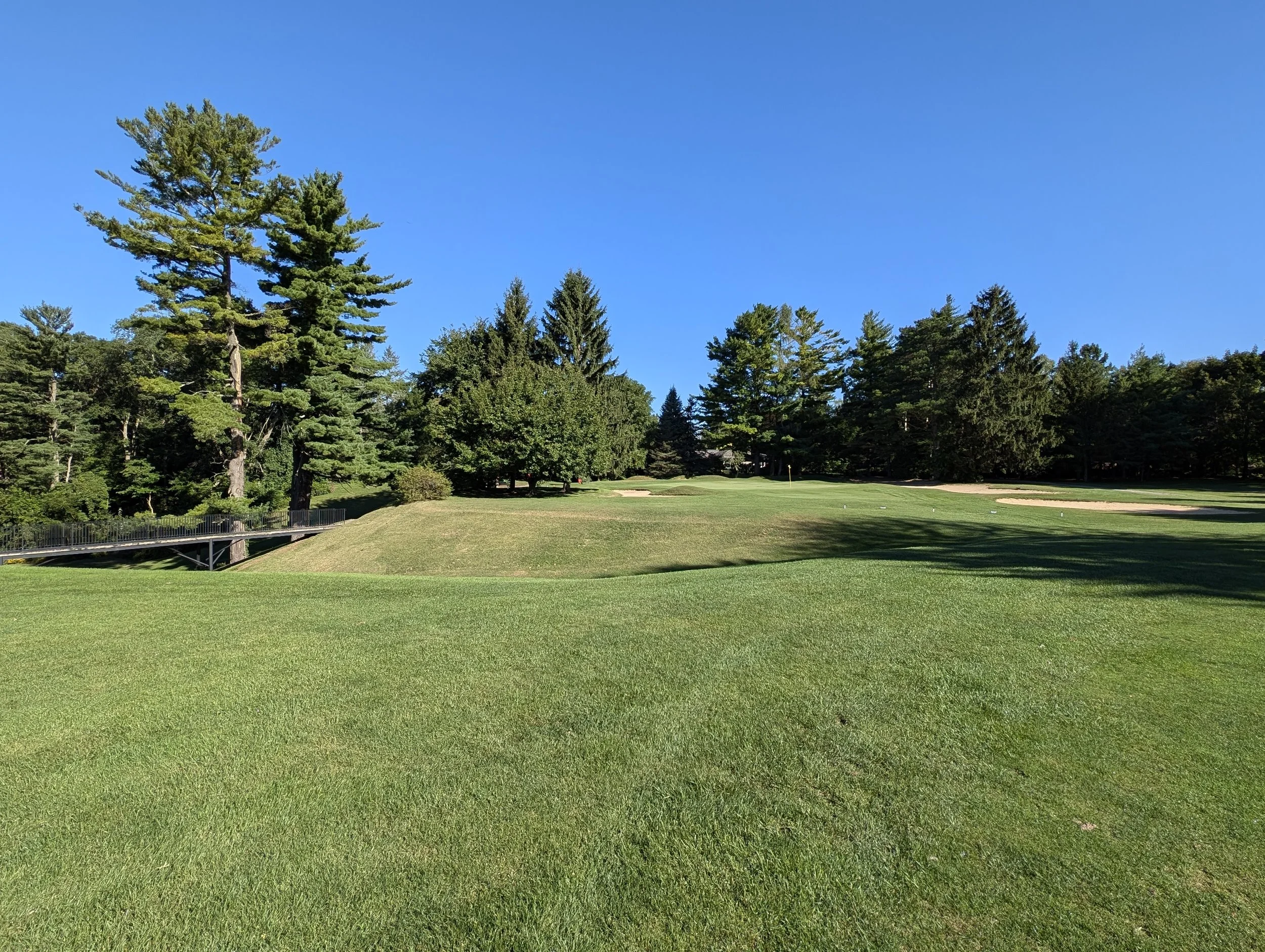
Eighth hole, 405 yards: The longest par 4 on the card begins with the most demanding tee shot. From the tee, which sits on the other side of the valley for which the fifth navigates, players must drive through a narrow corridor of mature trees, leaving little margin for error. What makes the hole memorable, however, is what happens after. As the player recrosses the bridge and walks toward their drive, the deep valley gradually reveals itself. A dramatic drop towards this tiny target below comes into full view. In summer when the ground is firm, players may be able to drive all the way down this dramatic slope.
It’s clear that Norfolk has long been a club where people enjoy the game due to its adventurous sense of place. The club’s early design ethos focused on using the land as it laid, rather than imposing on top of it. People often chase experiences like this in overseas destinations. Yet, Norfolk remains a quiet, rather secluded club. Perhaps that’s part of the charm at a place like this, walk up and hit the first tee and play 9 in less than 90 minutes, or try an alternate routing, criss crossing between holes as one see’s fit. Despite the fair criticisms regarding its agronomic maintenance, the course remains a high desirable layout suited for daily play.
You might also like..
-
Allandale
-
Braeside
-
Orchard Beach