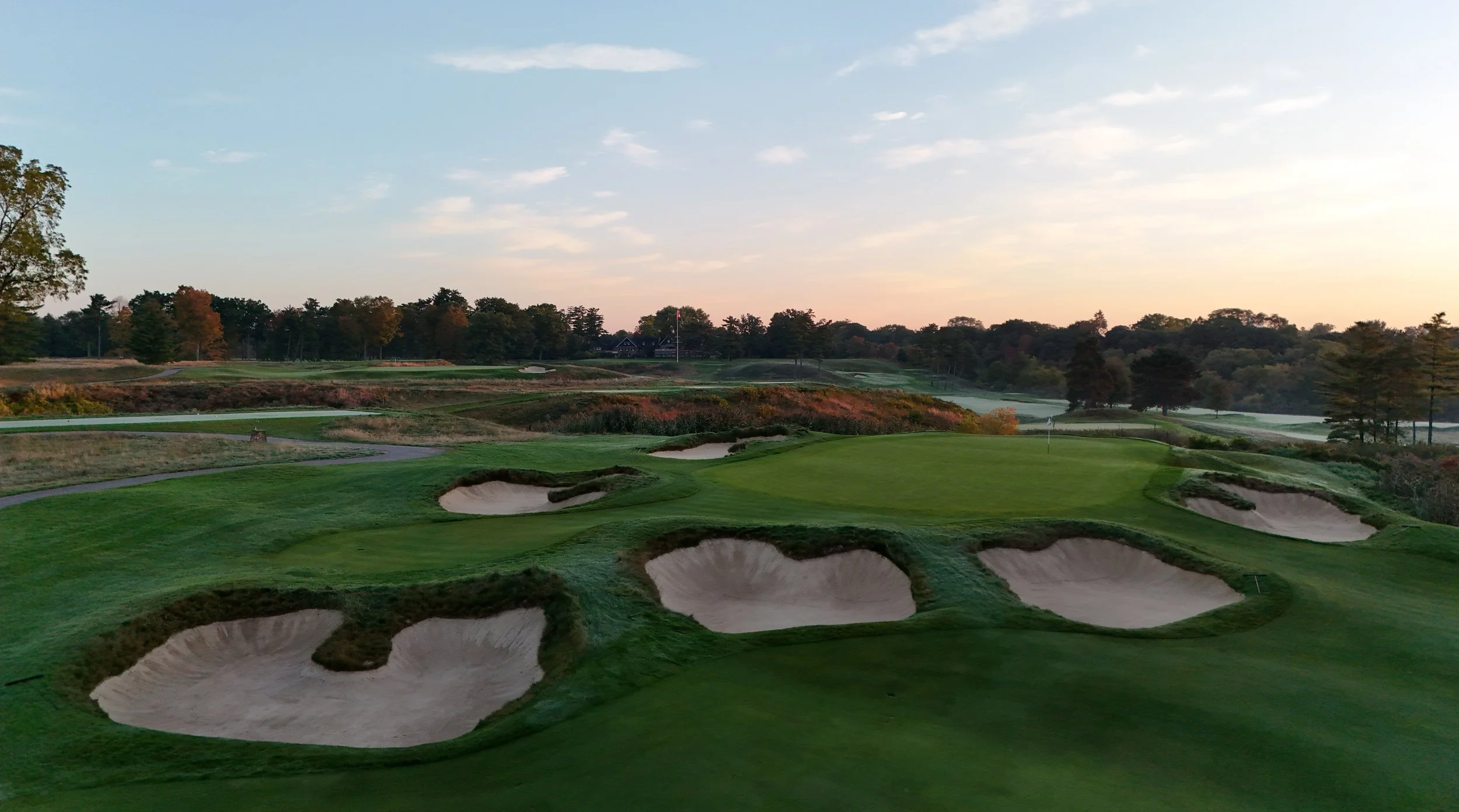
Canada

The criteria haven’t changed — thoughtful course design, strategic interest, and unforgettable settings still lead the way. However, in this list, the spotlight shines brighter and narrower. These 50 golf courses — while not the top 50 in Canada — cover the most unique experiences, best and quirky features, and everything that architecture fans would be delighted to play. The places genuinely worth seeing.
Must Plays are the crown jewels of Canadian golf.
They include Stanley Thompson’s five masterpieces, modern oceanside links in Cape Breton, a mountainside Rod Whitman adventure, a prairie retreat tucked into the boreal forest of Prince Albert National Park, a pair of Harry Colt & C.H. Alison golden-age designs, and a beautifully preserved C.H. Alison & Walter Travis collaboration in rural Quebec. These are the 12 absolute must play golf courses in Canada. Do whatever you can to play them.
Medium Recommendations highlight exceptional courses you’d never be upset to play.
Places worth making a high level of effort to visit if you’re nearby or looking to round out a trip. We factor in proximity to population hubs and other top-tier courses. Although farther outlying destinations such as The Algonquin — a coastal retreat in scenic St. Andrews-By-The-Sea, New Brunswick — and Waskesiu — with its bold fairway contours rivalling those at Cape Breton Highlands Links, earn their places here. While a majority of these clubs may be private, they are worth making connections to see.
Light Recommendations are the delightful supporting cast.
Courses that bring charm, challenge, and a little wow-factor. Think of this list as inspiration for quality golf experiences with a little emphasis put on unique golf adventures unlikely to be found elsewhere in Canada, and those which might pair well with a course listed in the above categories.
Must Play.
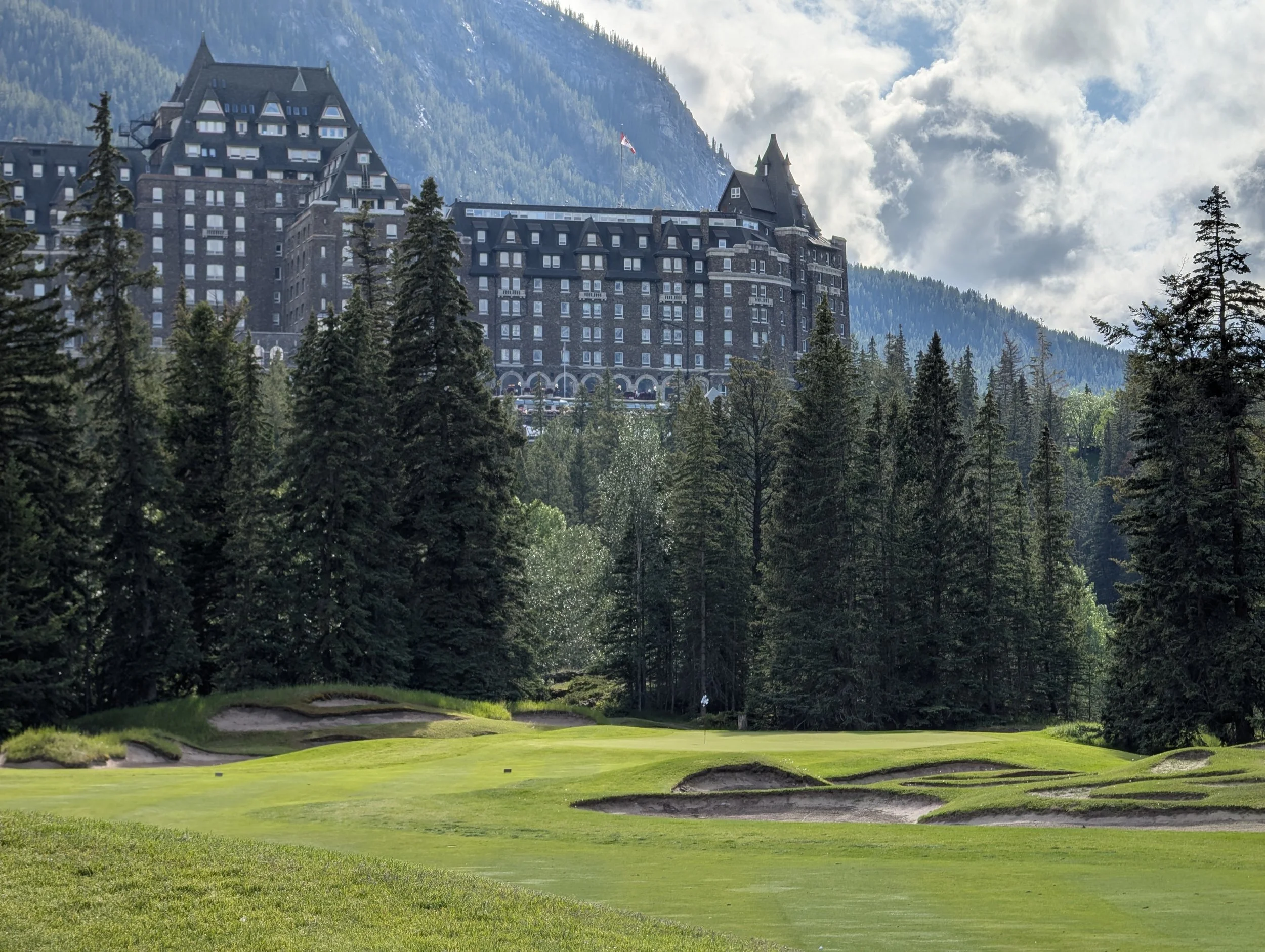
Stanley Thompson's most famous design set within the Canadian Rockies. The Rundle and Devil's Cauldron holes are among the most photographed in the world, but it is the routing's intimate relationship with the Bow River and surrounding peaks that elevates this beyond spectacle. Thompson's bunkering and green complexes remain imaginative and demanding, a fitting match for one of the great natural settings in golf.

Perched above the Gulf of St. Lawrence on Cape Breton's northern tip, Cabot Cliffs is among the finest new golf courses built anywhere in the world this century. Bill Coore and Ben Crenshaw sculpted a routing of incredible drama and variety — clifftop holes of breathtaking exposure give way to duneland corridors and intimidating green sites that are sure to be both visually dramatic and strategically complex.
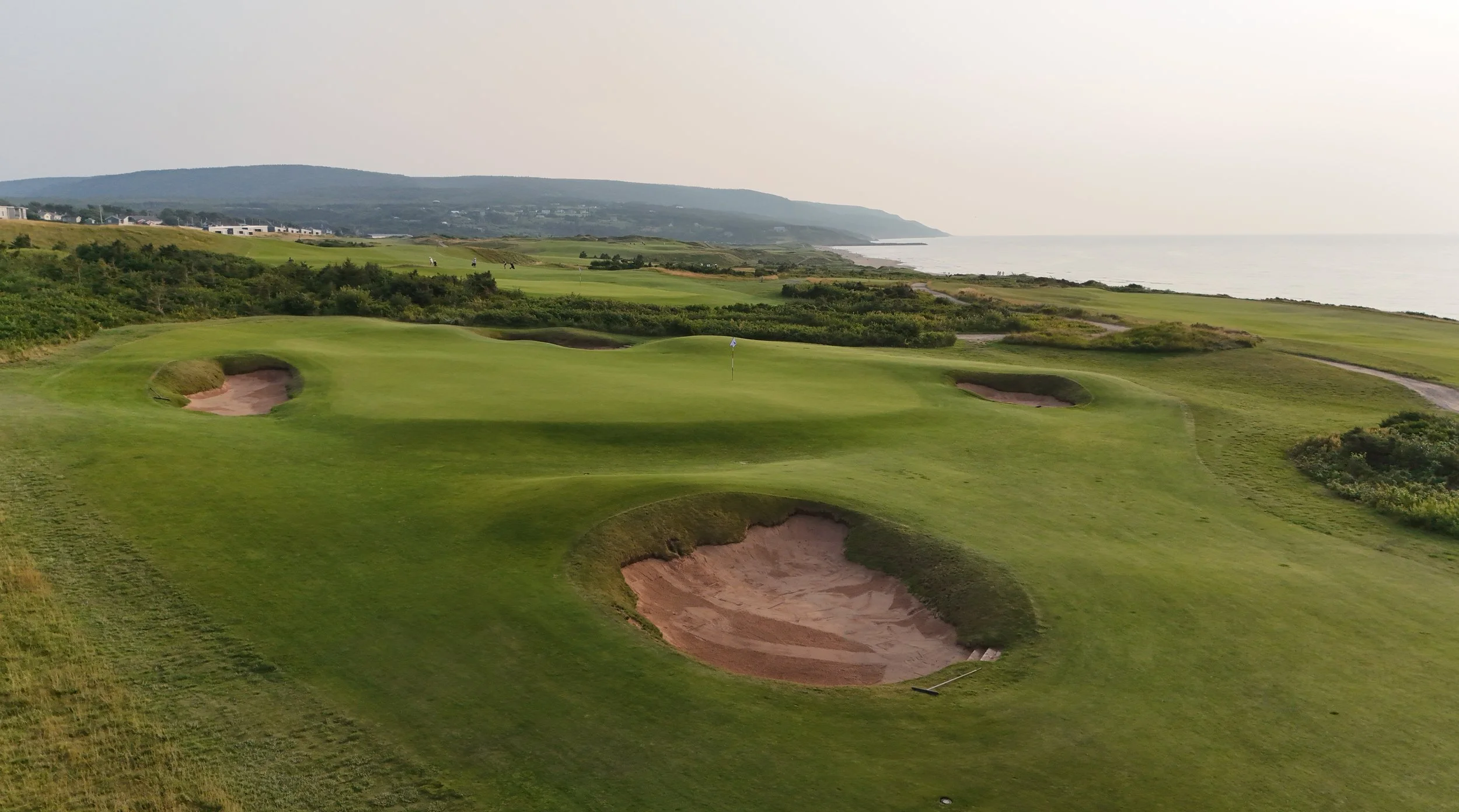
Canada's first true links course, built directly on an old mining site and the tidal flats beside Inverness Harbour on Cape Breton Island. Rod Whitman's design strongly embraces the ground game - fairways tumble and roll, winds shape every decision, and the ocean is a constant presence along the routing. Unpretentious in the best links tradition, improving with each play.
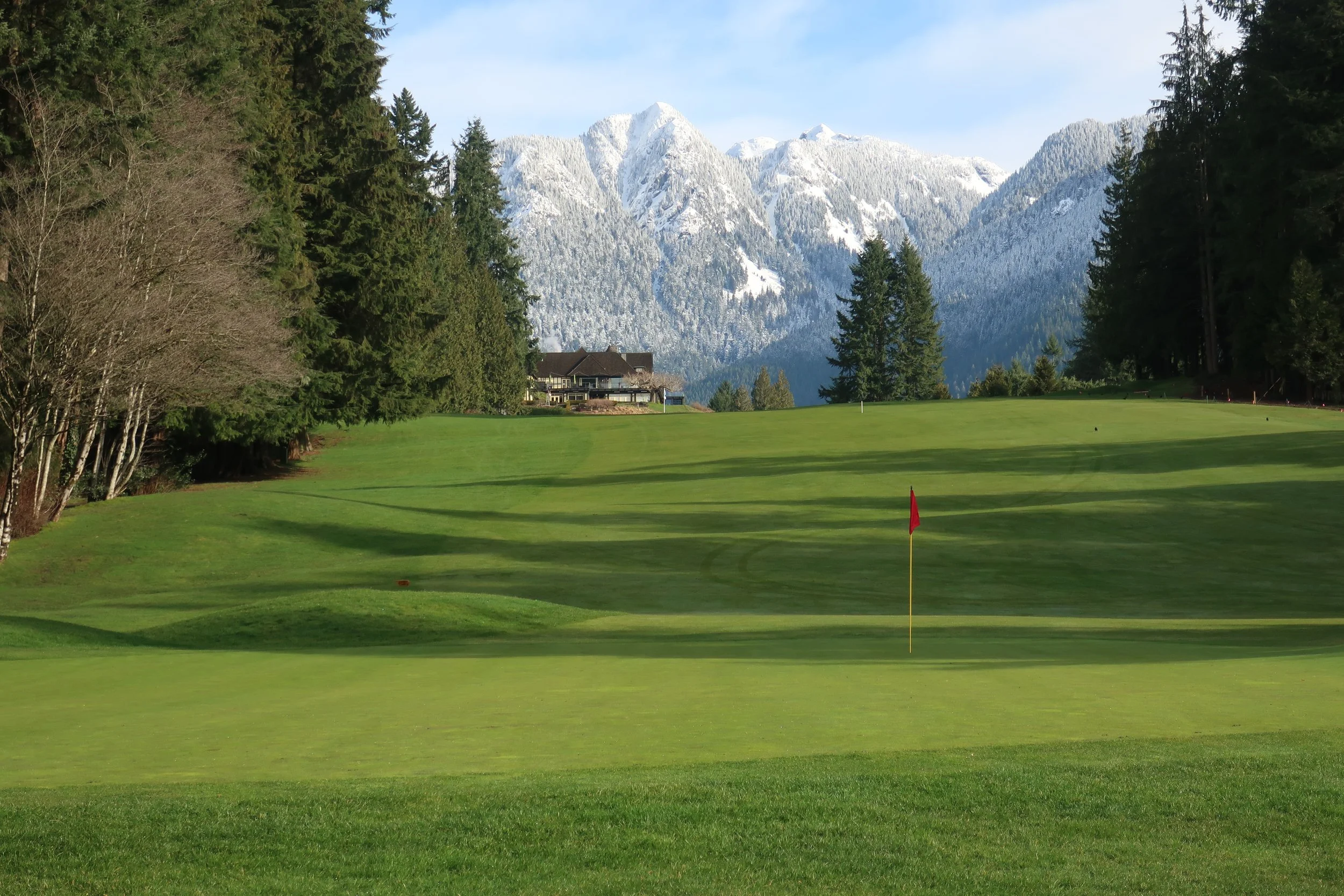
Stanley Thompson's 1937 routing across a densely forested hillside in West Vancouver remains one of the great private golf experiences in Canada. The property's dramatic terrain produces sharp elevation changes, blind approaches, and a routing that feels entirely natural despite the complexity of the land. Capilano is home to one of the greatest opening and closing holes in the country.
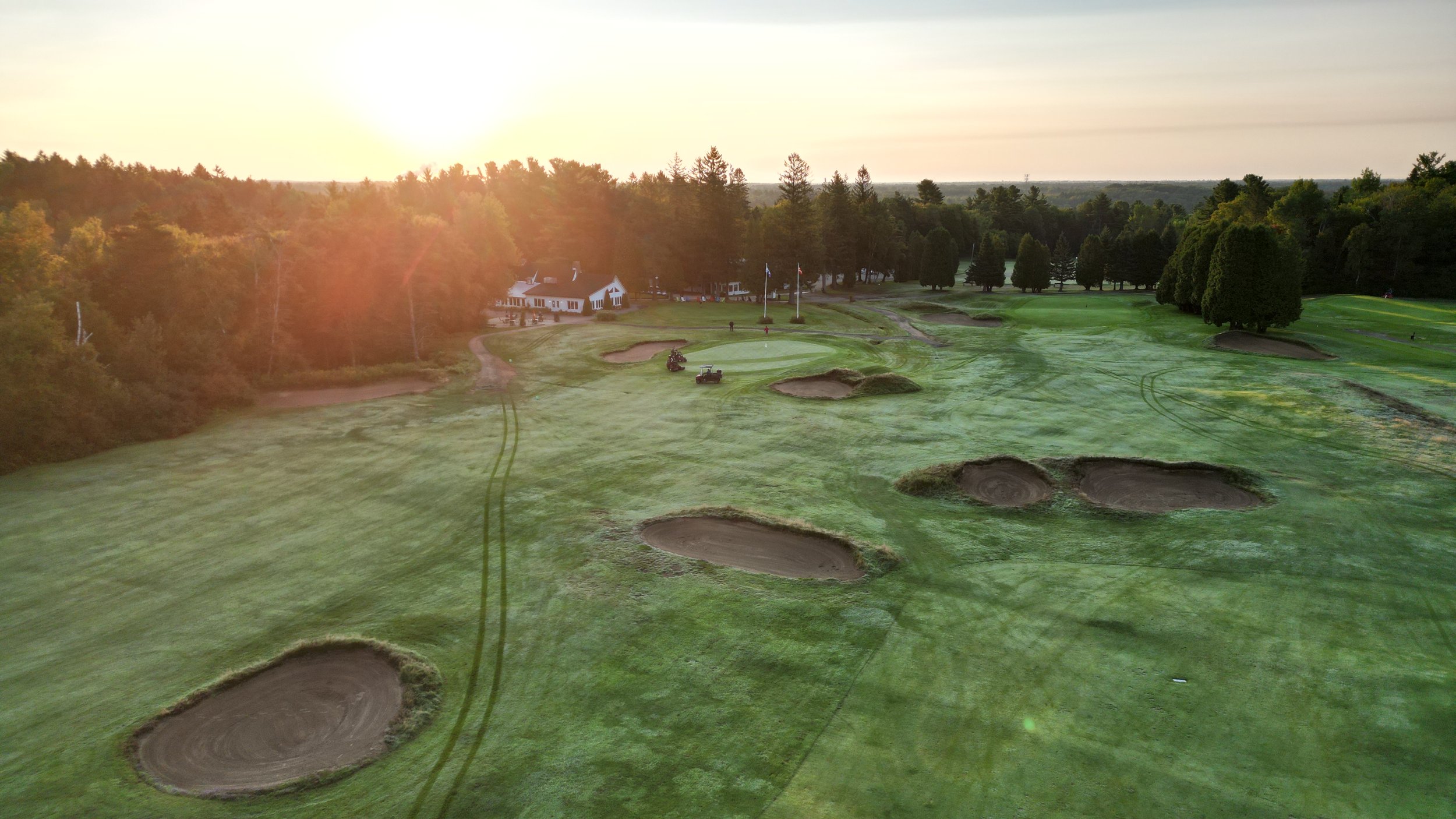
Albert Murray led Grand Mere's early nine-hole design, with Walter Travis revising the layout in 1917. Charles Hugh Alison expanded the golf course to 18 holes in 1922. The routing through the dense boreal forest plays with confident restraint. A strong set of green complexes and bunkers are the visual and creative highlights imposed on the land. Grand Mère is a genuine hidden gem and among the most rewarding layouts anywhere in the country.
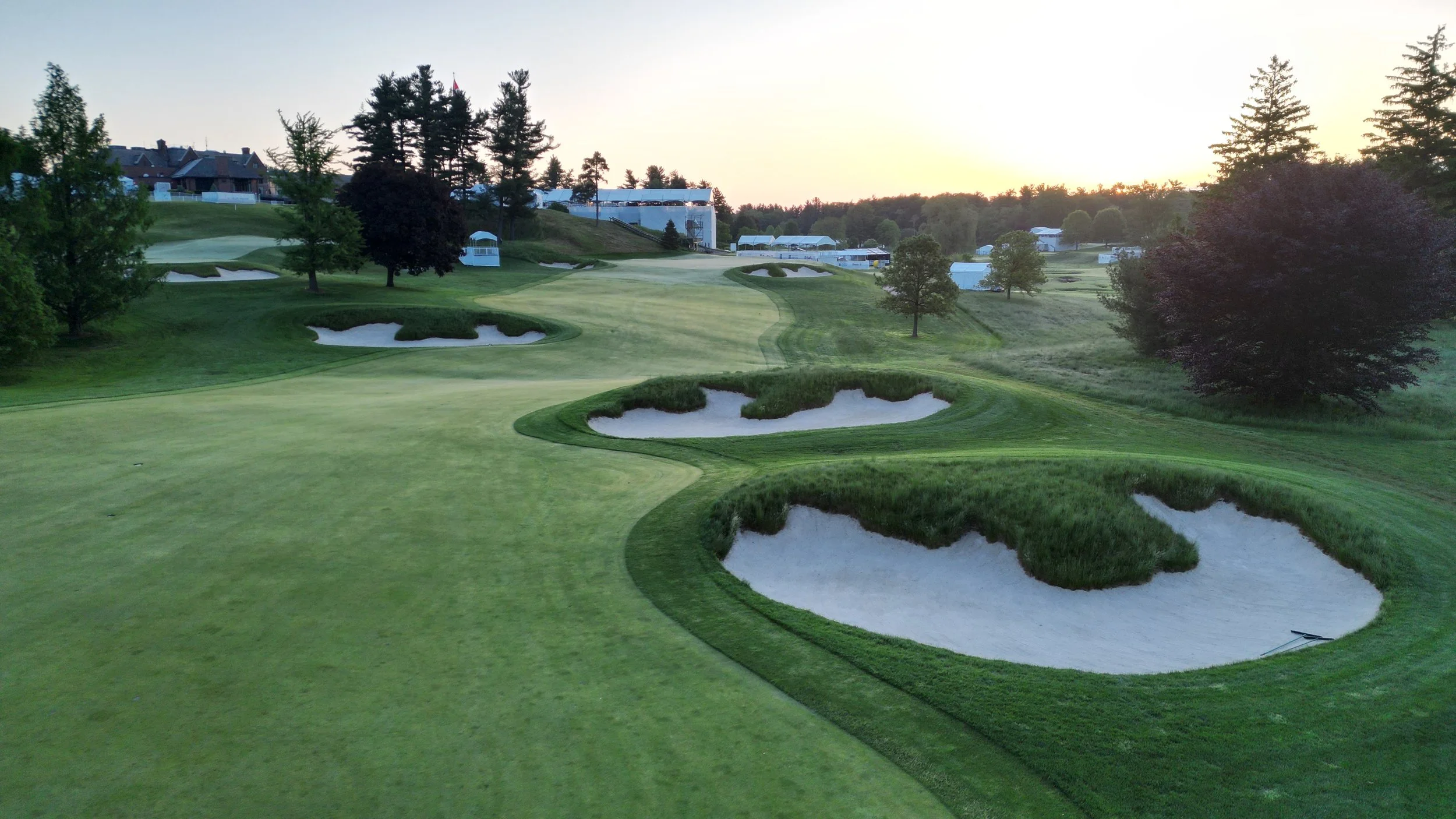
This Harry Colt & C.H. Alison masterpiece is deeply regarded as one of the finest designs in Canada. The routing is exceptionally strong - focused on topographical and strategic variety - laid over the heaving land, criss crossing river streams and valleys, and segmented in distinct tracts in a triangular fashion. Recently renovated - to both wide public acclaim and criticisms - by MacKenzie & Ebert, the duo focused on reshaping green surrounds with emphasis on expansive run offs.

Stanley Thompson's mountains and oceans masterpiece. Carefully routed from Middle Head Island through Cape Breton National Park following the natural contours of the land with extraordinary care. Valley holes give way to headland views, and the Clyburn River crosses the layout repeatedly. While distant, Highlands Links is among the most accessible great courses anywhere in the World.
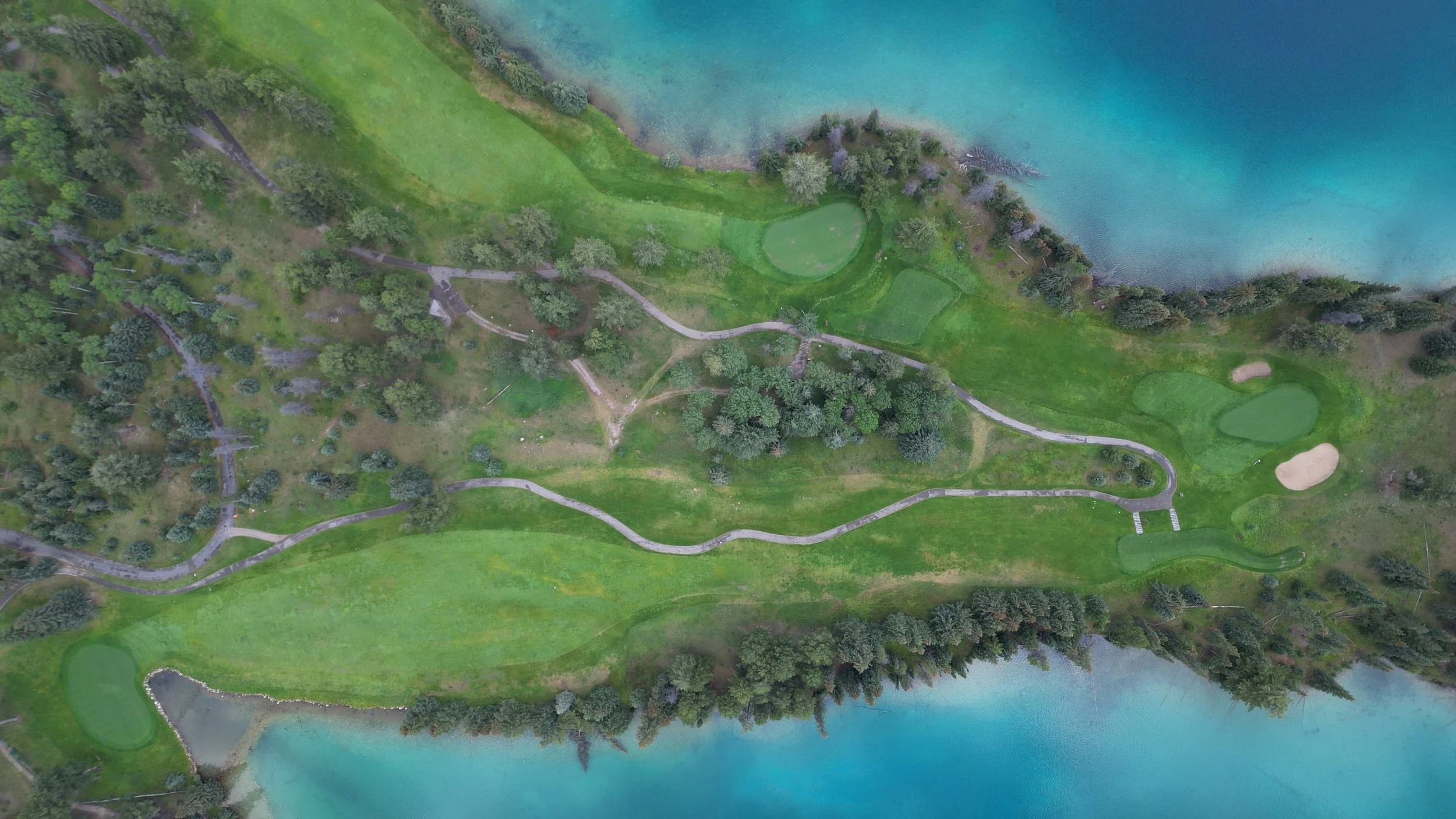
Stanley Thompson's mountain companion to Banff, built in 1925 on a glacially formed plateau surrounded by the peaks of the Canadian Rockies. Thompson's clever routing instincts are evident throughout in the brilliant use of elevation, visual deceptions, and mimmicing of distant mountain ranges in the bunker designs. Lac Beauvert and surrounding wilderness make for a setting that is impossible to replicate. A World Top 100 golf course.

Perched on a mountainside above Nicola Lake, Sagebrush's layout dances in the high desert thanks to Rod Whitman and co-designer Richard Zokol, who moved little and imposed less. Fairways follow the natural fall of the land, which is extreme at times, while greens are impossingly large and sharply contoured. The result is a course with genuine depth and a character that can't be manufactured.
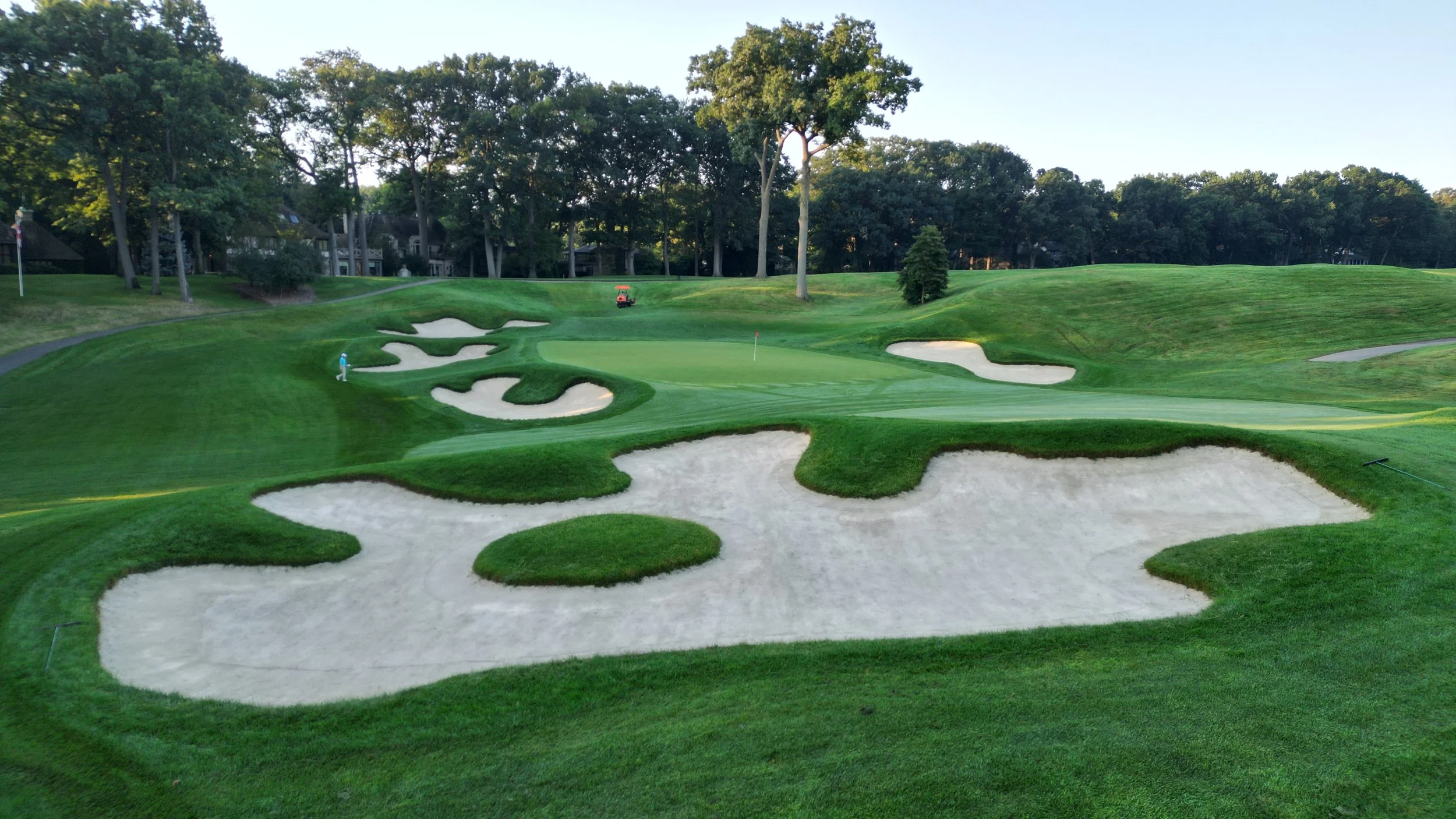
Stanley Thompson's design for the famous Royal York Hotel has become an all-time classic and Canada's most celebrated tournament venue. The heavily rolling terrain is some of the most exciting land for a parkland layout and Thompson's routing made the most of it. Working up and over the undulating topography to instill variety, visual pleasanties, and strategic deceptions.
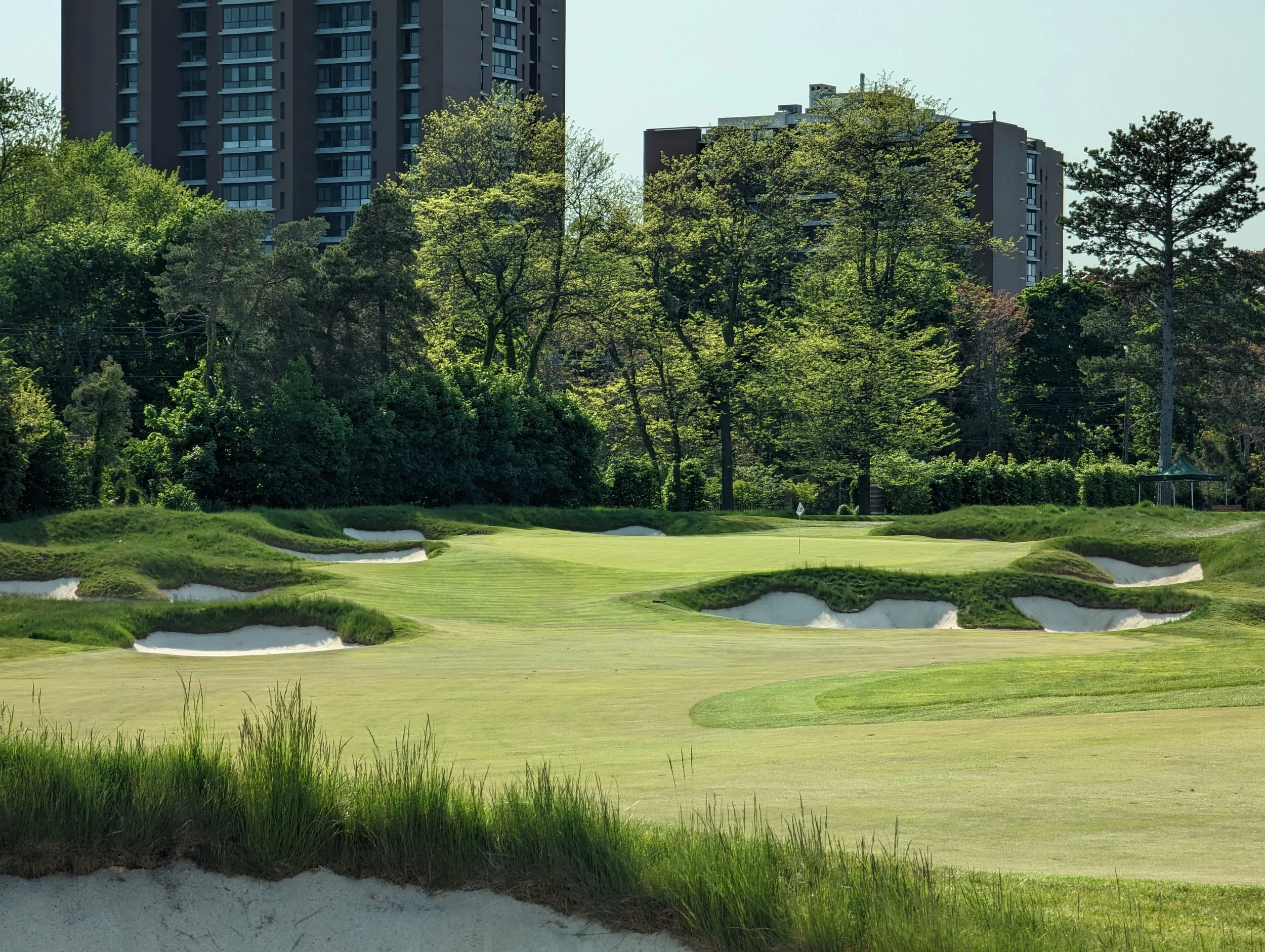
One of Canada's oldest and most venerable clubs, a Harry Colt and C.H. Alison routing of quiet, enduring brilliance. The course is understated by design — no dramatic views, no evidently signature holes, just a brilliant design across gently rolling terrain. Immaculately maintained and deeply private, Toronto Golf Club is among the most rewarding rounds in the country for those fortunate enough to experience it.
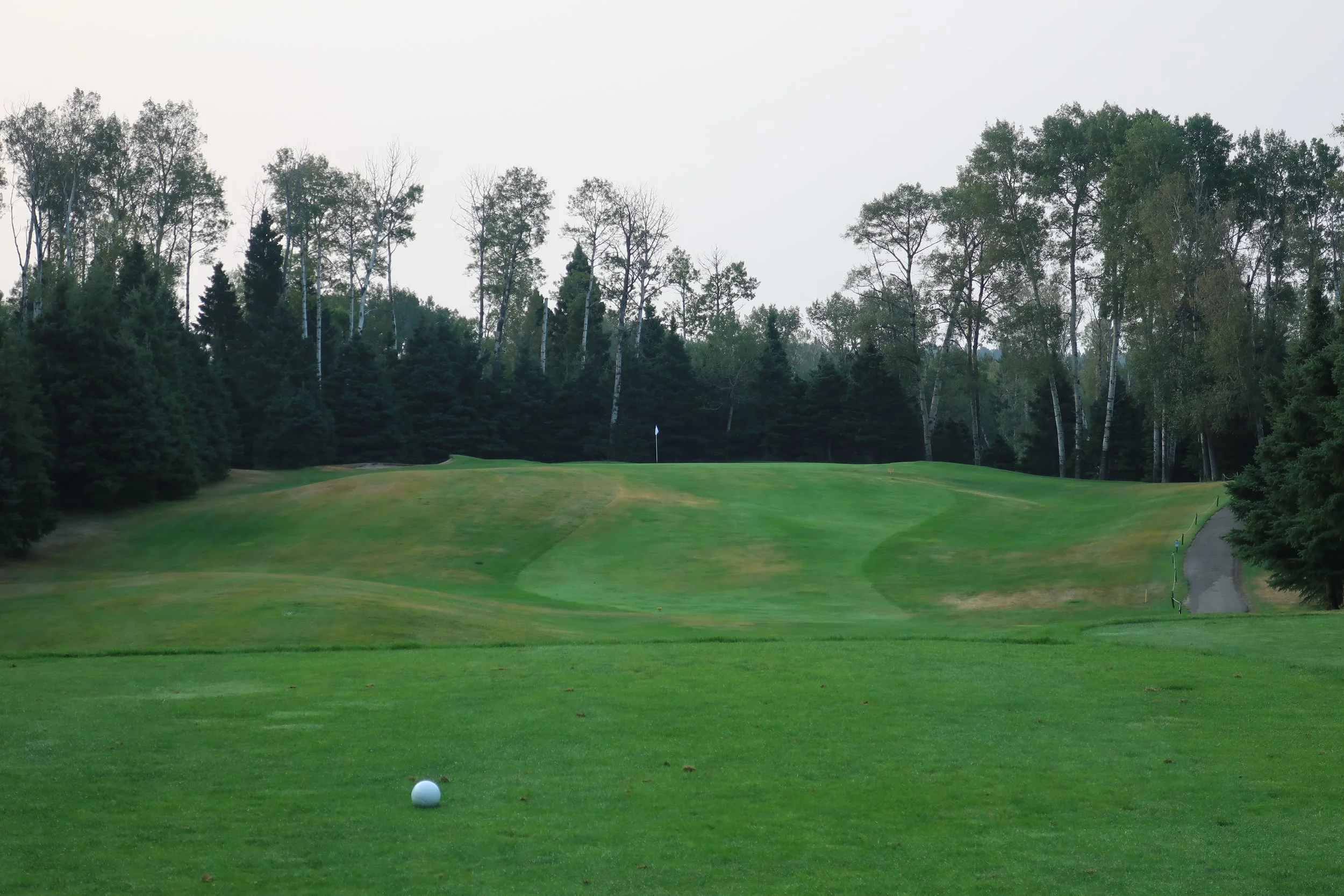
J.H Atkinson and Albert Kam designed prairie retreat - with inputs from Stanley Thompson along the way - routed through the boreal forest of Prince Albert National Park. The course plays across adventurously inspiring terrain hardly believable to be in Saskatchewan. Waskesiu is among Canada's most quietly satisfying golf courses.
Medium Recommendations.
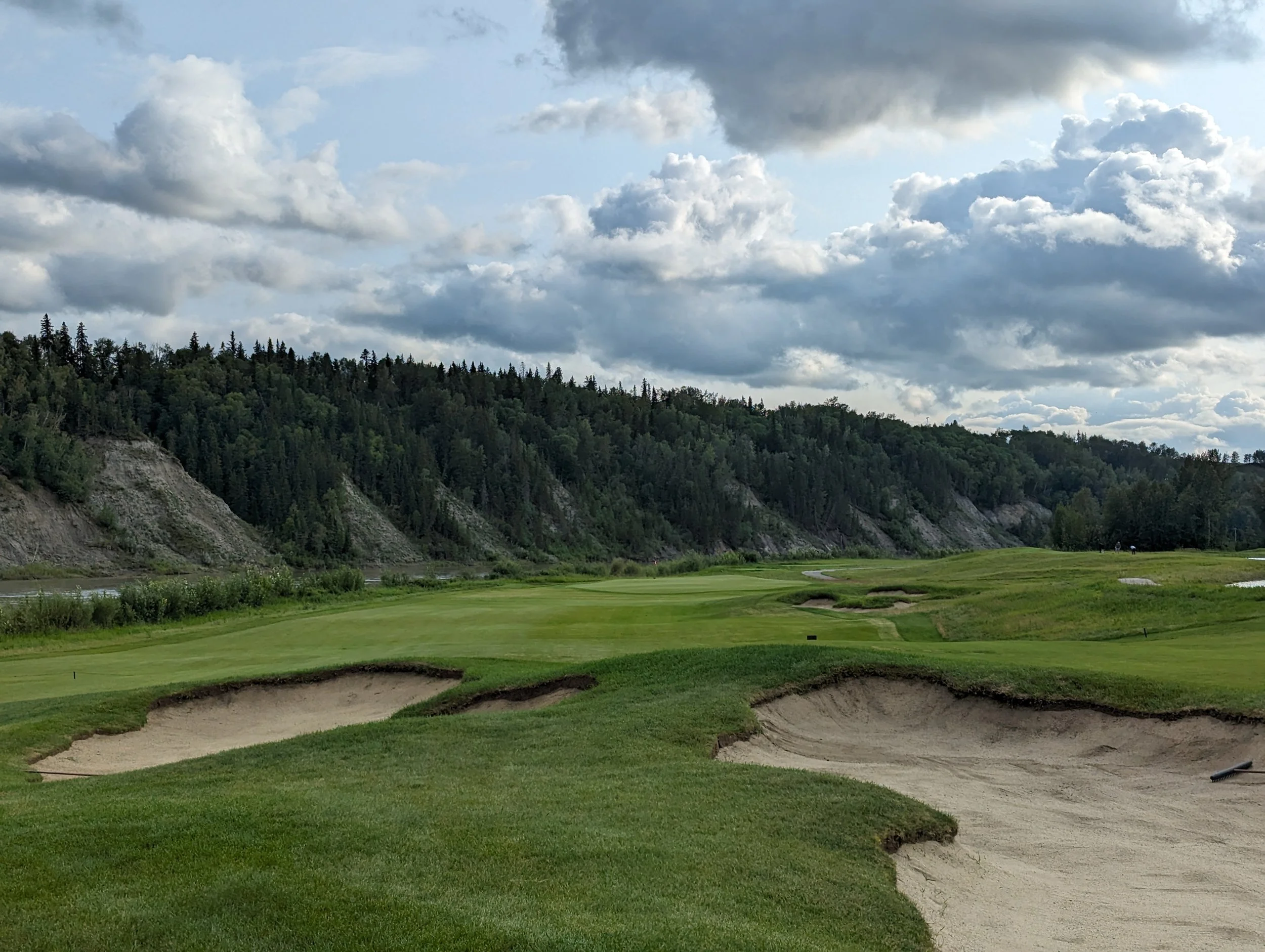
Rod Whitman's prairie counterpart to Sagebrush where the architect's characteristic restraint and intelligence showcases varied design, avoiding ornamentation entirely. Fairways work with the land, hazards are natural, and the greens are endlessly interesting. Blackhawk is one of the finest private courses in western Canada and a benchmark for thoughtful minimalist design.
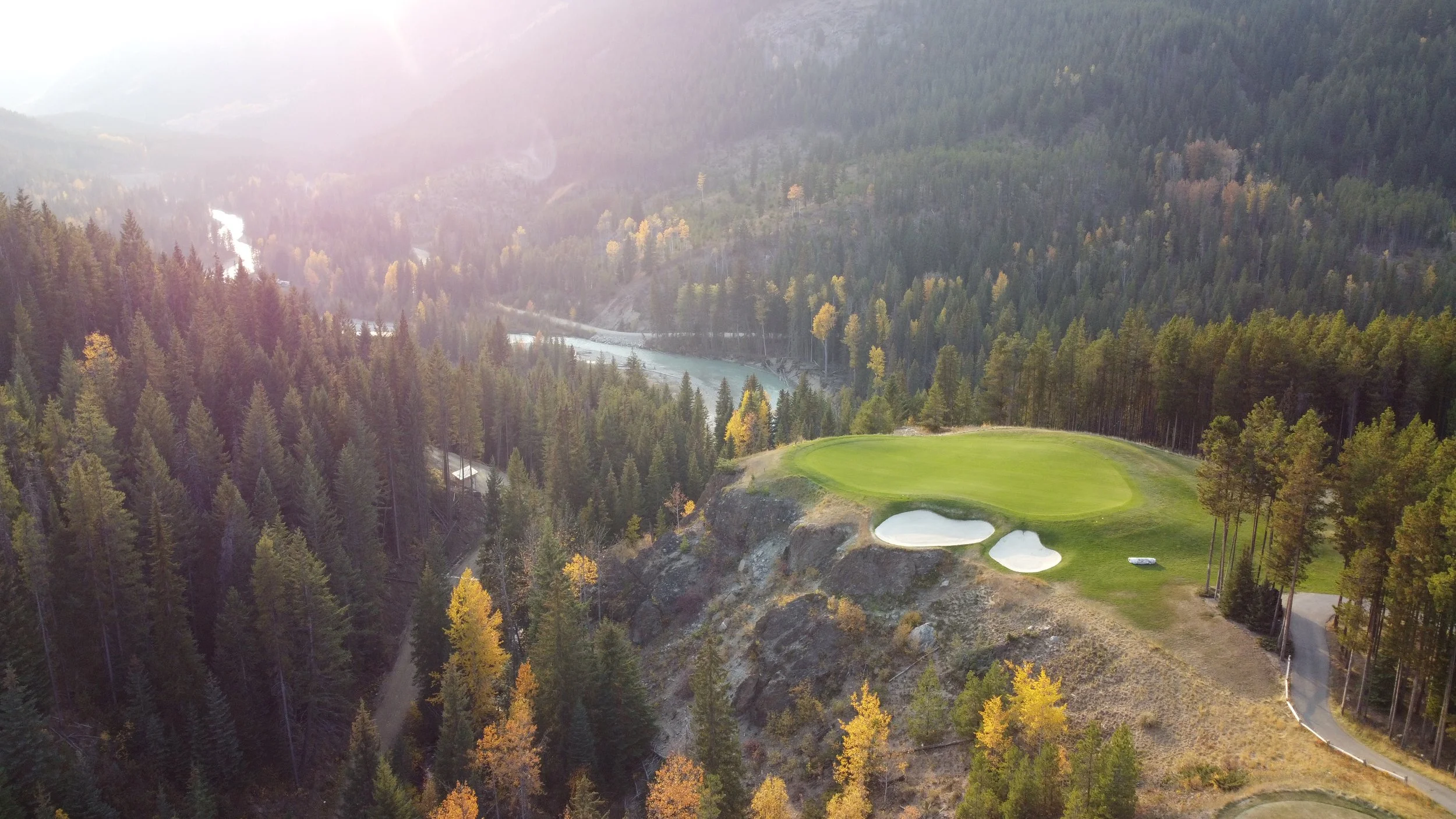
Greywolf is a picturesque golf course routed through the steep forested terrain high above the Columbia River Valley. The Cliffhanger hole — a par three suspended above a canyon — is one of the most dramatic in Canada, but the surrounding holes justify the trip independently. Elevation changes are extreme yet not unplayable, mountain views are constant, and the overall experience exceeds what most resort courses eagerly attempt.
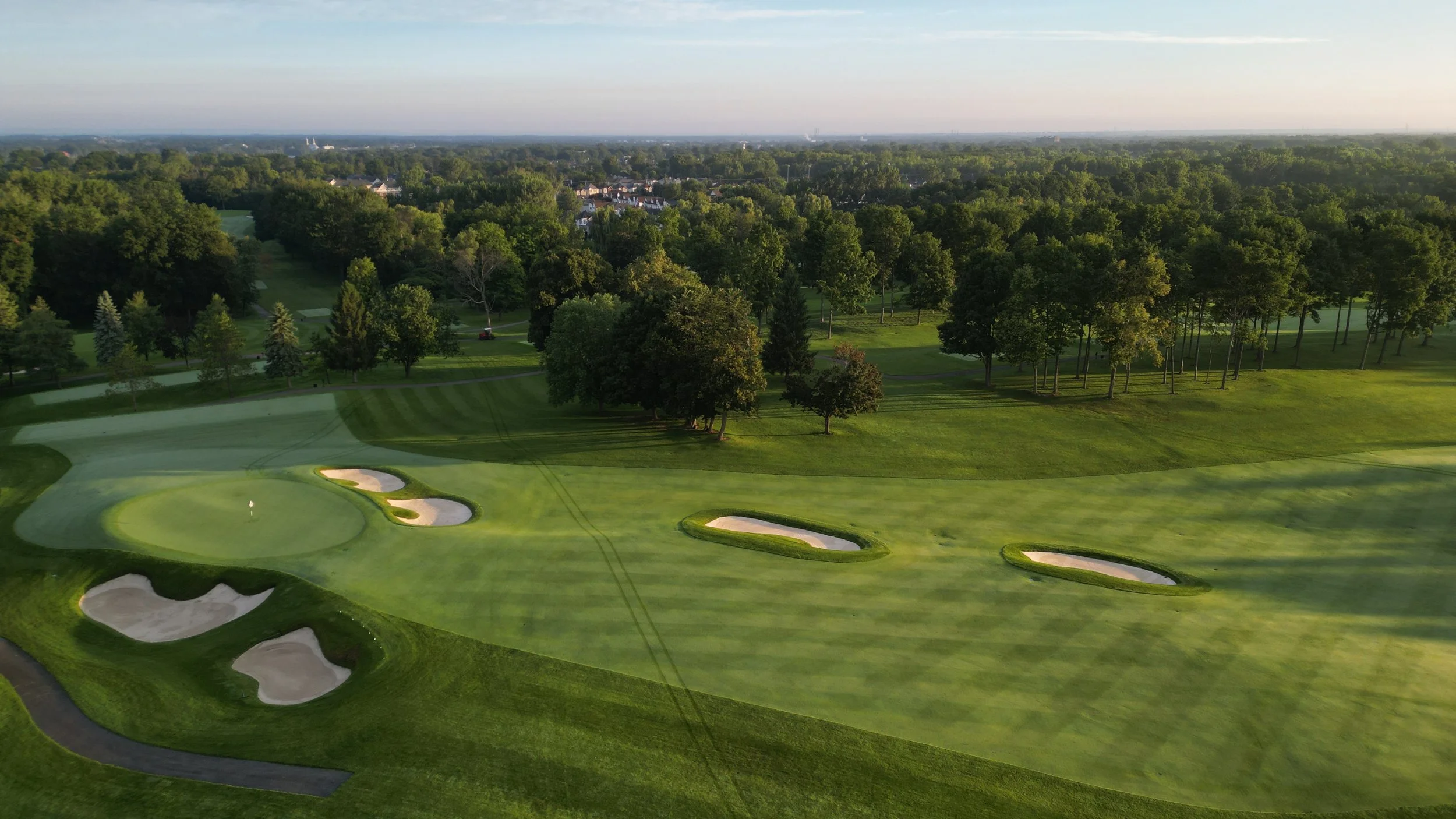
The reinvention of the Blue course at Laval stands as a rare departure from the conventions of modern designs in Canada. Ian Andrew and 2003 Masters Champion Mike Weir utilized ground focused concepts inspired by the likes of Royal Melbourne and Riviera to create a brilliant, second-shot golf course.

A Walter Travis design routed across the Niagara Escarpment near Fonthill, Ontario. The course plays across the natural ridge in interesting ways — elevation changes create distinct challenges throughout, and the green complexes are among the more sophisticated in the province. Lookout Point is private, but its architectural quality places it firmly among Canada's elite golf courses.
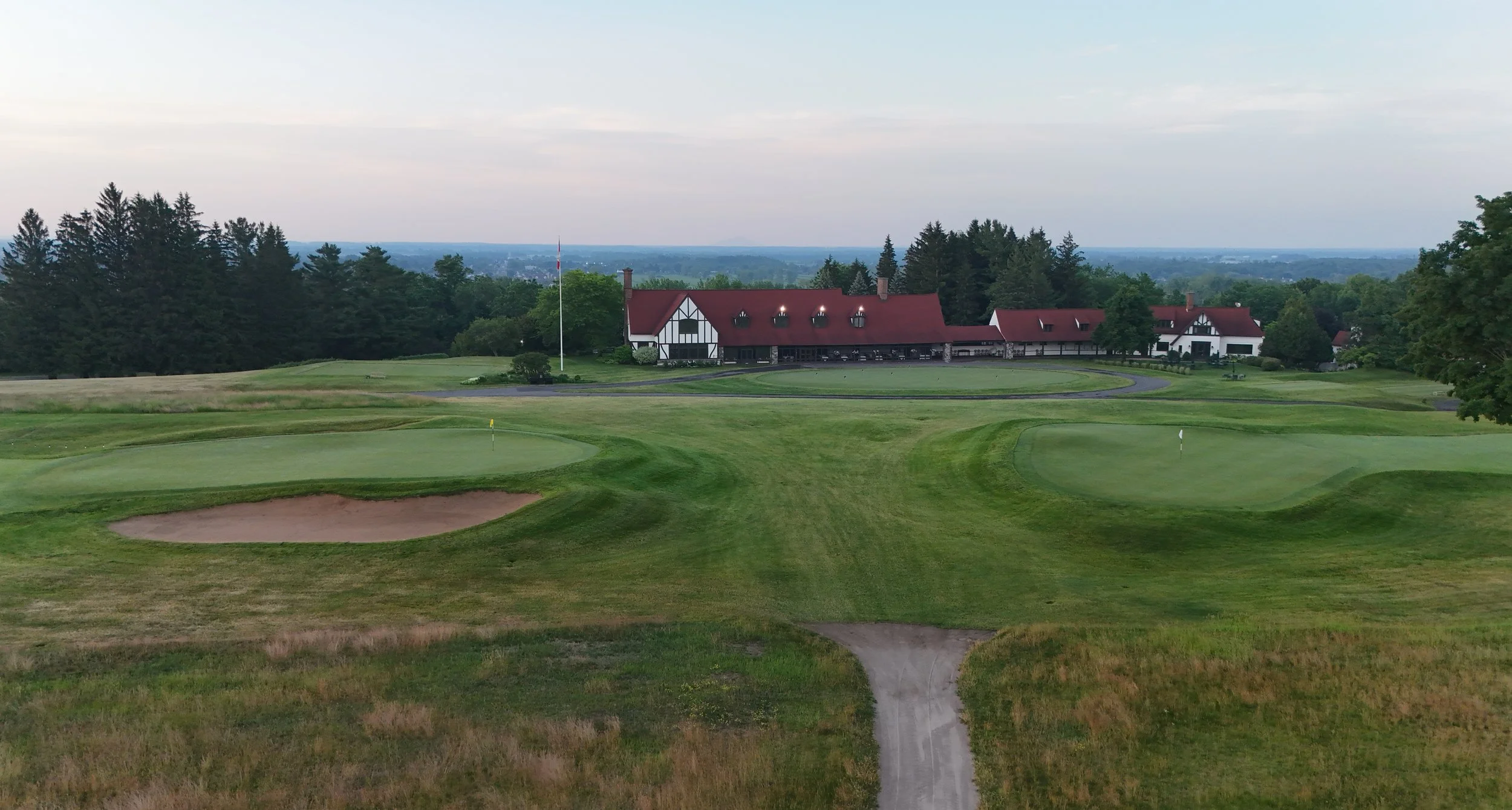
A Willie Park Jr. design south of Montreal, built with characteristic sensitivity atop the forested slopes of nearby Mont Saint-Bruno. Graceful and unhurried in character reflecting both the architects brilliant understanding of ground contour and strategic variety, and the club's respectful nature of its historic character. Mount Bruno is as close to a must play as it gets - its limited access a hindering factor from being elevated in this list.
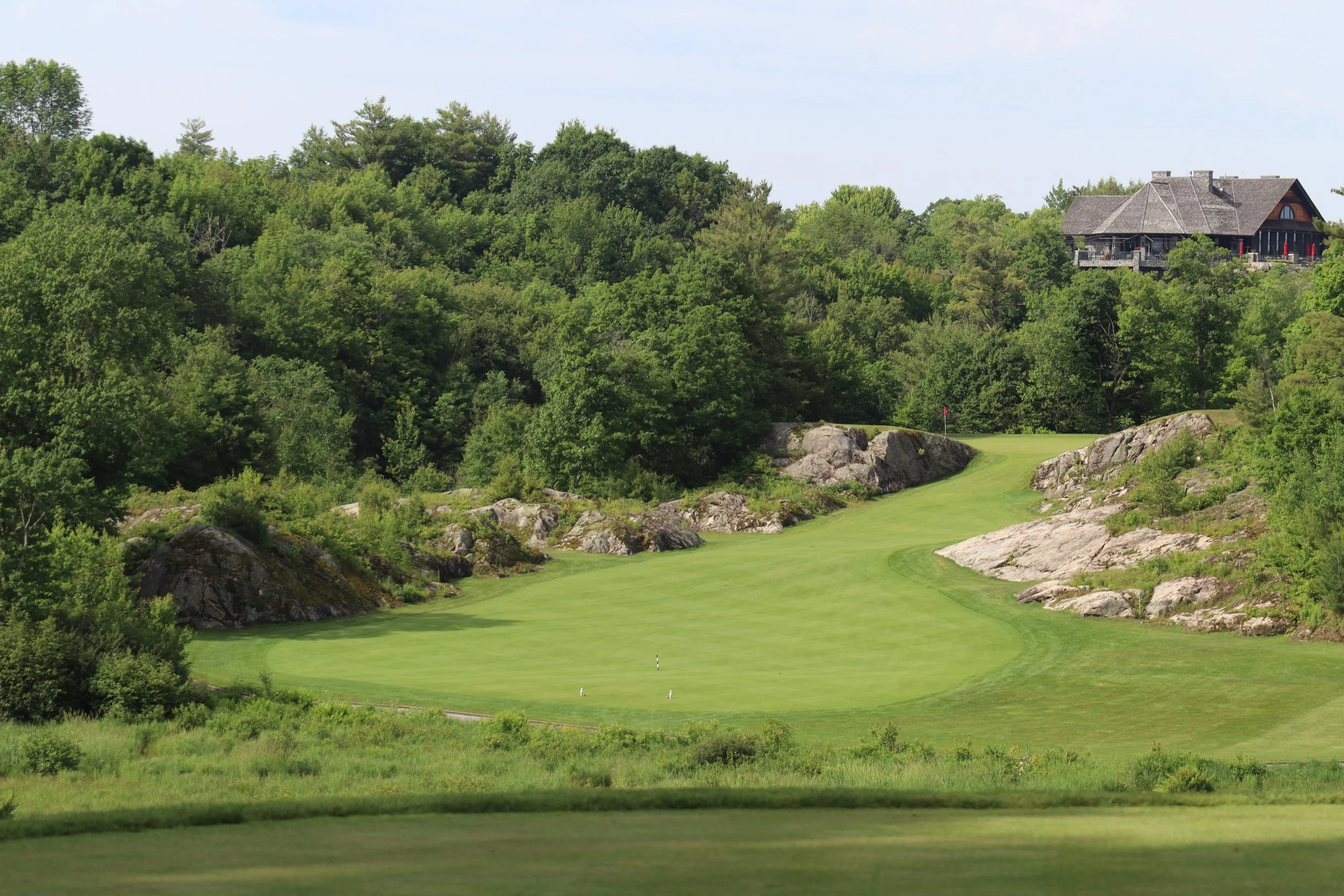
A Doug Carrick design carved through the exposed granite of the Canadian Shield in Gravenhurst, Ontario. The routing offering one of the most visually dramatic golf experiences - bold elevation changes, rock outcroppings dotting the landscape, dense wetlands, and a dreamy set of greens — the natural consequence of working with extraordinary land.
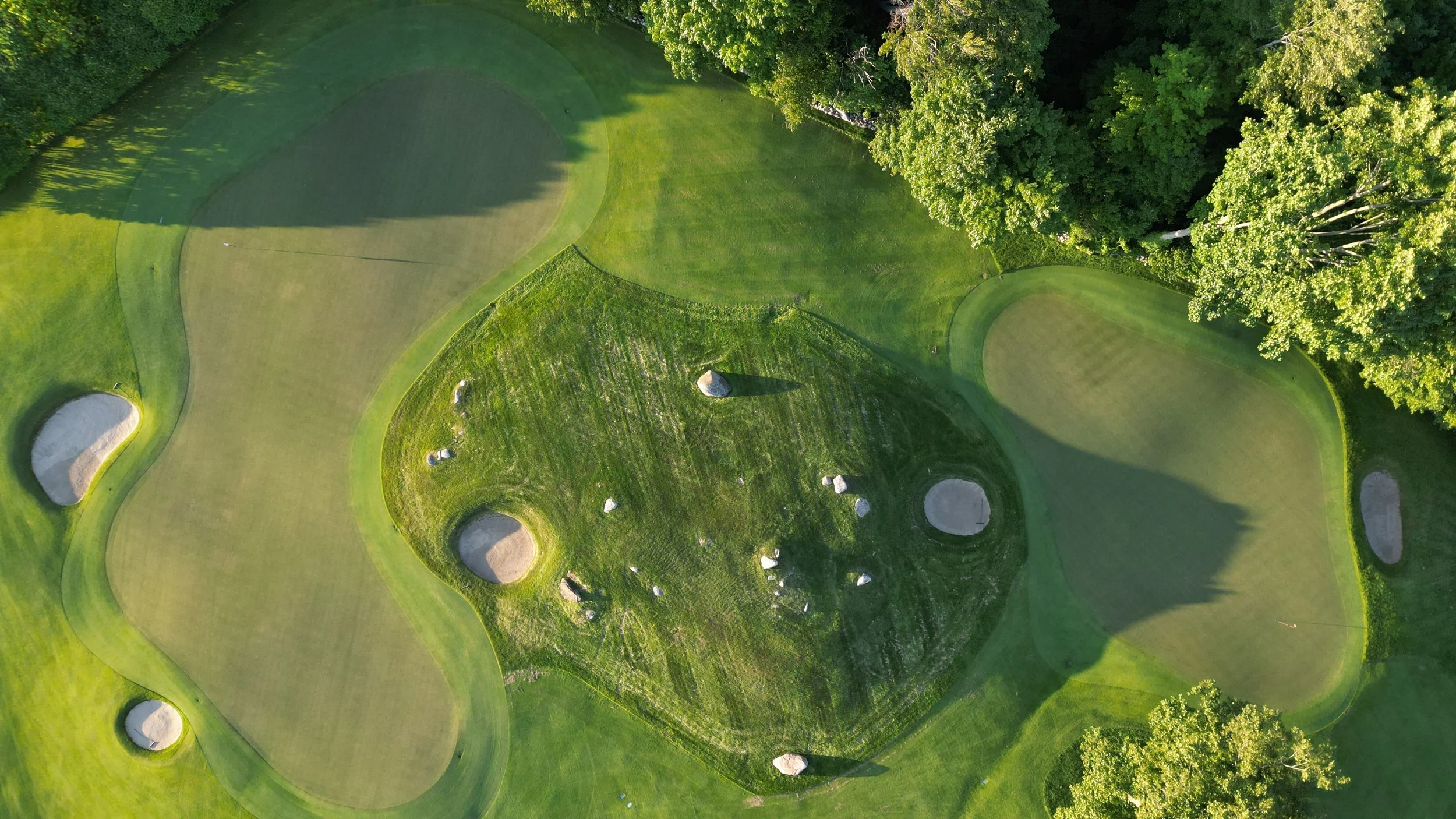
Formerly known as Devil's Paintbrush, Paintbursh comes from the minds of Dr. Michael Hurdzan and Dana Fry. This golf course is a modern take on inland links with firm, fast, and highly dramatic contours. Variety, width, and strategic options carry this course in a way that rewards intelligent play, offering clear risk-reward choices. Among the most ambitious and unique modern designs anywhere in Canada.
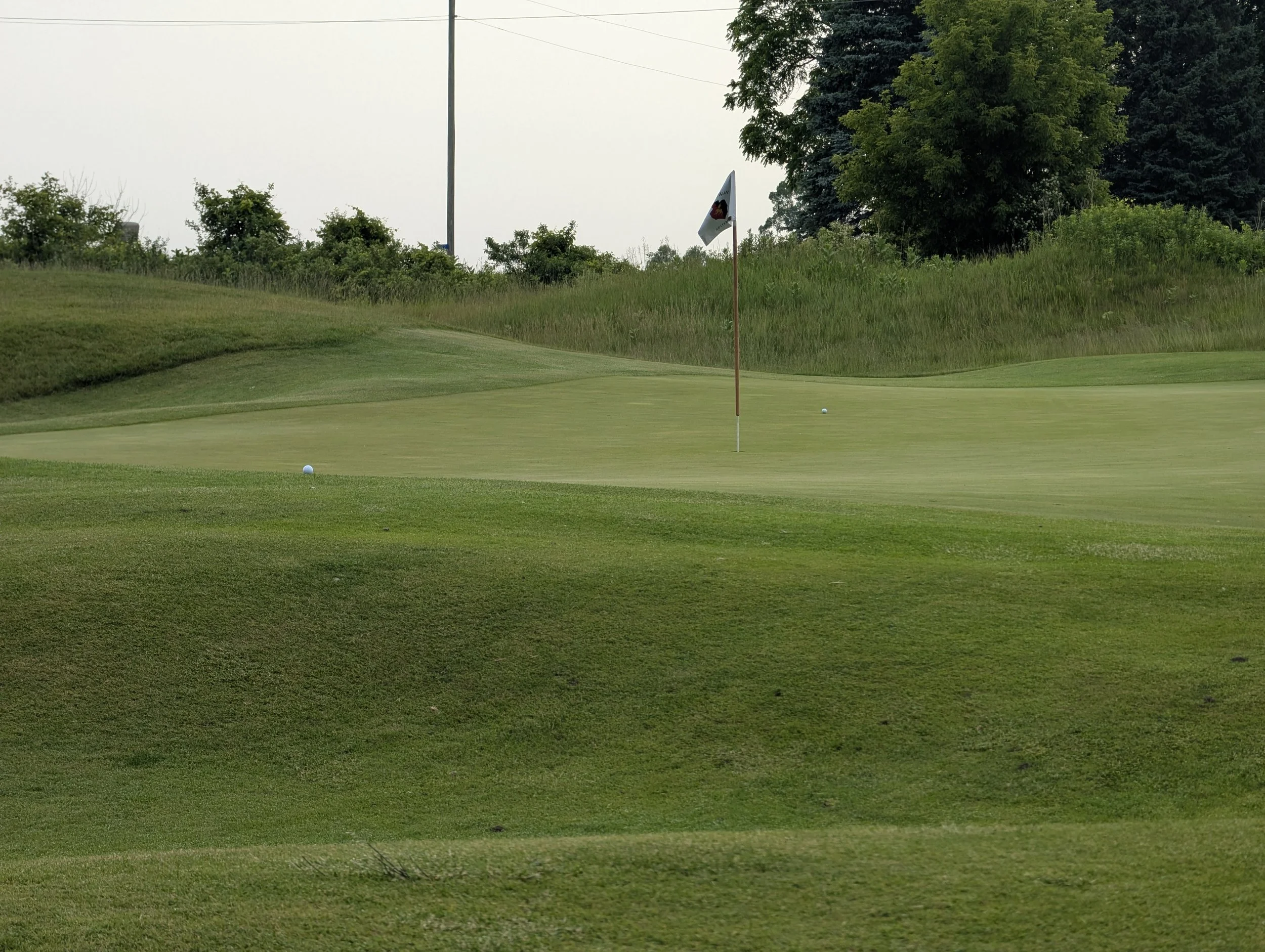
Designed by Martin Hawtree on open agricultural land in southwestern Ontario, Tarandowah delivers a shockingly genuine links experience about as far from the ocean as one gets. Golf here rewards creativity and ground-focused play, and penalises poor mistakes rather harshly. Its combined architectural prowess and accessibility are rarity in Canada.
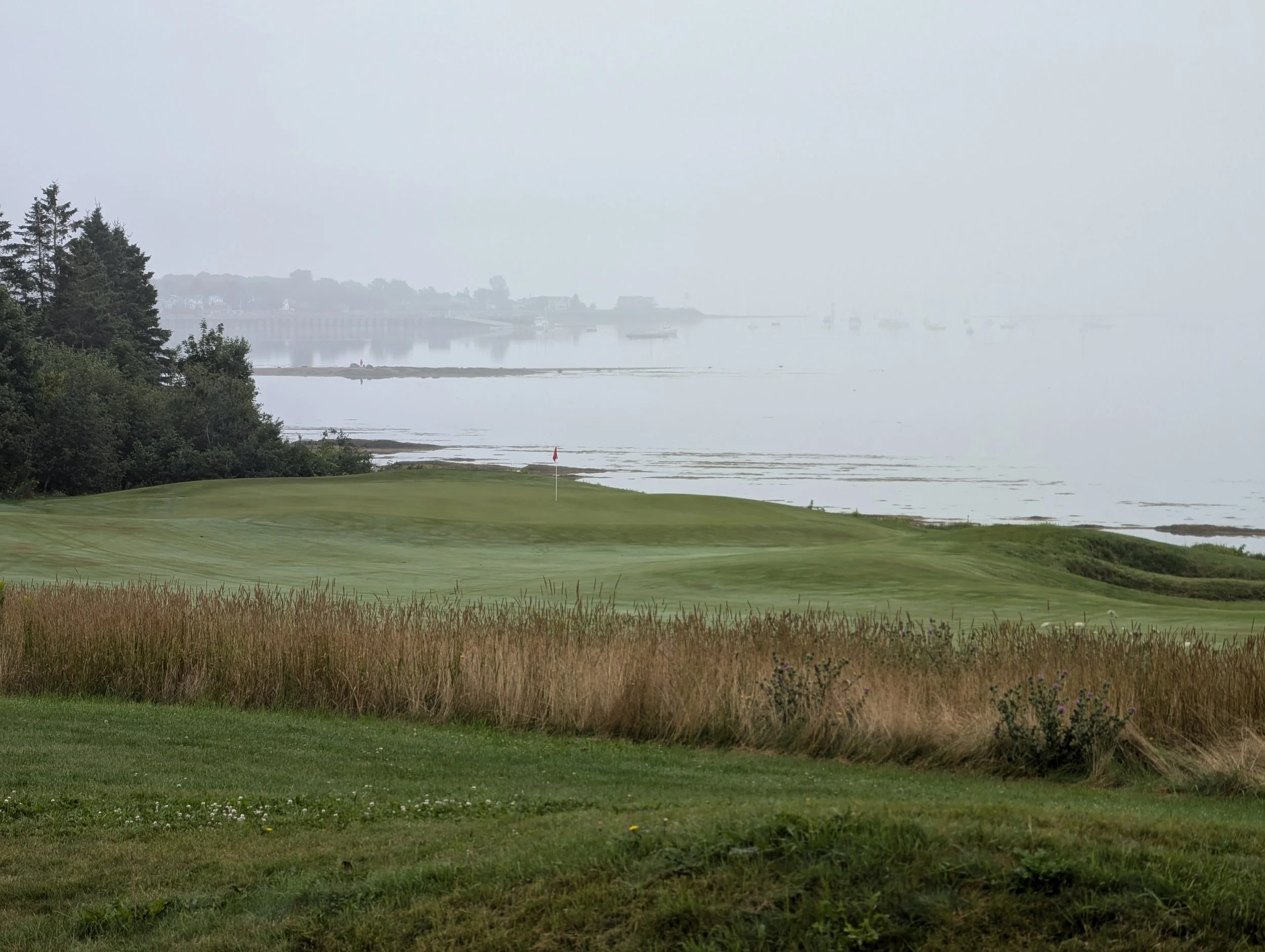
Along the shores of Passamaquoddy Bay is the charming Algonquin Resort. Offering a cerebral golf experience deeply connected to the land and the sea by its sprawling terrain, clever green complexes, and scenic views. A transformative 2017 renovation under the direction of Rod Whitman traded softness for architectural teeth and visceral connection to the land.
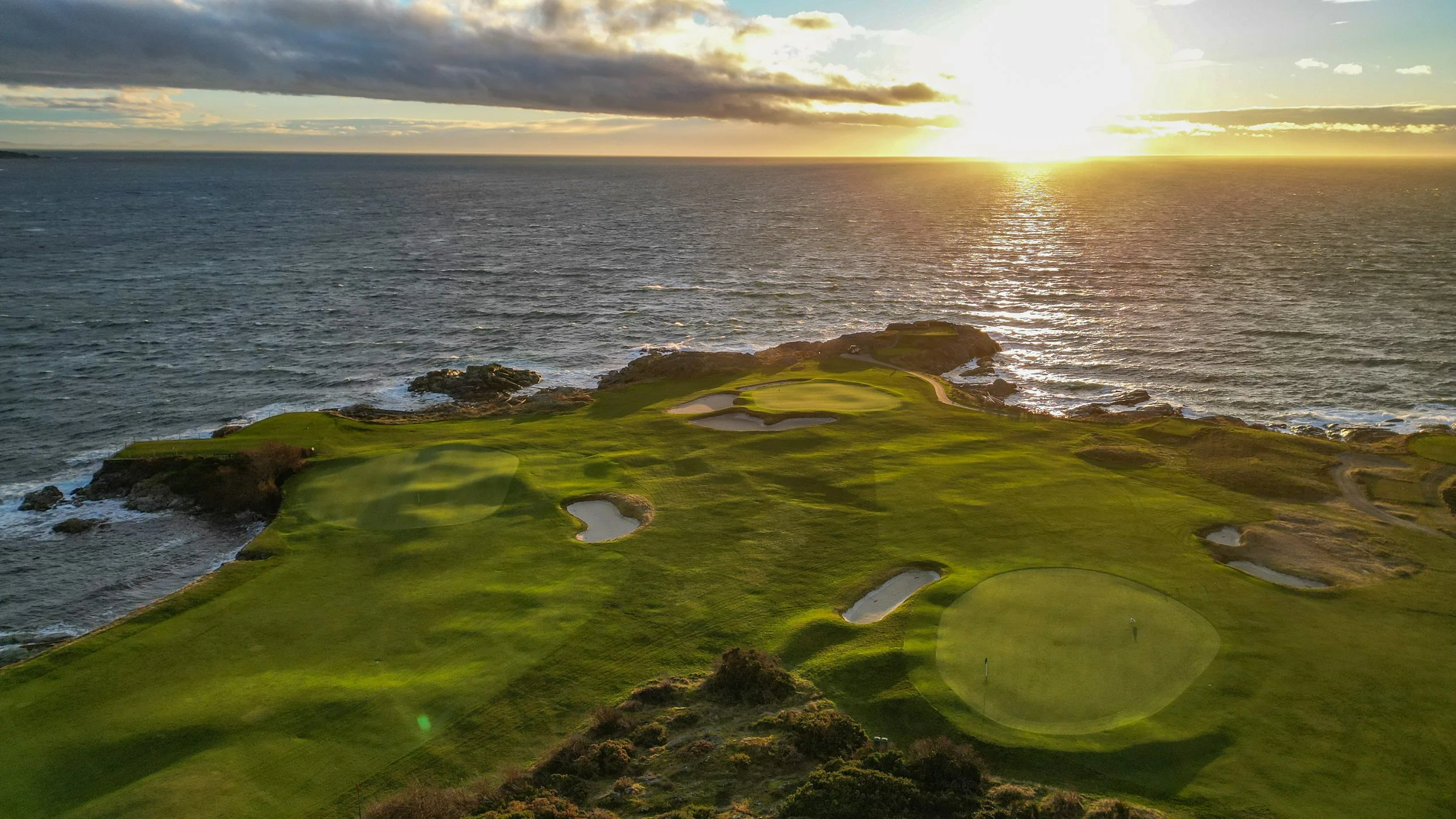
Arthur Vernon (A.V.) Macan's 1939 routing along the cliffs of the Oak Bay waterfront in Victoria is one of the great golf courses of Canada. At less than 100 acres in size, Victoria showcases the most efficient routing anywhere in the country. The ocean is a constant and active presence on the front nine, while the back nine is less dramatic yet still offers notable design elements.
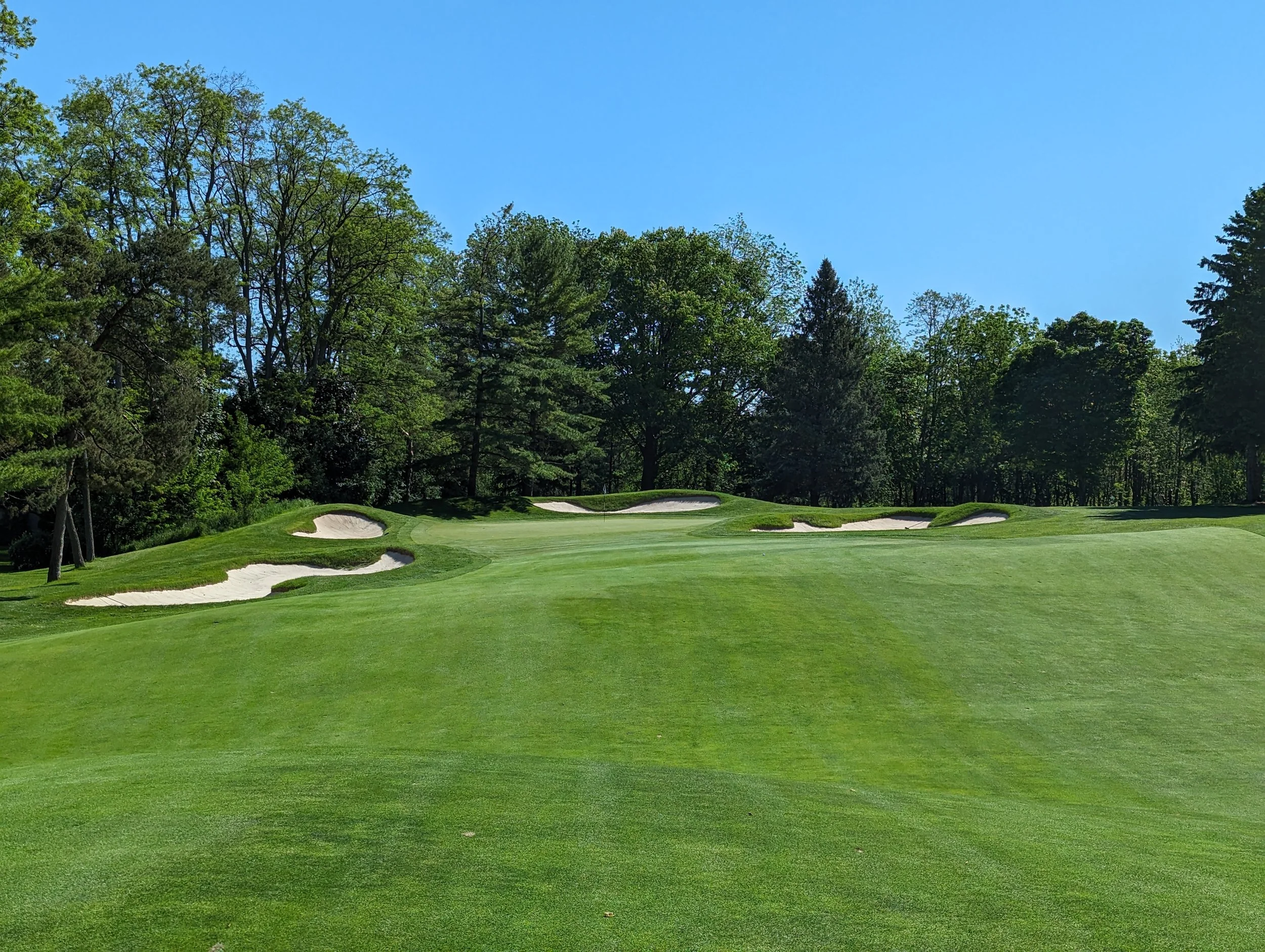
Often considered Stanley Thompson's sixth best, Westmount is an elegant design. The routing works across rolling terrain with characteristic intelligence, gently rising and falling over the peaks and valleys. The green complexes reward careful study, using broad slopes with severe gradients rather than big sweeping contours, earning deeper appreciation with each visit.
Light Recommendations.
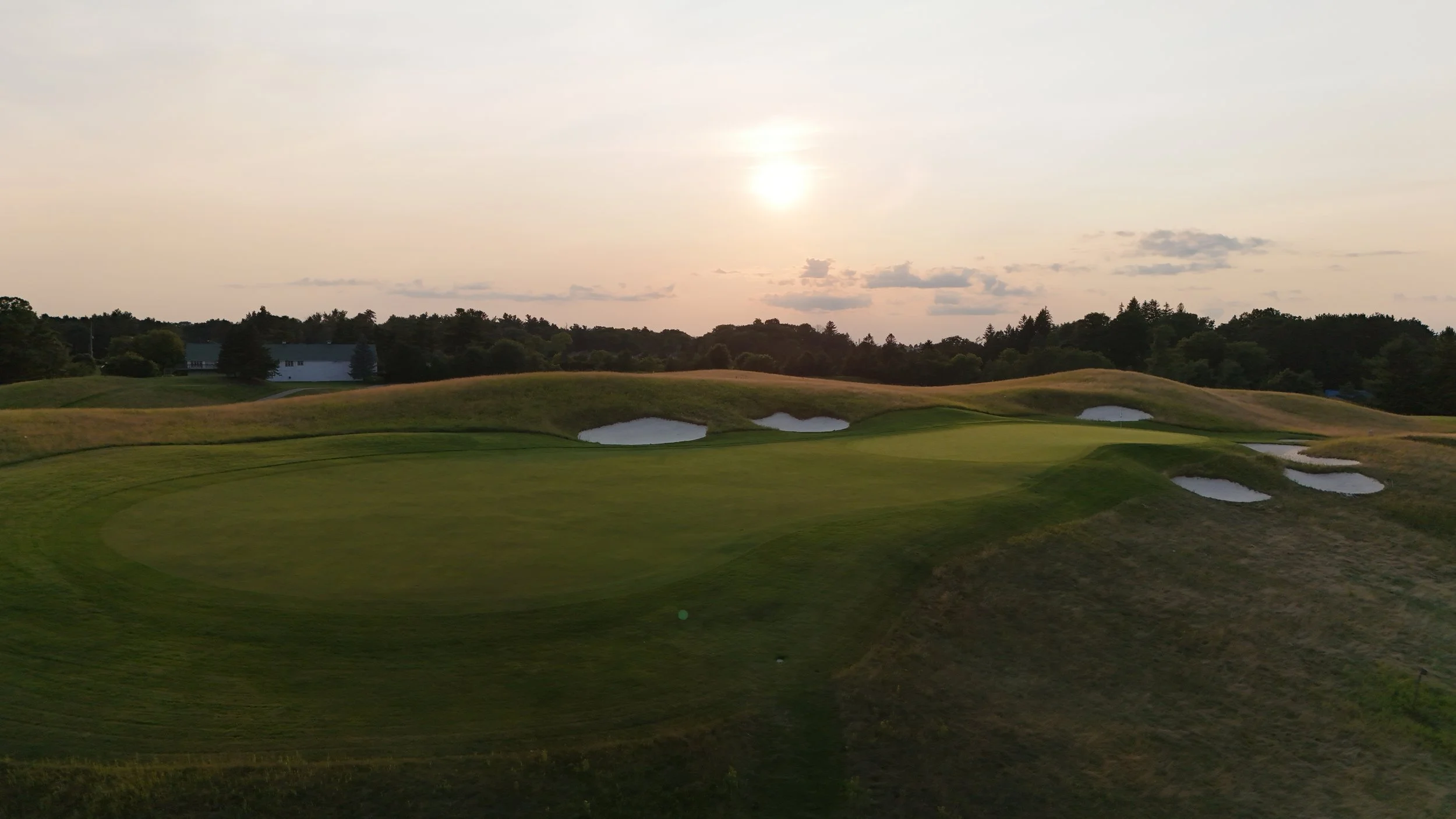
Bob Cupp's design north of Toronto sits on a property of genuine natural interest — sandy, rolling terrain covered in mature trees that gives the course a distinctly heathland character unusual for this part of Ontario. The routing is uniquely contrived, intimate and demanding in equal measure. The front nine styled as a parkland layout, while the second nine gives way to open links-style characteristics.
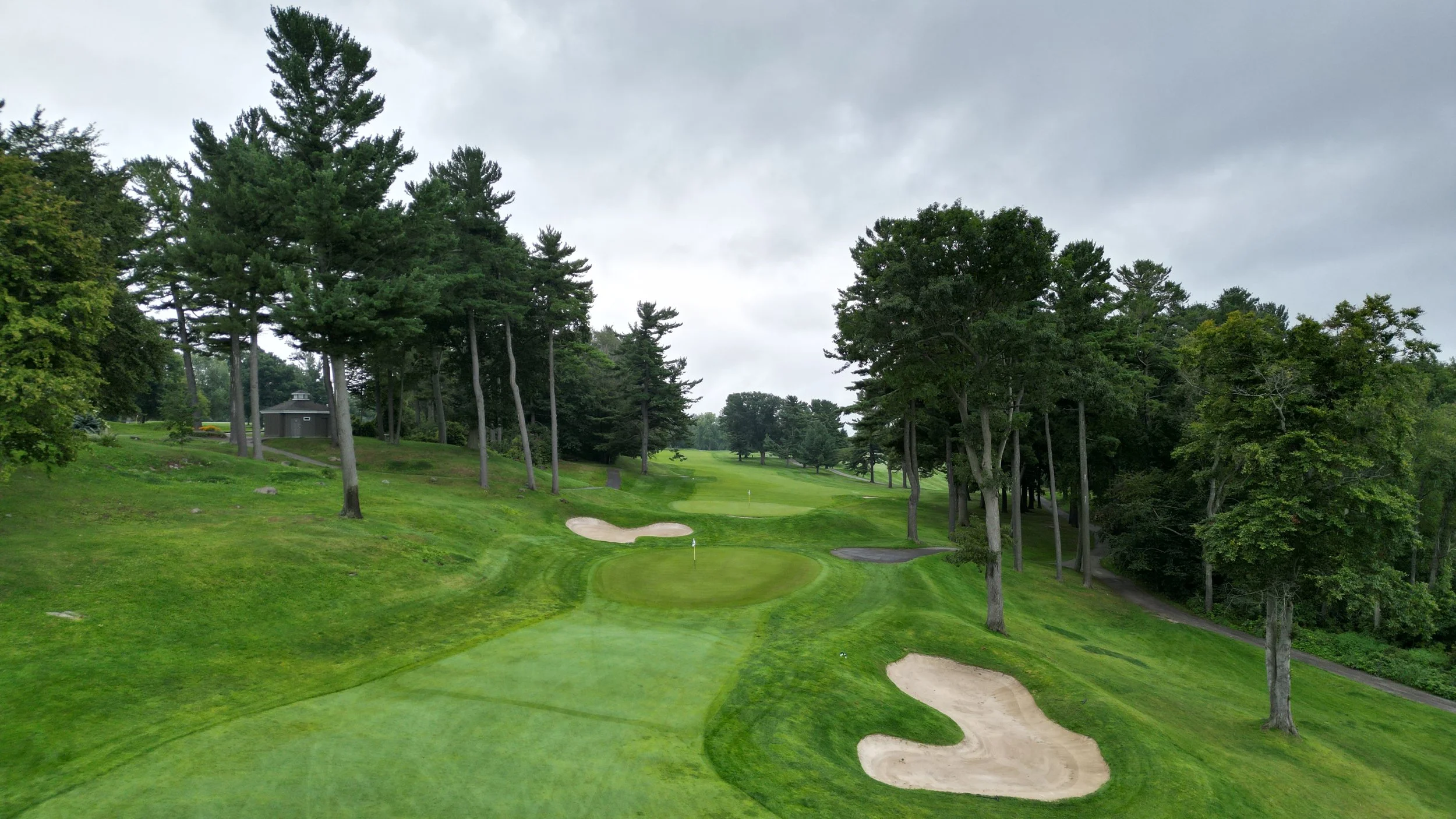
Stanley Thompson's Kingston layout sits on top of an original from George Cumming. Routed through mature hardwood forest on the eastern edge of the city with the measured confidence that defines his best work. The course is not long by modern standards, but its green complexes and strategic demands remain relevant and engaging. Its a design that merits far more attention than it receives.
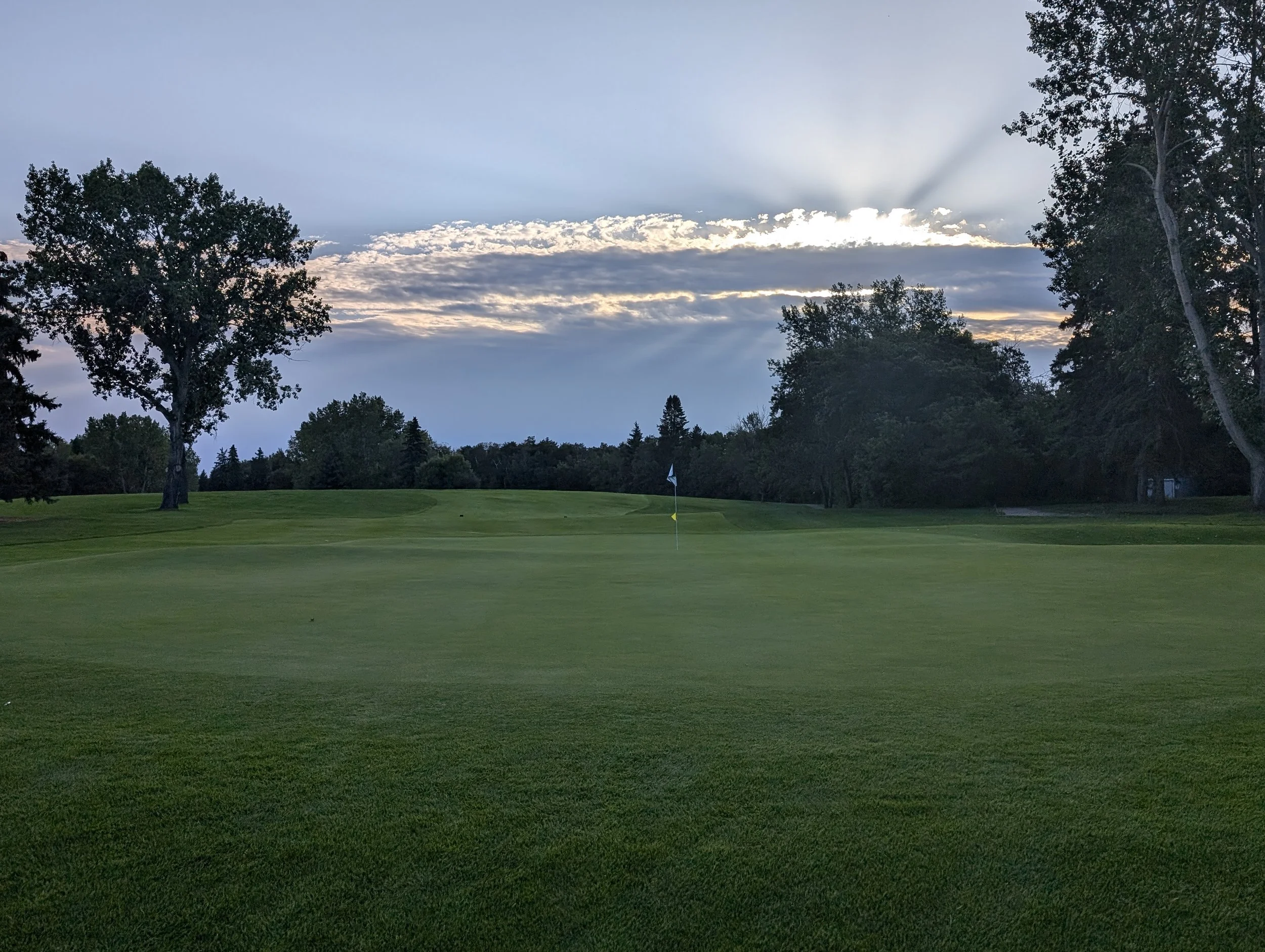
One of the finest municipal golf courses in Canada, routed through the mature river valley parkland of Prince Albert, Saskatchewan. The routing asks the golfer to traverse fantastic elevation changes, which are genuinely integrated into the playing field. The overall quality of the experience exceeds expectations to deliver a model example of what municipal golf in Canada can accomplish.
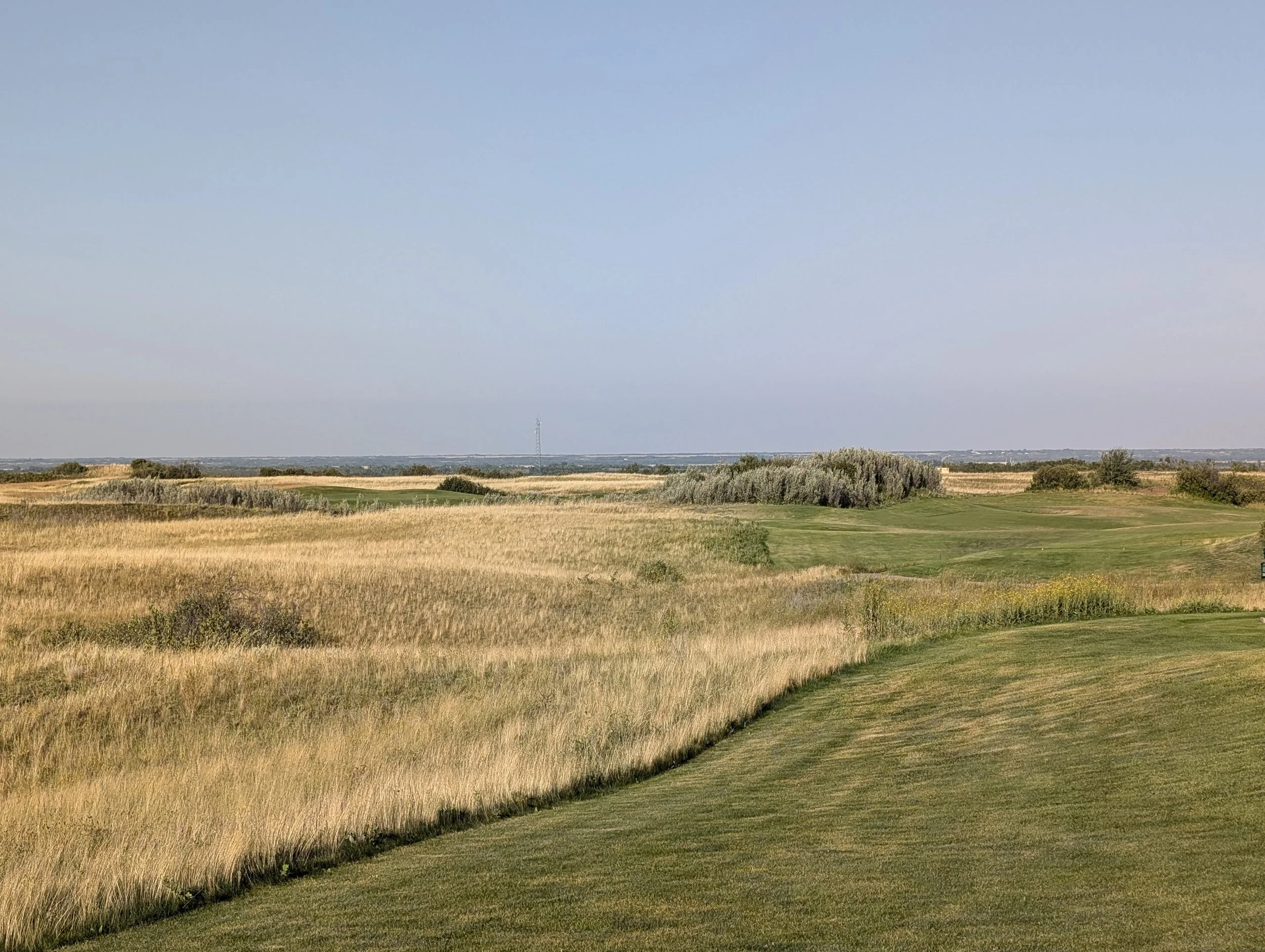
Graham Cooke's take on links design in the sand dunes south of Saskatoon. The most distinctive golf experience on the prairies — built on naturally formed sand deposits that produce fairways of remarkable character and variety. The routing's connection to the surrounding dune terrain gives it an authenticity that links-style courses on artificial ground can hardly replicate. Among the most unique public-access courses in Canada.
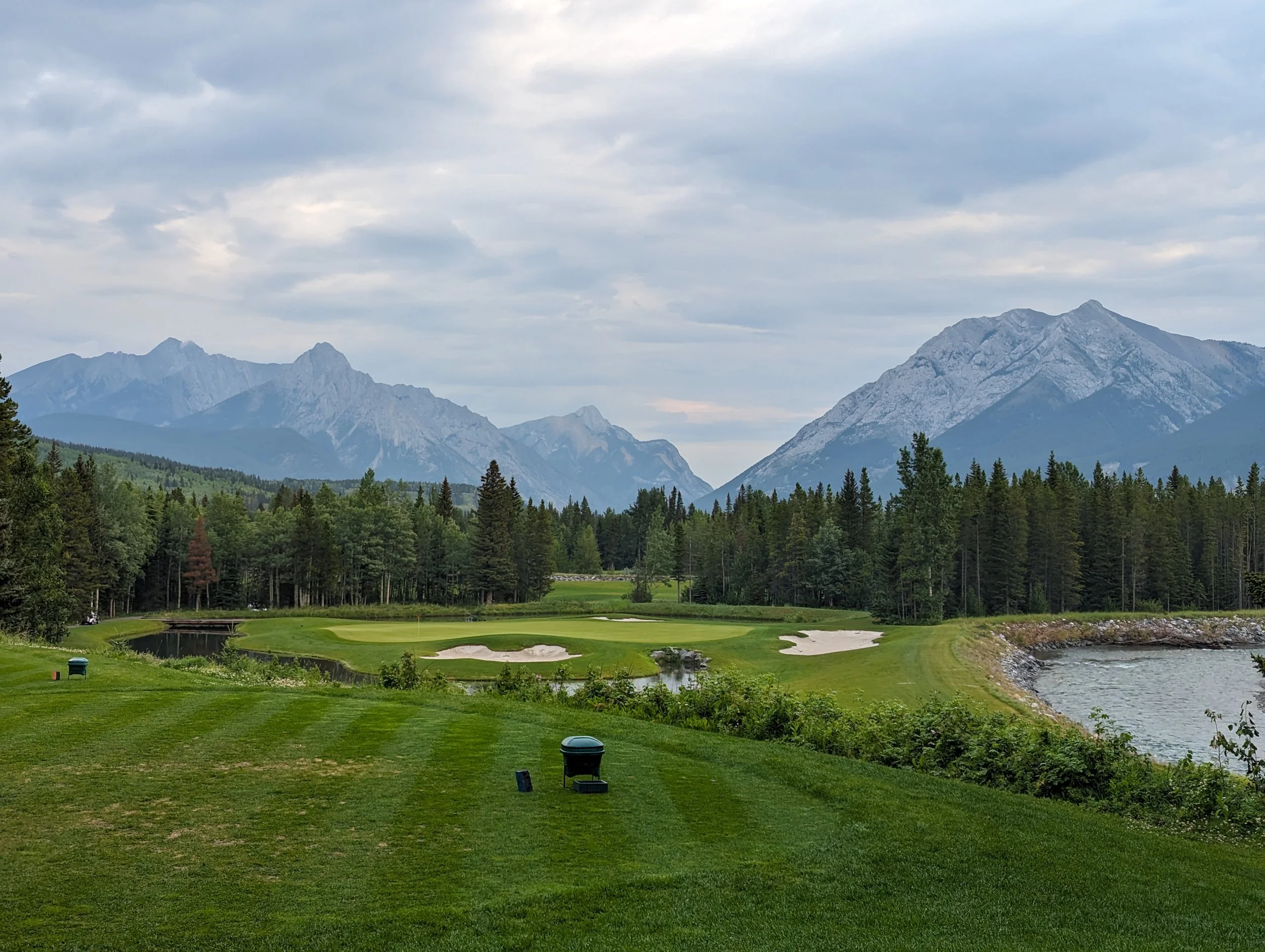
Robert Trent Jones's return to the mountains that helped define his youthful years in golf architectire alongside early design partner Stanley Thompson. The course he built, a reflection of his career - crafting the landscape with a firm hand, and challenging the golfer with his typical directive flair. Renovated by Les Furber and Gary Browning after devistating floods in 2013. Mt. Kidd winds its way through the river valley, sharply contrasted with the mountains as a constant backdrop.
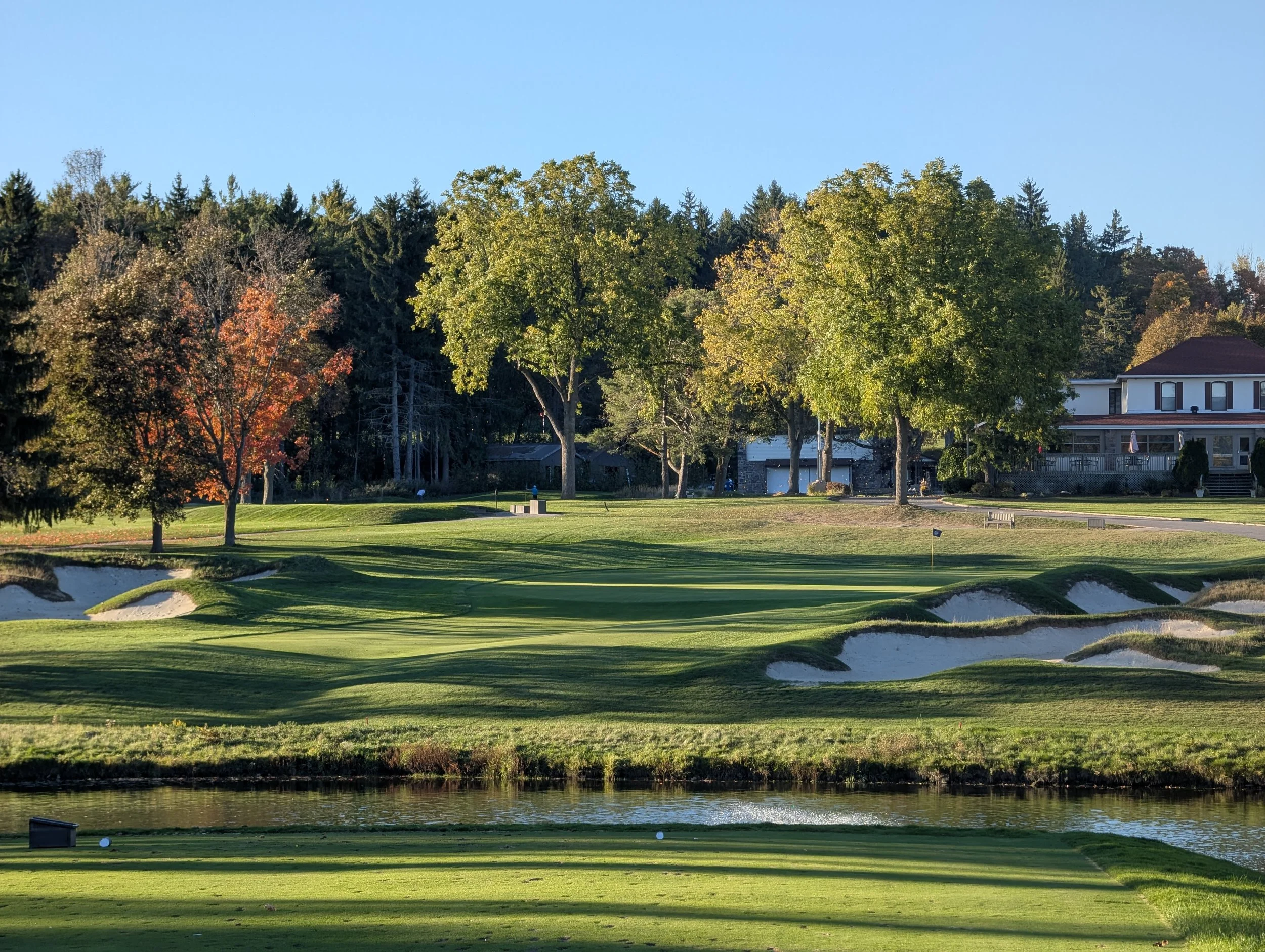
One of Stanley Thompson's most underrated works and perhaps the best preserved set of Thompson bunkers anywhere in Canada by way of restorative efforts of architect Ian Andrew. Kawartha maintains the grounds in a pleasurable and firm fashion, allowing the terrain to showcase the highly desirable qualities of proper golf. While private, the club allows limited public play on select dates.
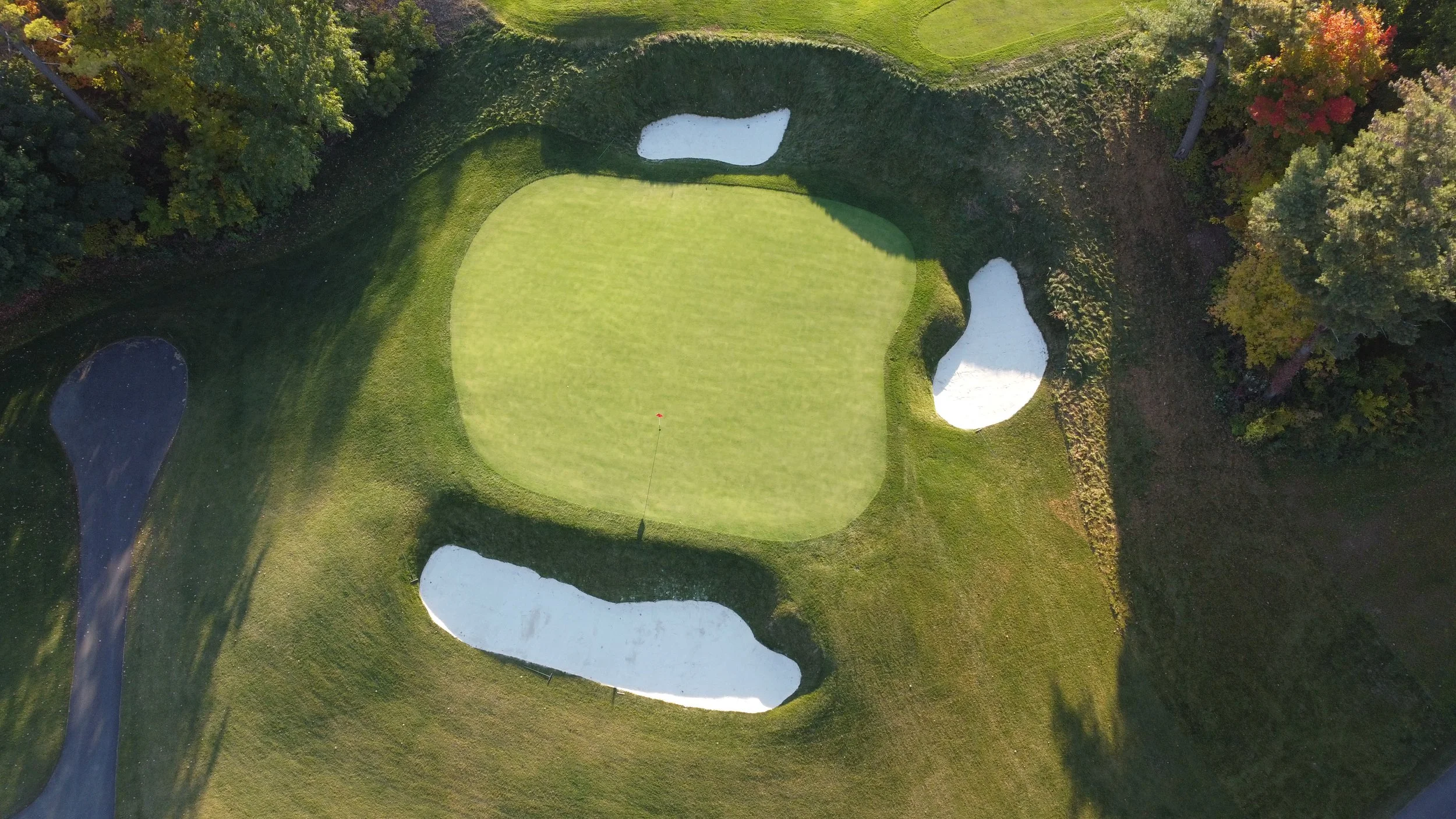
Host of the 1923 and 1934 Canadian Open, Lakeview is a Herbert Strong design from the early 1920’s full of excellent routing choices and land movement. The property is defined by Applewood Creek, which winds its way through the front nine to the West and back nine to the East, dealing dramatic playing opportunities throughout. Ranked as our number one municipal golf course in Canada, Lakeview’s accessibility and grand architectural characteristics are ready and waiting for everyone to enjoy.
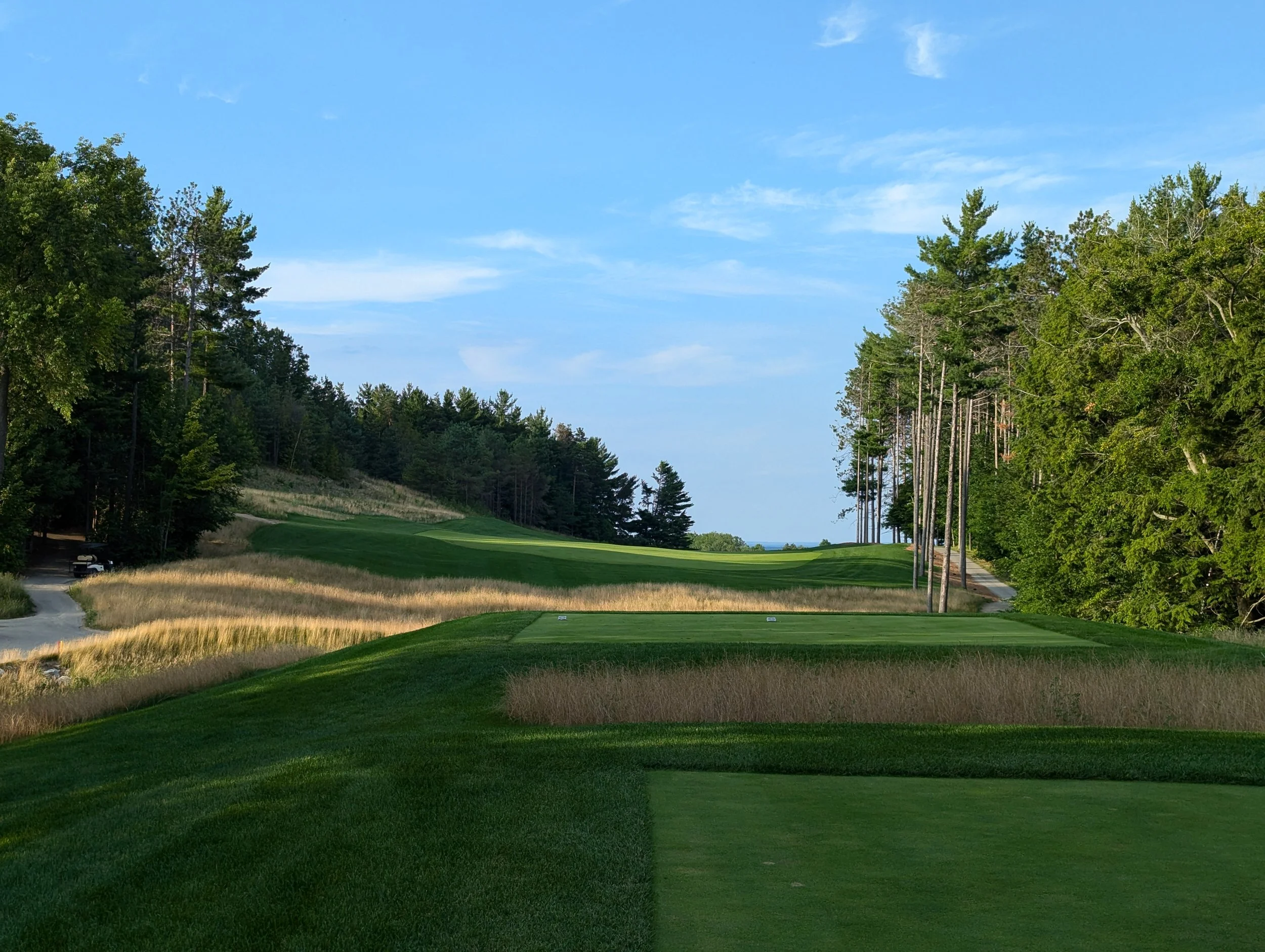
Bob Cupp's design in the sprawling hills of the Niagara Escarpment, just south of Collingwood, Ontario. The routing delicately traverses multiple different ecosystems - hilly forested corridors, to the wetlands and farmland terrain - balancing both the downhill and uphill oritented holes while showcasing some thoughtful architectural flavour. The most captivating of such is known as the Mad Mile. But don't sleep on holes like back-to-back short holes at the par 4 sixth and par 3 seventh.
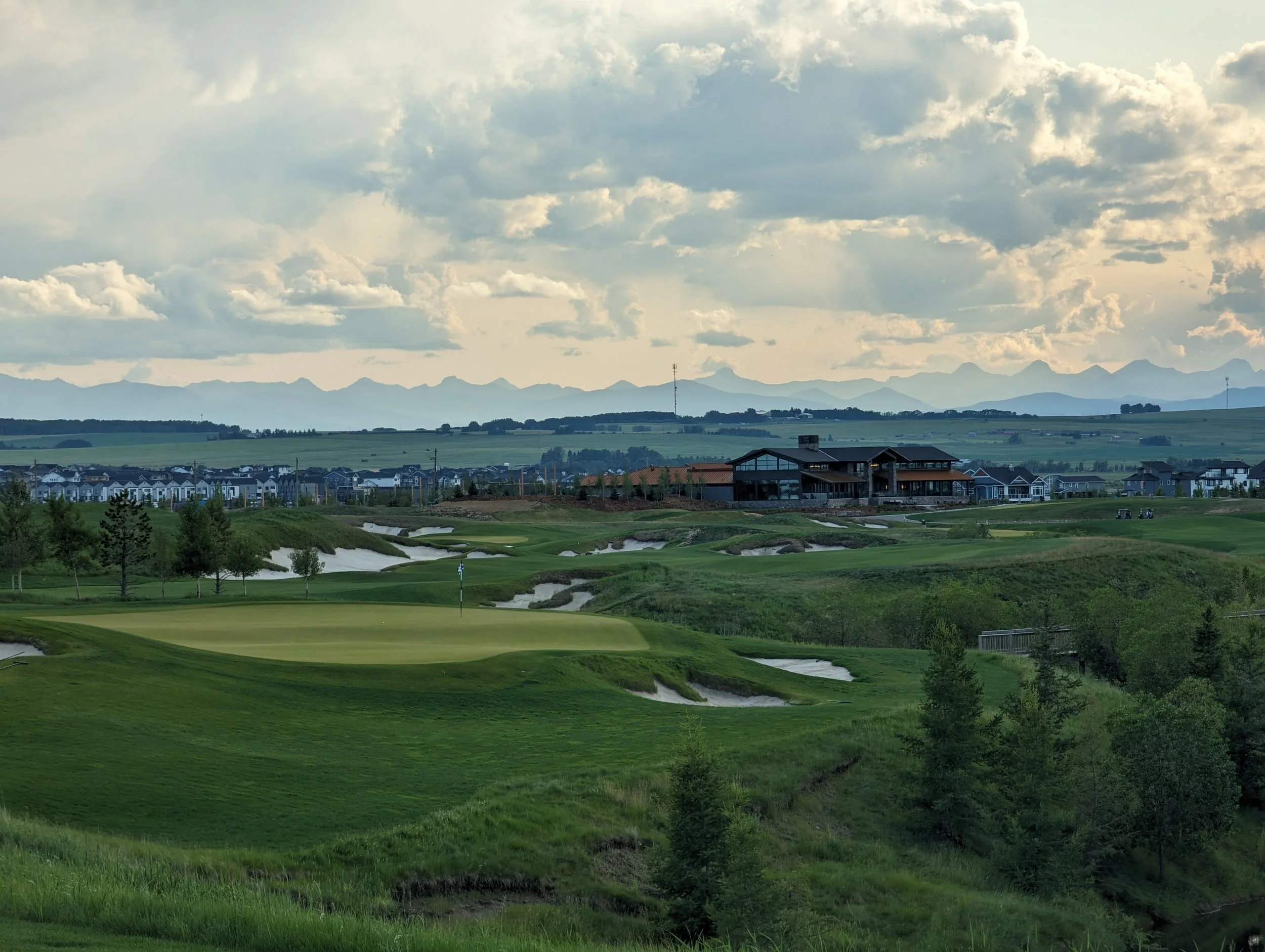
A Rick Smith and Phil Mickelson design collaboration on the rolling foothills terrain west of Calgary, built with a visual ambition that matches its namesake's personality. The course plays across dramatic ridgeline terrain with sweeping views of the Rocky Mountain Front Range, and the routing uses elevation change as both aesthetic and strategic tool. Mickelson National is among the most visually compelling private clubs in Alberta and a strong addition to the province's modern design era.
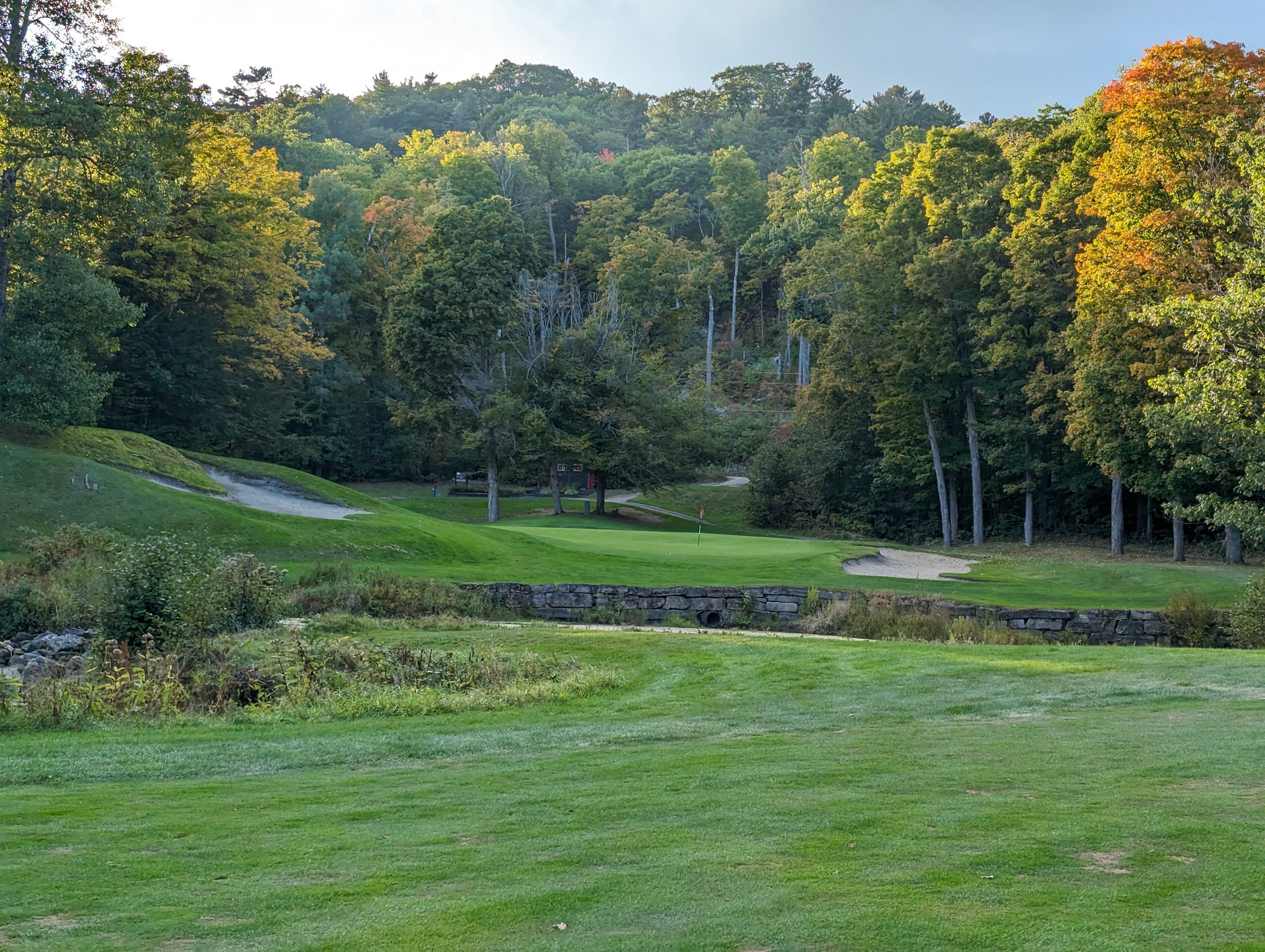
Stanley Thompson's infamous Seigniory Club, turned Chateau Montebello in the 1970's, rests in a dense forest an hour from Ottawa. While the golf course is a bit rugged on the outside, the golf is played across dramatic rocky terrain, with large elevation changes heaving the land in all the right places. Showcasing an adventurous spirit only found among the best layouts in the country.
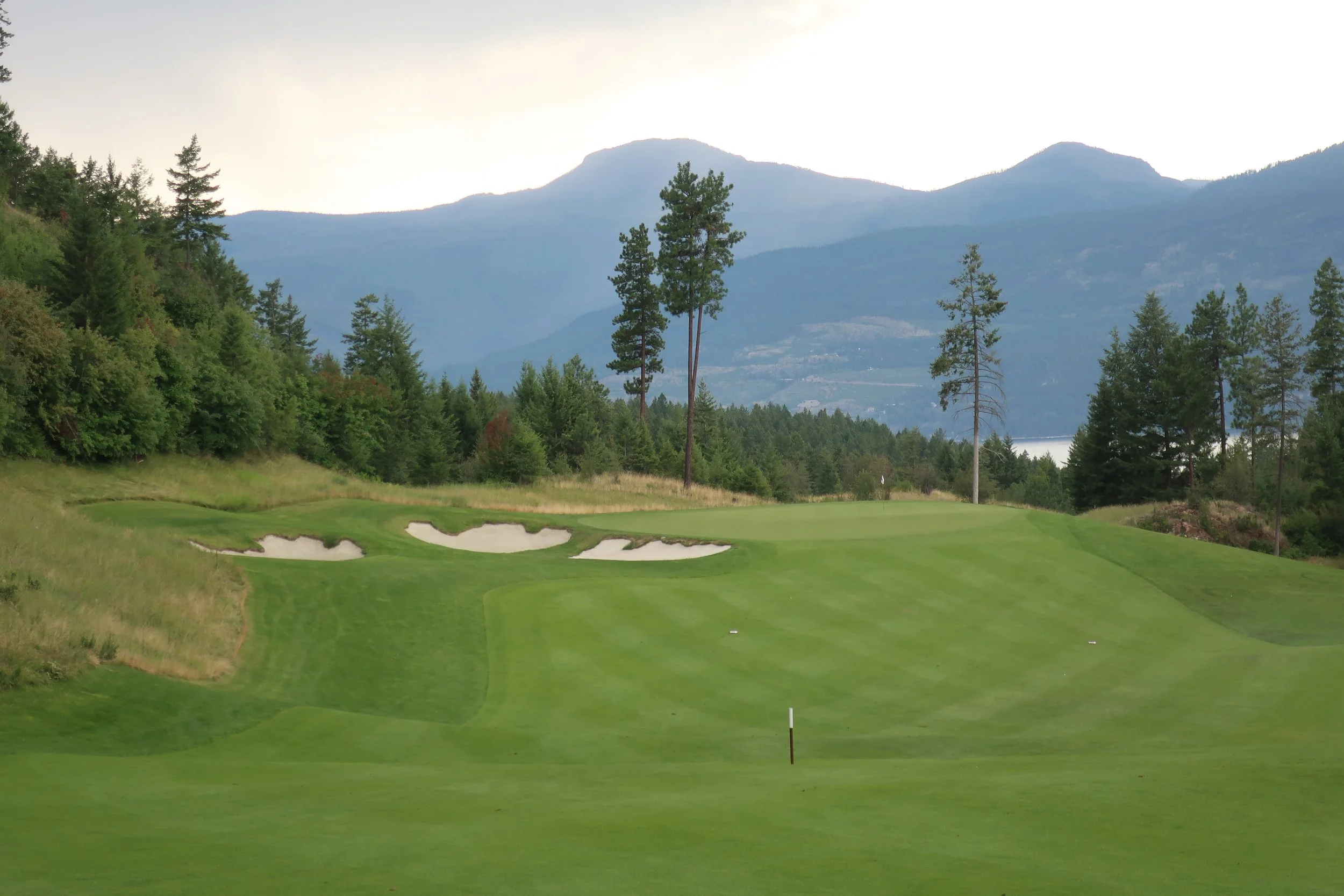
Doug Carrick’s Ridge course is carved across a rocky landscape, high above Okanagan Lake. Playing over some of the most insane land for golf found anywhere in Canada. Ridge is highlighted by the gorgeous sweeping views, thickets of trees that frame holes, and pleasant green sites well incorporated into the dancing topography. Players will surely be thrilled by the elevation changes, bunker styling, and wavy contours found throughout.
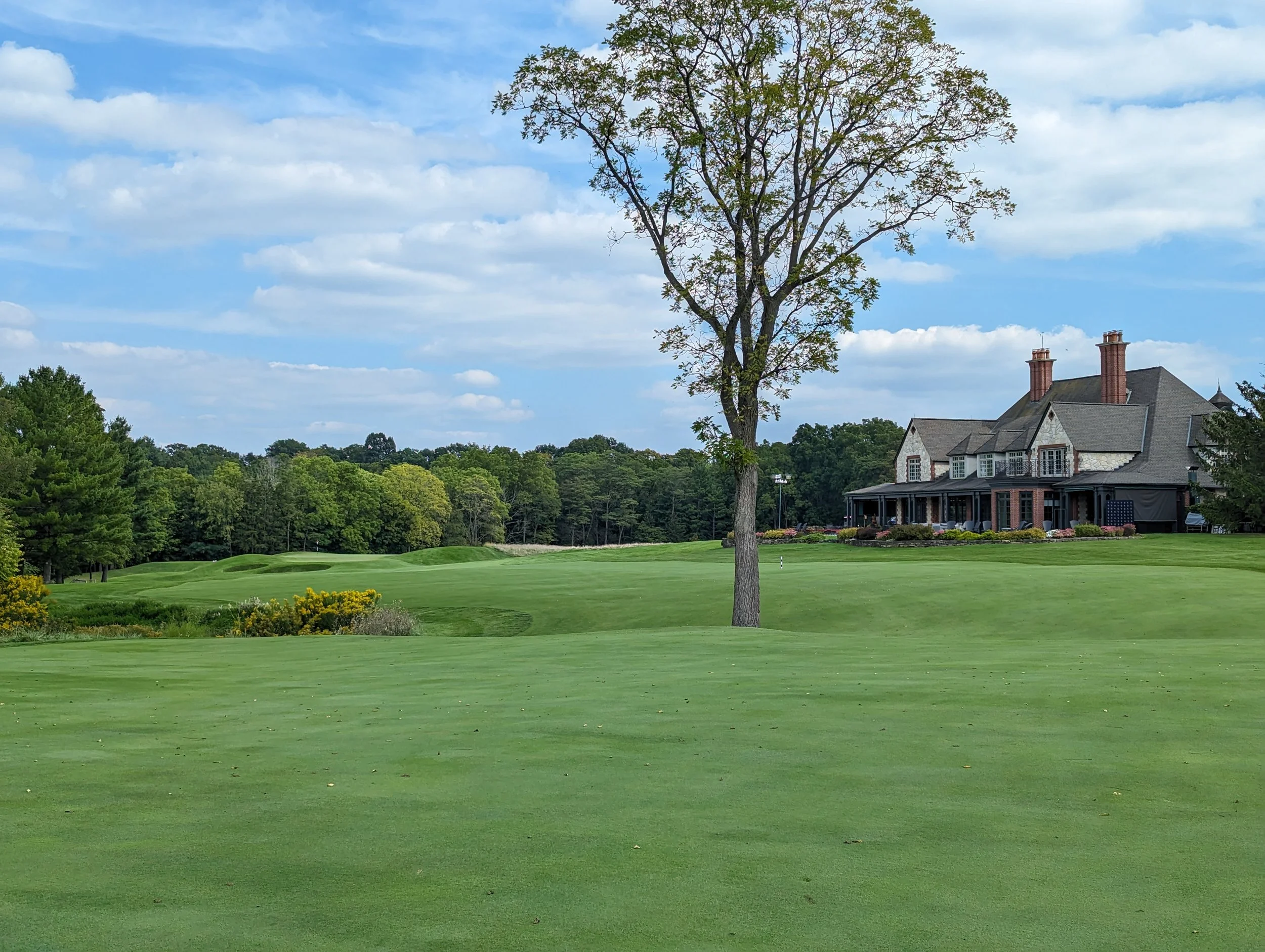
Once the most exclusive and ellusive club in Canada - Redtail is the work of Donald Steel, with more recent refinements from the design duo of MacKenzie & Ebert. The golf course is genrally minimalist in nature - using the land as it sits, with few bunkers or other man-made features as hazards. The green complexes are thoughtfully conceived and on the small side, using both size and contour as the primary defense mechanisms. Redtail stands as one of the most unique experiences in Canada.
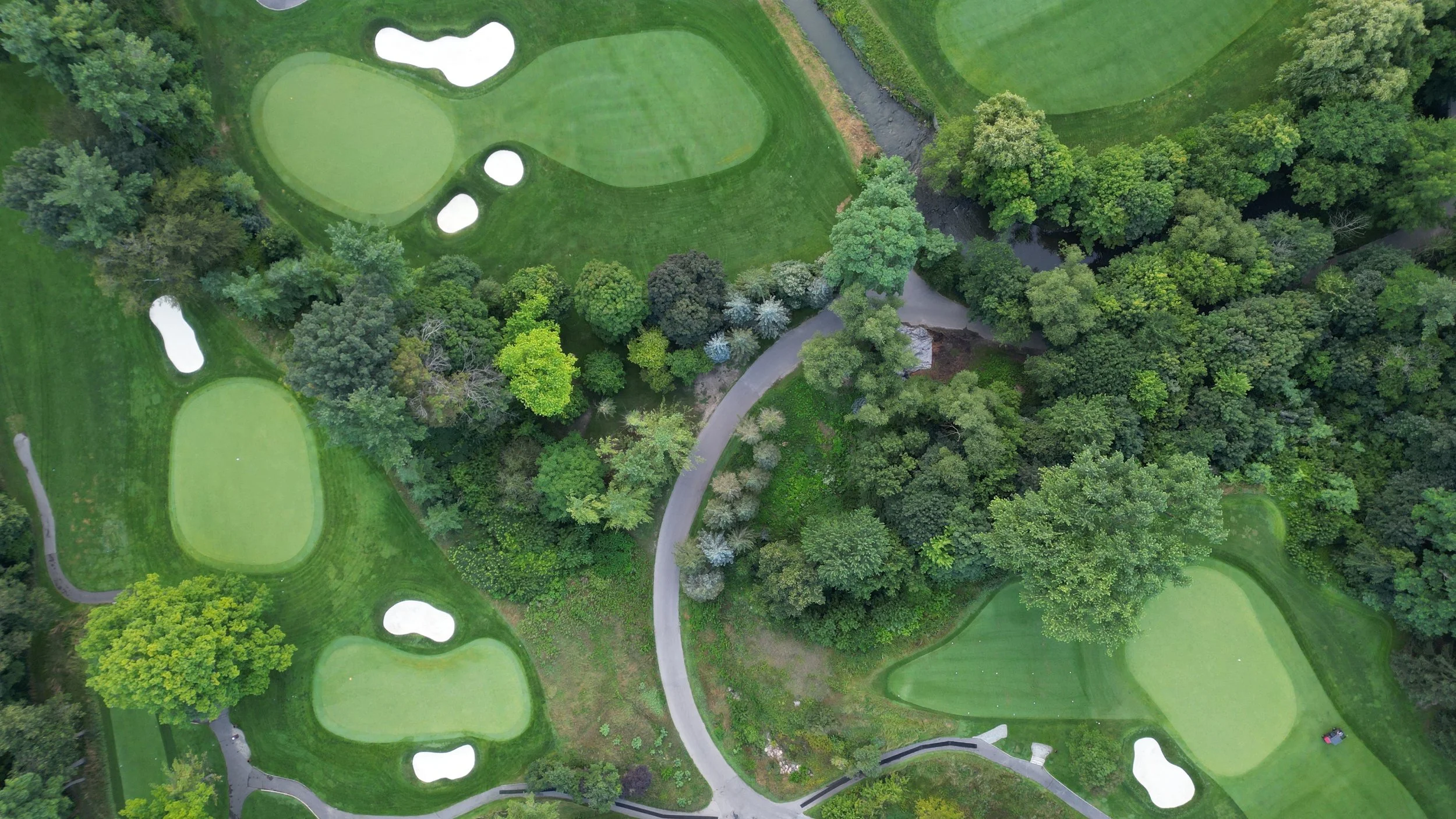
One of Toronto's most historic private clubs, with a Donald Ross routing, that has been refined over more than a century, into a course of understated elegance. The layout plays through mature ravine terrain in the heart of Midtown Toronto, with natural elevation changes that produce variety and challenge without resorting to artificial contrivance. Rosedale is a club where tradition and authenticity matter, and the golf reflects both.
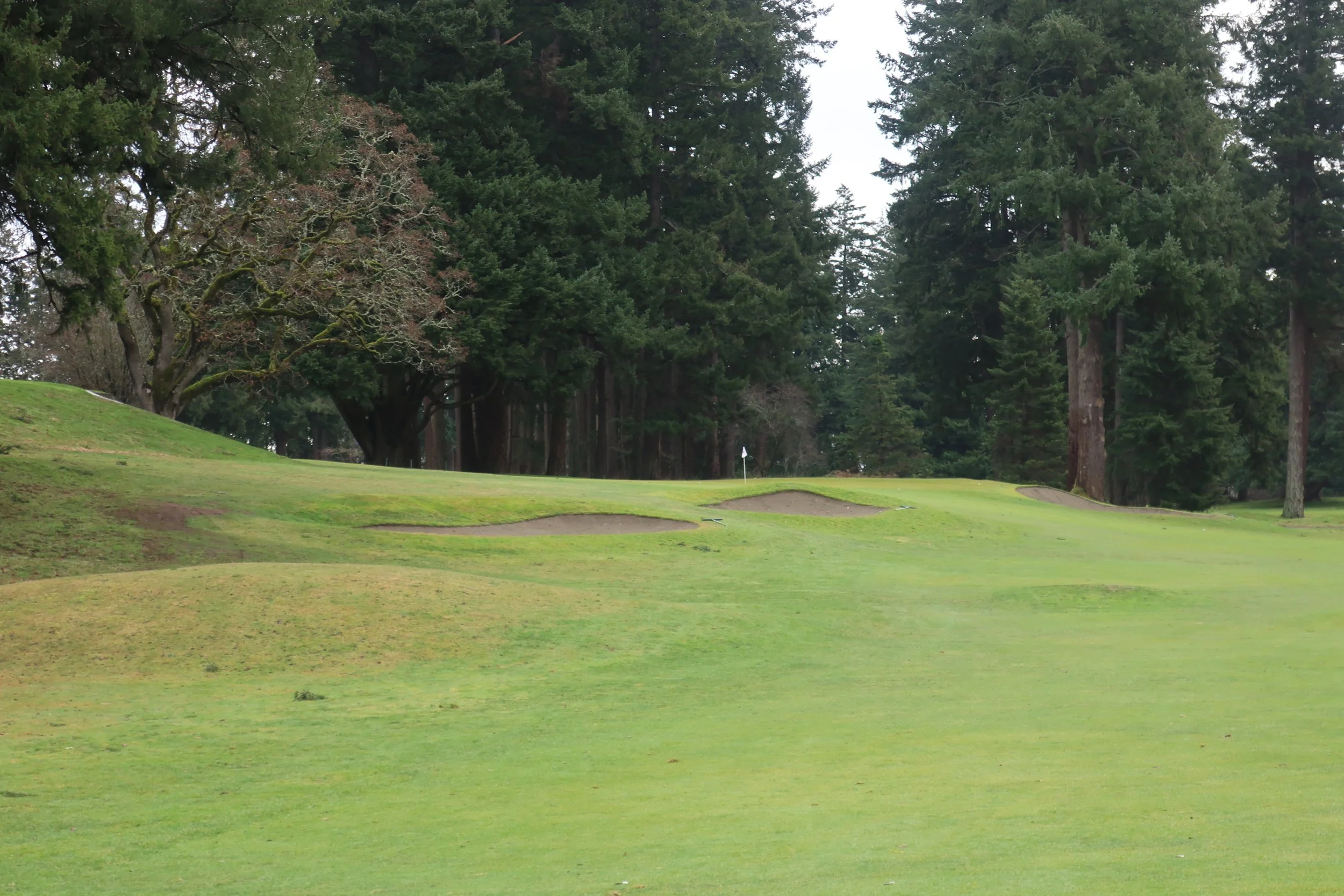
A.V. Macan's 1913 design on the Saanich Peninsula near Victoria is one of the oldest and most historically significant golf courses in western Canada. The course plays through tall, mature woodlands on gently rolling terrain, with Macan's routing logic producing a quietly compelling sequence of holes that rewards familiarity. Royal Colwood is understated by contemporary standards, but its architectural integrity makes it an essential for any serious architecture enthusiast visiting.
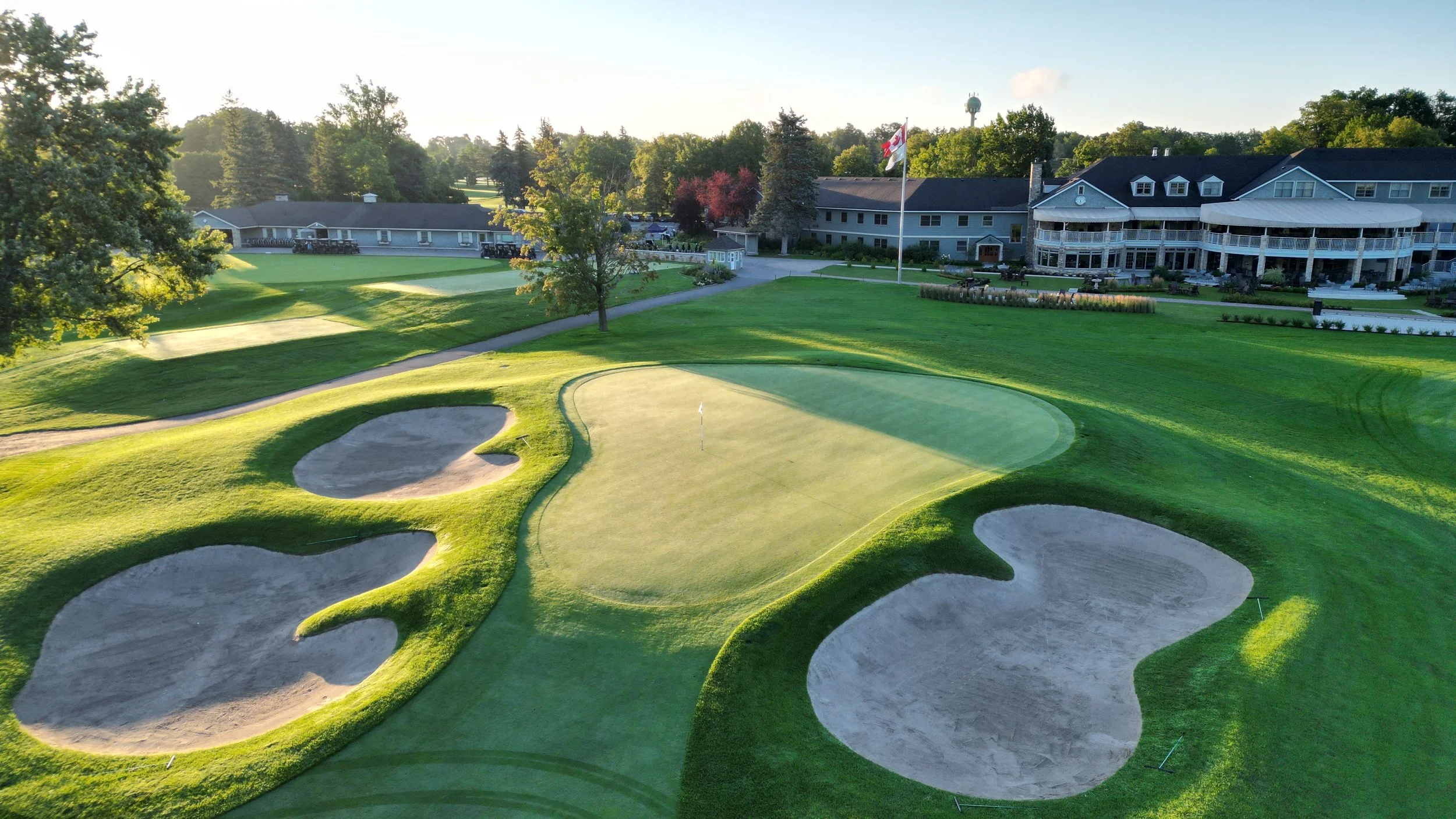
The oldest golf club in North America, founded in 1873, Royal Montreal has a heritage that almost no club can match. Its Blue course, originally designed by Dick Wilson in 1957 was later renovated by Rees Jones prior to the 2007 President's Cup - playing across the rolling terrain of Île Bizard with a tournament befitting, brute vibe. Water comes into play on critical holes, and the overall presentation is impeccable, as such a course deserves.
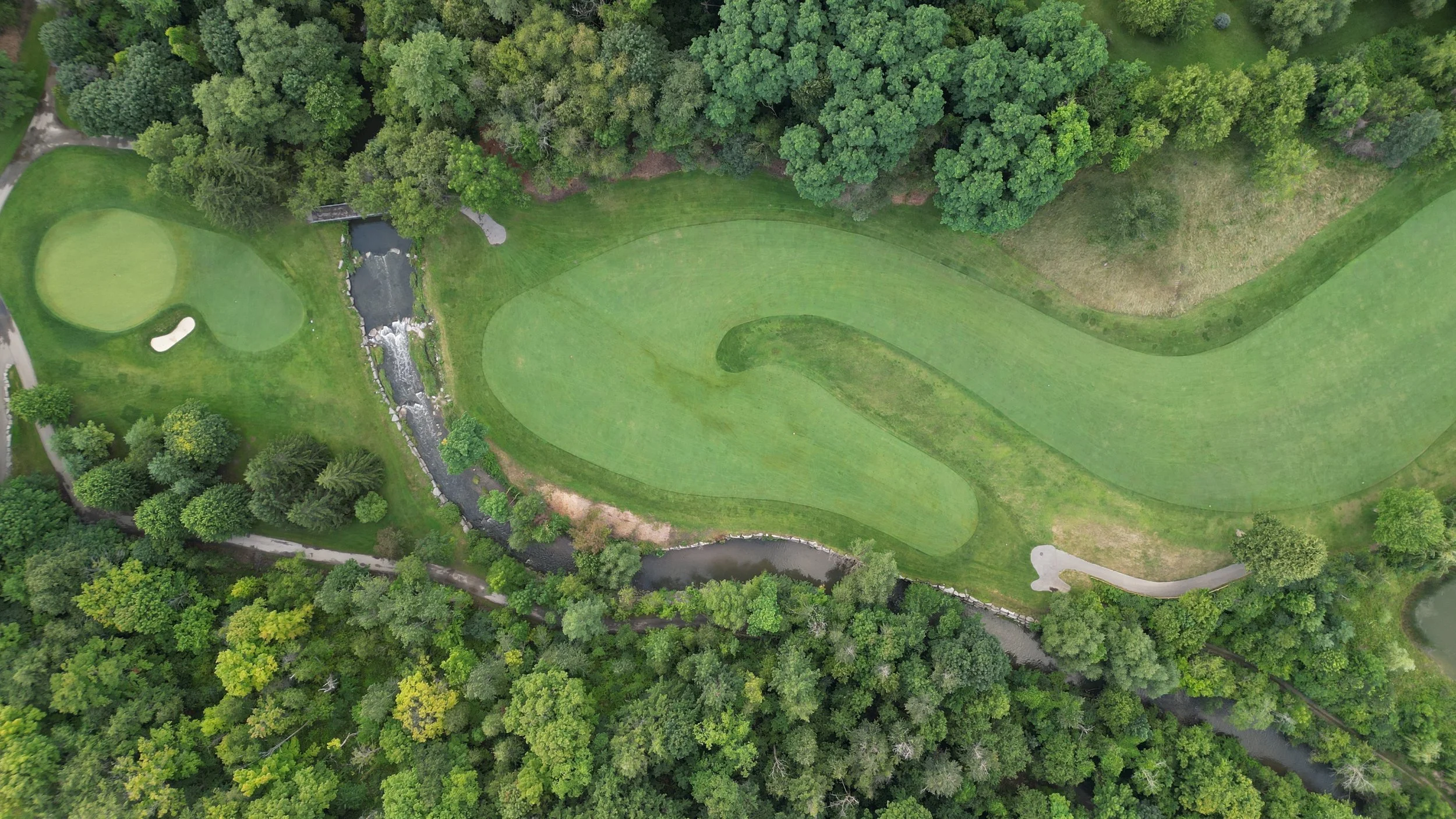
Canada's only remaining 18-hole A.W Tillinghast design. Scarboro crosses through the valley terrain with a rambunctious flair - after all, no golf course widely celebrated is conventional. Scarboro's character comes from its collection of holes that traverse such dramatic terrain - like that of the par 3 fourth, par 4 eighth, and the controversial (but wonderful) 18th. Scarboro makes a case as one of Canada's most uniquely crafted layouts.
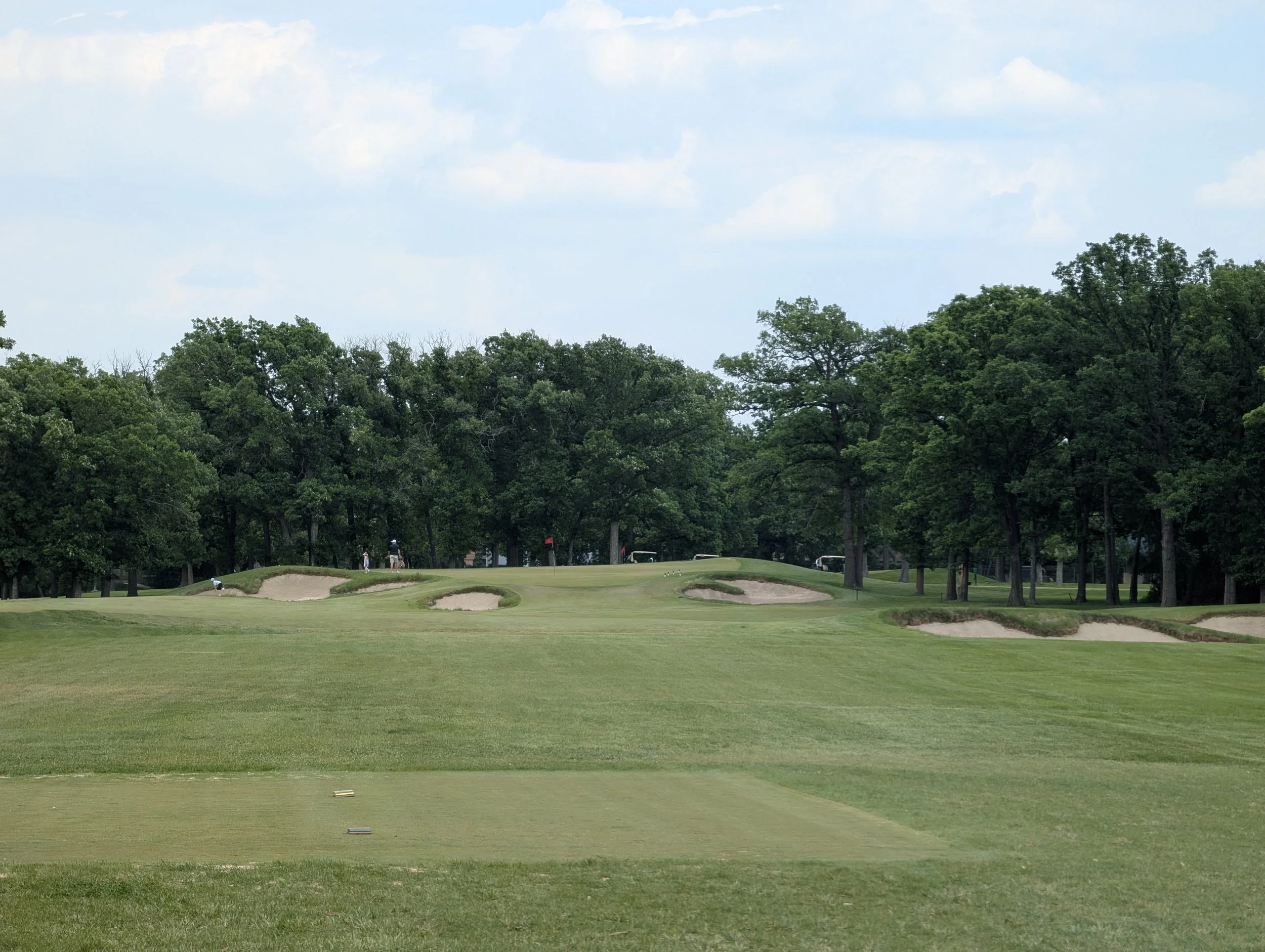
Alister MacKenzie designed just nine holes in Canada, which can be found paired alongside nine holes from Donald Ross at Winnipeg's St. Charles. The largely flat property captivates with its brilliant Mackenzie fingered, stylistic bunkering which comes coutesey of a recent Jim Urbina renovation, and shaping work by talented duo, Riley Johns and Keith Rhebb. As expected when dealing with two of the most famous architects over a decade apart, the styles are different, but thats one of the reasons it makes this unique list.
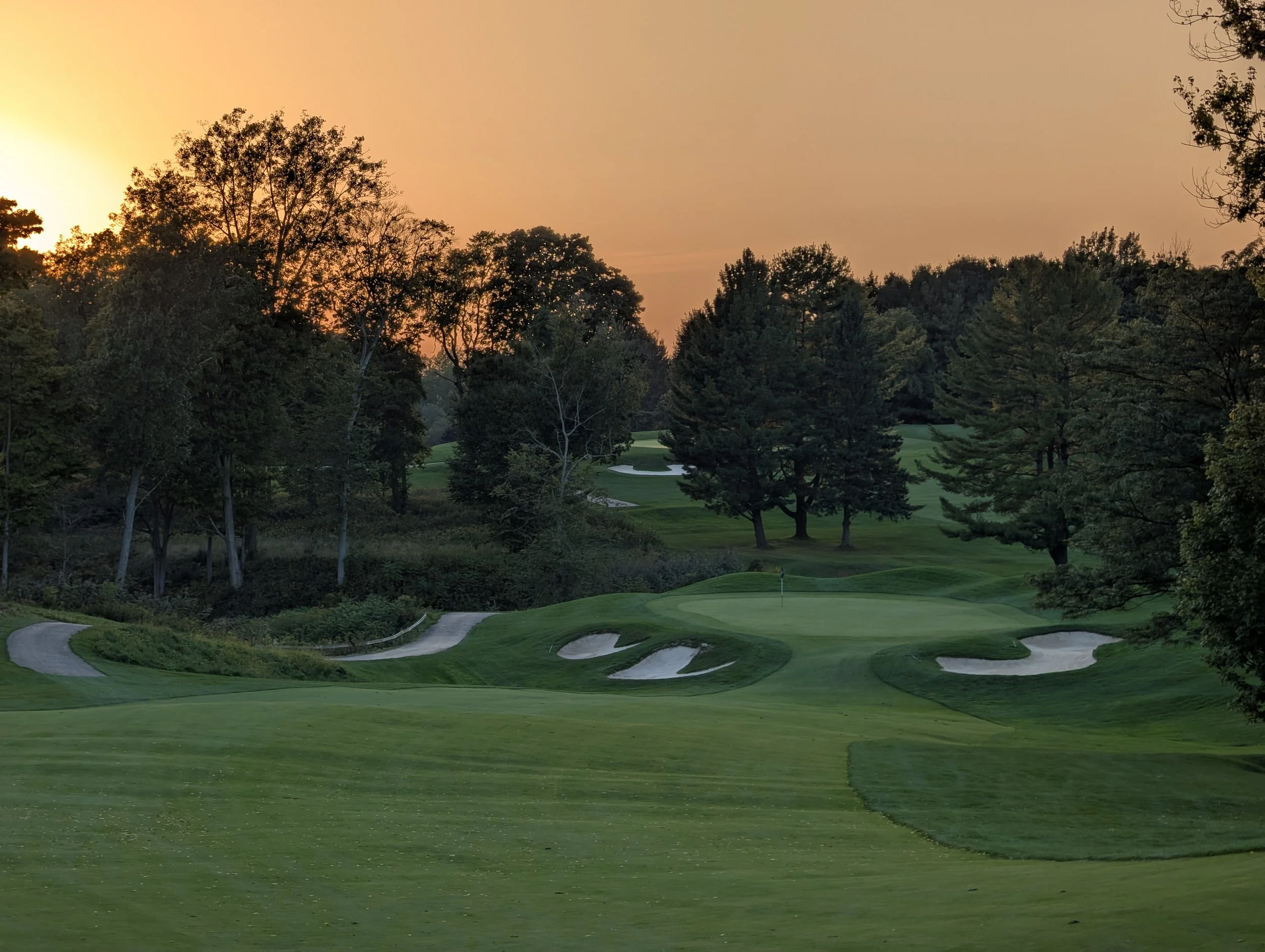
A lesser-known but genuinely well-regarded private club in southwestern Ontario, routing through mature tree-lined terrain with a character that is more refined than its modest profile suggests. The course plays with consistent topographical interest - comprised of a strong variety of slopes, ridges, and blind shots that amplify the best elements of the golf course. Highlighted by a remarkable set of green complexes that heavily contour with the grade of the land and have a distinct Thompson flair with surrounding hummocks.
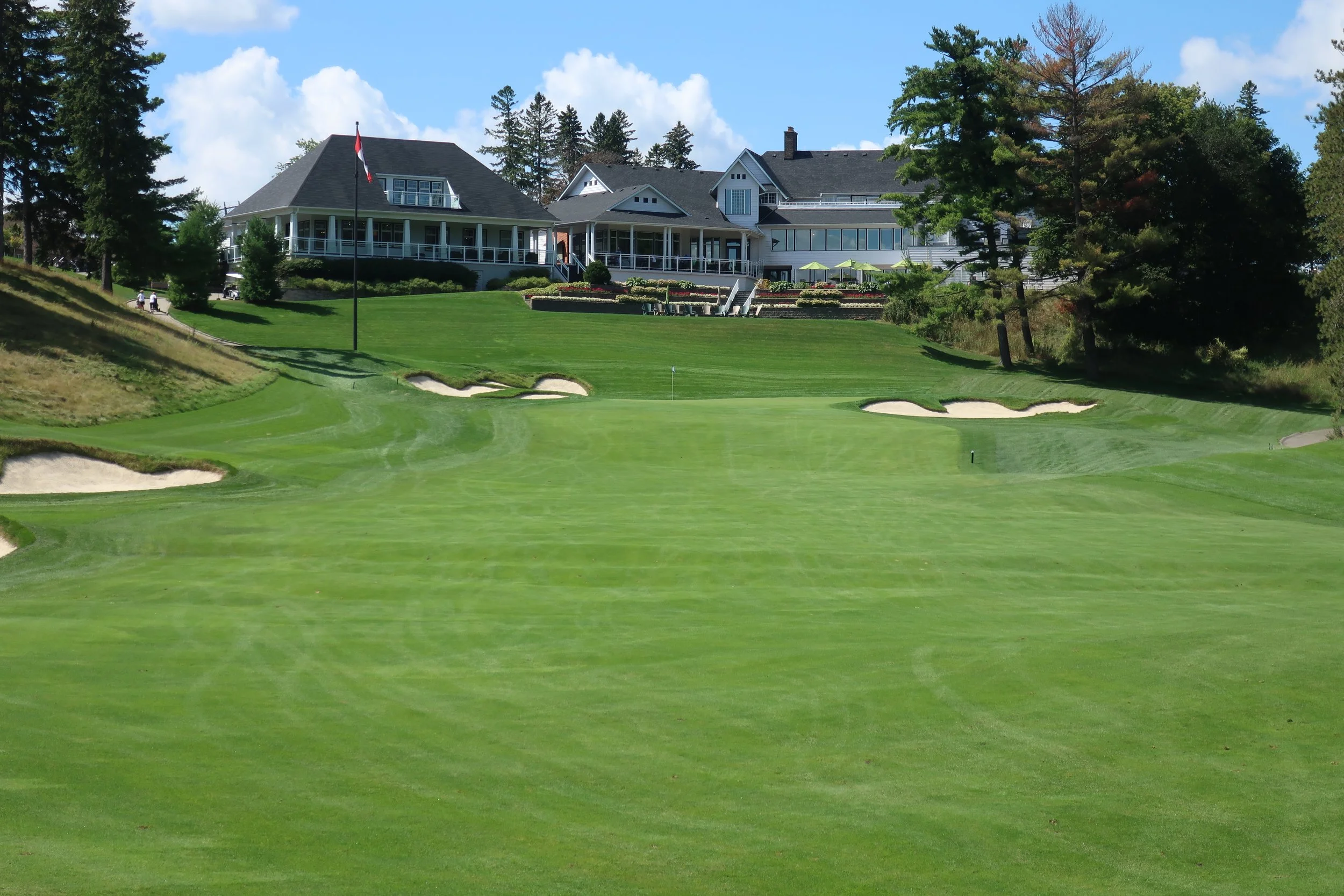
A Stanley Thompson design in Richmond Hill that occupies one of the more topographically interesting properties in the Greater Toronto Area. The routing through the Oak Ridges Moraine provides elevation changes, variety and scenic interest uncommon for this part of the province. Playing with a character that suits its moraine setting — firm, hilly, and more demanding than its profile suggests. The best holes come when interacting directly with the hilly topography like at the 2nd, 8th, 12th, and 14th holes.
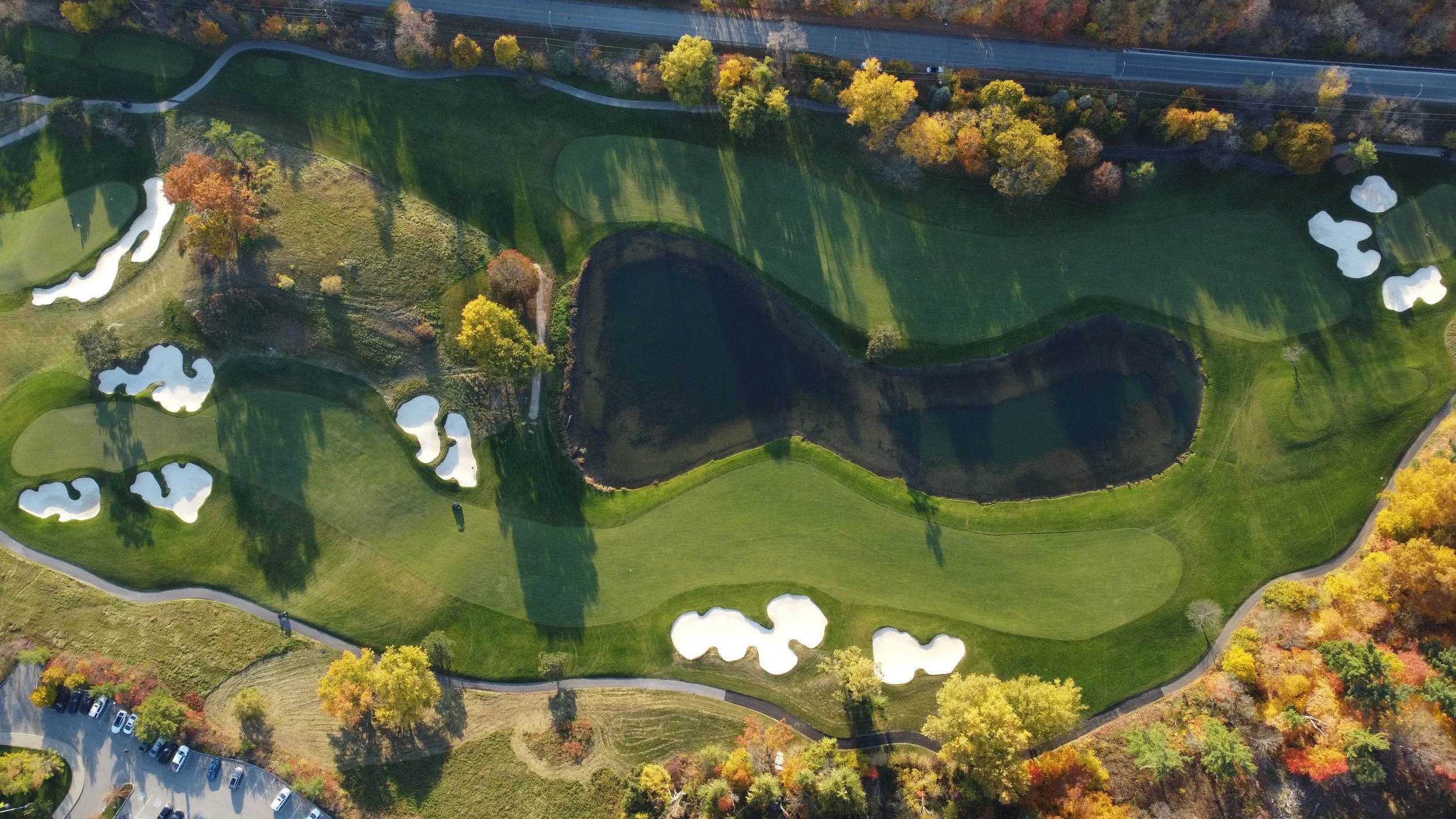
George & Tom Fazio design, built on the Oak Ridges Moraine north of Toronto with an ambition that matched the club's founding vision to be the most difficult golf course in Canada. The course is technically demanding — water features prominently throughout, bunkering is deep and plentiful, and the greens are among the most firmly maintained in the country.
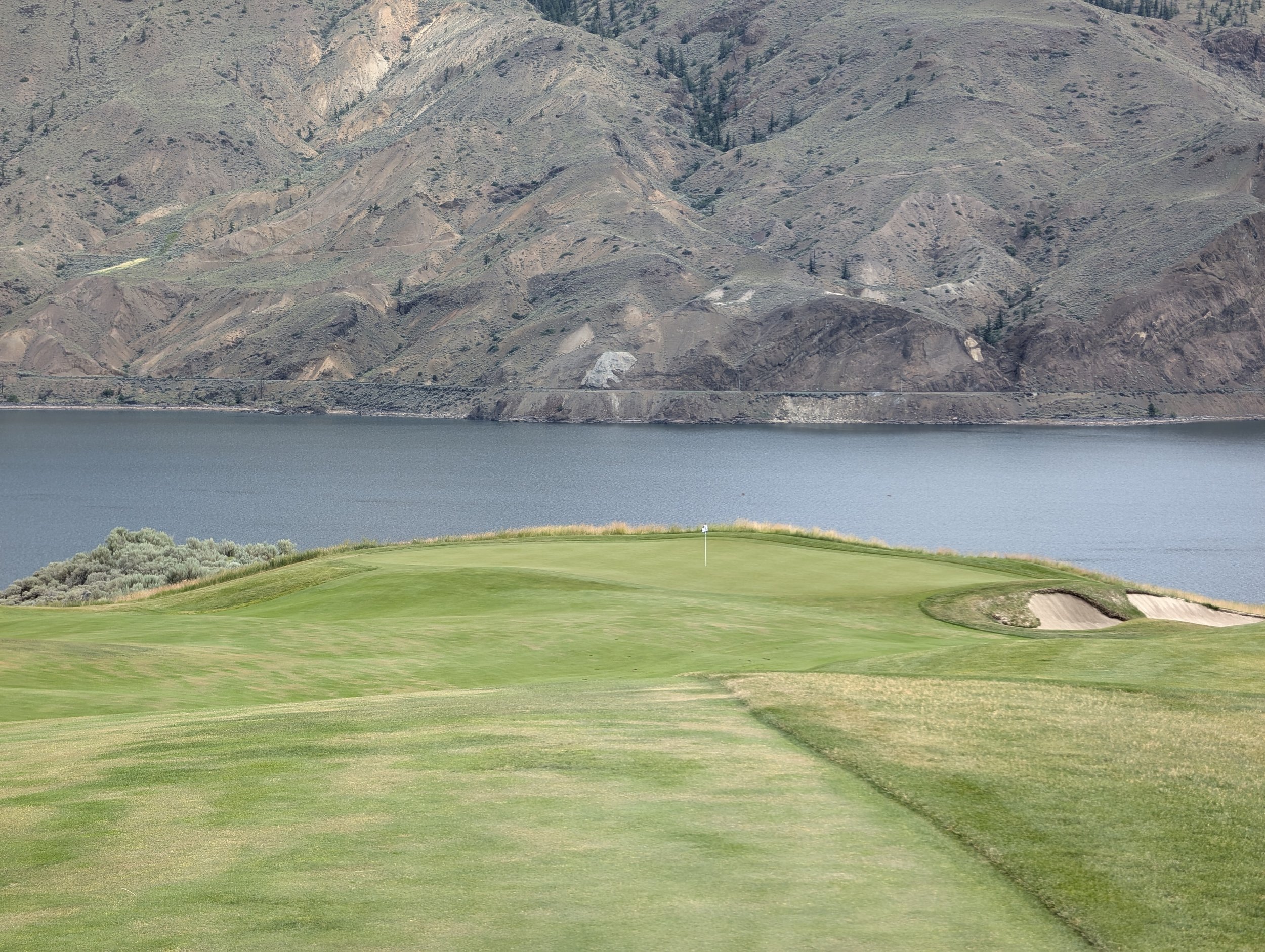
Tobiano's ethos is rooted in in the adventurous side of golf and it excels at providing a fun test alongside such varied topographical interest without being overly audacious. The golf course itself is particularly rambunctious and begins with a flamboyant opening hole. There are forced carries, valleys of dunes to play through, hillsides to traverse, and dense pockets of sagebrush to avoid. The best golf comes when the land is a bit more subdued like at the fantastic 6th or 13th.
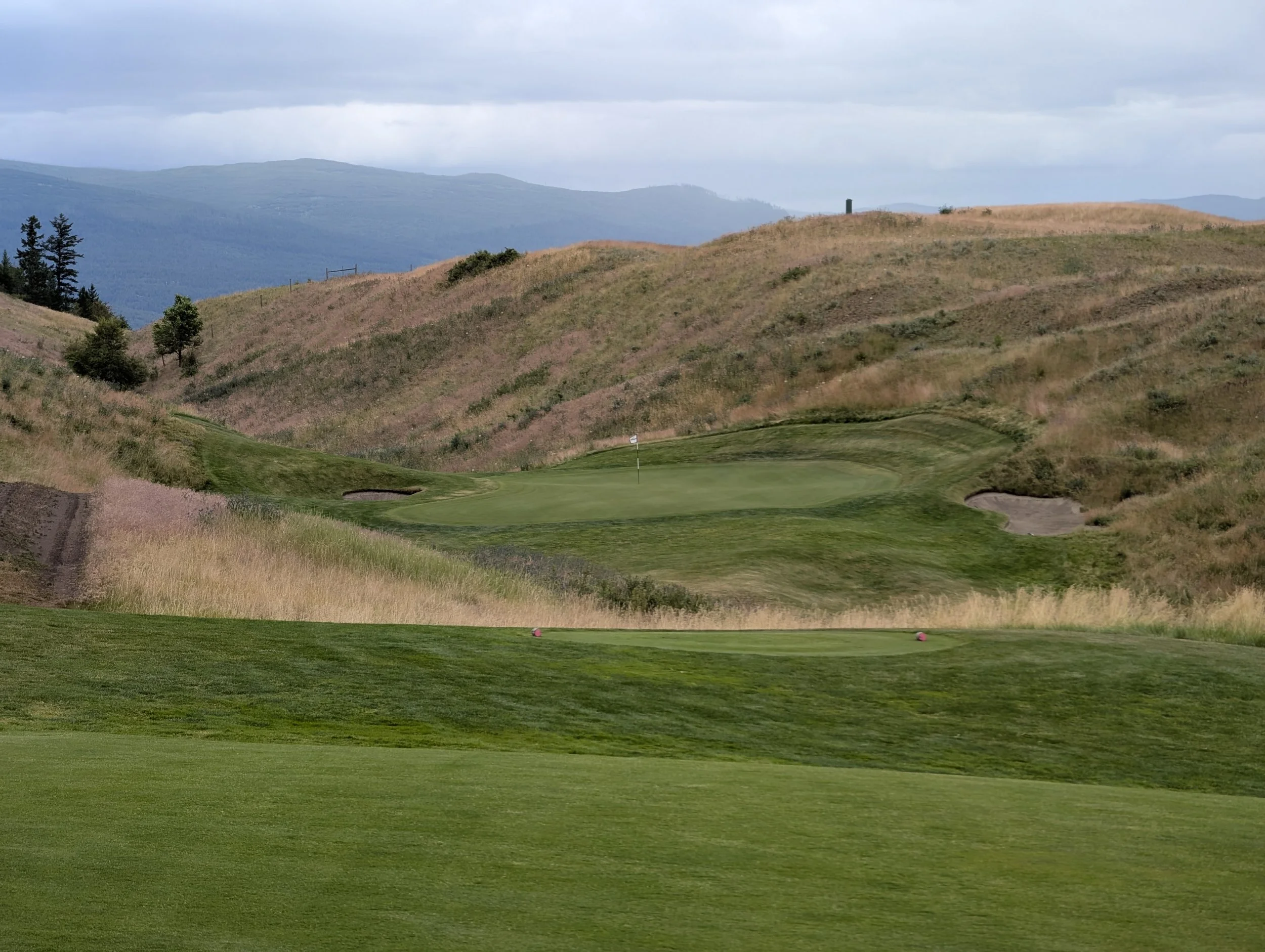
Another Okanagan design from Thomas McBroom, this time perched on a mountainside bluff overlooking the city of Kelowna. Tower Ranch cascades up and down this thrilling site for golf with grace. Utilizing natural ridgelines to place holes carefully so that play may not be overly extreme. Forced carries are abundant, especially on the back nine, which has some of the most beautiful and daring shots found in the West.
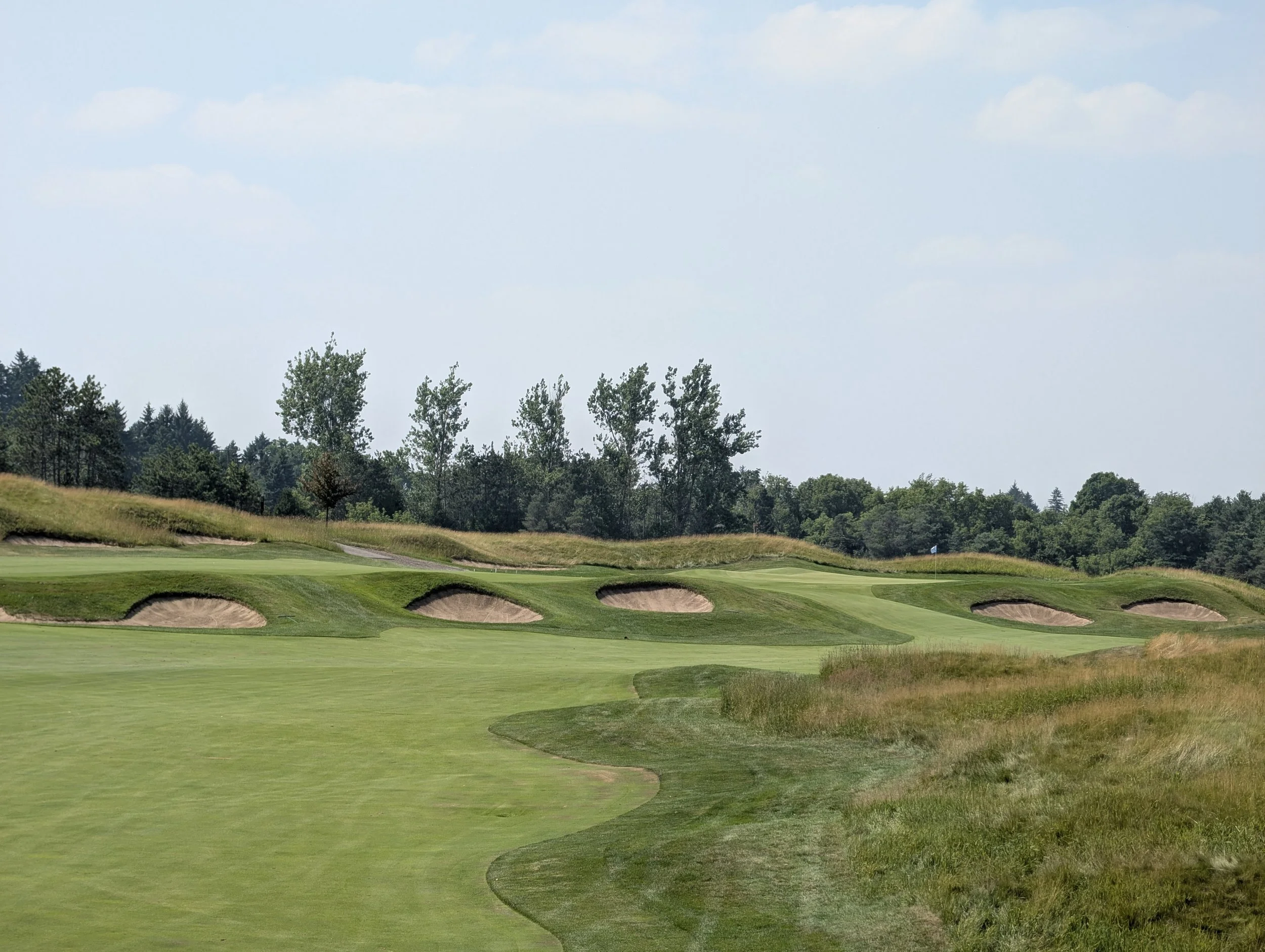
Developed in the early 1990’s by Doug Carrick, Heathlands micro dunescape, deep bunkers, and contoured green complexes are inspired after the links of Ireland’s Portmarnock Golf Club. Playing to over 7000 yards, the course’s tumbling fairways are lined with a beautiful golden fescue that often blows in the windy conditions. Heathlands set of greens are particularly inspiring with sharp run offs, knolls, ridges, and hummocks that propel shots near and far.
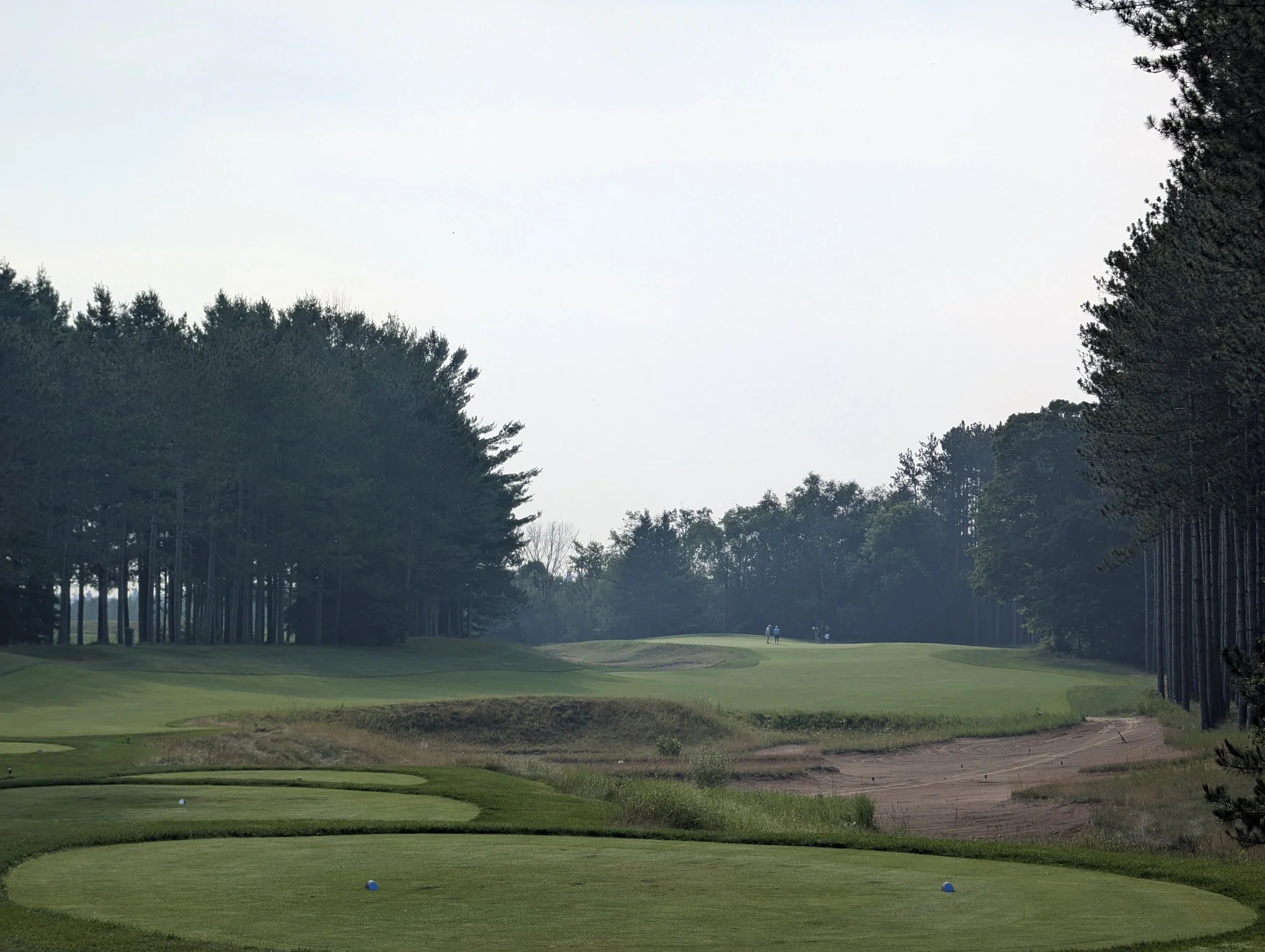
Doug Carrick's most unique contribution to the Osprey Valley property, plays with a broader and more forgiving character, while offering its own strategic interest. With numerous holes minimally inspired by Pine Valley, Hoot suits a wide range of players without sacrificing quality. The routing is thoughtfully conceived, and the expansive waste bunkers are visual delights and well suited hazards, creating a fun atmosphere.
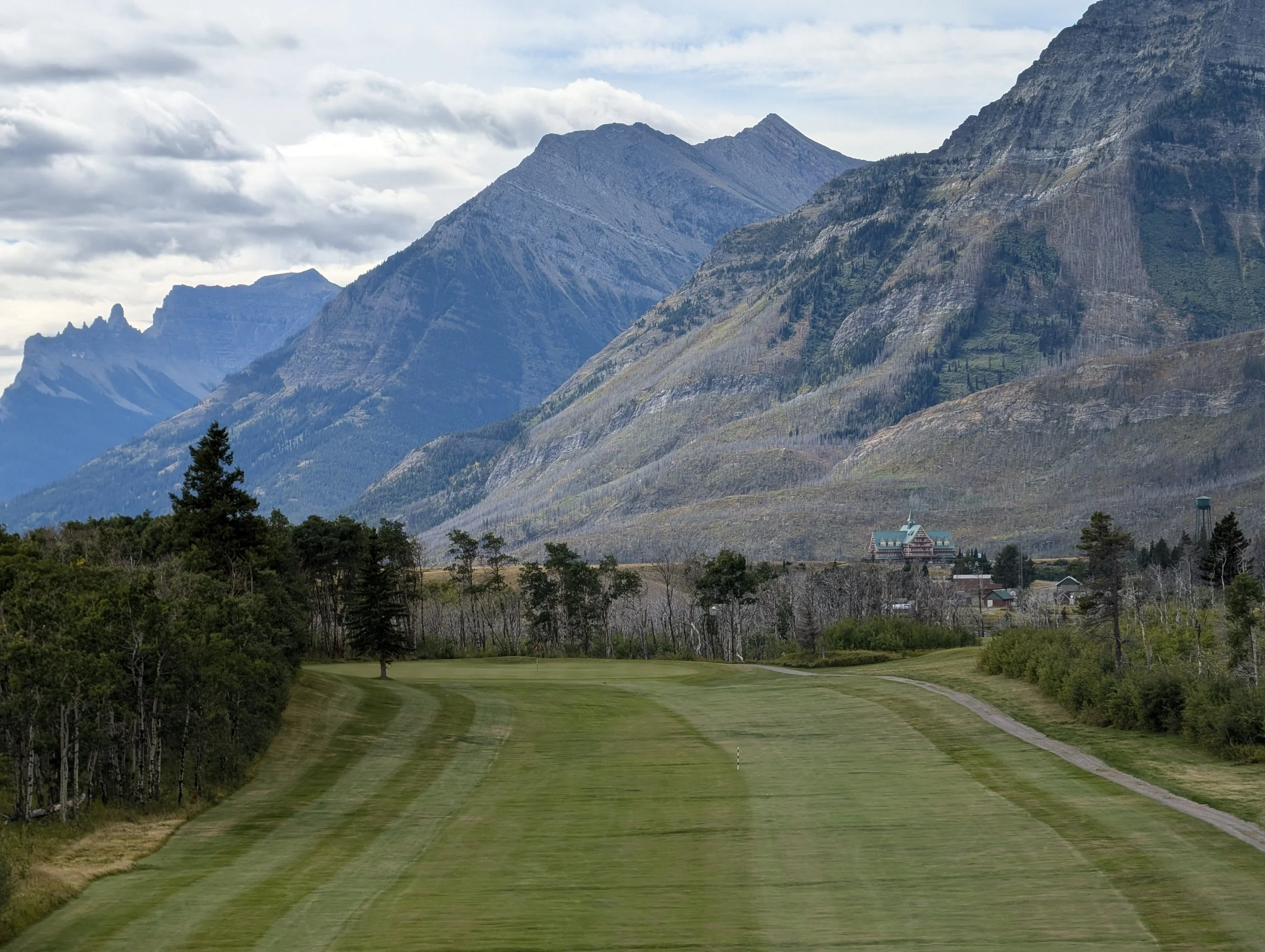
If there was any golf course in Canada to recommend on the basic study of golf architecture, Waterton Lakes would be it. Its subtle, yet intricate routing is a master work in design. Its similar characteristics to the early principles of design found on Scottish golf links naturally flows with the land. Its understated nature contrasts sharply against the majestic Rocky Mountains displaying a timeless piece of elegance.
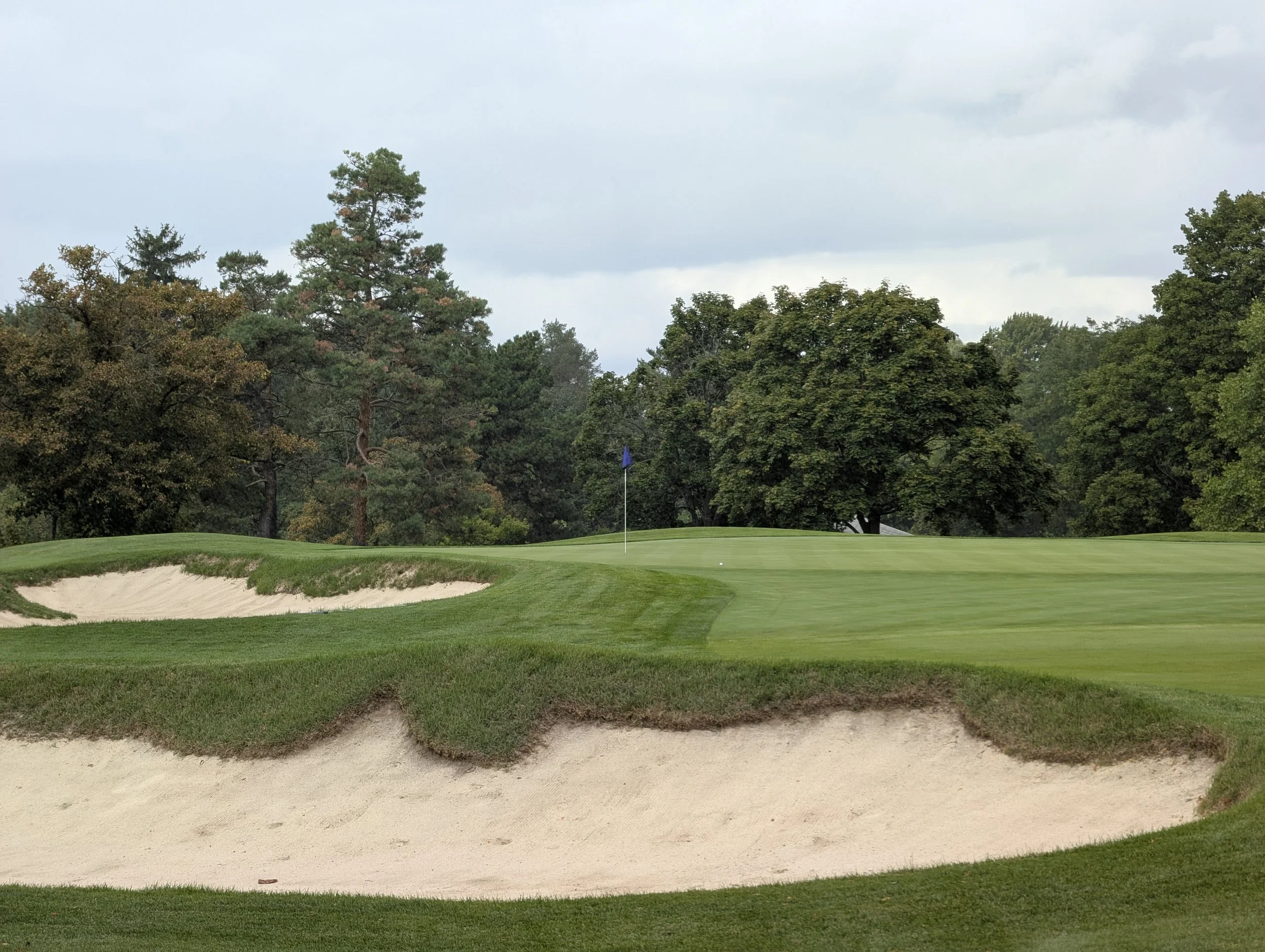
A Willie Park Jr. design in Toronto's west end that has been carefully maintained over more than a century as one of the city's most historically significant private clubs. The course plays through tree-lined terrain on the Humber River valley, with Park's routing producing natural variety and strategic interest across a compact but demanding property. Weston is a club where the architecture is a virtue — gracefully aging through a century of play.
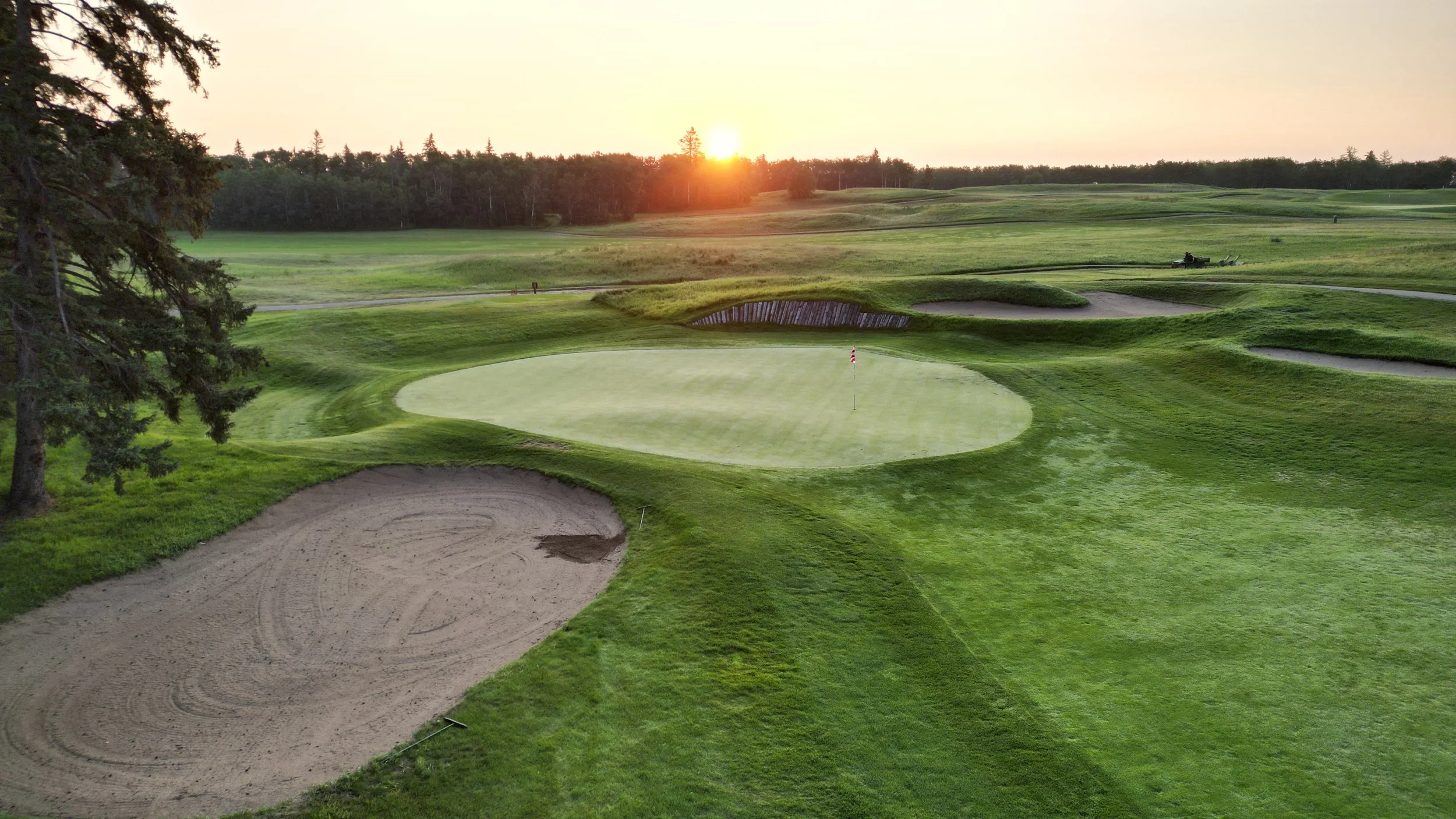
The original course at Wolf Creek Golf Resort, plays through a mix of open links like terrain and lightly treed corridors. The design philosophy is dedidedly Scottish in roots, mimmicking the fine ground focused concepts just as if this were built in the old country. While there is some concern about maintenace standards, Wolf Creek is a compelling place to visit and see the early architectural work of Rod Whitman, Canada's best modern architect.