The Algonquin
Overview
Along the shores of Passamaquoddy Bay is the charming Algonquin Resort. Offering a cerebral golf experience deeply connected to the land and the sea by its sprawling terrain, clever green complexes, and scenic views. A transformative 2017 renovation under the direction of Rod Whitman traded softness for architectural teeth and visceral connection to the land.
AT A GLANCE
-
Donald Ross (1927)
Thomas McBroom (2000)
Rod Whitman & Keith Cutten (2018)
-
-
Beyond The Contour 2024-2025 #38
SCOREGolf 2024-2025 #45
SCOREGolf 2025-2026 Public #13
Top 100 Golf Courses 2025 #38
-
Breathtaking scenery from holes along the shores of Passamaquoddy bay
Ample short grass areas focused on ground attributes
Public access, resort property ($90-$165)
-
An Introspective Look Into The Algonquin - Golf Club Atlas
About
Golf has been played in Saint Andrews-by-the-sea since 1894, and most of the early design credit of what is now The Algonquin golf course belongs to Donald Ross, who, in the 1920s, designed a twenty-seven hole layout for Canadian Pacific Railroad’s Algonquin Hotel. In the early 2000s, Thomas McBroom was brought in to update the course to modern standards. More recently, following his success at Cabot Links, the Resort’s ownership hired Rod Whitman to reimagine the golf course.
In the world of golf architecture, there is a small but distinct difference between a "course at a resort” and a true golf destination. For decades, The Algonquin - tucked away along the shores of Passamaquoddy Bay flirted with the former. Donald Ross’s routing wasn’t able to use the land closest to the seaside and subsequent renovation by Thomas McBroom had modernized the course, and brought some of those elements closer to play, but it wasn’t really befitting such a grand location. Simply put it was pleasant, scenic, and polite. The bunkering was too tidy, the edges were soft, and the connection to the raw, rocky coastline felt aesthetic rather than visceral. That’s where architect Rod Whitman comes in. A comprehensive renovation in 2017 elevated the golf offering among the very best in Canada. Reshaping hole profiles to better fit the land, and provide an elevated visual aesthetic that felt closer to the historic roots of golf design.
The routing is a tale of two environments. The opening stretch plays through more sheltered, inland terrain, while the back nine - specifically the stretch from the 10th to the 17th - engages in a direct, bare-knuckled conversation directly with the elements. Whitman’s primary achievement was the restoration of scale. He stripped away the polite, oval bunkers of the previous era and replaced them with more rugged, irregular sand scapes. He also widened the corridors - opening up new vistas - and amplified the strategic elements by carefully reshaping green complexes and hazards.
The Algonquin is a focal point for those make the pilgrimage to New Brunswick or road tripping to other Maritime provinces. It is a course that celebrates some of the most the ideal principles of golf architecture, while many of its competitors have been developed or reshaped with softened playing characteristics in mind. By leaning into the characteristics of the land and shaping holes along the best topographical features, it looks and plays the part of being one of the top golf courses in the Country.
Featured Holes and Course Details
One of the major focuses of Whitman’s renovation was delivering an engaging set of green complexes throughout. The ground contours in and around the greens have been delightfully tied in with the surrounds - boosting both the playability aspects and exacting nature of players shot making abilities. There are plenty of humps and bumps, spines and ridges, and deep run offs that deliver such a compelling set of holes even when the scenic elements aren’t always there.
While most of the scenic interest is rightfully reserved for later in the round, the front nine is certainly no slouch on its own. At the third, a compelling Par 3 plays across a largely nondescript plot of land. The focal points are the finely crafted mounds and large ditch that affect a players depth perception and add an element of hazard to play. A lonesome pot bunker sits just off the right edge of the green. Whitman’s architectural style and plentiful use of short grass surrounds combined with each unique green complexes is especially suited to showcasing these ground effect elements found at holes like the third.
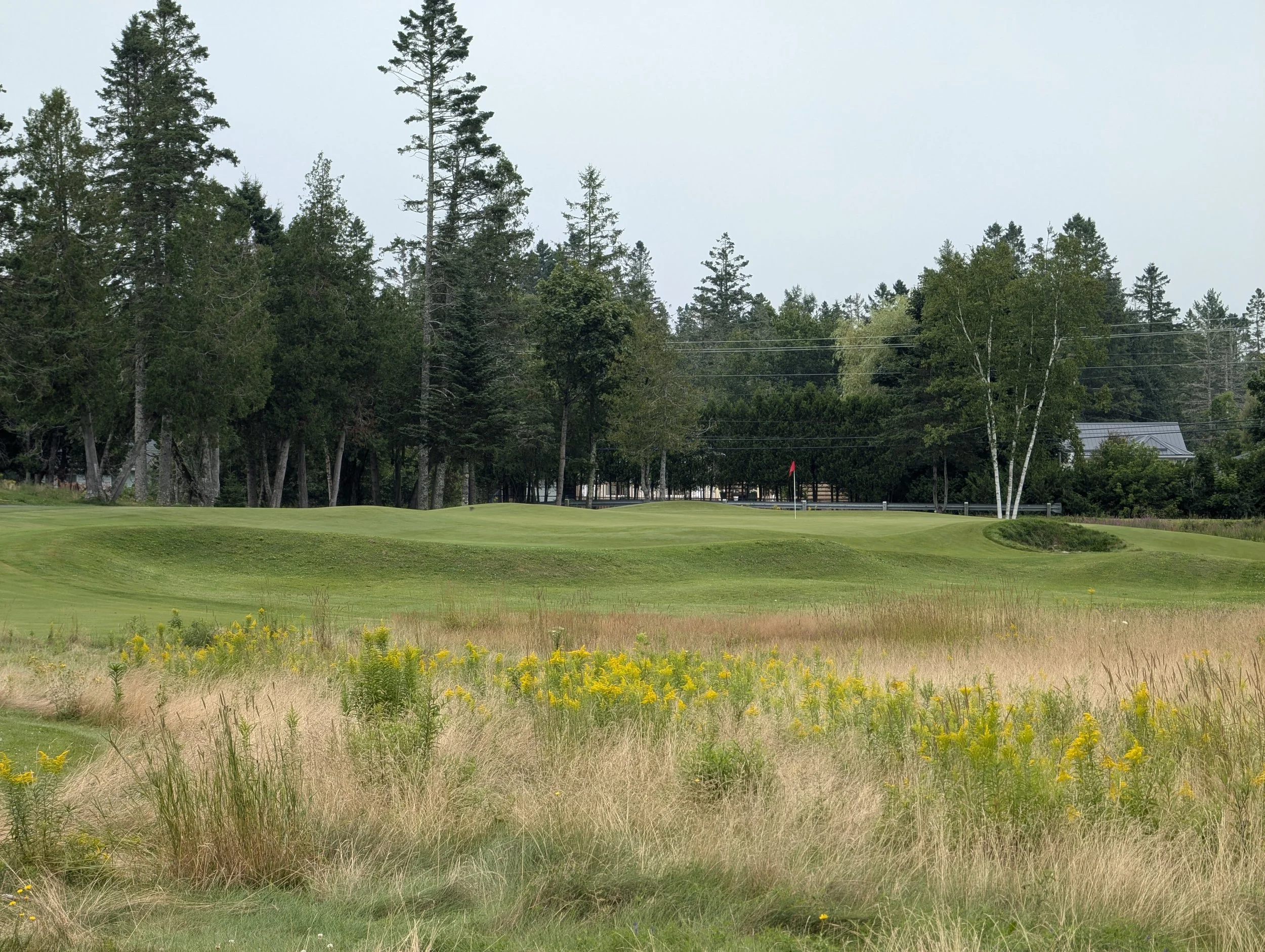
It’s often the finer details that deliver high shot values among the best courses. At the fourth, a mid length par 4 players find a set of central trees and long fescue grasses that split the fairway into two paths. Up the left the boundary of the course, and a small set of mounds that obstruct the view into the green, are the hazards to avoid. While those who find the wider fairway to the right may face a difficult shot into the green if they’ve gone too far right - blocked by another large canopy of trees. At the green a trio of bunkers plotted short left, left, and right are the mischievous hazards to avoid. The tumbling ridges and spines that make up this surface are excellent, perhaps one of the best on the course that’s full of boisterous wavy contours.
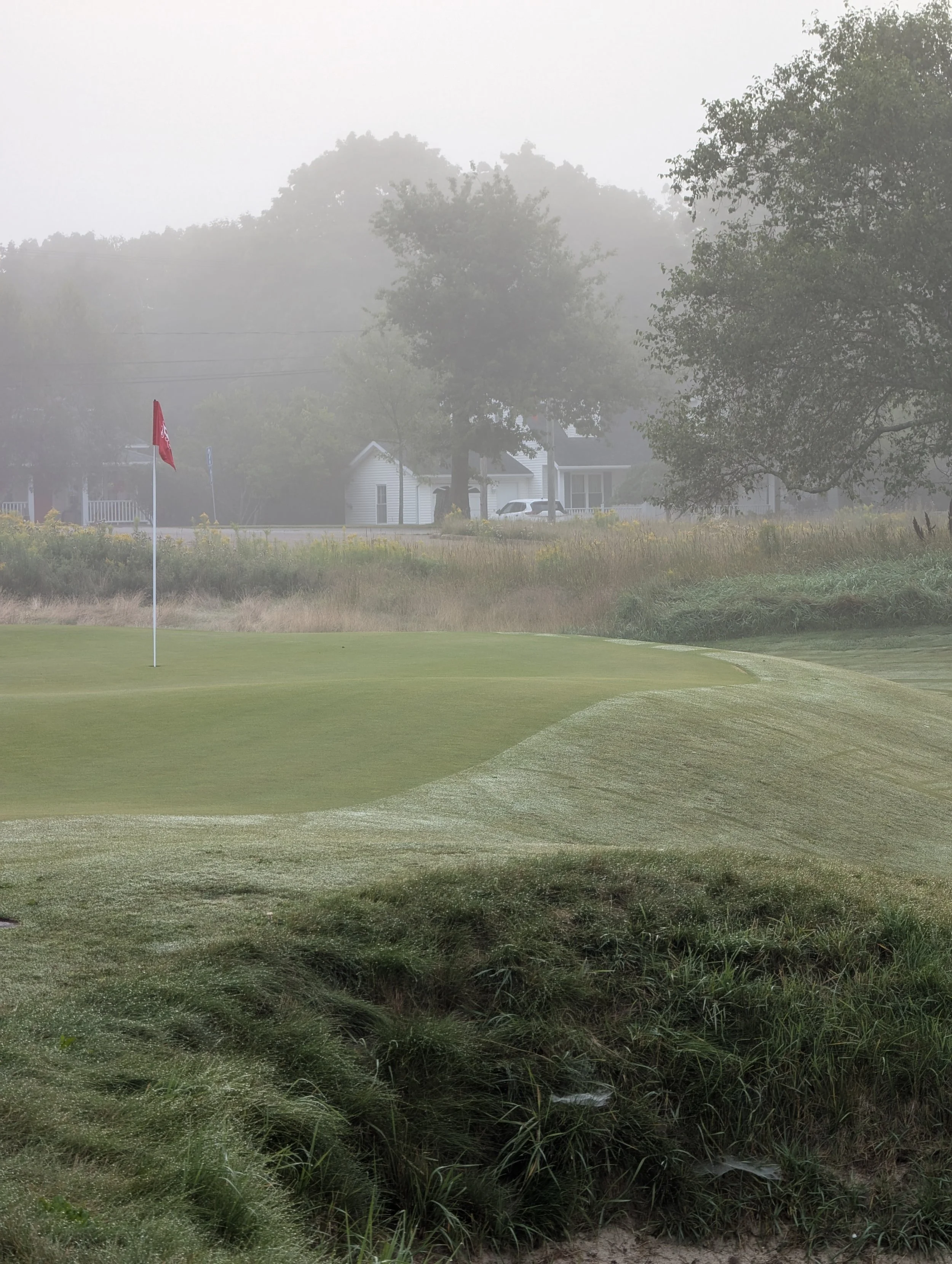
One of the non-seaside highlights is surely the long Par 4 seventh, with its tee shot playing straight away to a fairway that rises then falls down gently towards the green. As such, much of the landing zone can be blind. Fret not the tee shot is simple with plenty of width. Yet, this hole delivers a complex test at the green where a small pot bunker sits central with a steep false front on either side and long banked runoffs that can be used behind the putting surface to pull the ball back into play. If the tee shot wasn’t a nervy one into the unknown for players, the approach to this cleverly set green likely is.
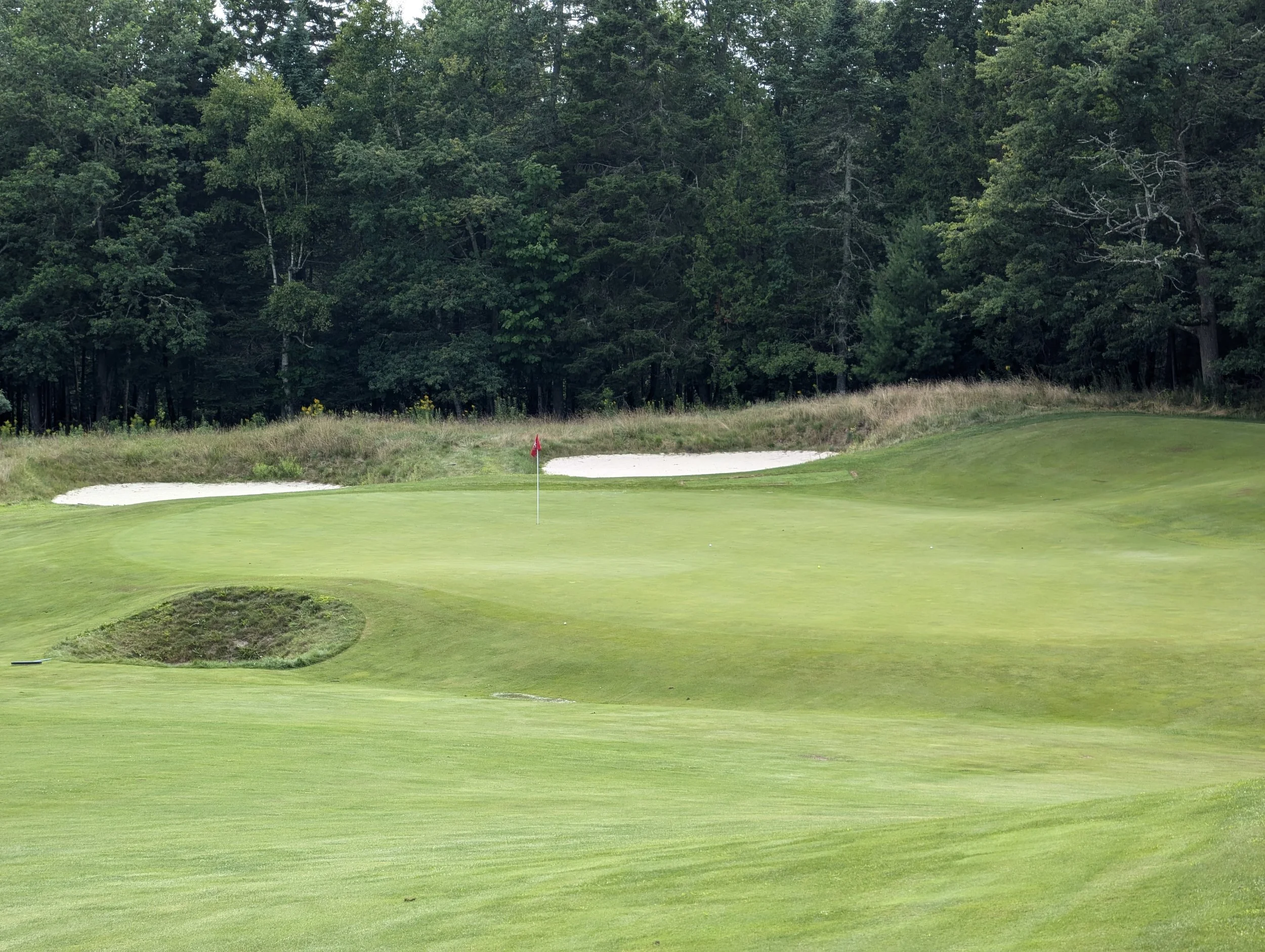
Every golf course needs a superb long-par three, and for The Algonquin that comes at the 10th, where Rod Whitman crafted a brand new hole - clearing overgrown brush and opening up a panoramic view off the back of this green. Designed similar to a redan with a high right side and lower left players can creatively run the ball to many different pin locations, but must be careful to avoid the bunkers short right and fronting left. This hole marks the start of a captivating four-hole stretch (10–13) that justifies the price of admission alone and cements this renovation as one of Canada’s most accomplished works
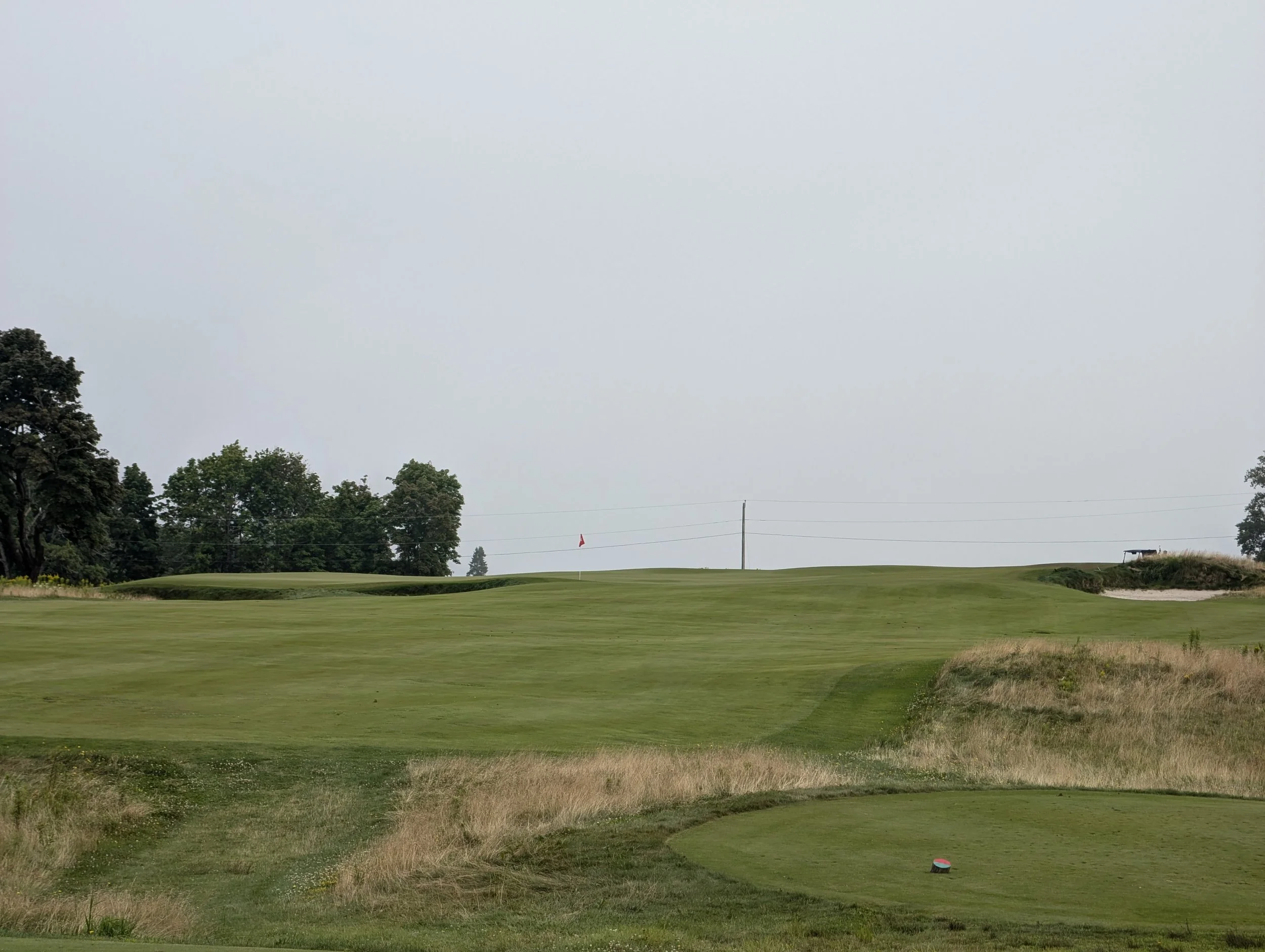
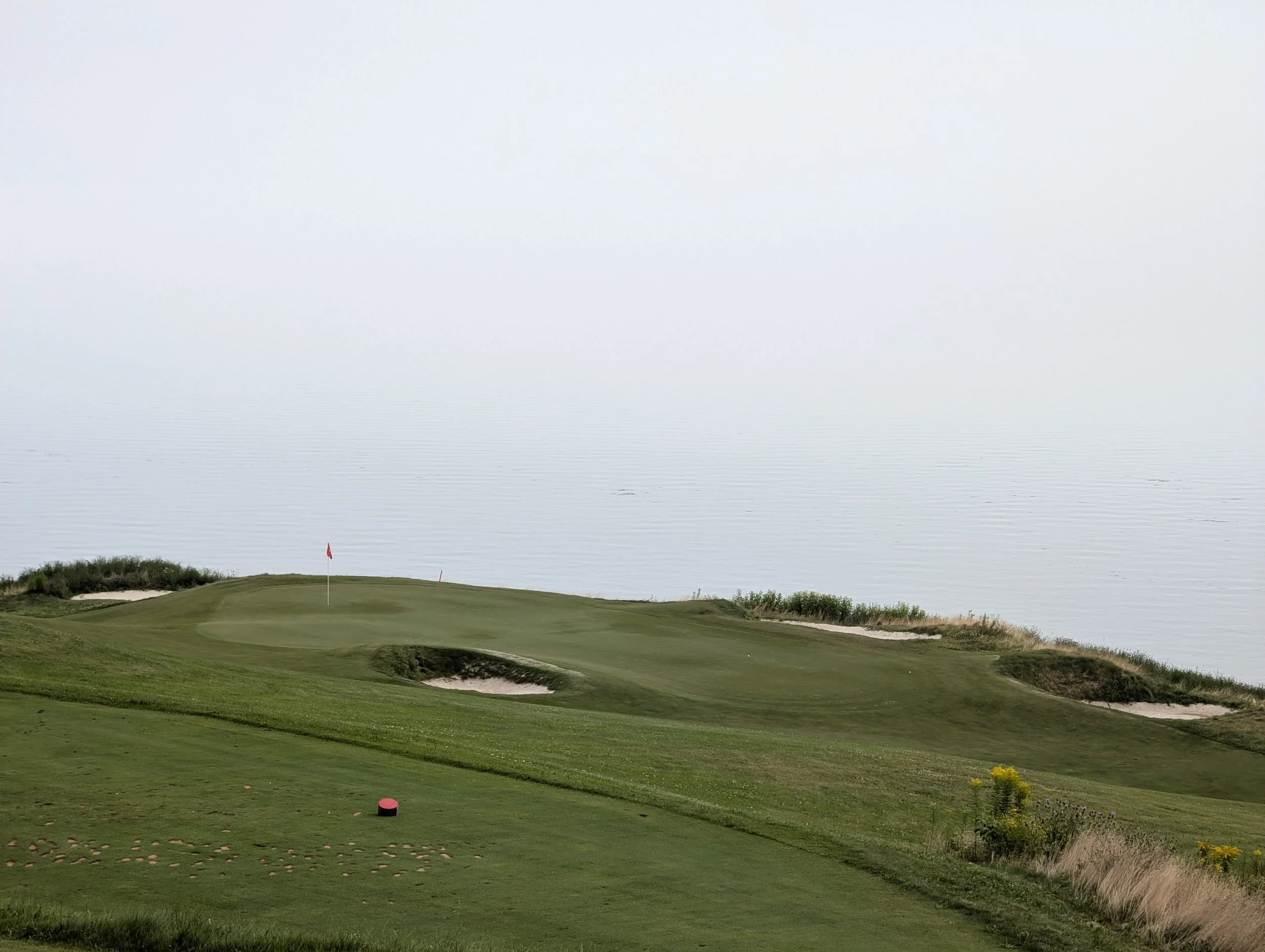
At the 11th we begin the transition to the sea with a lengthy par 5 - another new creation. From the tee a set of deep cavernous bunkers guards the inner side of this dog leg. Players who take this line on can be greatly rewarded with a much shorter approach into a green that appears as if it sits along the edge of the world - especially on a gloomy and foggy day that does not reveal the bay. Closer to the green a confluence of bunkers guards many of the landing areas and run offs. As far as comparisons to the greatest par 5’s in Canada, the 11th certainly ranks up there with its excellent setting and thrilling risk/reward shots.
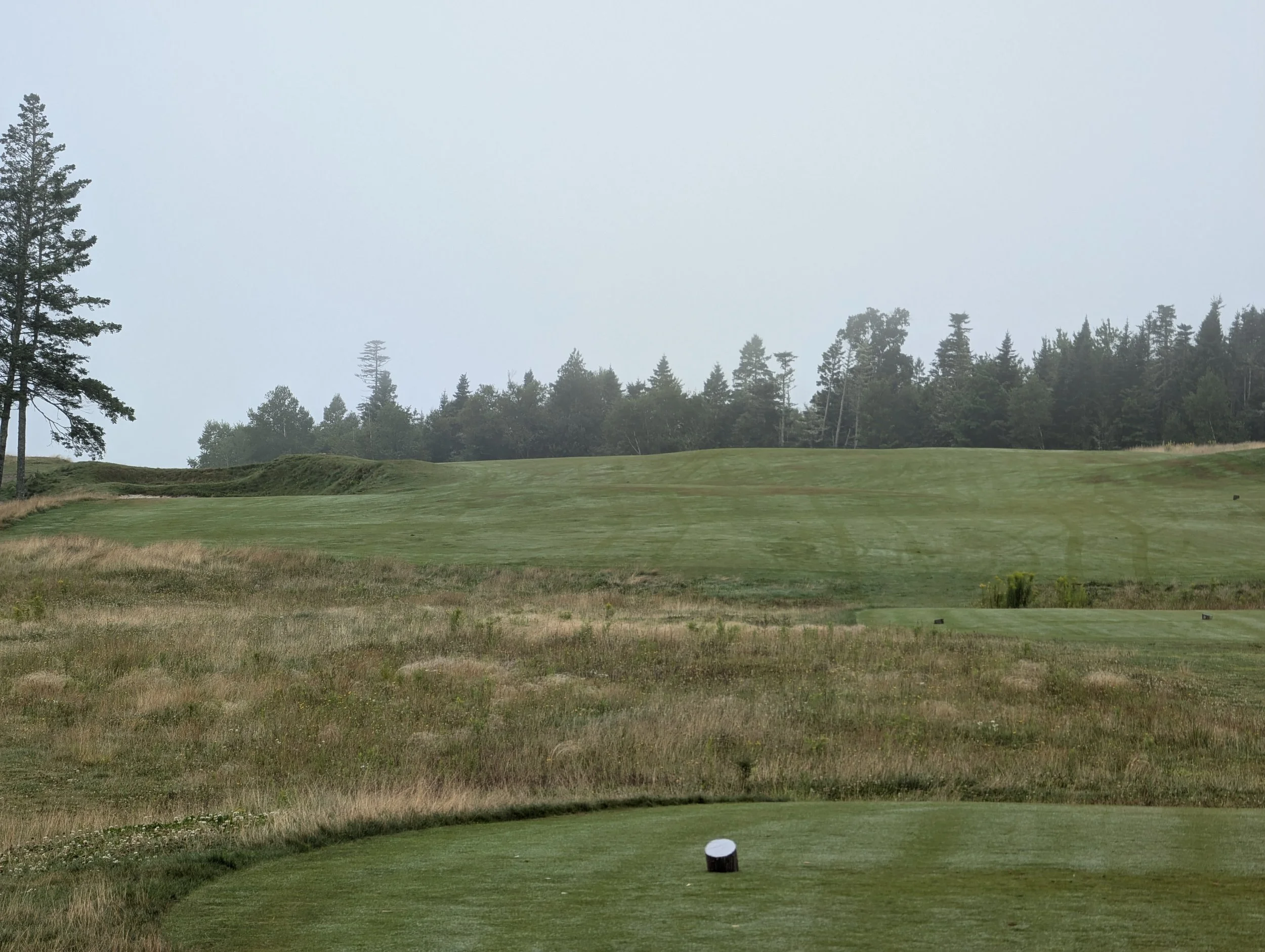
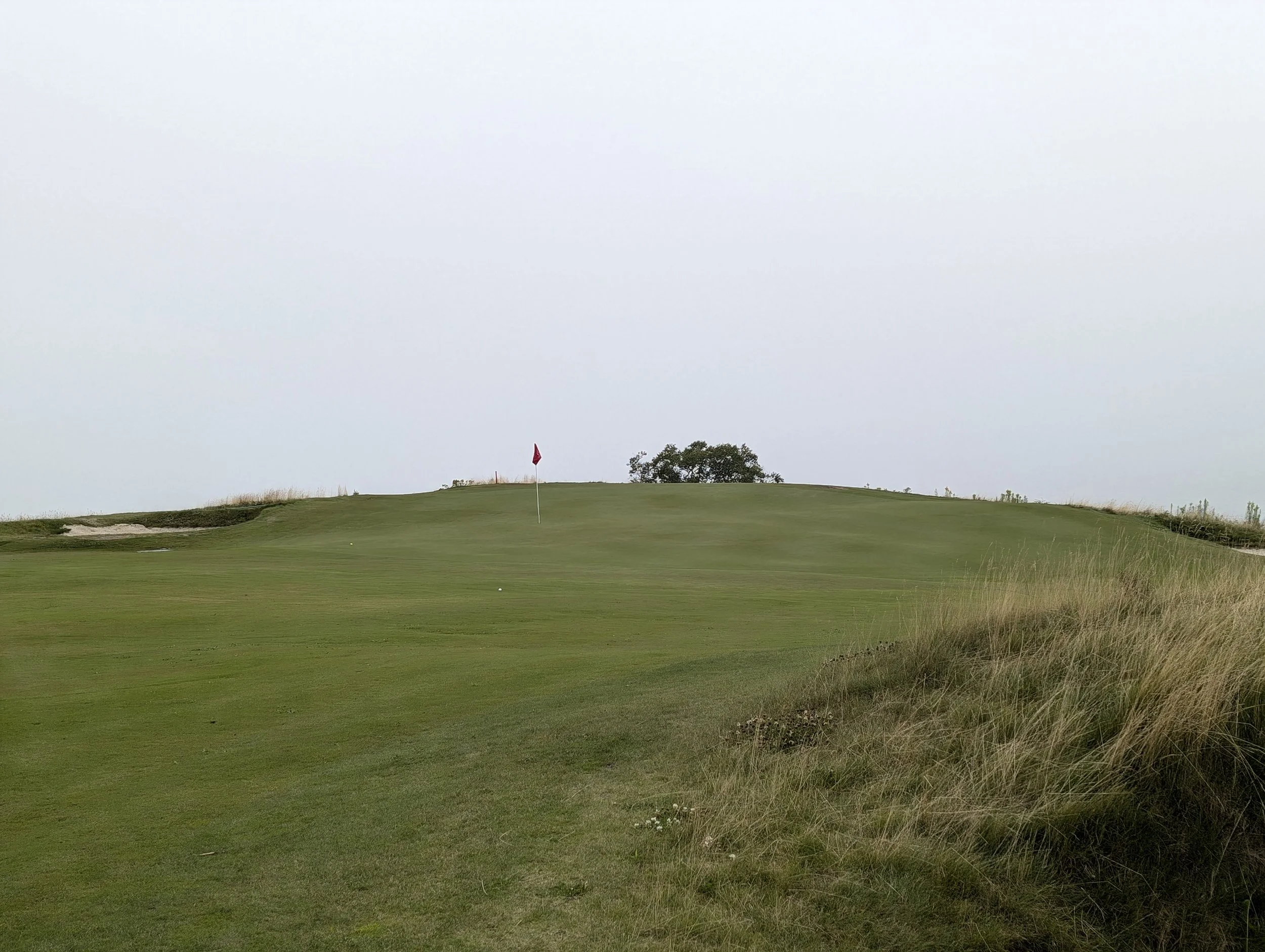
An original hole crafted by Thomas McBroom at the tune of the century, the 12th is often cited as the signature hole, and for good reason. Playing significantly downhill toward the bay, the green is a small target framed by the vastness of the Bay of Fundy. Here the architect duo relayed the green contours and reshaped all bunkering in favour of the lively edged one’s seen today.
Players will generally favour this hole over the other par 3’s on property due to its scenic value. When the tide is out, the exposed sea floor and rock flats provide a unique backdrop unlikely to be found anywhere else; and when it’s in, the scene is more similar to that of the seventh at Pebble Beach. Surely a spectacle to be seen on its own. But each par 3 is generally as acclaimed as the next among golf architecture enthusiasts. A truly great set.
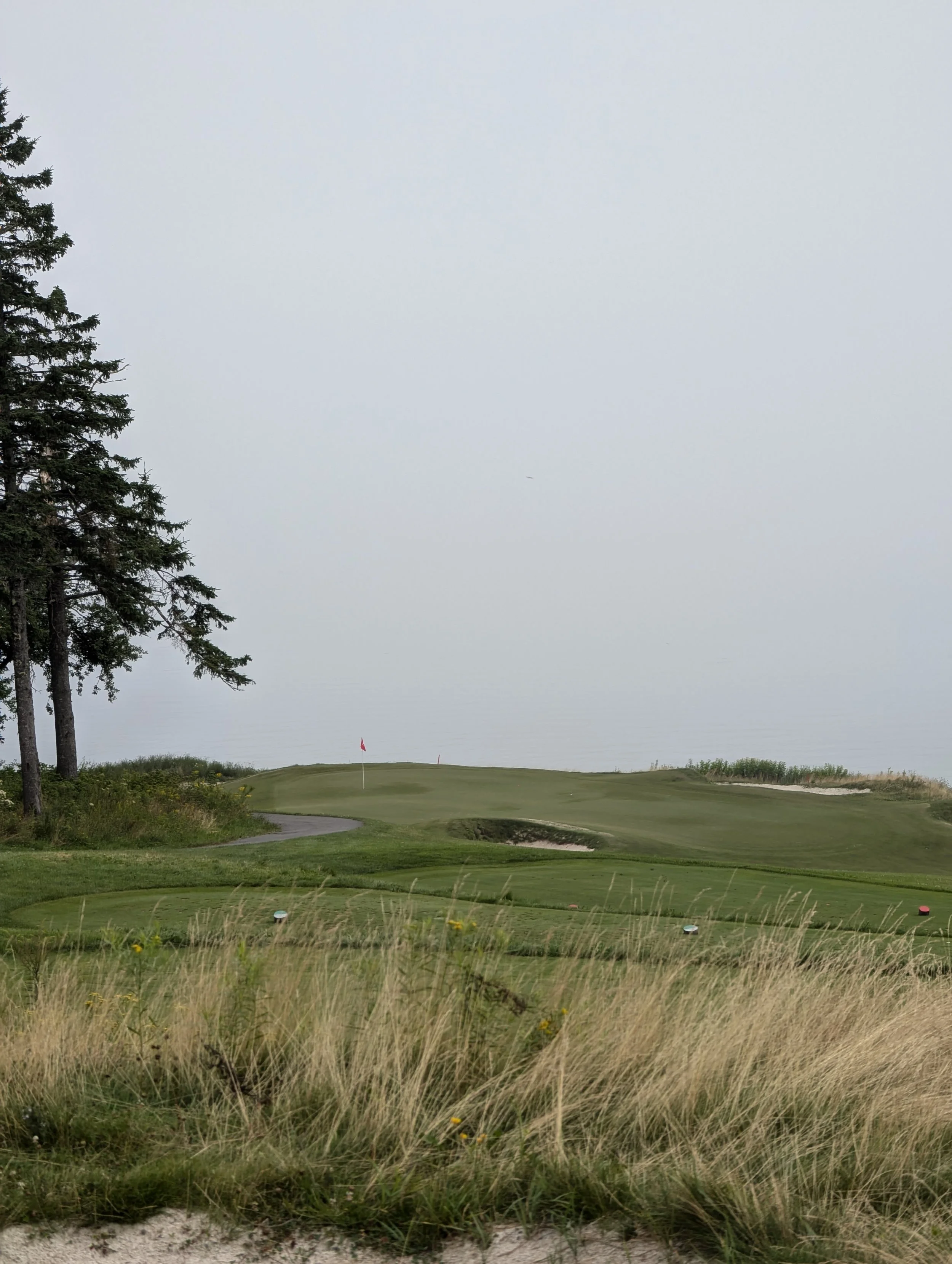
As one heads off the 12th they’ve likely thought they reached the climax of the round, but through the stand of trees lies the 13th. A fine par 5 for which the fairway and green sit precariously close to the craggily seaside edge. A natural highlight of the round is standing on the tee ready to rip driver over the vastness of the bay. Hugging the shoreline as close as possible for the most direct line. While the hole is not bunkerless the green sits alone with rumpled short grass contours running off in every direction. It is these beautiful characteristics that make this hole truly special to the routing.
Moving further away from the dramatic nature of the bay the natural topography of the land becomes steeper with cascading hillsides sprinkled throughout. At the 15th a high left side and lower right naturally propel shots away from the target. Whitman’s use of a lone fairway bunker here is jagged and intimidating to guard the most direct line towards a green set in a small punchbowl amphitheatre. Or perhaps the par 5 17th is more your flavour with an uphill tee shot that must navigate a slew of centreline bunkers before falling back down an ever so slight grade towards the green. Again the spectacular green complexes at each of these holes are full of internal movement, demanding precision and nerves of steel if you have a go.
Since the early 2000’s only Laval-sur-le-Lac’s Blue course and The Algonquin have earned the reputation of truly impressive renovations in Canada. Eschewing the bland formulaic layouts we’ve come to expect from some of the countries “best” architects and golf courses. Yet, the only thing holding back The Algonquin from being a first-rate destination, is the lack of any real compelling secondary golf course that you could add to an itinerary in this area. It’s a great facility you can play numerous times, but for those seeking a bit of variety, they may be left searching for another destination. Irregardless, the golf course is open for daily public play with rates ranging from $90-165. Delivering exceptional value with strong architectural merits found only among some of Canada’s best.
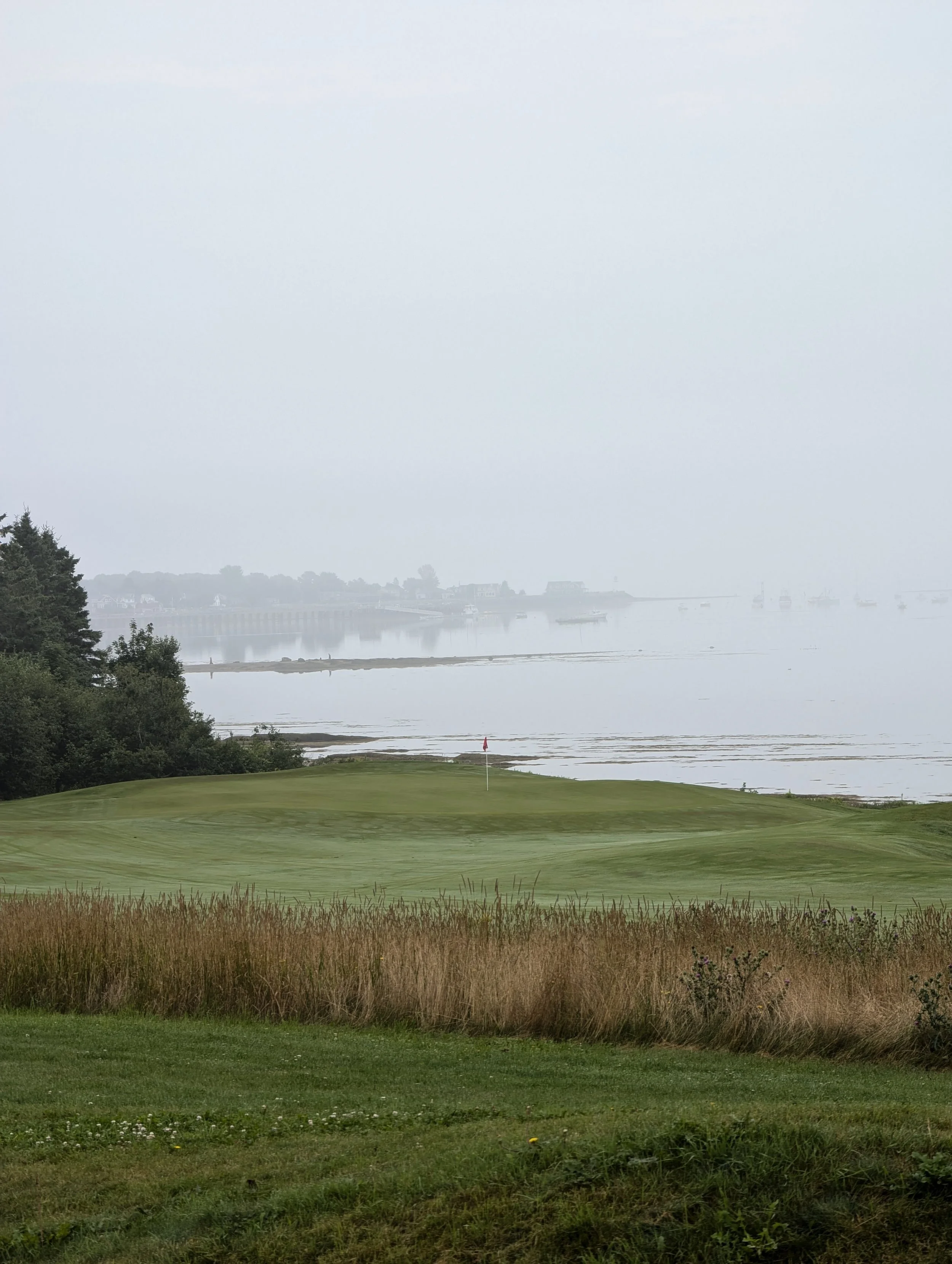
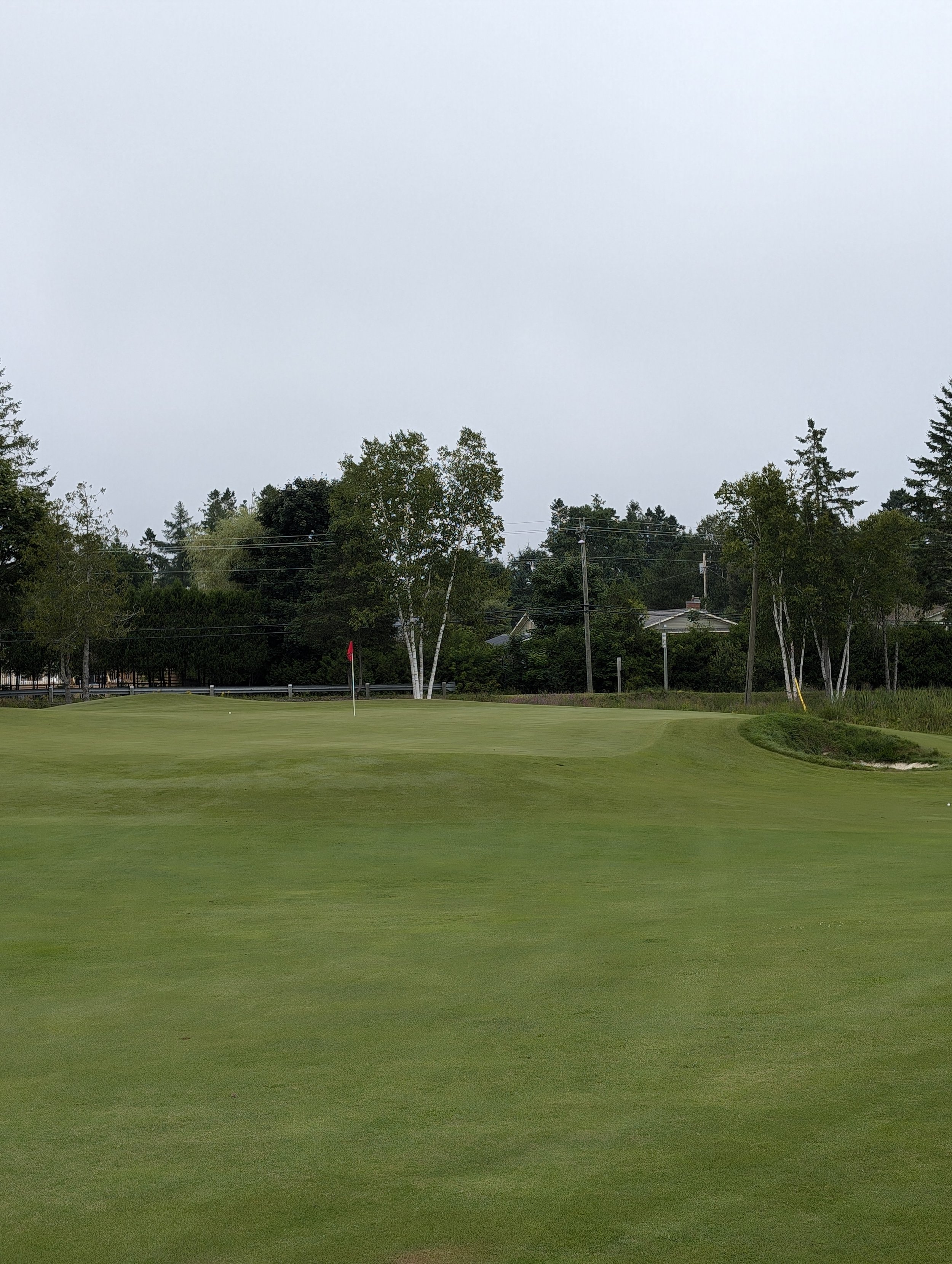
Rolling greens like that of the fourth
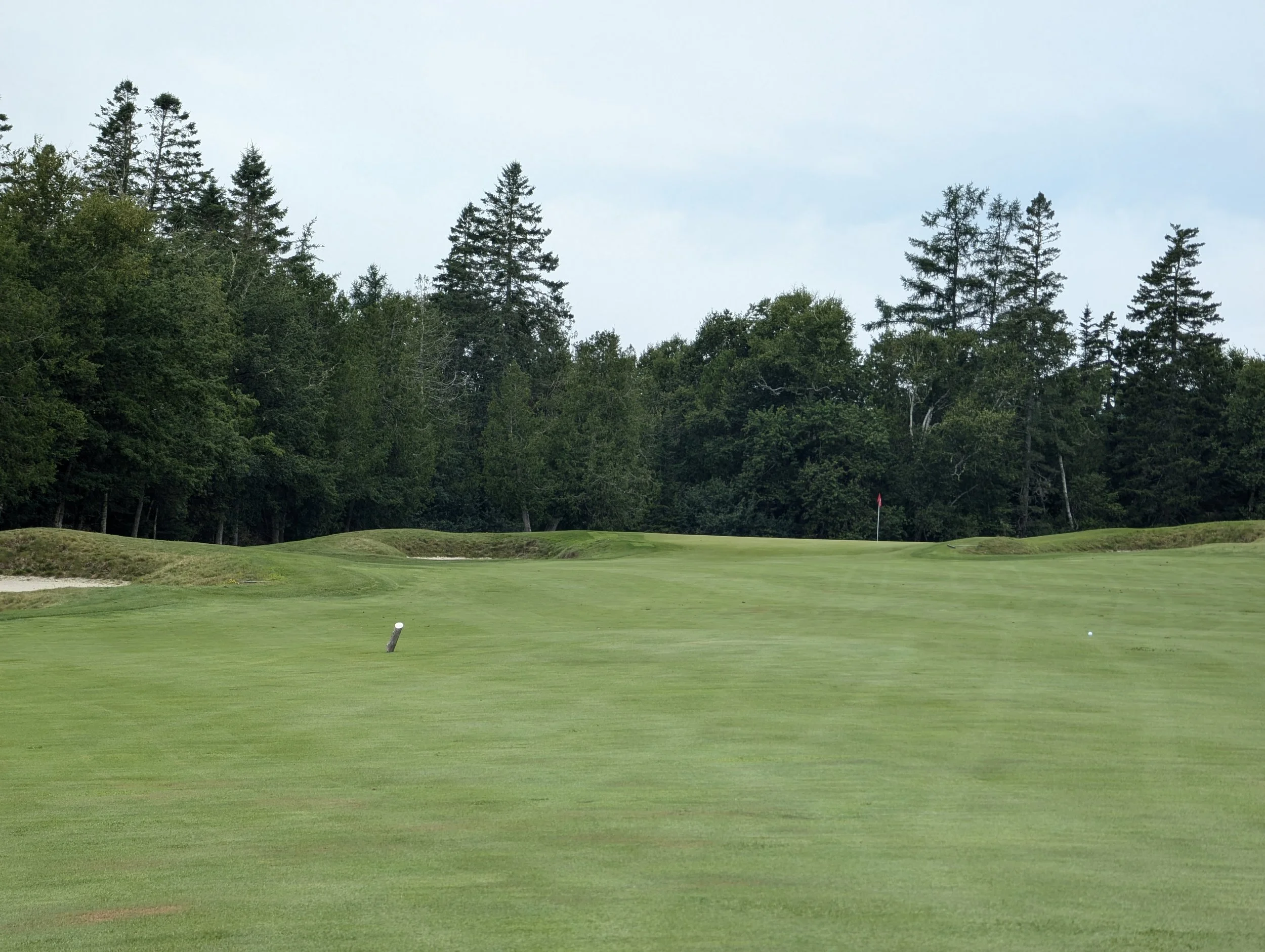
Width and deceptive angles are some of the neat features found throughout
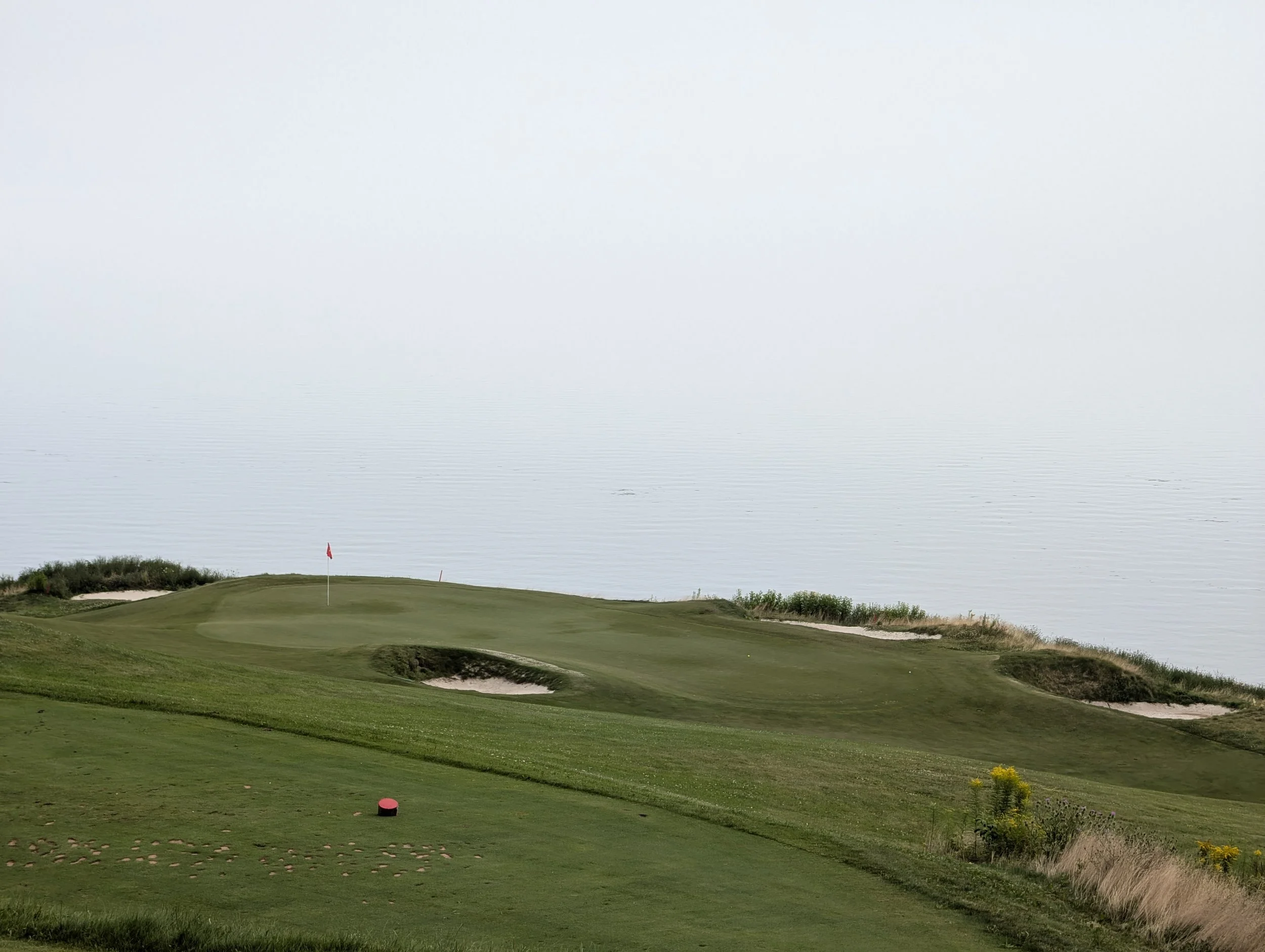
Stunning Par 3 12th
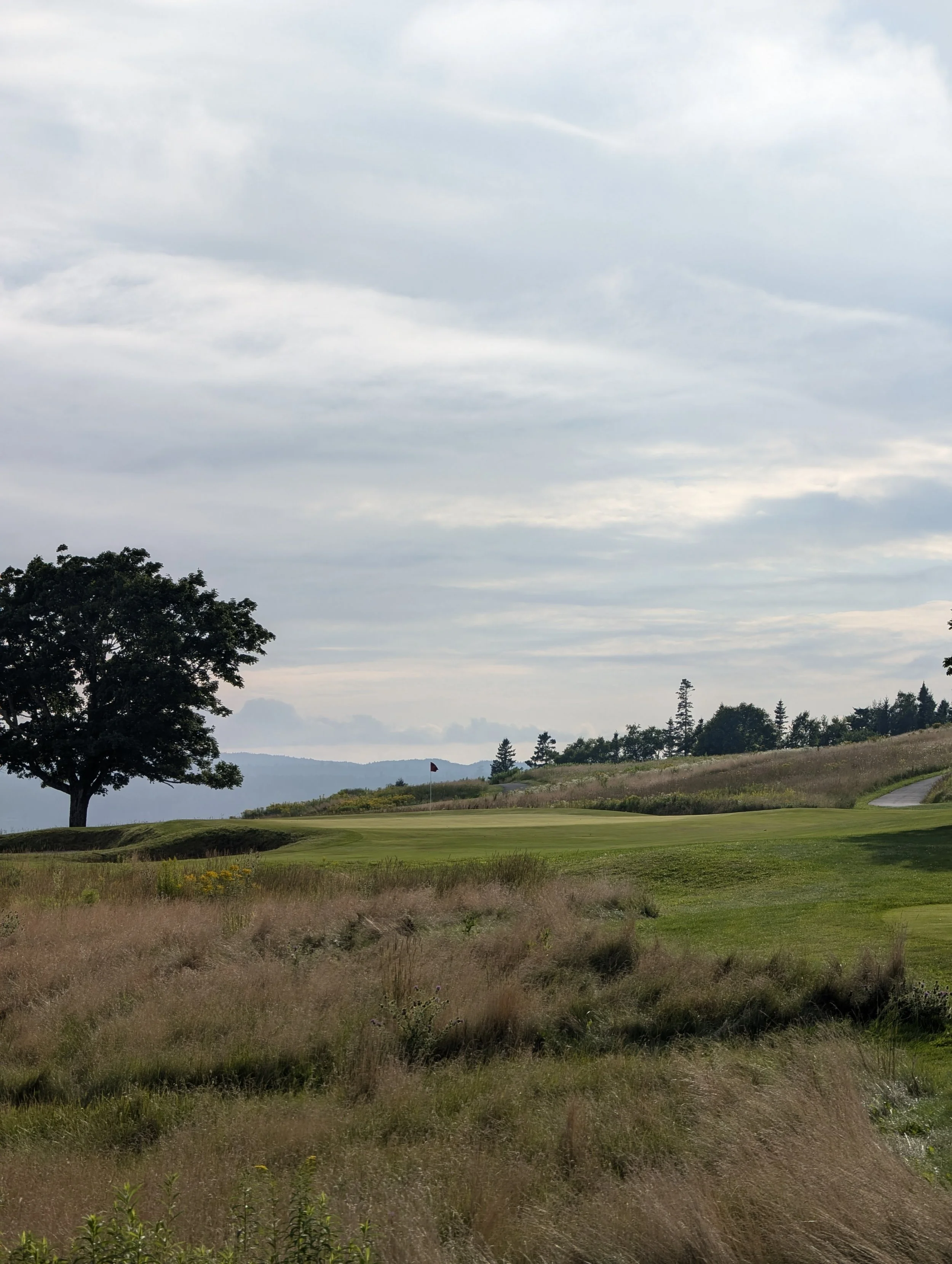
Rambunctious and unique set of par 3 highlight The Algonquin's architectural prowess - like the 14th shown here
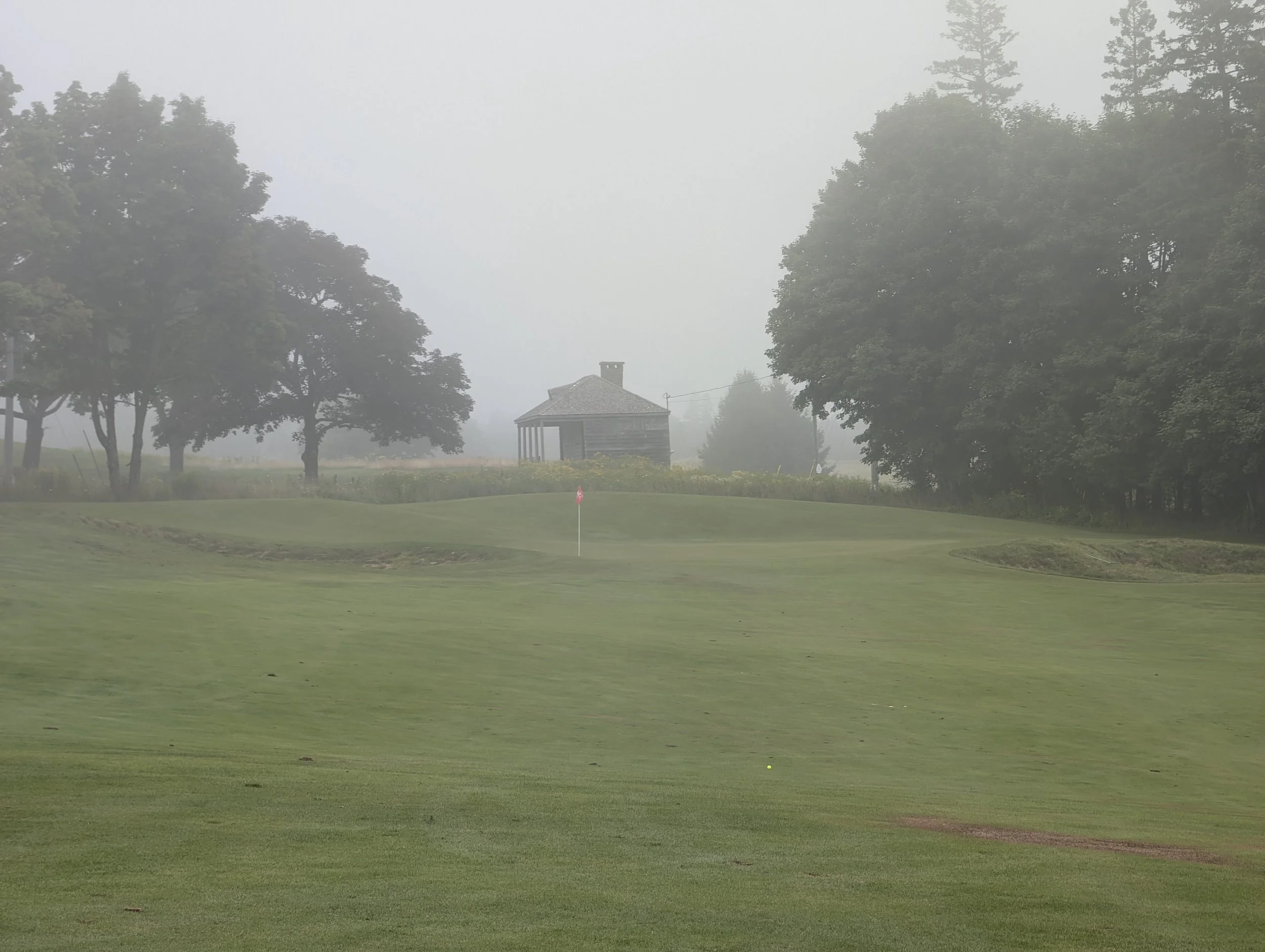
A misty fog can roll in at any time
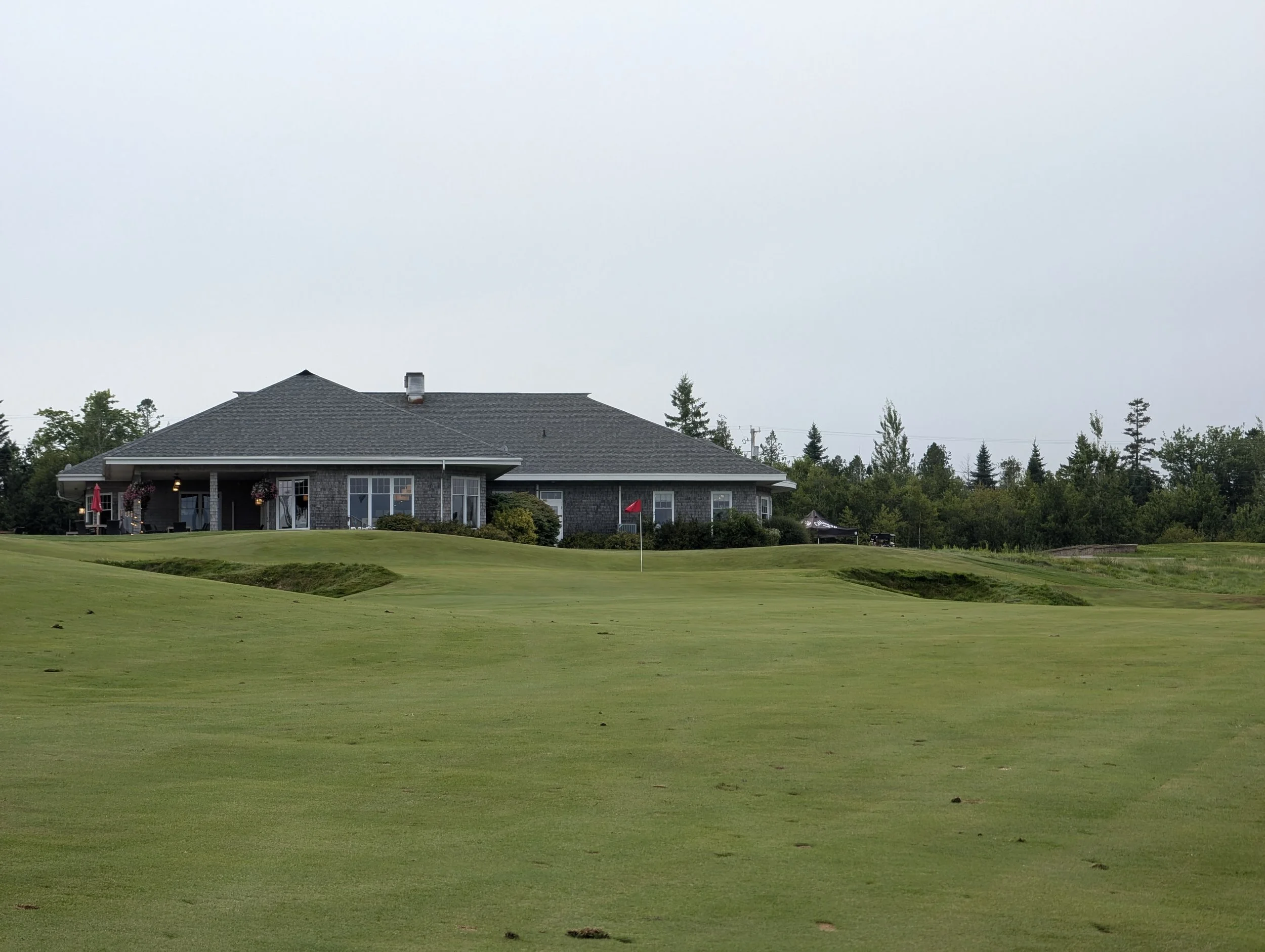
Rolling terrain is found throughout like that of the uphill 18th

Plenty of short grass run offs
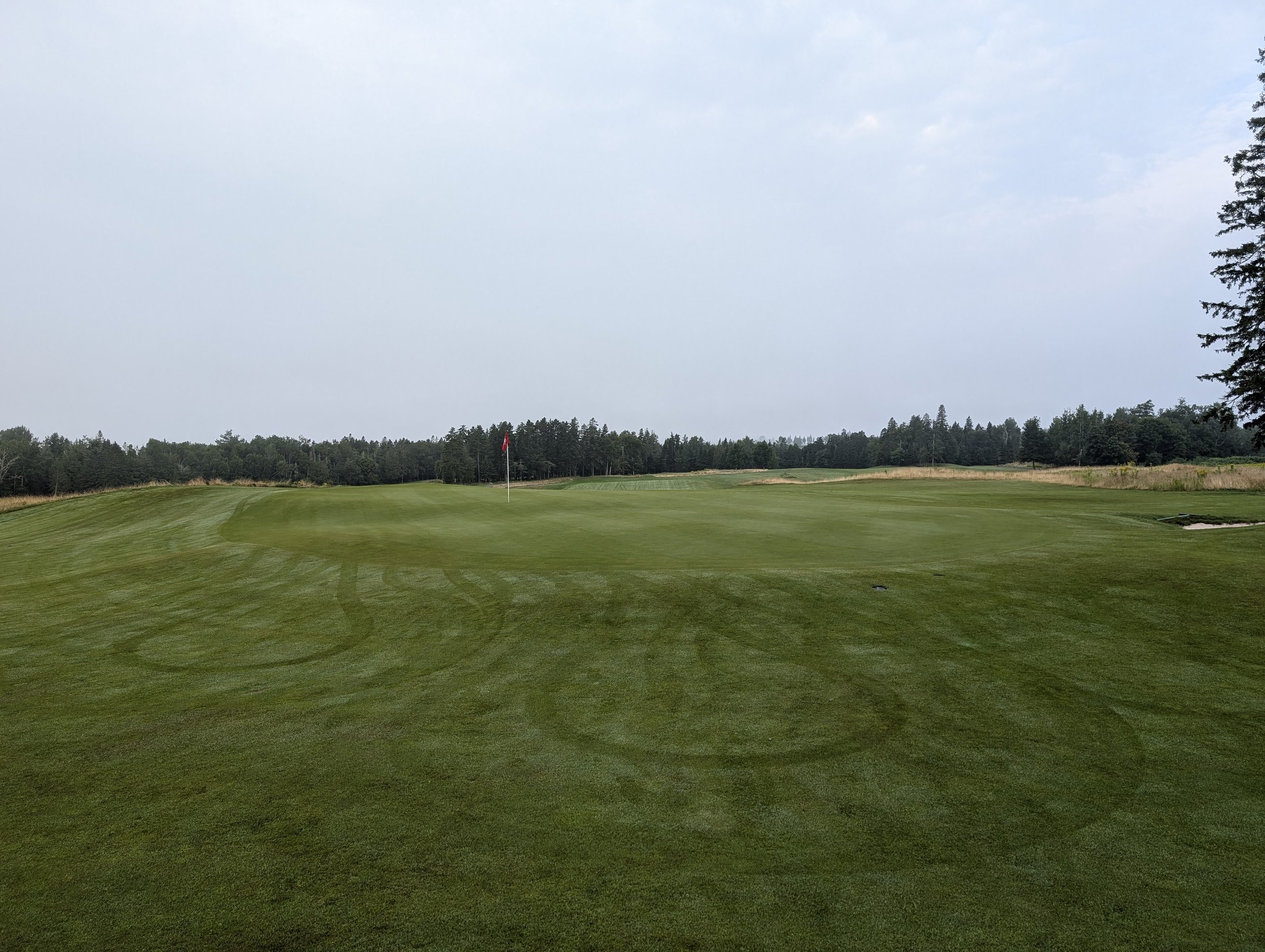
More examples of run offs
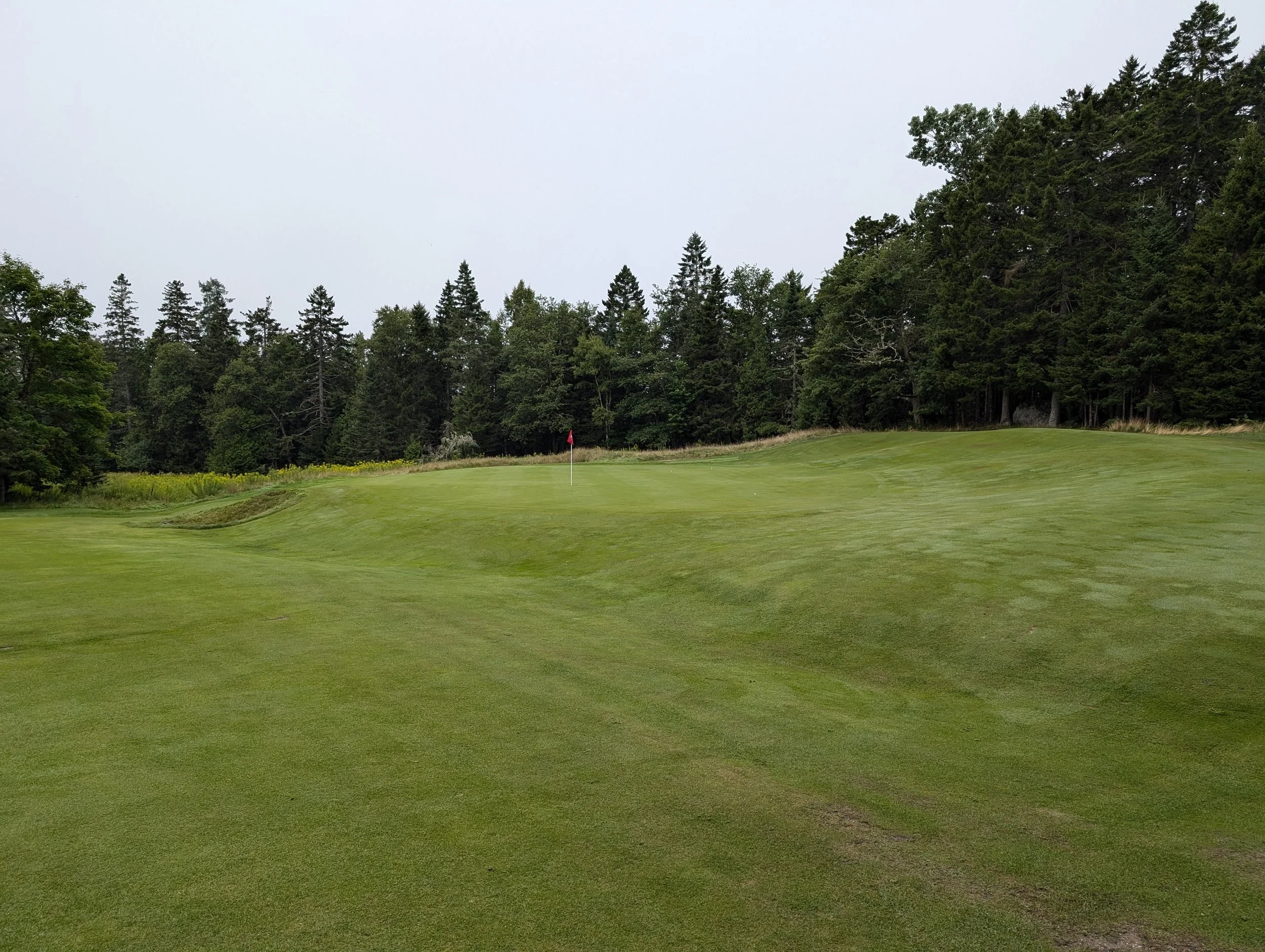
Delightful 7th hole from front right angle
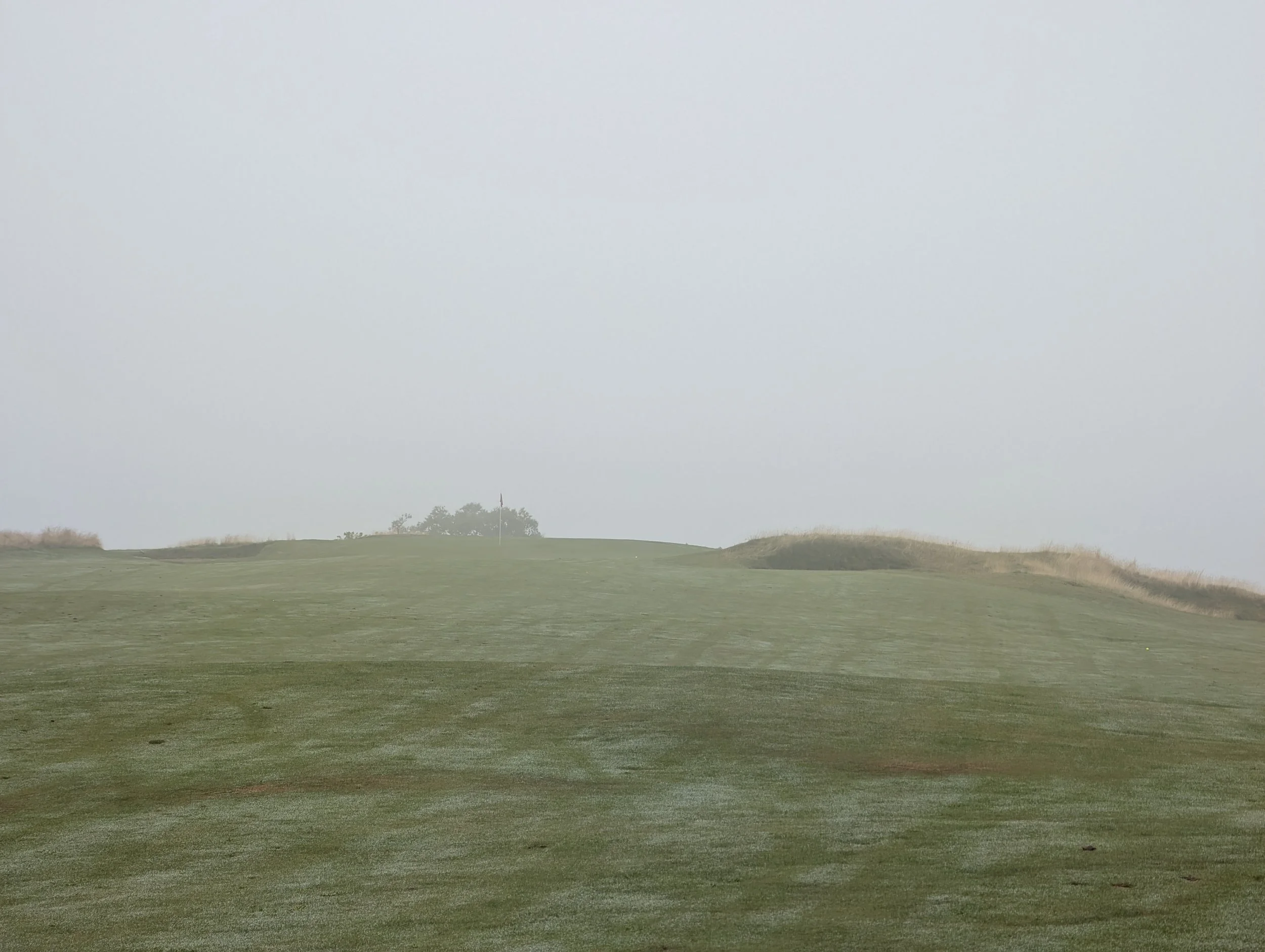
Par 5 11th sits on the edge of the Earth, or so it feels like it
You might also like..
-
Cabot Links
-
Highlands Links
-
Northumberland Links