The National Golf Club of Canada
Overview
Fifty years since its debut, "The Nash" remains Canada's ultimate test of skill. Designed by George and Tom Fazio, the layout presents the penal school of architecture with strategic qualities across the property's heaving terrain. Defined by a firm but fair difficulty, the wandering routing requires immense precision and a deft touch to navigate. The National ranks high, not only in difficulty, but conditioning.
AT A GLANCE
-
George & Tom Fazio (1975)
-
-
Beyond The Contour 2024-2025 #11
Top 100 Golf Courses #11
-
Could host a major championship on a week’s notice!
Defined by mid-modern golf architecture principles- clean, clear cut lines.
Private
-
None
About
Commonly referred to as “The Nash,” over fifty years on from its debut, The National Golf Club of Canada remains regarded as one of, if not the most challenging, golf course’s in the country. In the early 1970’s founding members Gil Belchman, Irv Hennick, and Harvey Kalef purchased Pine Valley Golf Club — of which the entrance road leading to the club along the 16th and 17th fairways is still named Pine Valley Drive — with a clear goal in mind: build a course so challenging it could hypothetically host a US Open on a week’s notice. George Fazio and his young nephew Tom, who was early into his career in golf architecture, came in, building a new course atop the old.
The National opened in 1975 on land that proved particularly well-suited to the task. The property's heaving terrain, full of natural elevation change, ravines, and pockets of ground movement, offered the Fazios a compelling canvas. George, a former PGA Tour player who famously lost a U.S. Open playoff to Ben Hogan in 1950, brought an exacting competitive sensibility to the design. His architecture favoured tight driving corridors, well-guarded greens, and conditions demanding consistent precision. Tom's contribution shaped the routing and the spatial composition of the holes, with the younger Fazio returning in 2005 to rebunker several holes and introduce a redesigned par-4 16th.
Those who visit will immediately notice how the course presents itself. Offering a fine mix of scenic delights with the ever changing landscape. Holes like the seventh beautifully juxtaposed against the 13th: the former, a long par 4 on the top of the ridgeline with a dramatic valley down the left scaring golfers away and to the right. While the latter plays directly in the valley below, creating a quasi-dunescape to play over, with a water hazard up the left. This careful balance between the land and the golf course occurs throughout the round, with the entire routing criss-crossing the hilly, yet never severe property.
A spin through The National is not without navigating the lively green complexes, with confounding slopes, ridges, rolls, and wavy movements. Precision, mental fortitude, and patience are required to tame this golf course. And on the rare occasion all those come together on a single day, there might just be a good round of golf to be had, but not without earning it. To call this exacting, would be understating it. Lee Trevino set the course record of 67 here at the 1979 Canadian PGA Championship — a number that has held for decades and speaks directly to how well the course defends itself against even the best players.
Although it may be difficult and exclusive, there may be no golf course in Canada more rewarding to play well on than The National. For some that carefully crafted spirit of difficultly is an exceptionally balanced characteristic on full display. While for others it may sour the appreciation for the golf course which is often characterized as the best in Canada. But as Tom Doak carefully quipped in his Confidential Guide, “the land is too handsome and diverse for there not to be more memorable holes here.” The over reliance on one dimensional, penal school of design, casts a strict shadow on what the golf course entails and therefore ultimately would not be considered amongst the best of Canada’s elite golf courses in these pages.
Featured Holes and Course Details
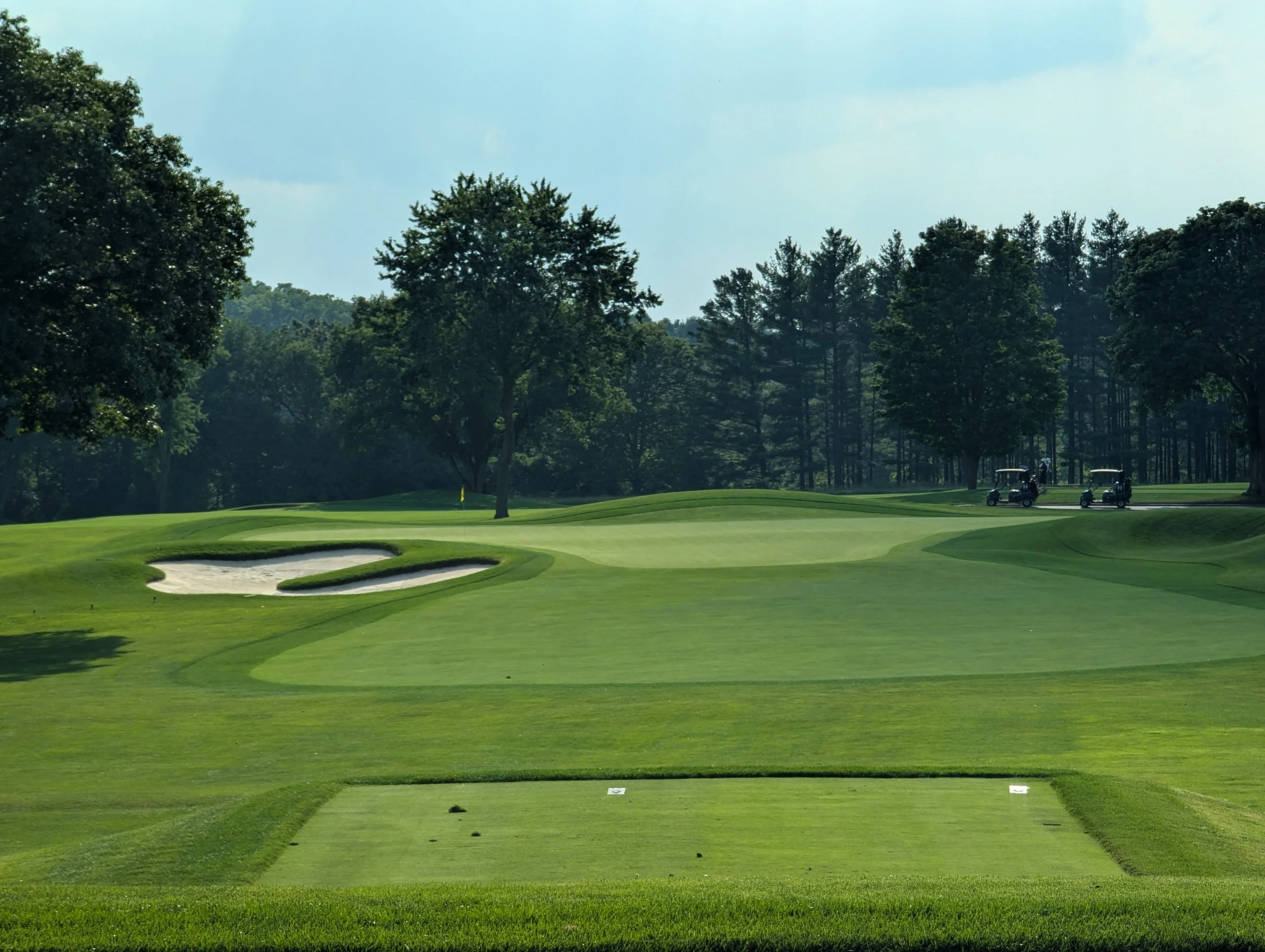
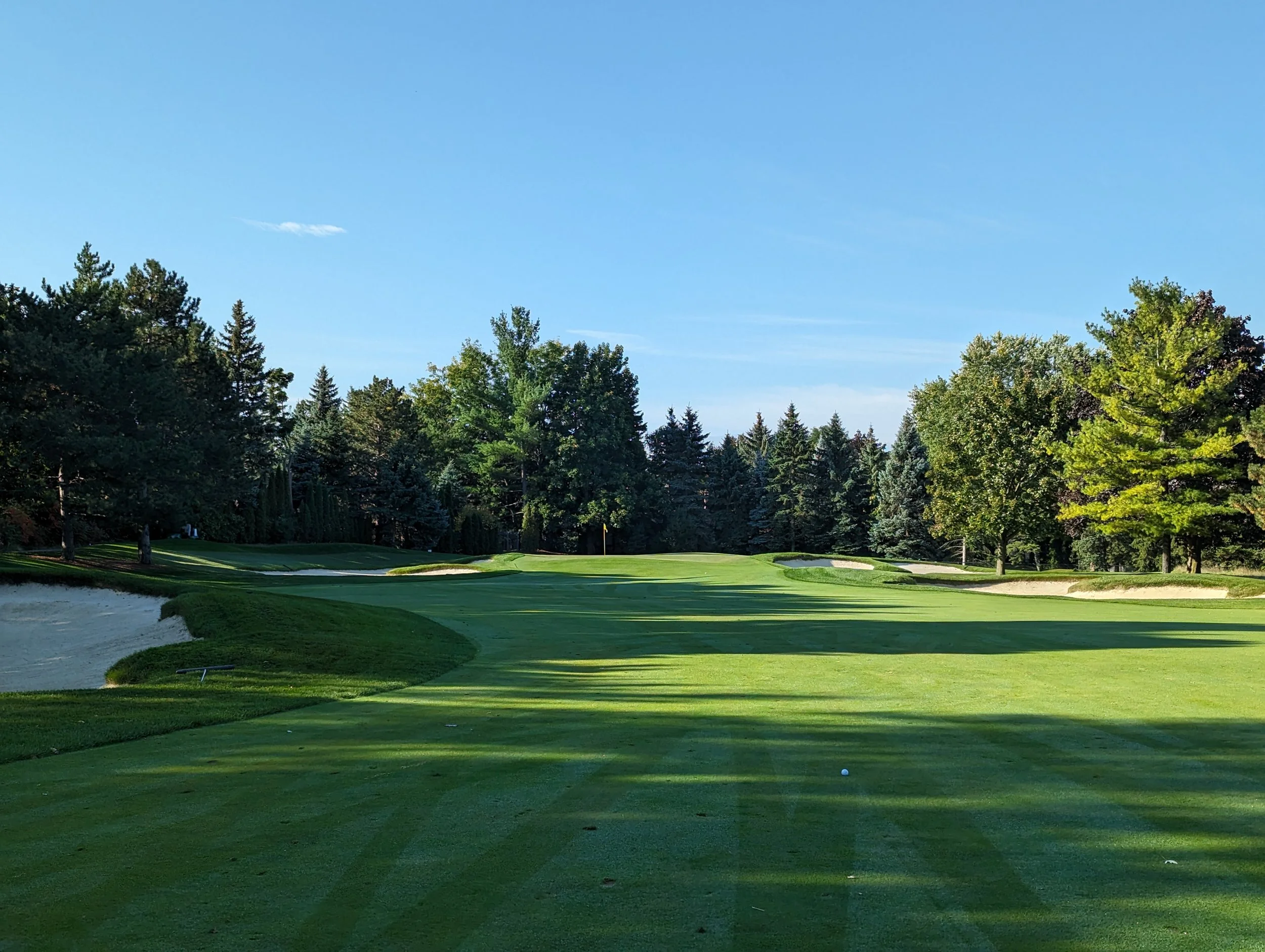
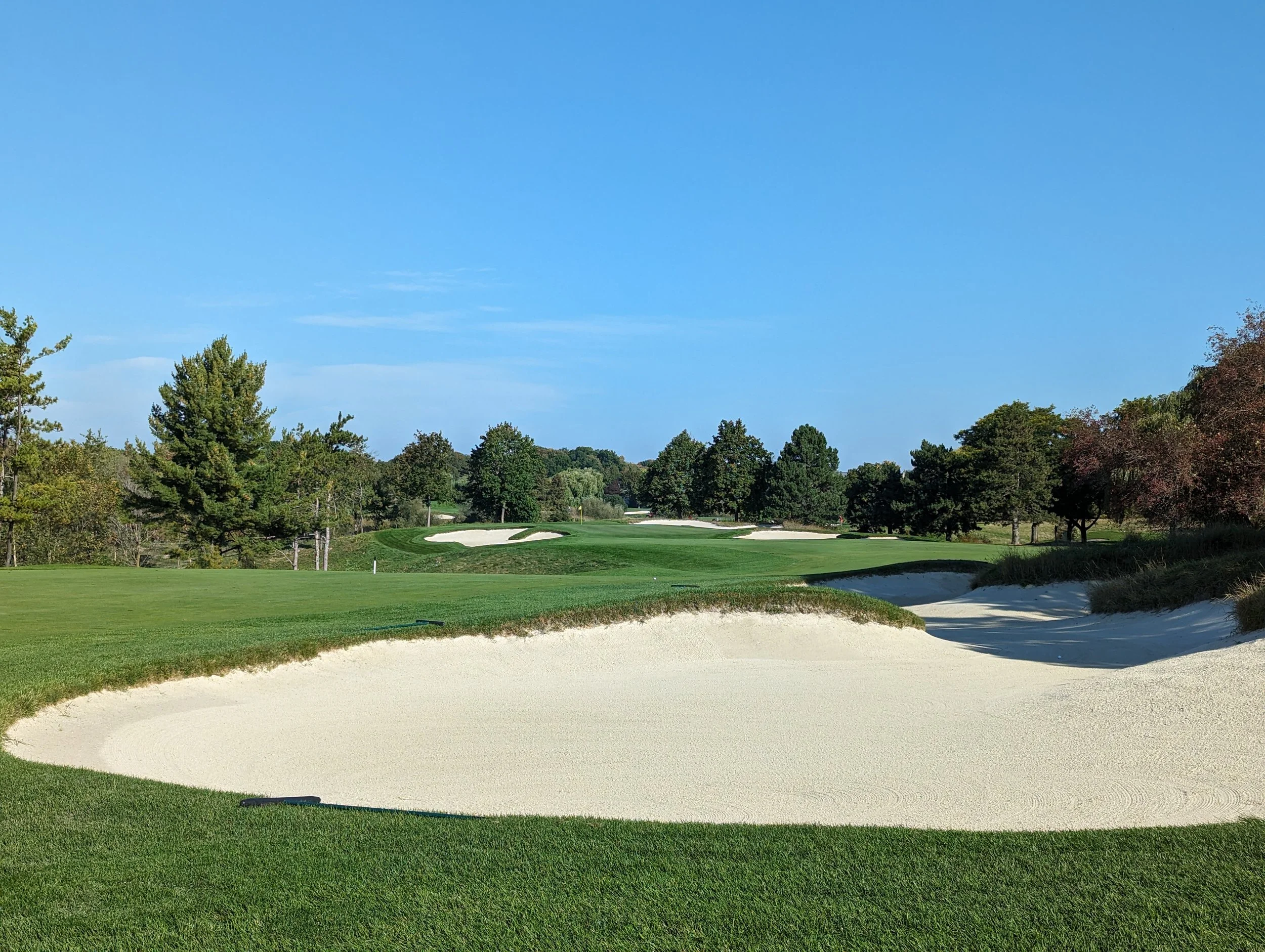
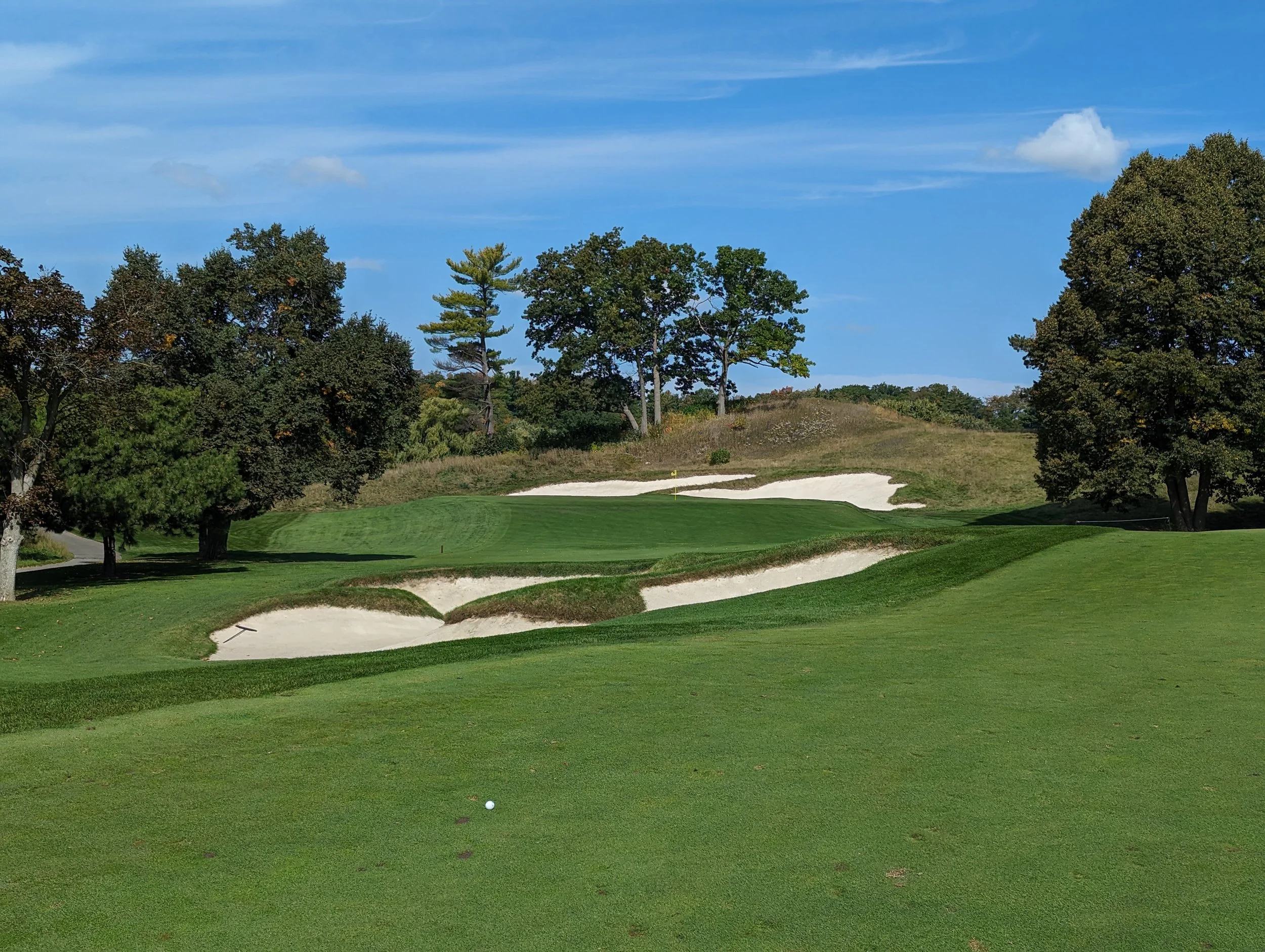
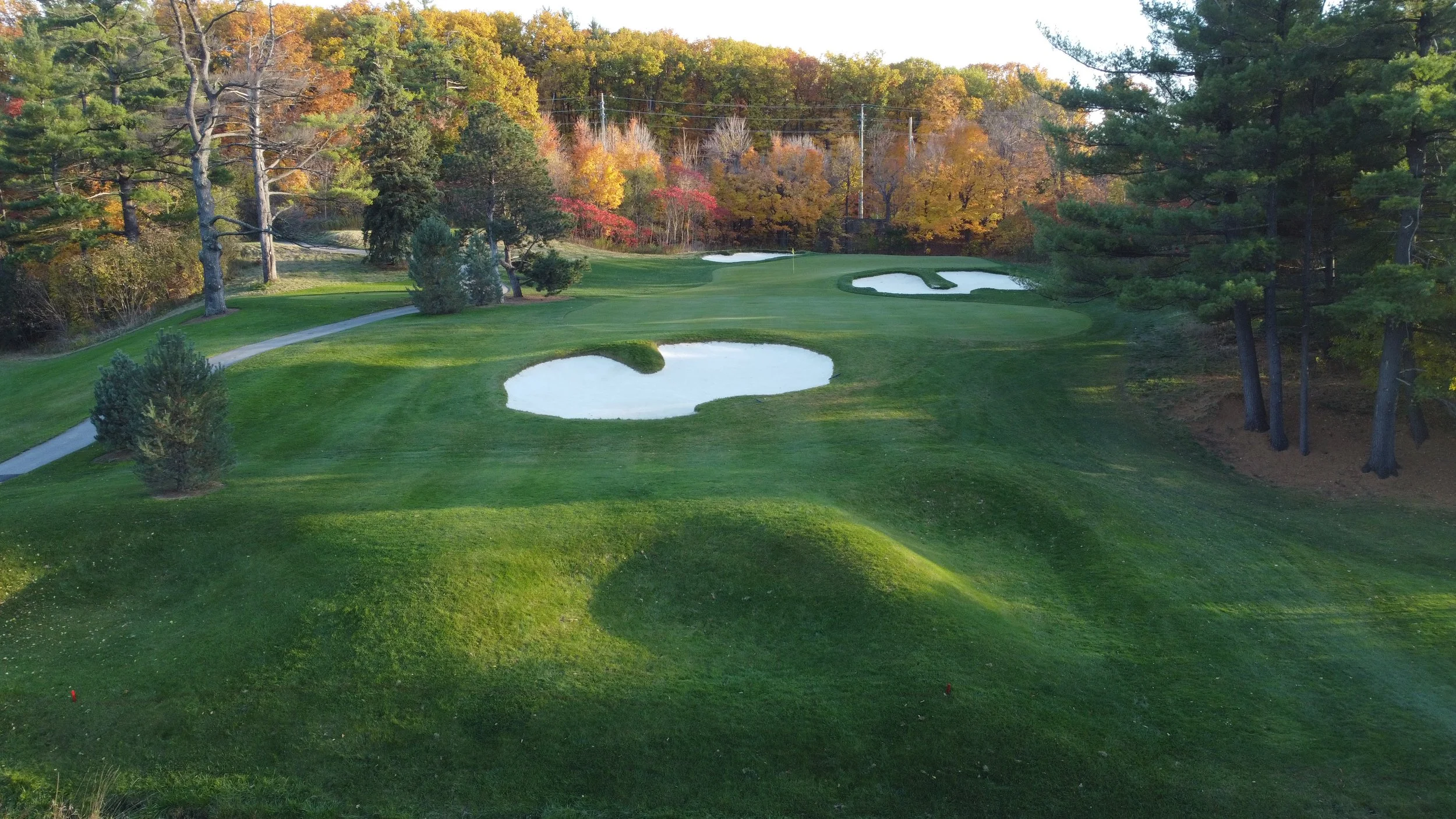
First hole, 419 yards: The front nine at The National builds its difficulty gradually. The opening hole — a rolling par 4 moving down from the tee, gently to the right, and finally rising toward a green shaped full of gentle slope toward a guarding bunker and with a false front. The terrain is in constant motion underfoot from the first step, and the feeling that no stance is quite level persists throughout. Establishing the ethos of the property to the golfer without overwhelming them.
At the second, an uphill tee shot presents with a canting dogleg to the left. Which is immediately contrasted by the tantalizing downhill dogleg right third, asking the golfer to cut the corner to gain an advantage over the safer line on both occasions. Establishing an early, and firm test on the demanding championship pedigree the founders wanted from the design by requiring the ability to shape the ball both ways.
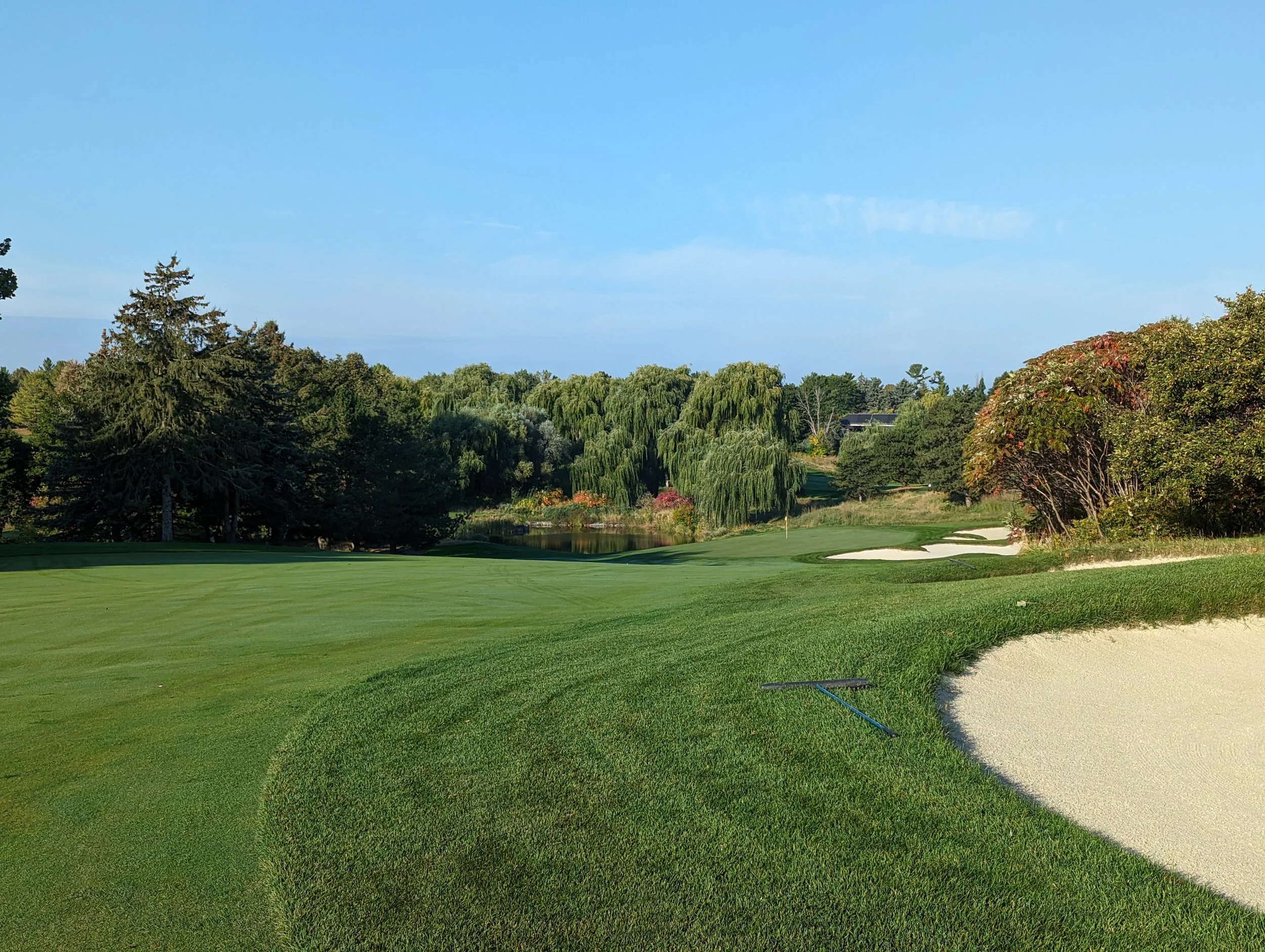
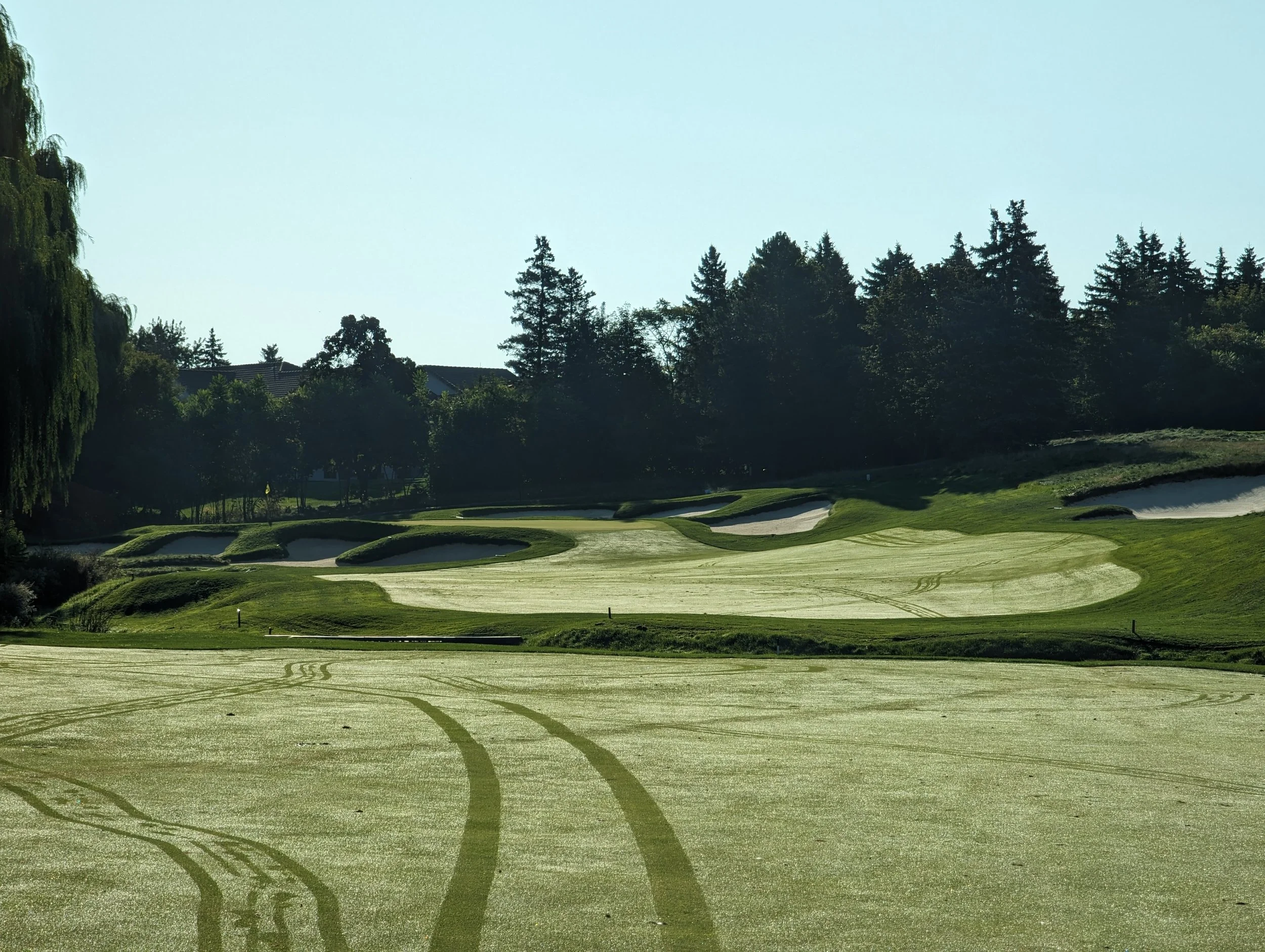
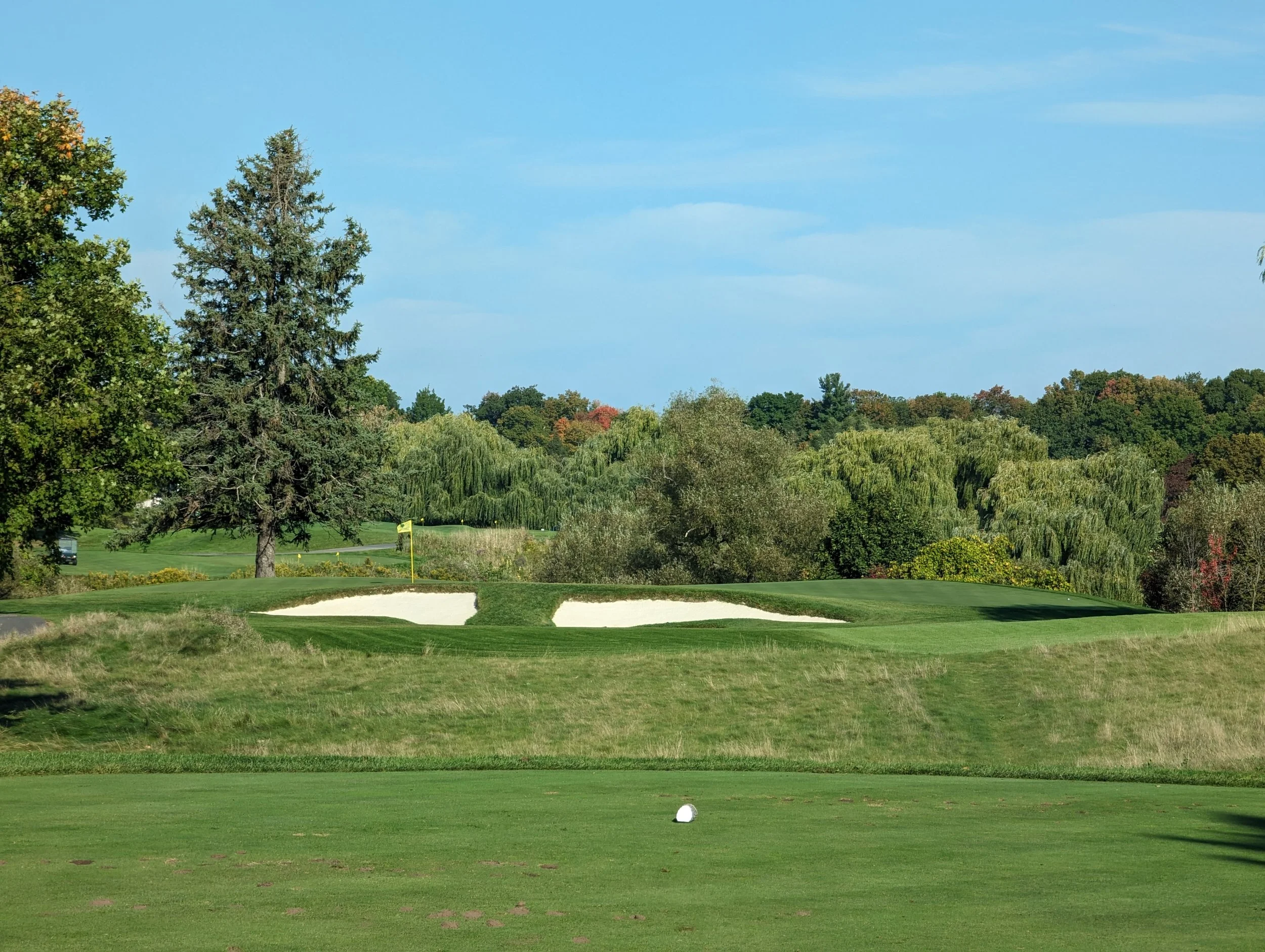
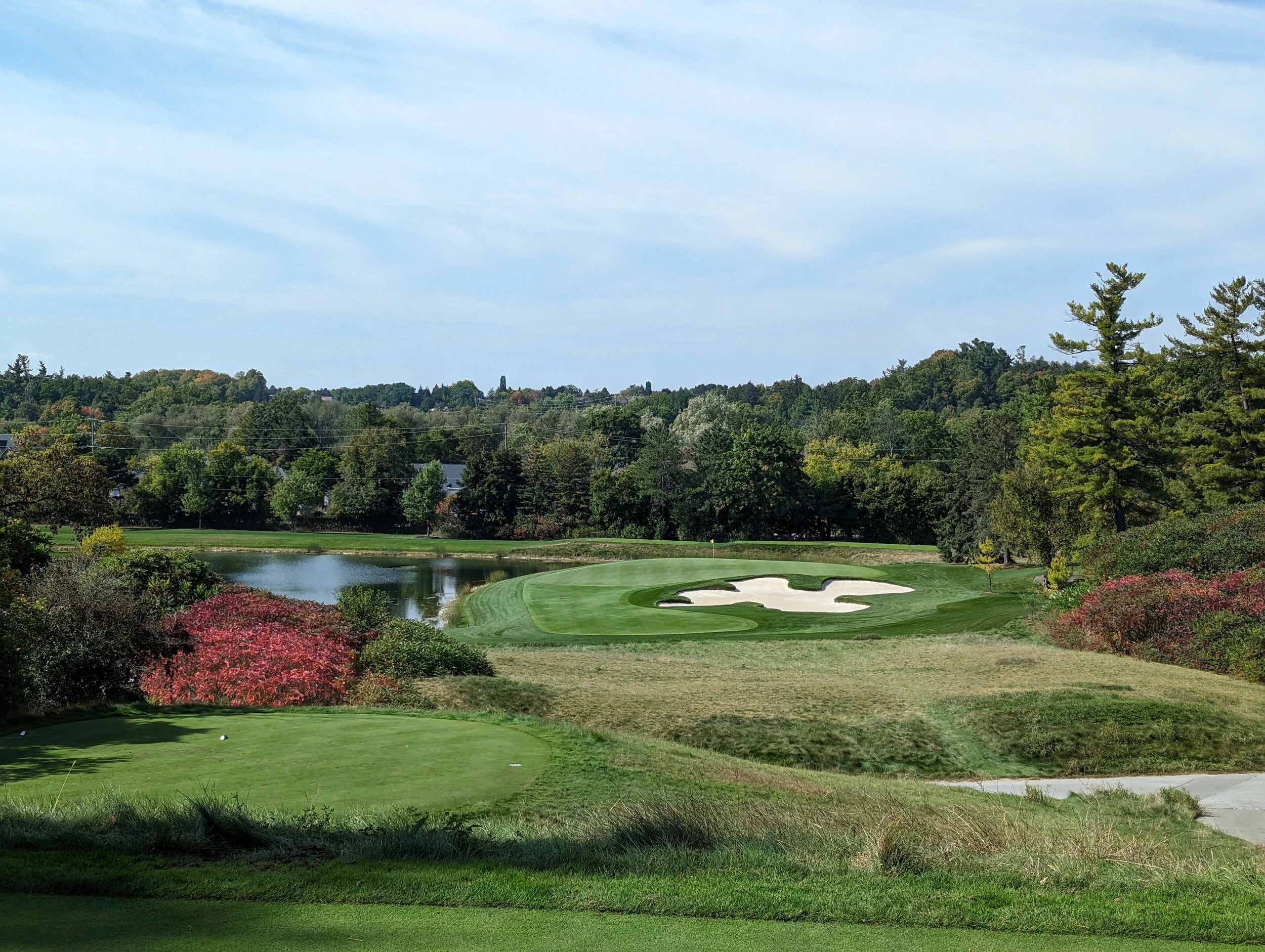
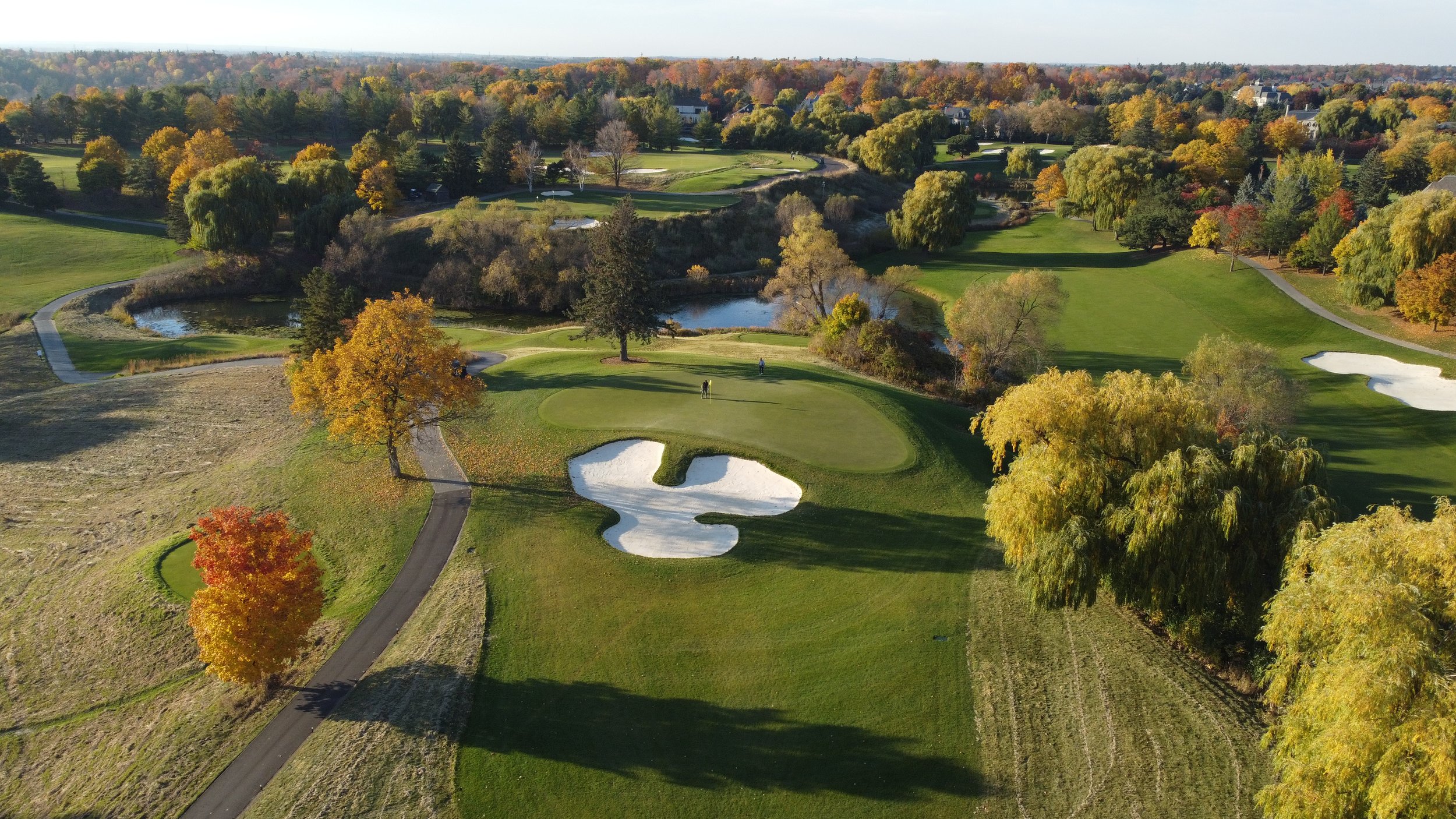
Third hole, 424 yards: The aforementioned third hole, a mid-length par 4, plays more difficult than its yardage suggests. The tee shot must navigate a fairway, encroached by bunkers on either side. The approach is complicated by a green complex that sits on the edge of a water hazard and is sloping directly towards it. Each approach must counter the natural pull towards the hazard. Yet, a group of bunkers rests in the bail out areas - further amplifying the penal design aspects of the golf course. Whether a player attempts to precisely run the ball along the ground or takes a high aerial approach with spin, the natural contours of the land pose a distinct challenge to which players must navigate.
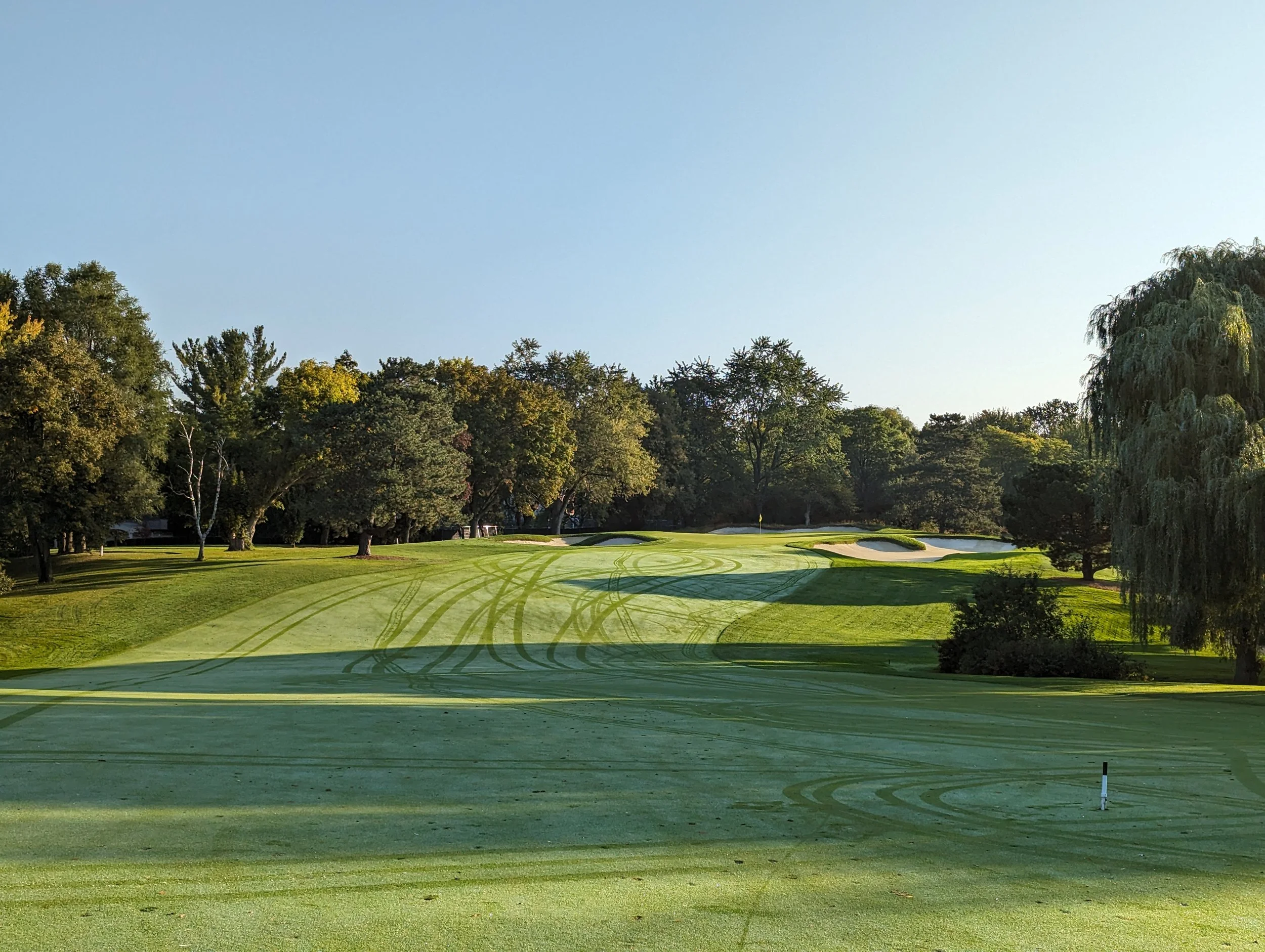
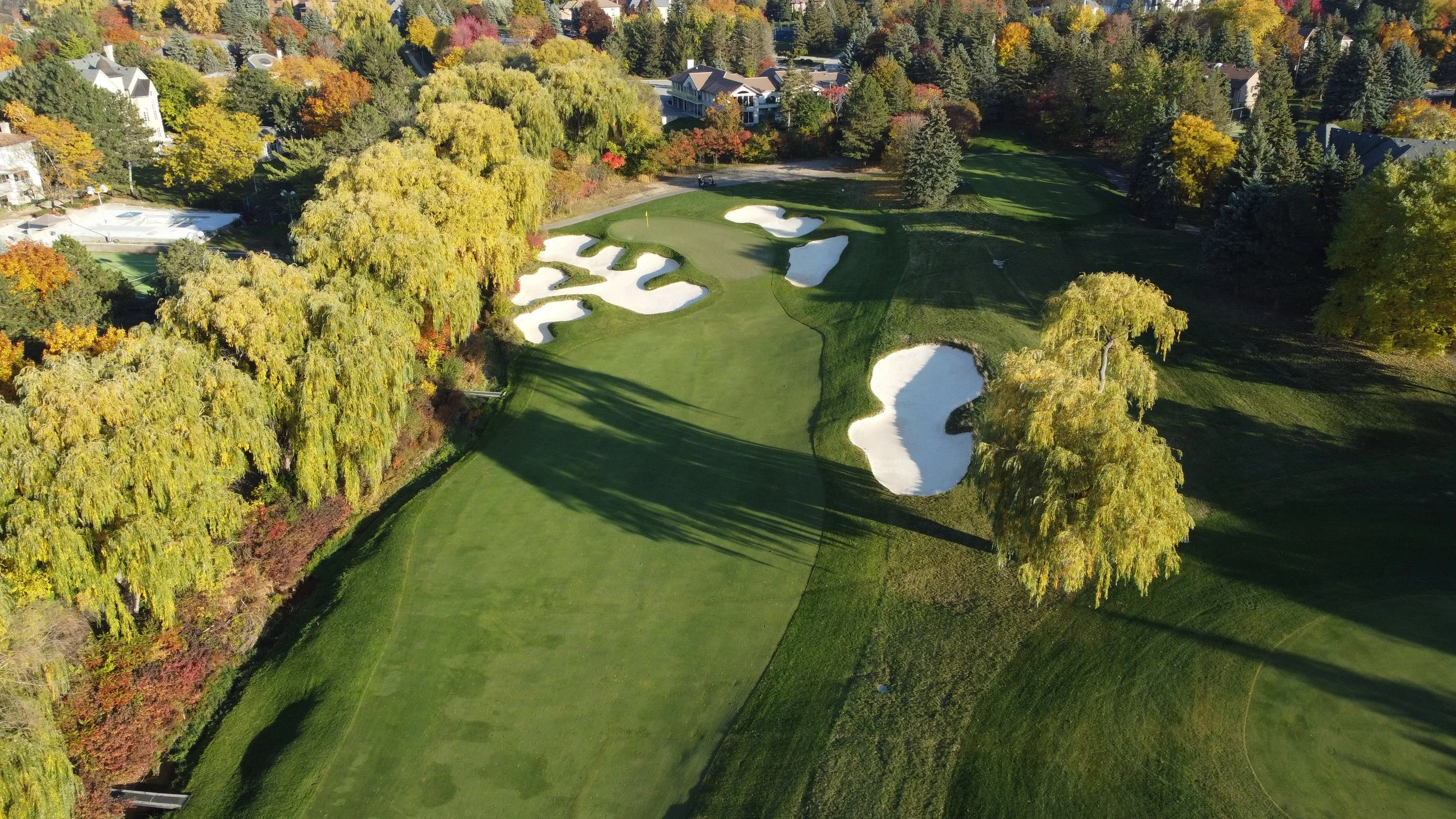
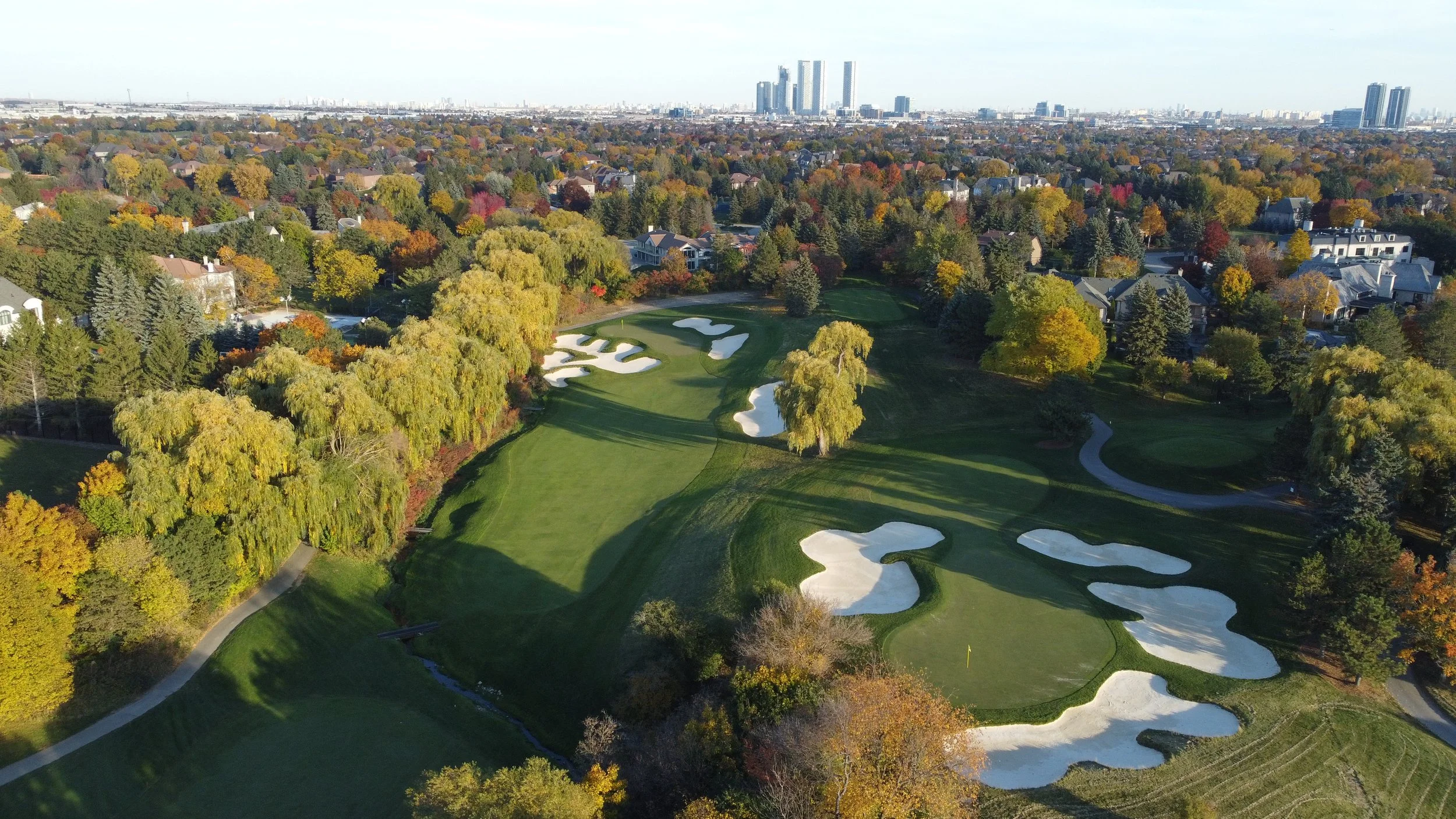
Fourth hole, 600 yards: The course's number one handicap hole and its longest comes at the fourth. Which requires the golfer to commit to a sequence of positioning decisions rather than simply hitting for distance. The fairway bends in two directions, and the bunkers are placed not where you'd expect them but where the Fazios anticipated the natural fallout of a poorly-committed tee shot. Further complicating matters are the massive willow tress that guard sit on the inside of the hole, while the right side is dominated by a shallow creek, and dense bushy scrub that obstruct or force penalty strokes for those who play out of position. The approach window into the green narrows sharply with the green rising above the fairway - its surrounds playing tricks on the mind. While some may criticize the use of these elements together, the club is proud to display this penal style of golf to members and guests throughout the property.
Seventh hole, 470 yards: The course is situated on a rich plot of land with many natural valleys and ridgelines, criss-crossing the landscape. At the seventh, a lengthy par 4, the fairway snakes directly along one of these spines. To the left, a deep fall off towards the par 4 13th, to the right two bunkers force play through a narrow corridor of tightly mown fairway. The green sits on an angle, bending from right-to-left and is well-defended, with the bunkering framing a target to appear more compact from the fairway. Its hole that consistently ranks among the most difficult on the property.
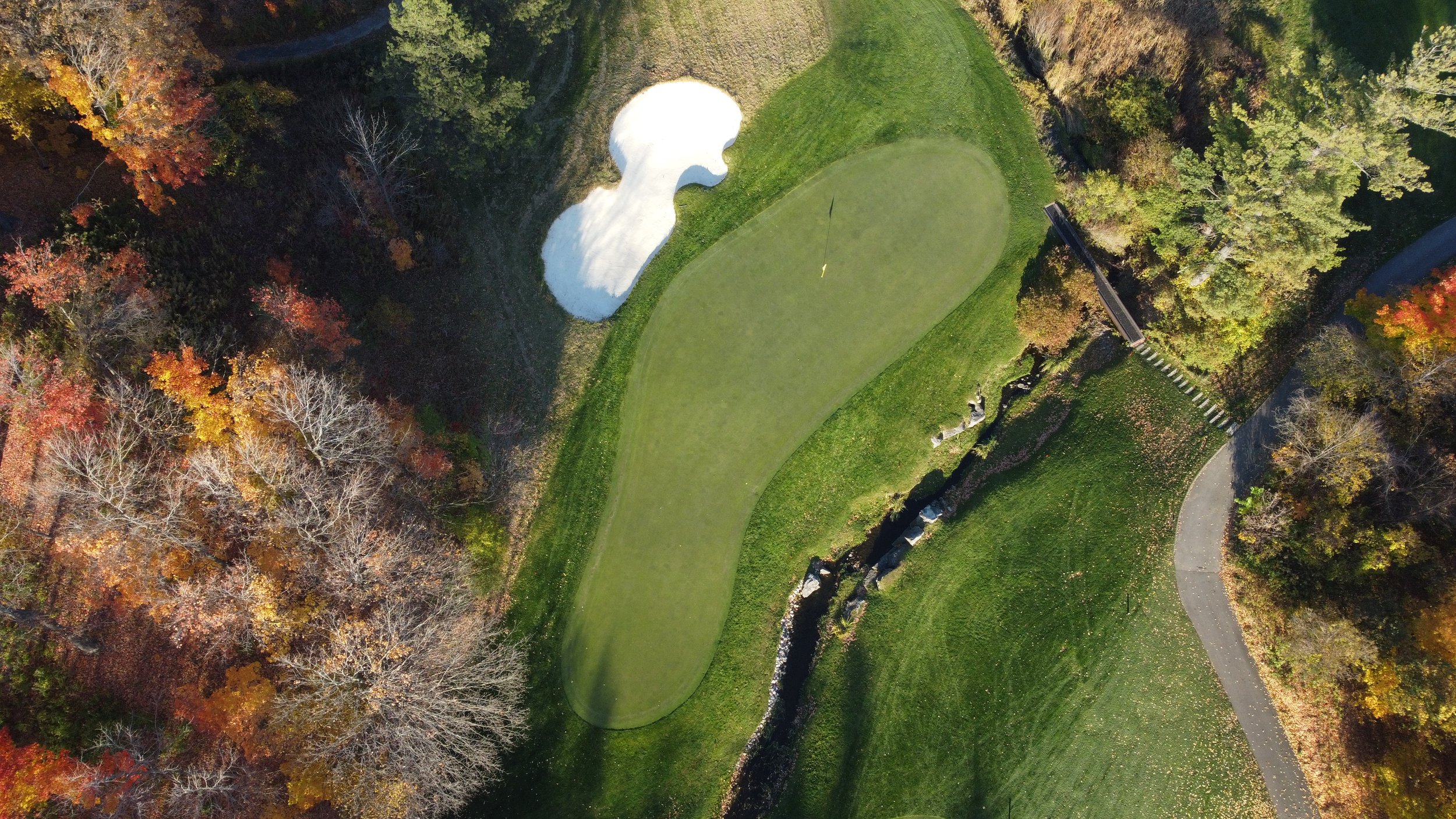
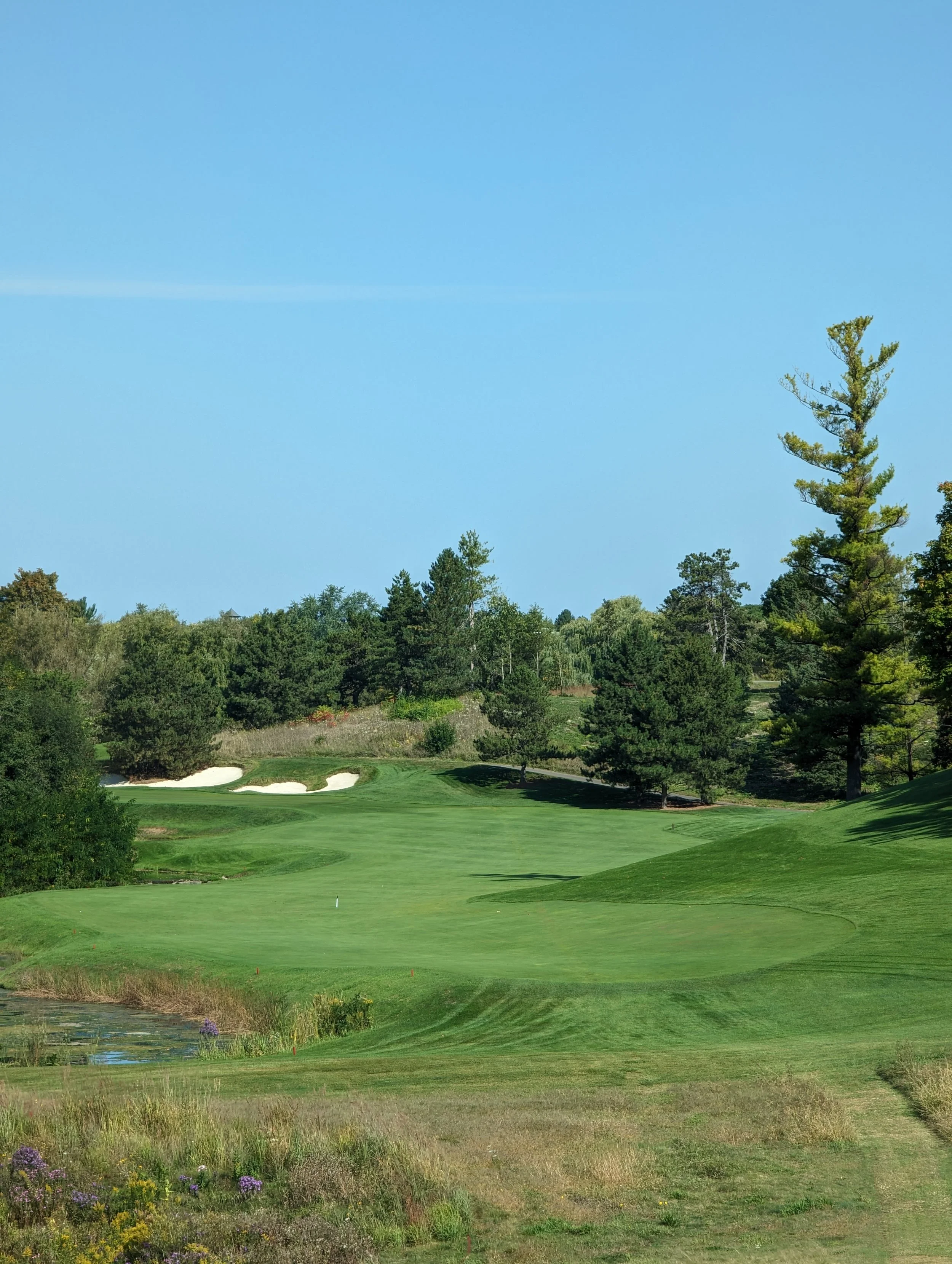
12th hole, 561 yards: The most common element found throughout The National is of course its penal design focus. Of which, none is better displayed than at the par 5 12th. Taking one look at the scorecard, players might assume this shorter par 5, which plays less than 500 yards from most tees, would present the easiest opportunity to score a birdie or maybe even better. Running through this hole is a small creek, which cuts directly across the front of the green and follows the length of the hole up the left, which is characterized by its snaking, tight fairway, generally requiring less than driver off the tee. The layup that follows requires shots to be placed as close to the creek as possible to get a good angle into the intensely narrow and long green complex. The green is oriented so that shots hit close to the hazard are rewarded with optimal angles into the severely sloped surface. The 12th won’t be everyone’s cup of tea, its brutalist nature again a focal point of the design characteristics found across the golf course.
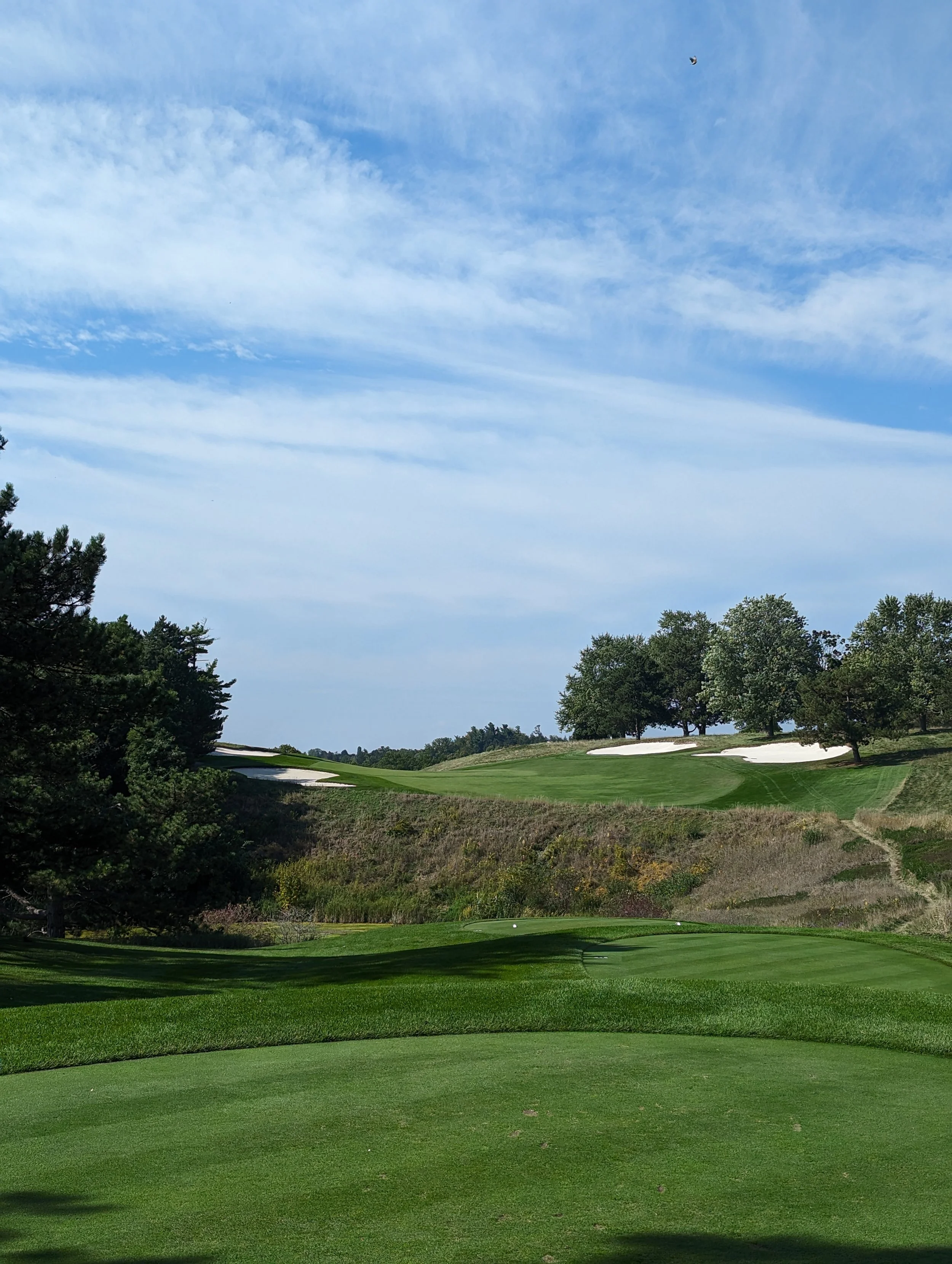
13th hole, 421 yards: Perhaps the most visually striking hole at The National, the 13th rests in a small localized valley below the seventh. Its presence felt with the quasi dunescape created by its natural ridgeline. The fairway narrowing to an almost absurd degree, pinched between a pond on the left and the steep bank on the right which hides some of the available fairway further afoot, from the tee. The approach is played uphill over a small inlet of yet another pond to a shallow green shelf, compounding the difficulty of this short but mighty test.
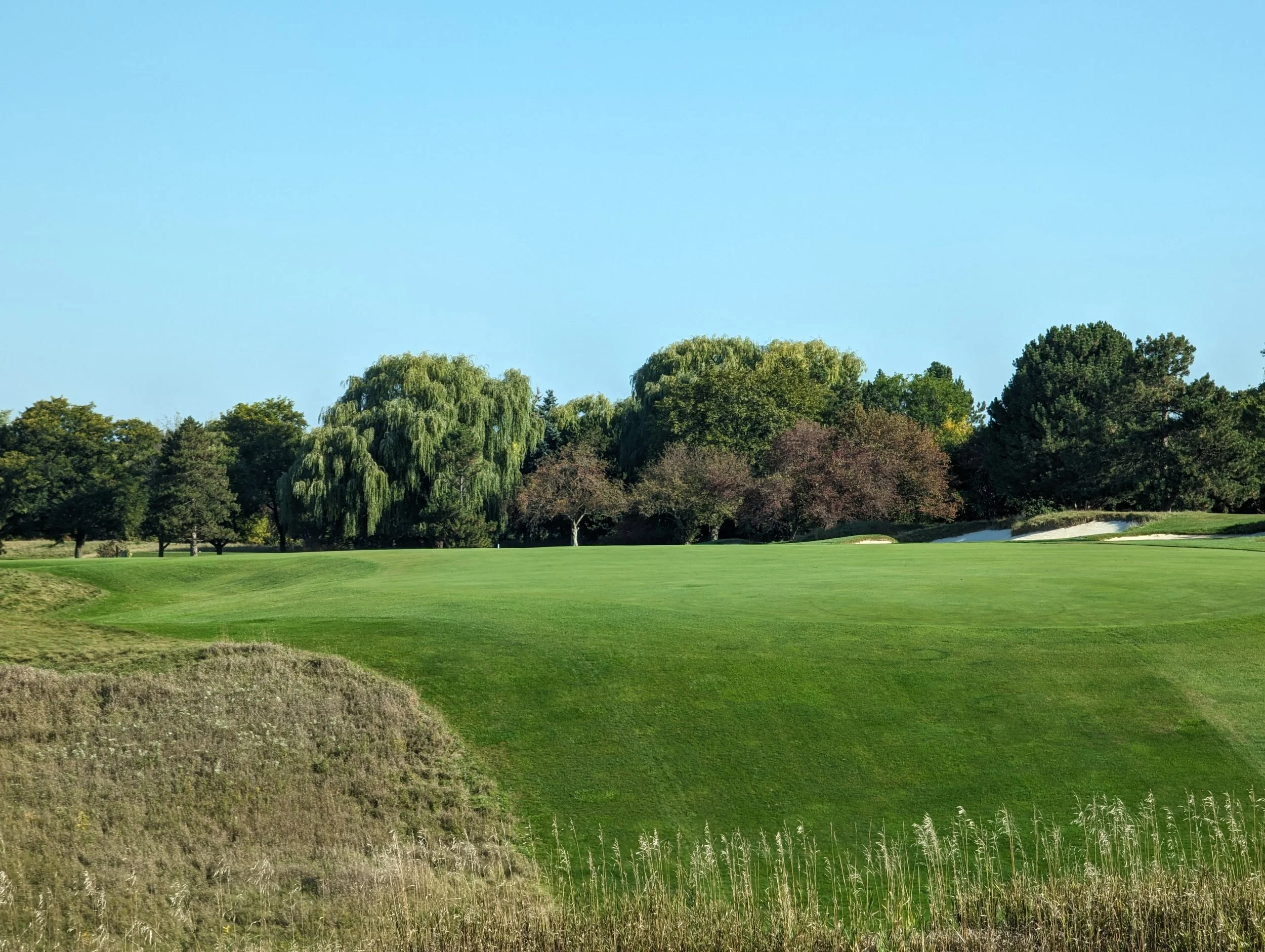
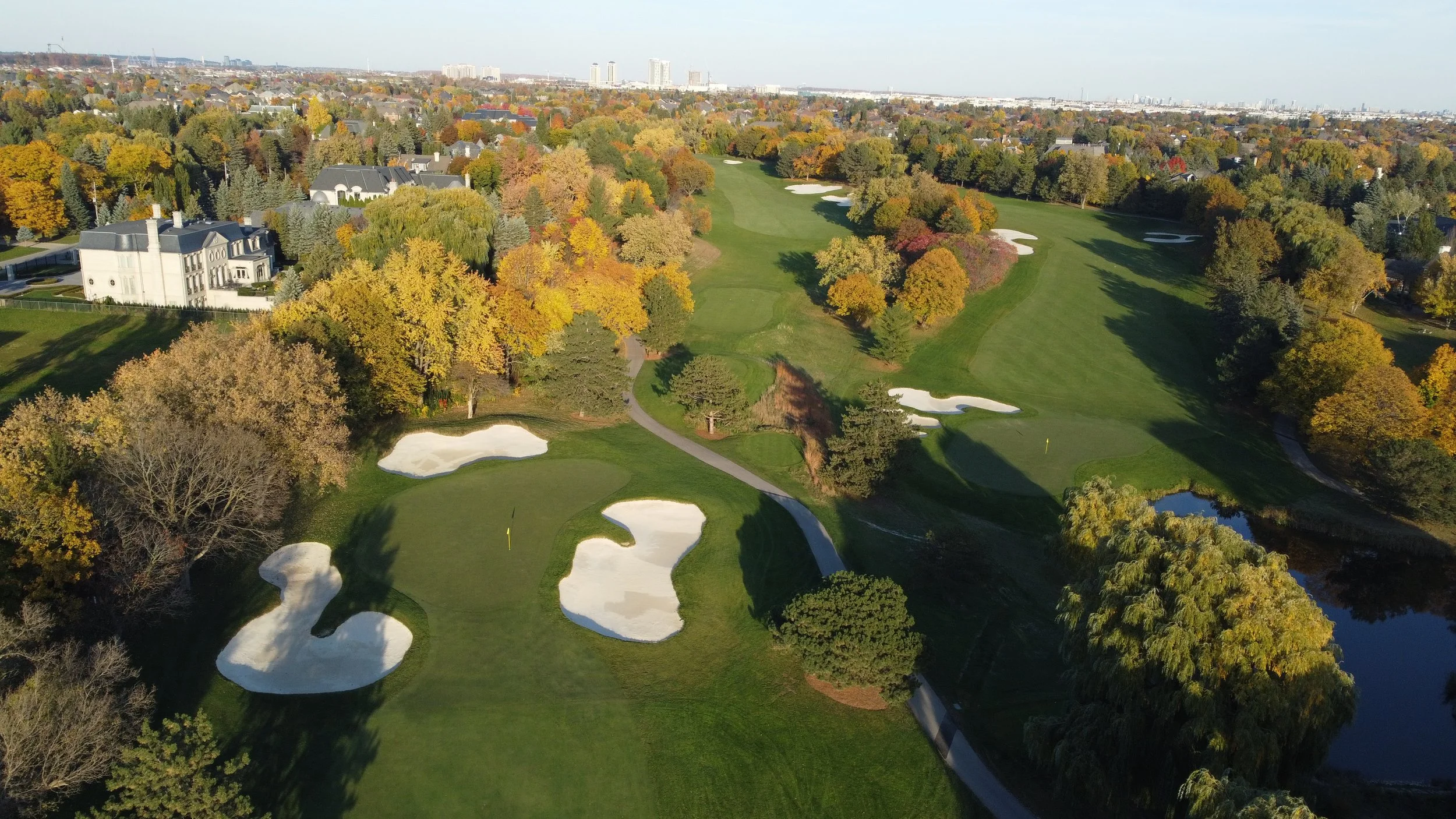
14th hole, 461 yards: Like everything else at The National, each shot requires absolute resolve and commitment in some form. Whether that is a tight landing area, or in the case of the 14th a lengthy carry over the localized valley of the 13th. The widest fairway on the course presents itself rising in the distance, the landing zone is obstructed by the natural crest of the hill. Of course, it wouldn’t be the Fazio ideal to simply leave the hole without magnifying the challenge by dotting each side with a pair of bunkers. What goes up, must come down they say - as such the approach on this par 4 tumbles down the other side towards a green that falls from right-to-left and back-to-front. Those who can correctly play along the ground or high in the air with spin, similar to that at the third, may successfully navigate this challenging design.
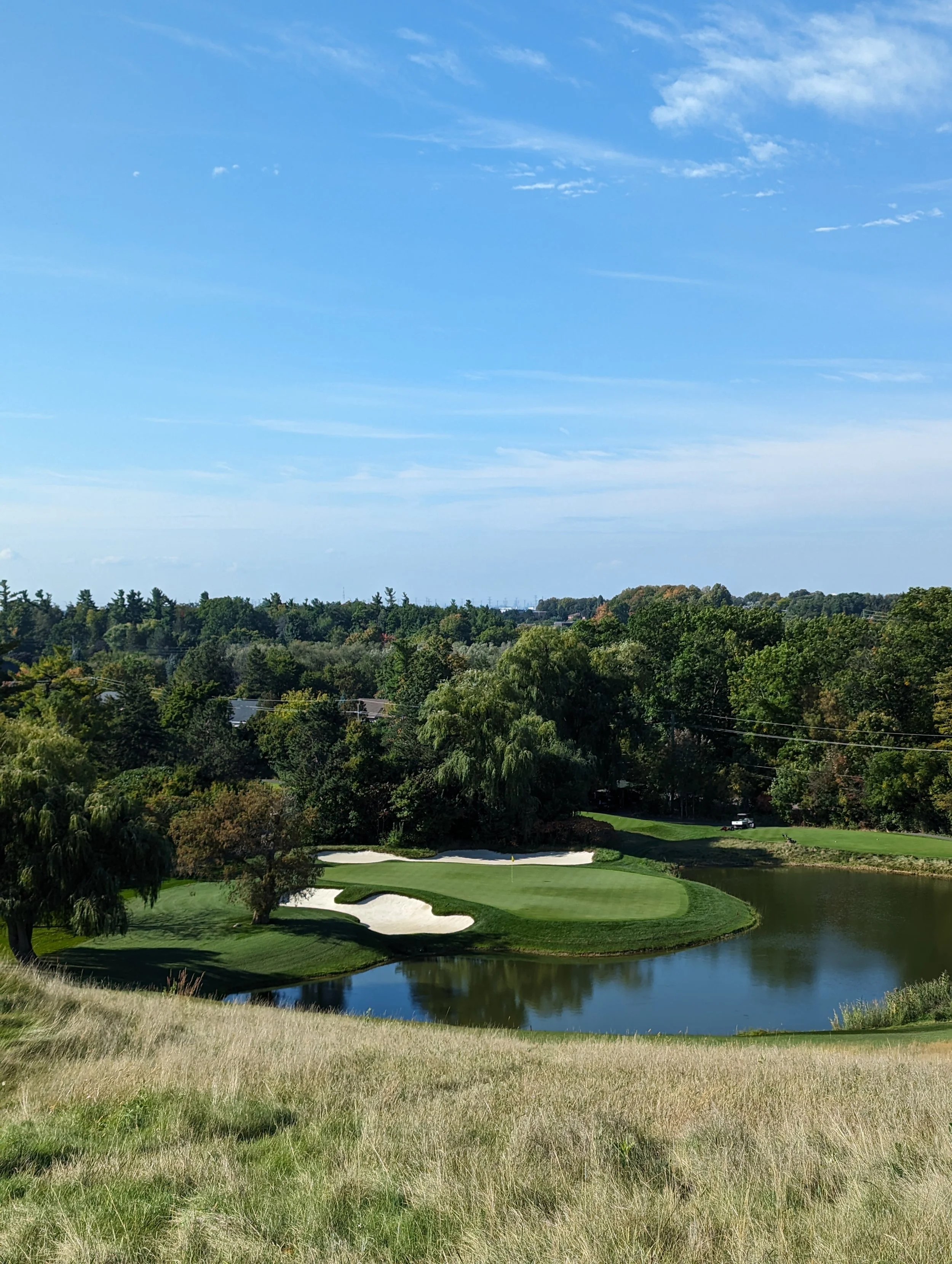
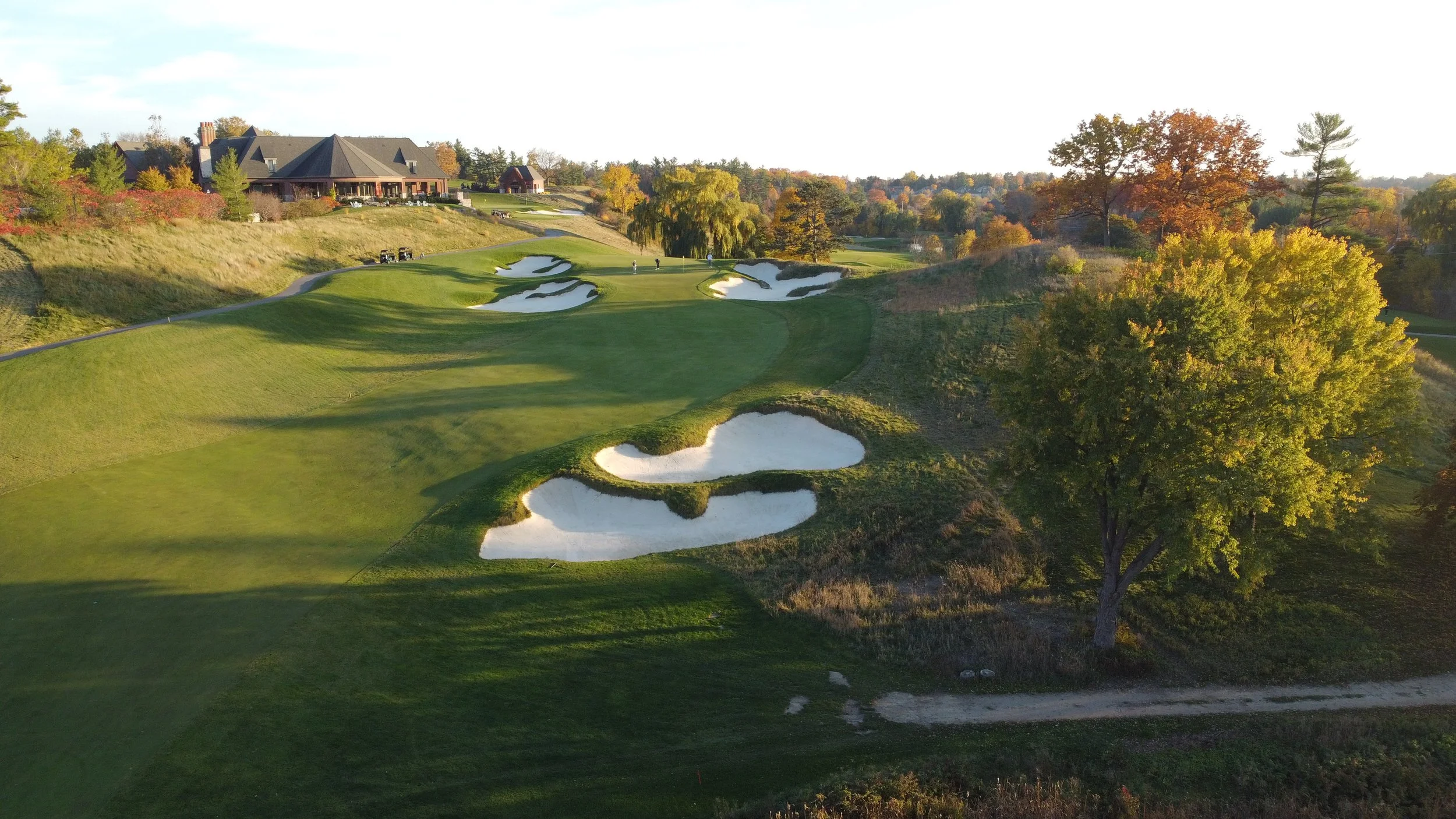
18th hole, 460 yards: The finishing hole is The National's defining architectural statement. Previously a short three-shot par 5, those days are long gone. It is a cape-style finishing hole with dramatic elevation change layered on top, requiring two excellent shots under maximum pressure to conclude a round that has asked hard questions from the very first tee. From the elevated tee, the drive drops sharply down to a narrow lakeside fairway. The water positioned to catch anything leaking right while a group of bunkers, and thick grasses catch anything to the left. The approach then climbs back up to one of the most well-defended greens on the property. In the distance the clubhouse sits perched over you, waiting to judge those who don’t have the faculties to play the strong closing hole. If the founders wanted a course to host a US Open, this was the heroic finish that would decide the championship.
The National is curious case in golf architecture. On one hand the golf course built in the 1970’s, would easily be regarded as the best in Canada from this time period. Yet, today, its penal structure and rigid form largely do not conform to the consensus of what makes a great golf course. The best way to evaluate that for yourself is to ask whether you would immediately head back to the first tee after finishing 18. Despite the design criticisms, there is nothing else like The National in Canada. Its demanding, unruly, and fearless in its pursuit of perfection.
You might also like..
-
Laval (Blue)
-
Coppinwood
-
London Hunt