Lakeview
Overview
Host of the 1923 and 1934 Canadian Open, Lakeview is a Herbert Strong design from the early 1920’s full of excellent routing choices and land movement. The property is defined by Applewood Creek, which winds its way through the front nine to the West and back nine to the East, dealing dramatic playing opportunities throughout. Ranked as our number one municipal golf course in Canada, Lakeview’s accessibility and grand architectural characteristics are ready and waiting for everyone to enjoy.
AT A GLANCE
-
Herbert Strong (1921)
Renovation by Cam Tyers (2023)
-
-
Beyond The Contour 2024-2025 #115
SCOREGolf Top 59 Public 2025 #42
-
Short but mighty, full of quirky greens and requires a depth of skillful shots
Canada’s best municipal golf course
Public access ($63-$85)
-
Lakeview Golf Course Revisited - Golf Club Atlas
A Case For Revitalizing Canada’s Public Golf Courses at Lakeview - Golf Club Atlas
About
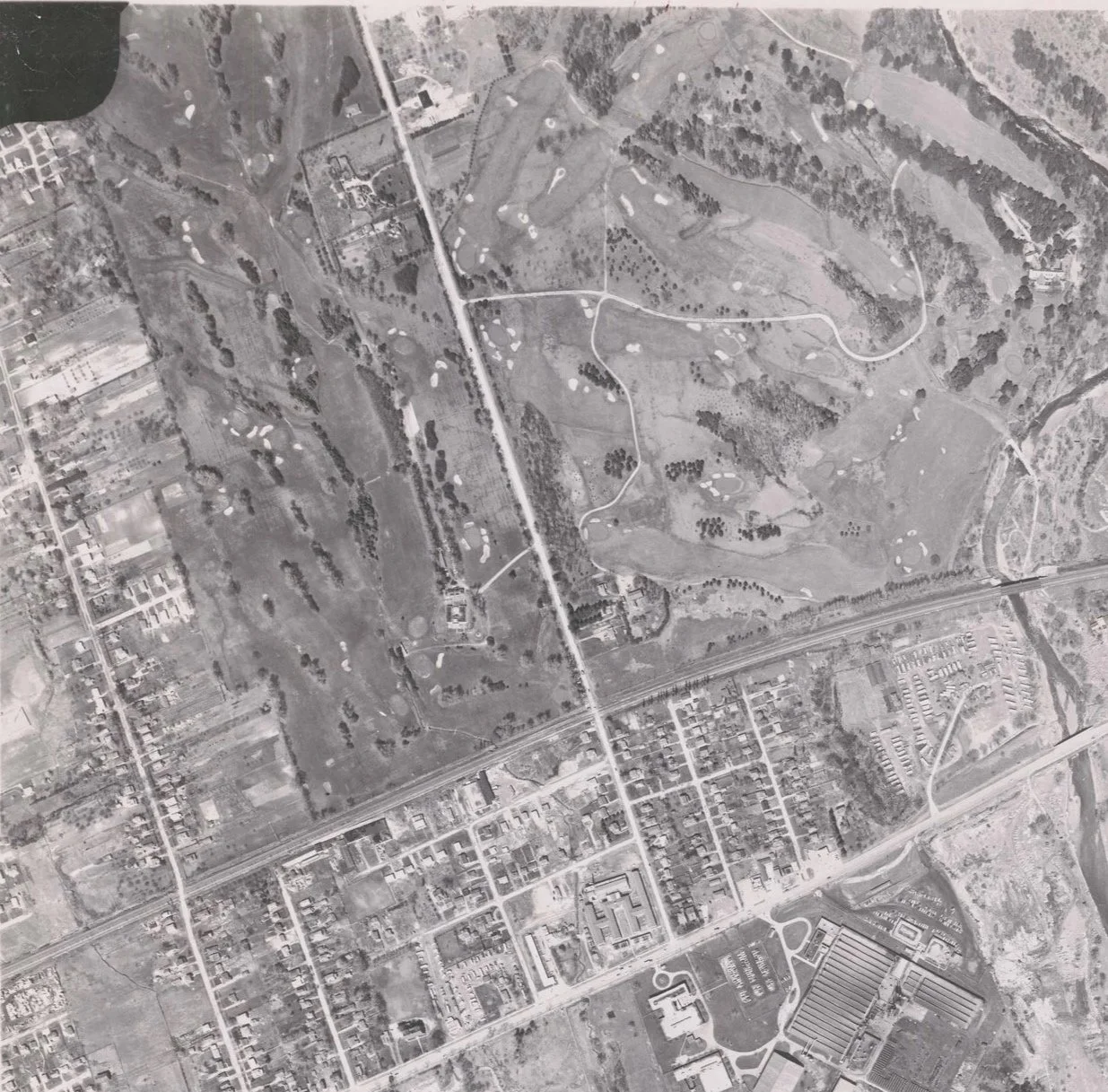
Designed by Herbert Strong in 1921, the golf course was featured as the 1923 and 1934 Canadian Open host and was deeply regarded as one of the toughest tests in Canadian golf at the time. Since, not a whole lot has changed with almost all of the hole corridors remaining more or less the same as they did then thanks to a recent city lead naturalization and remediation project to Applewood Creek. Landscape and golf course architect Cam Tyers was able to restore a number of historical features - including the 17th green and its bunker scheme to grand acclaim. While the main focus was the creek, the work provided opportunity to make significant conditioning and architectural improvements across numerous holes, elevating the charming layout into Top 100 form upon fully reopening in 2023.
Lakeview is brimming with old-school charm and a wonderful array of holes skirting Applewood Creek, which bisects the property at its low point. With the front nine to its west and the back nine mostly to its east the creek provides plenty of drama throughout the round. The natural valley it sits in and the offshoots seen on holes like the second and fourth provides the variety necessary for a muni like Lakeview to really energize its architectural structure on such a small scale.
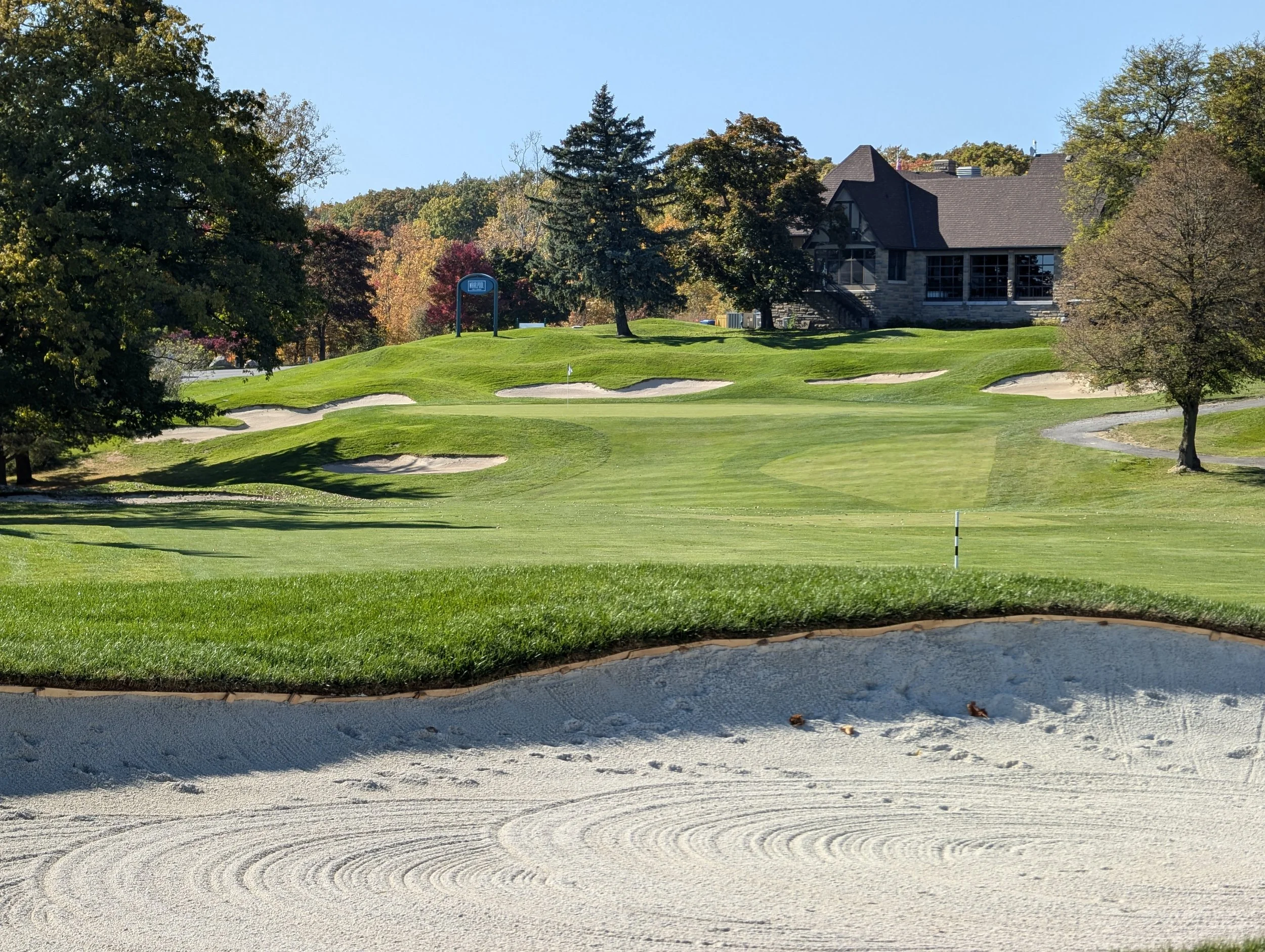
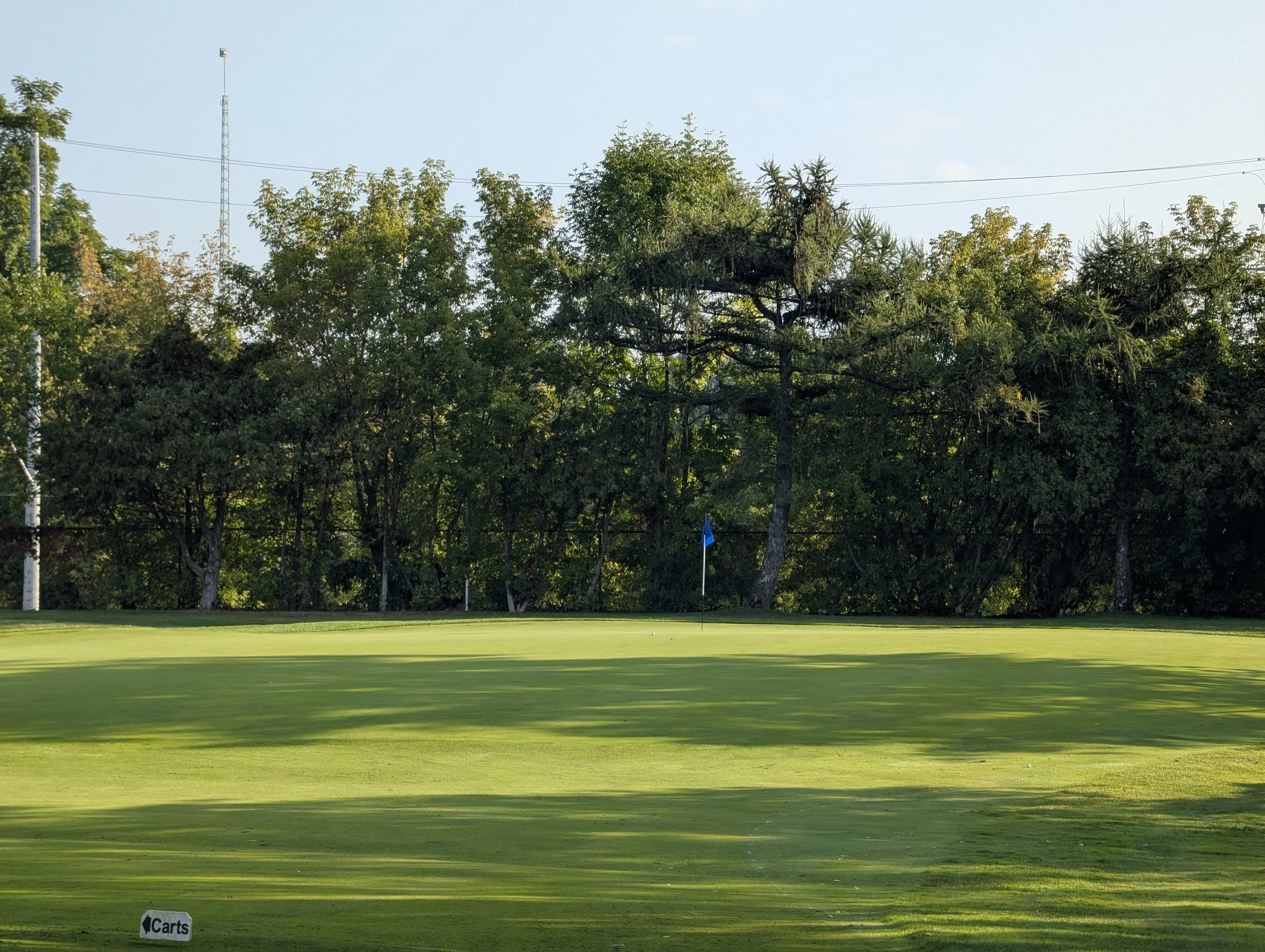
The golf course is considered to have some of the most interesting greens in the country. They are a particularly quirky set that mostly utilizes the grade and slope of the land to befuddle the player - like that of the eighth which sits on grade with about three feet difference from back to front, and is backstopped in a small localized valley. The set occasionally mixing in larger visible contours, like that of the first green, which has a deep thumb print in the front centre section, or the brilliant 18th which is benched into the hillside about 20 feet above the fairway and contains a steep false front only protecting players from full on rejection by a small cut of rough.
Lakeview is a rare example of a municipality recognizing that heritage applies to the architectural product as much as it does to the golf course’s history. It is perhaps the most accessible golf course one can easily see and play in Southern Ontario that oozes the desirable qualities of golden age architecture. While not currently maximized to its full potential, Lakeview offers a sublime routing that takes advantage of the depth in topography and geological features and is widely considered the best municipal golf course in Canada, holding the top spot on our municipal golf rankings.
Featured Holes and Course Details
Lakeview is a very understated golf course — a quirky little love. Perhaps that’s why people don’t “get it” being rated among the top public golf courses in the country. It’s not just some fluke or influential push by panelists. It’s there, rightfully so, for a reason. Unlike its neighbour, Toronto Golf Club, it doesn’t have such grand topographical features, flashy eyebrow accented bunkers, immense short grass surrounds, or the same firm and bouncy turf qualities that allow the property to really shine at quick glance. Instead, characteristics like its greens, reveal themselves over time, as a notably sporting set.
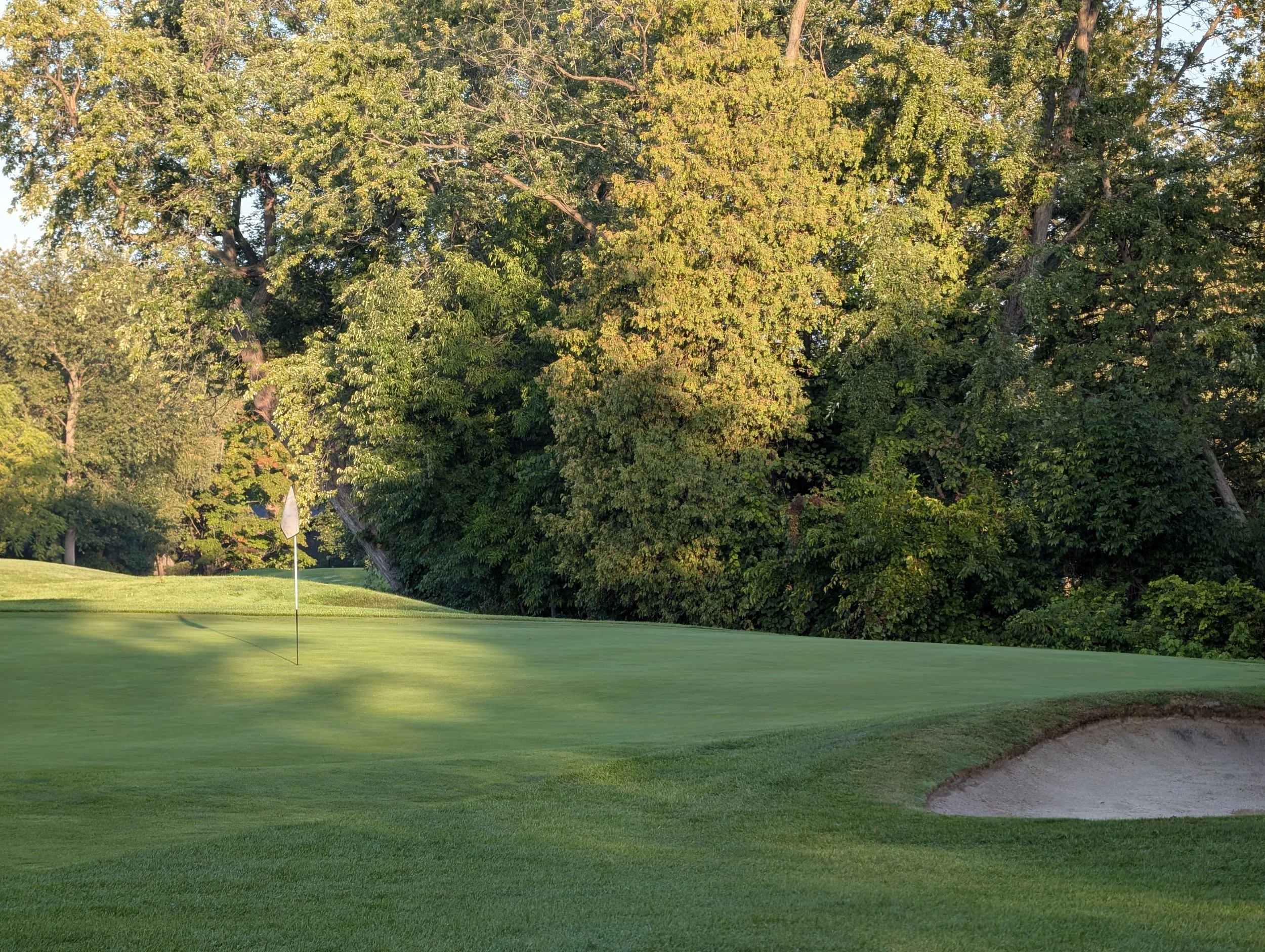
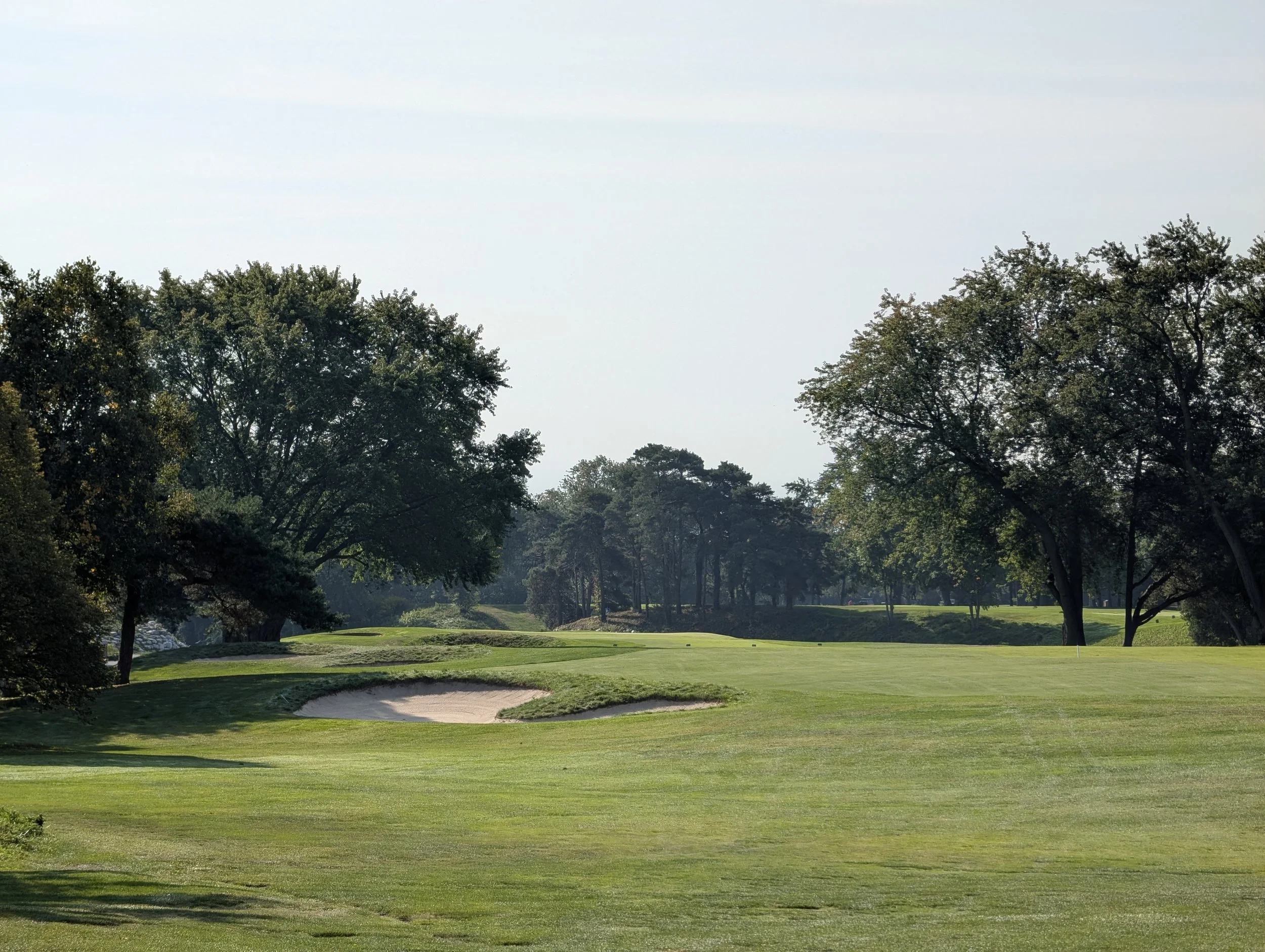
Second hole, 419 yards: At a mere 6289 yards — so the scorecard says — Lakeview may not be categorized as the same Championship test that it once was, but it still requires a deft touch. Take the second hole for example, a moderate length par 4 that requires the tee shot to carry a small dell before coming to rest in the rolling fairway. While the tee shot is straightforward provided you manage to get the ball any more than a foot off the ground and a hundred yards in distance, the noteworthiness of the hole comes to prominence from the approach position. Players must navigate the tricky contours of a green site, which is set into a small hillside positioned directly up against the forested ravine that tumbles down towards the creek and the 16th hole (unseen) in the distance. Adding further complexity to this challenging hole are the rumpled contours of the land, whether playing from the uneven fairway, or down in the small valley short of the green, or from the hummocks set around the green, the shots just aren’t easy. This green is particularly eccentric using a long, broad slope to tastefully perplex golfers.
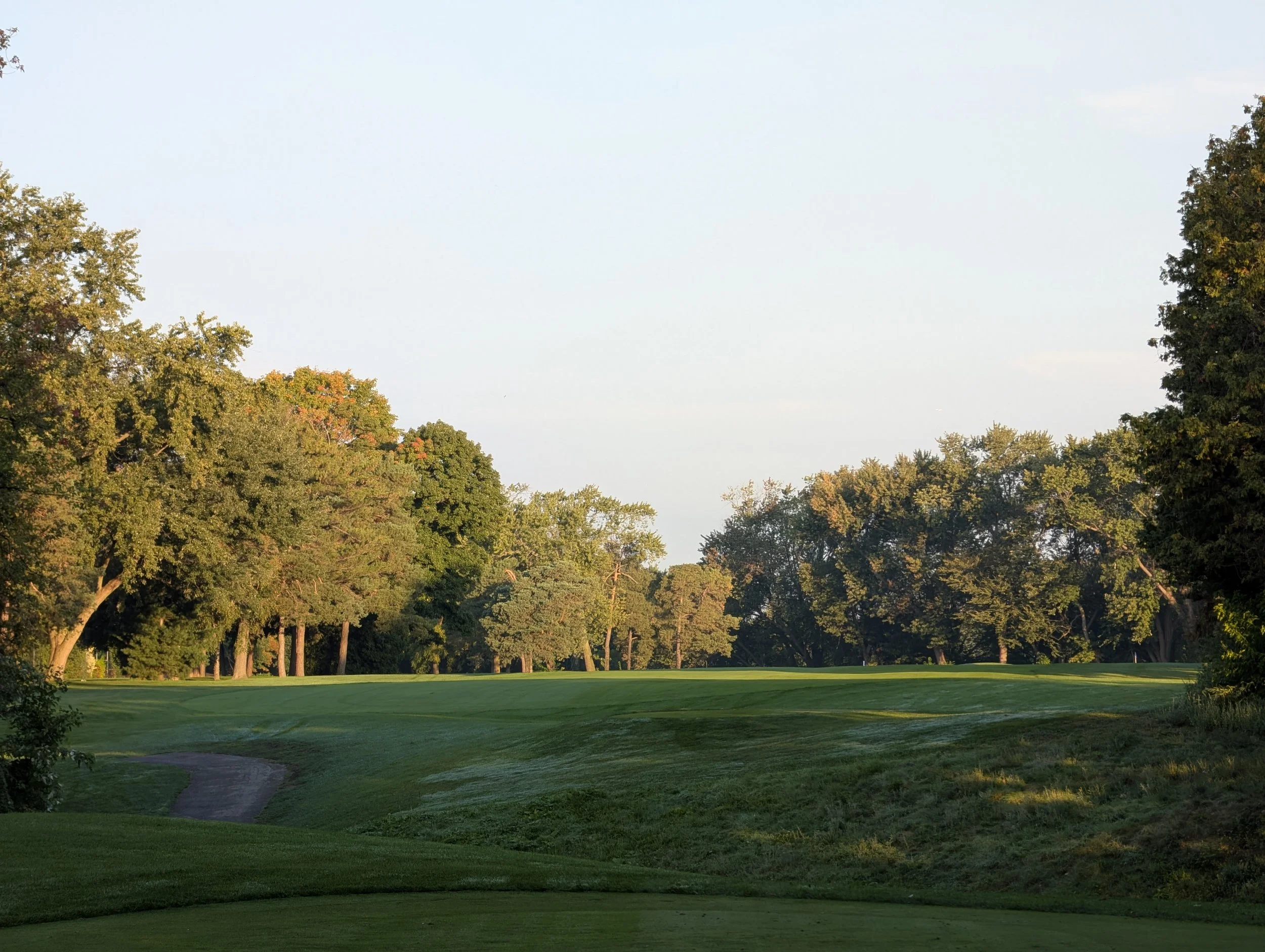
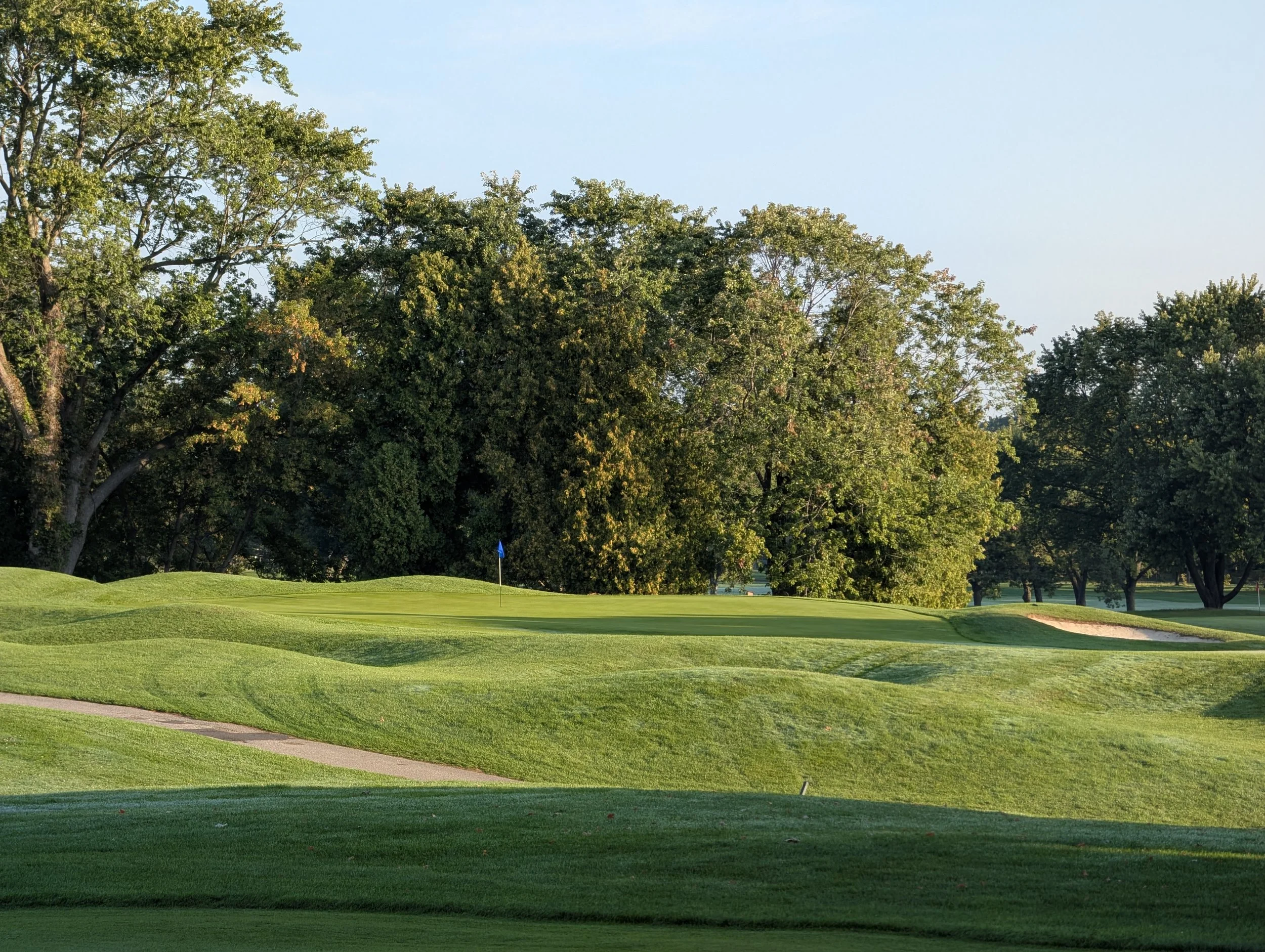
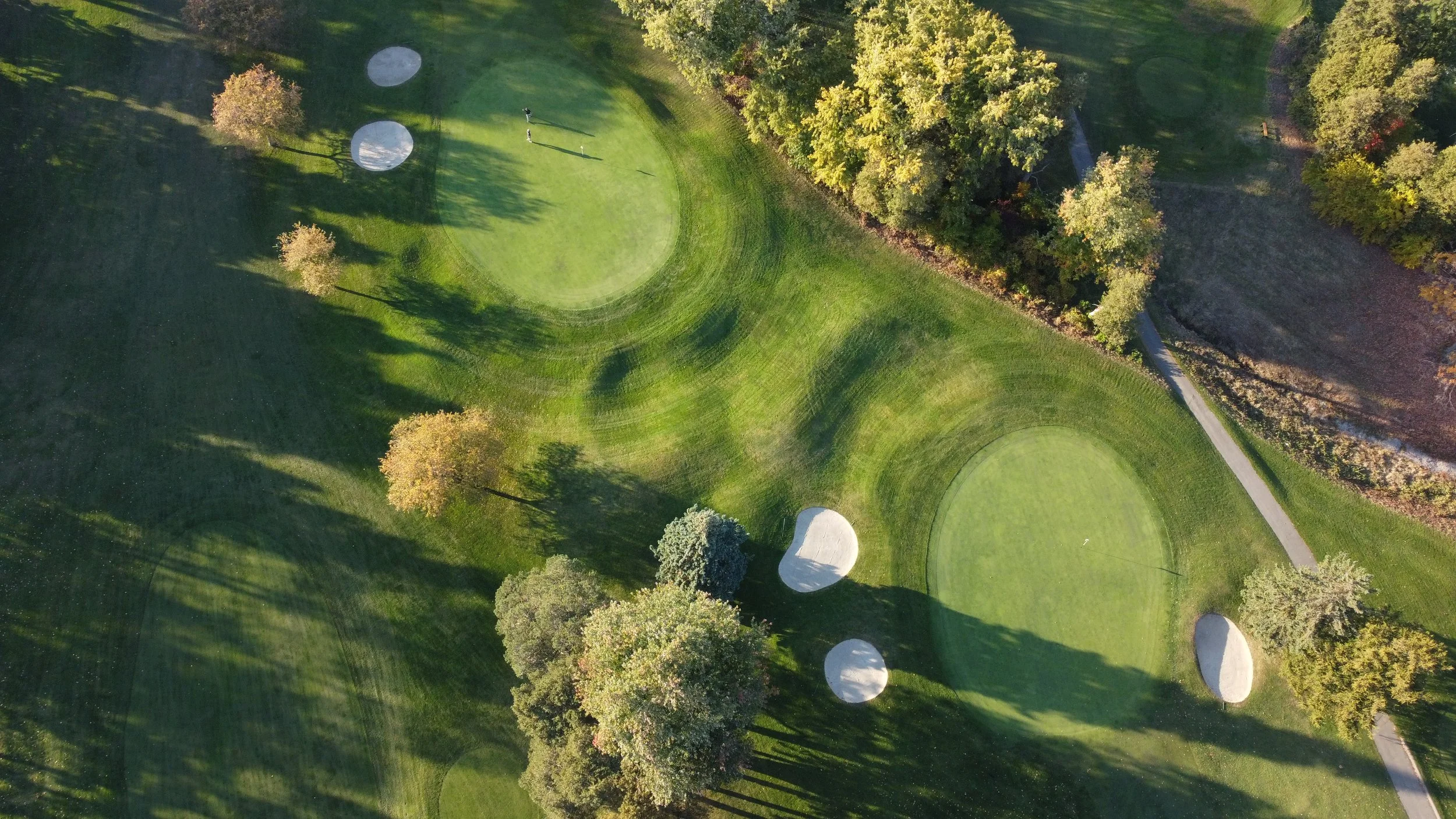
Fifth hole, 594 yards: Applewood Creek runs directly through the property, meandering in the north alongside the par 5 16th, all the way down past the 17th, cutting across the 18th and first tee before passing by the fifth green and exiting the property in the south as it bisects the eighth hole. In doing so the creek creates a natural hazard that acutely sits on your mind throughout the round. At the par 5 fifth, the winding stream sits parallel to the green and plays an important role in the strategic considerations. From the tee, the golfer must hit through the narrow alleyway, condensed by the tree’d canopy that line each side. On approach the creek comes into play with the green sitting directly against the hazard. Two, deep, green side bunkers pinching this long, and rather narrow looking surface. Internally the green has a strong back-to-front, right-to-left slope which adds to the anxiety of shots coming into and around the green. A small knoll in the rear creates one of the only flat locations on the entire surface, and thus, is a popular pin position, amplifying all of the risky elements to make this one of the most difficult holes on the course.
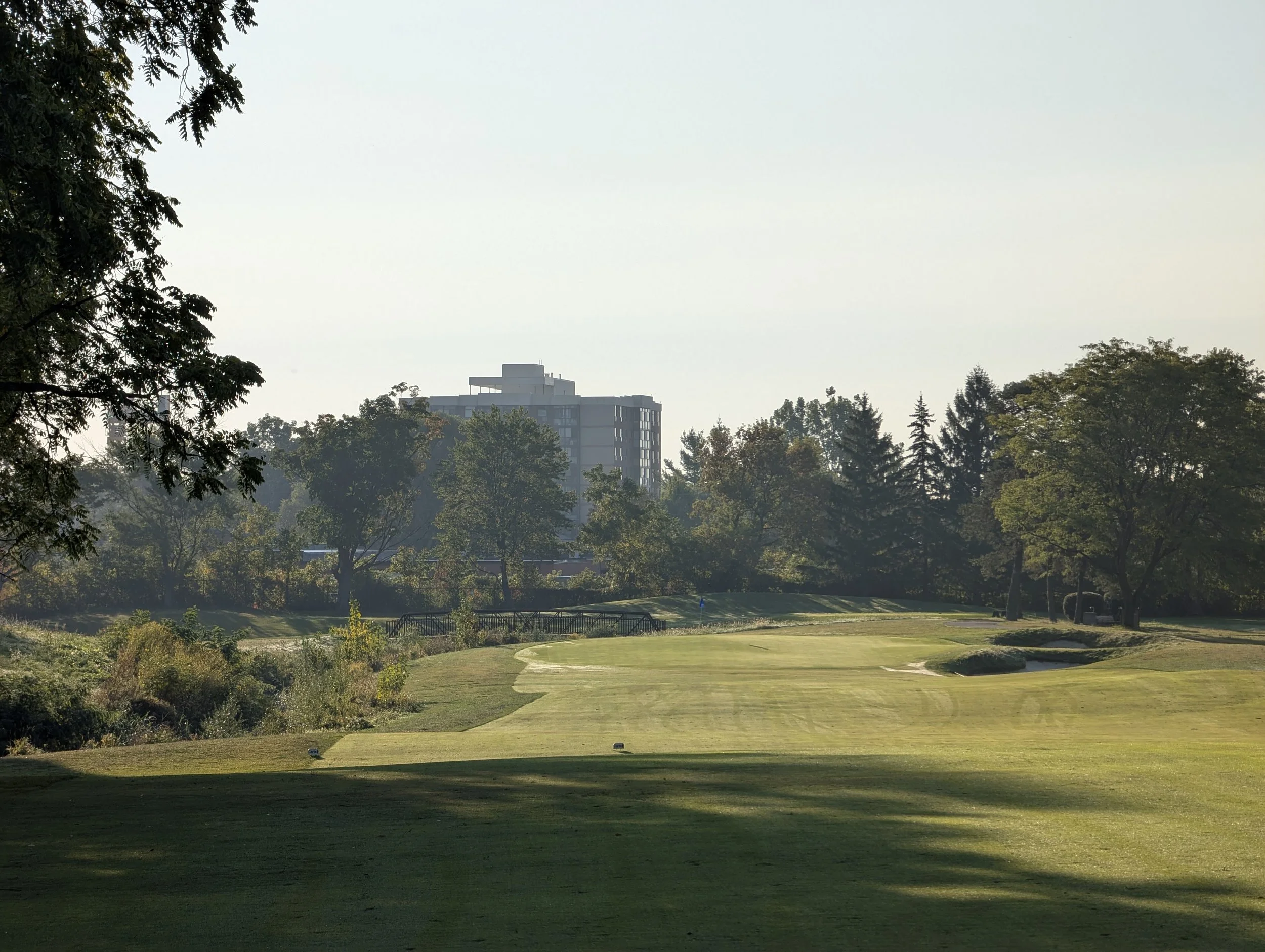
Sixth hole, 441 yards: Upon walking off the fifth hole, players often turn to face directly into the headwind on this brutish par 4 — delivering the toughest duo of holes back to back, which juxtaposed against the easier duo of the seventh and eighth holes, is a well balanced approach to the rhythm of the course. From the tee, the wider corridor allows for a more aggressive strike, although players must avoid the lone fairway bunker up the left — a rarity around Lakeview with most of the bunkers coming in closer to and around the greens. The green is particularly interesting, with internal contouring favouring a distinct front and back tier, coupled with the knoll and false front, dictating much of the play. Players who attempt to run the ball into the open front edge may find themselves staring down an aggressively pitched putt from back to front, or need to elevate the ball around the perimeter to get back on. It’s a precarious hole even if the only daunting visual element is the pure distance from tee to green.
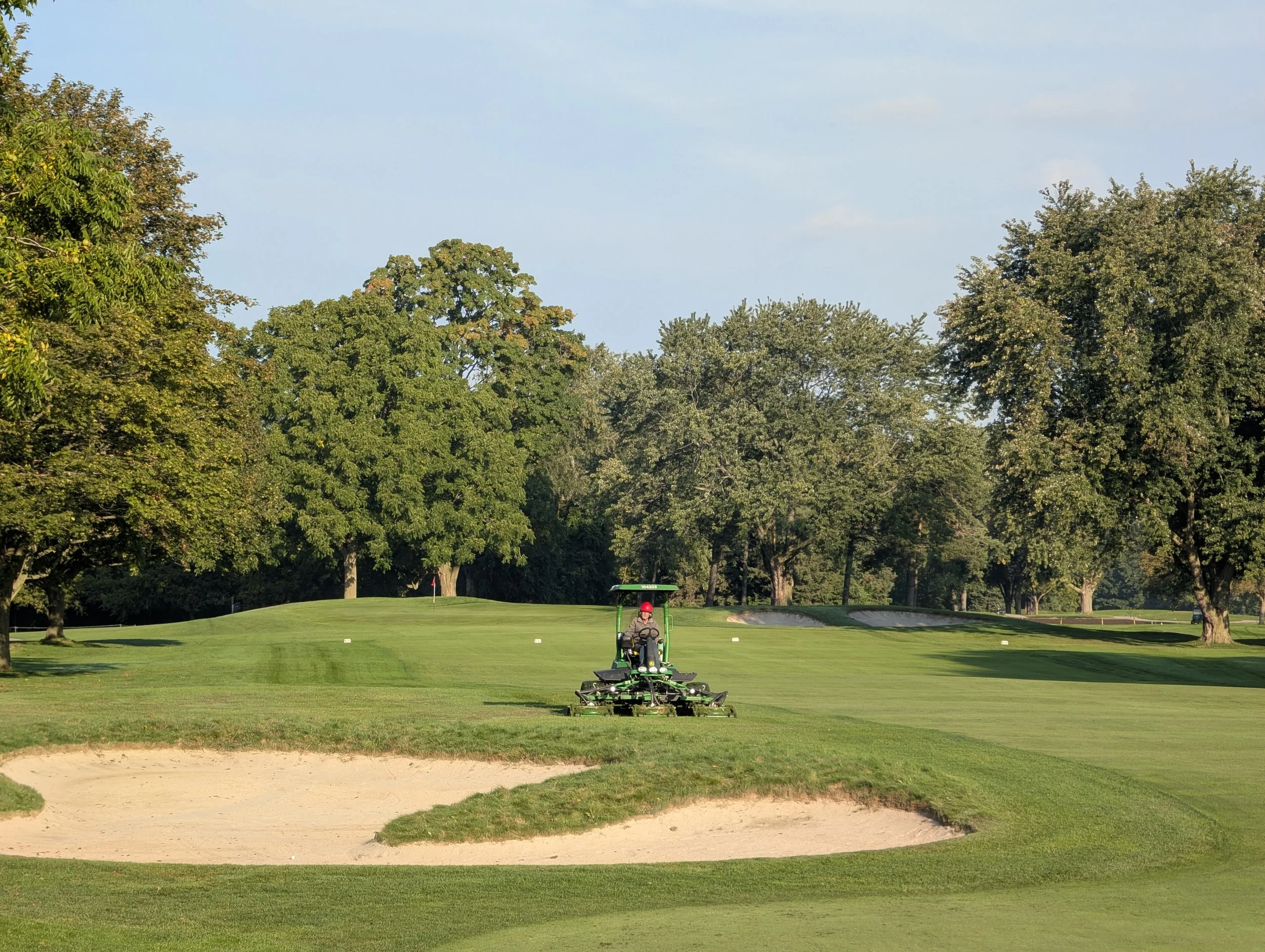
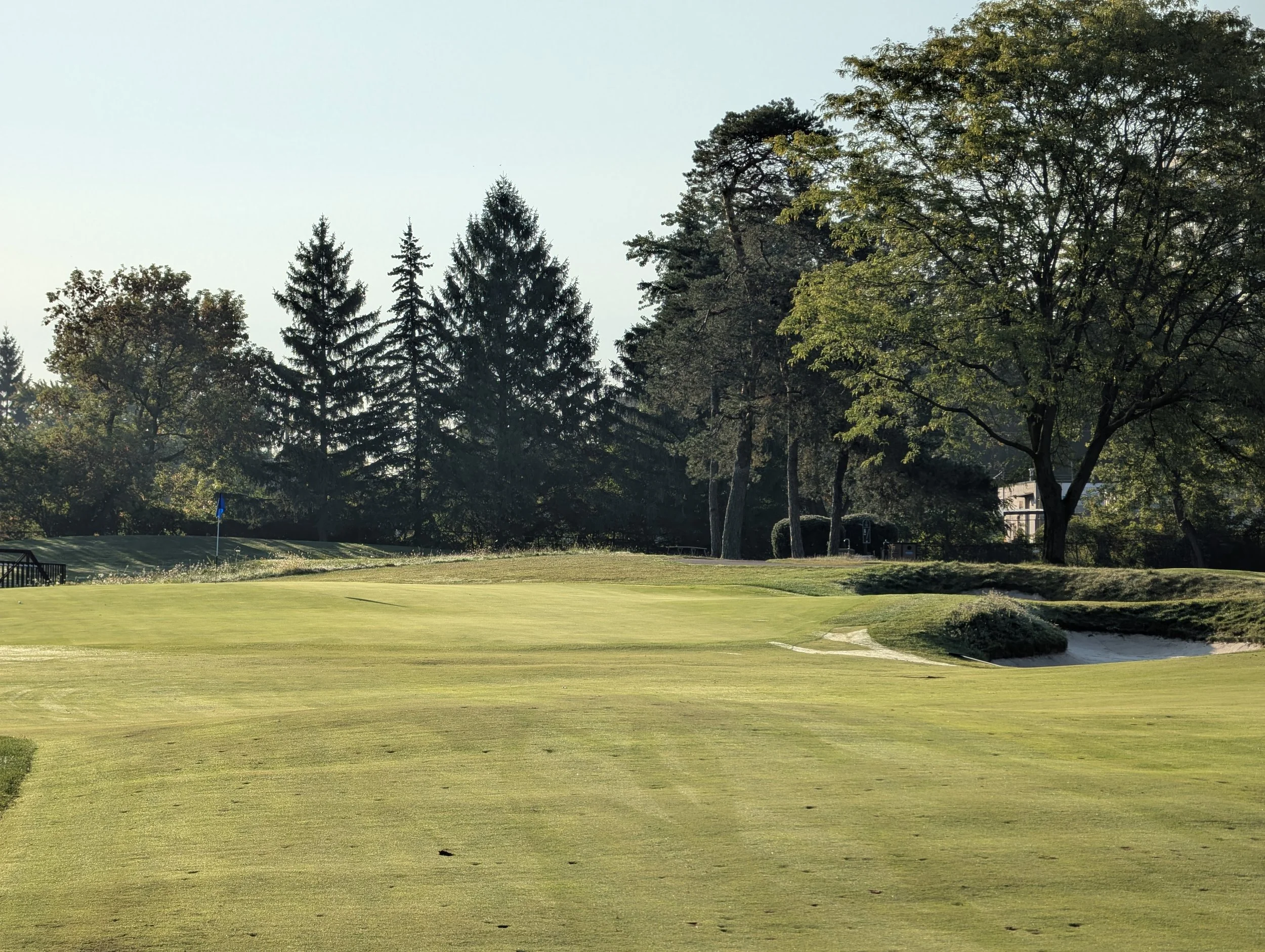
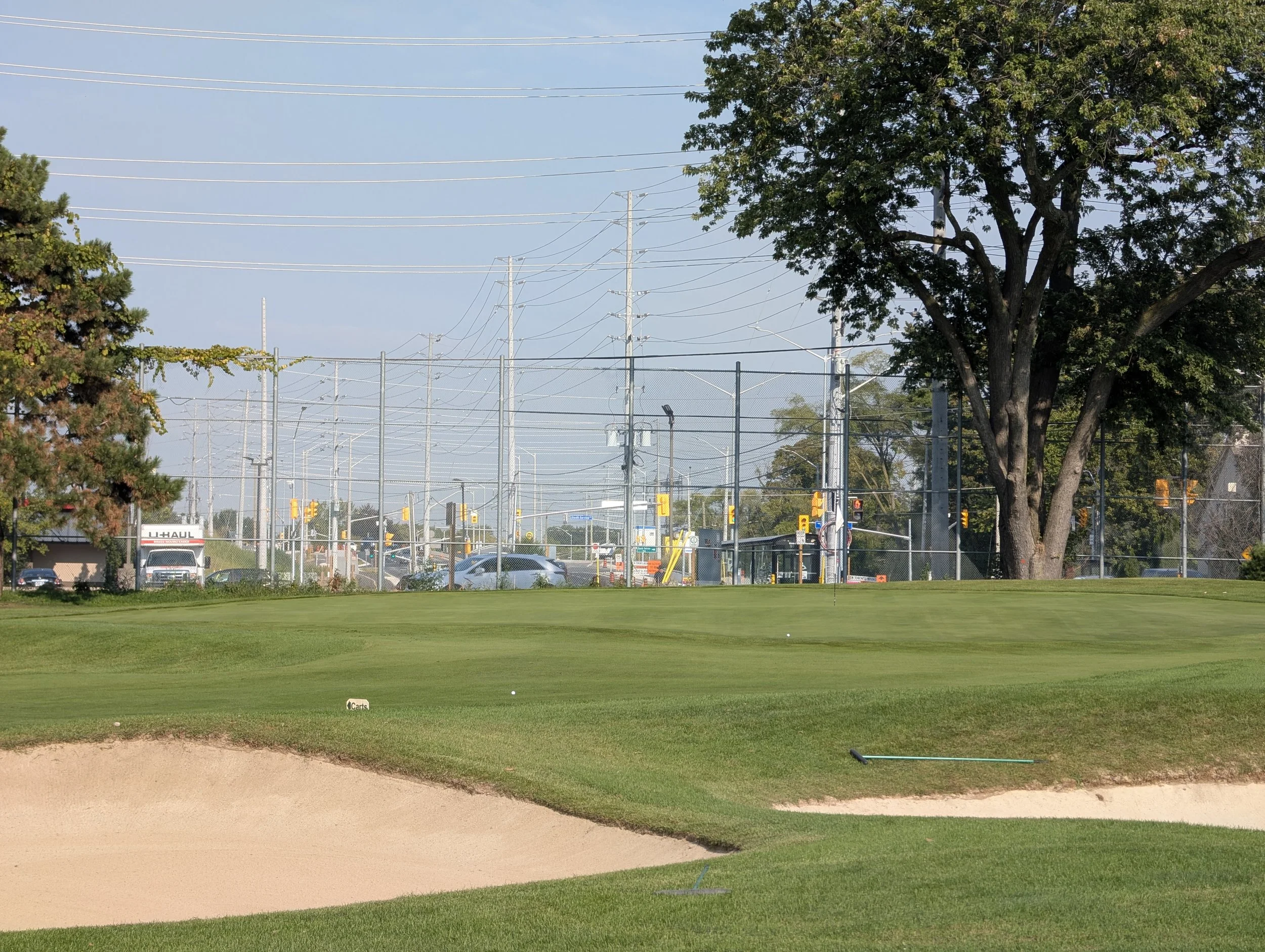
11th hole, 414 yards: At the 11th, the golf course abuts Dixie Road, for which is out of bounds. From the tee, a tall apartment building, deep in the distance, serves as a primary aiming point towards the semi-blind landing zone. There are two bunkers that sit well short of the green — there intention to obscure those who play from the right side close to the road. The green complex rests on the edge of a hillside above the 17th tee where a steep embankment curls across the front and left-rear sides. The internal contouring of this surface exhibiting a right-to-left and back-to-front tilt. While the movement mimics a Redan's ability to pull balls across the green, current tree encroachment and a narrowed fairway neutralizes the strategic intent. A helpful reminder that while the renovation work has restored numerous features and delivered a better experience, further work to improve strategic intent would be welcome.
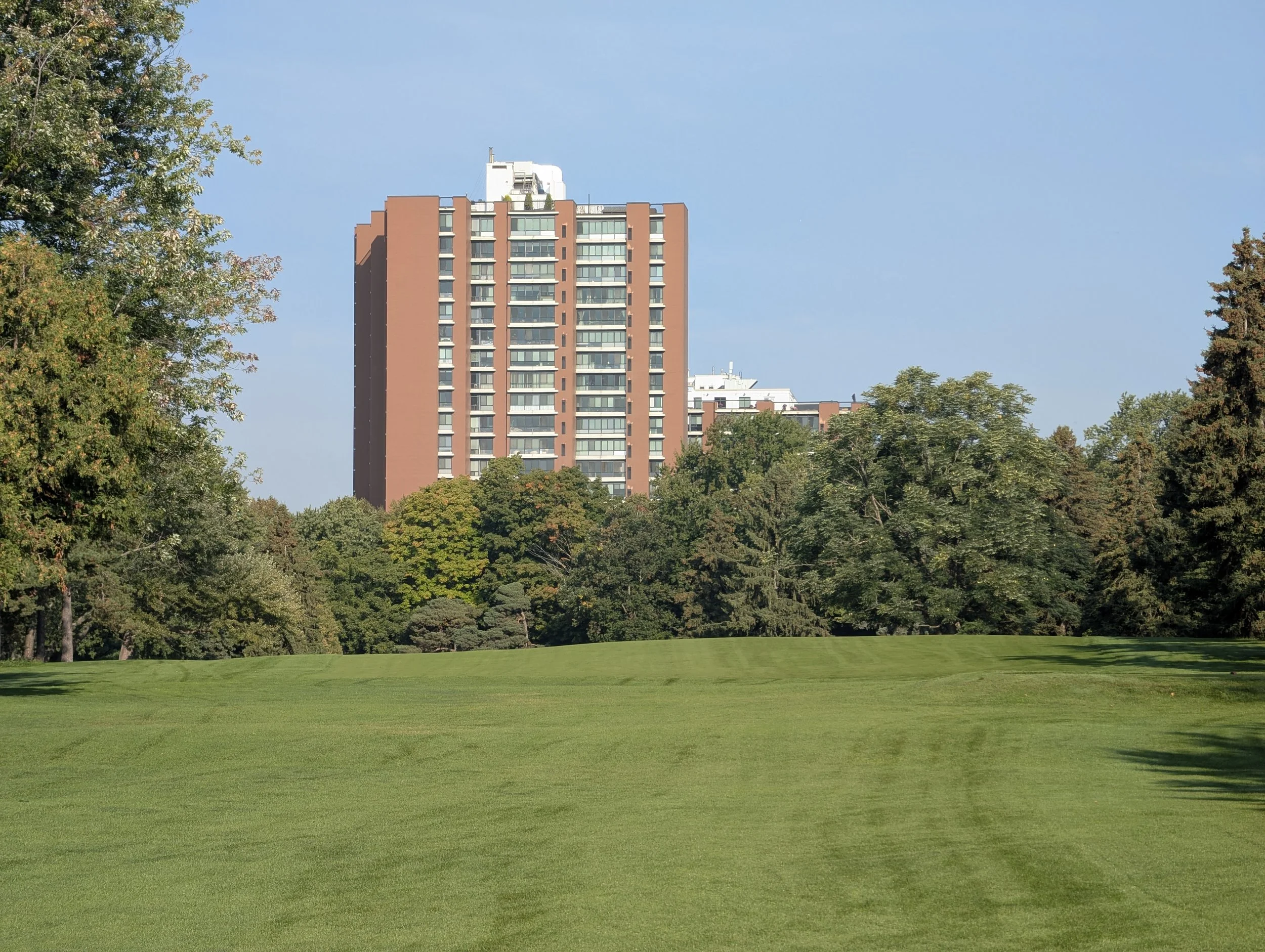
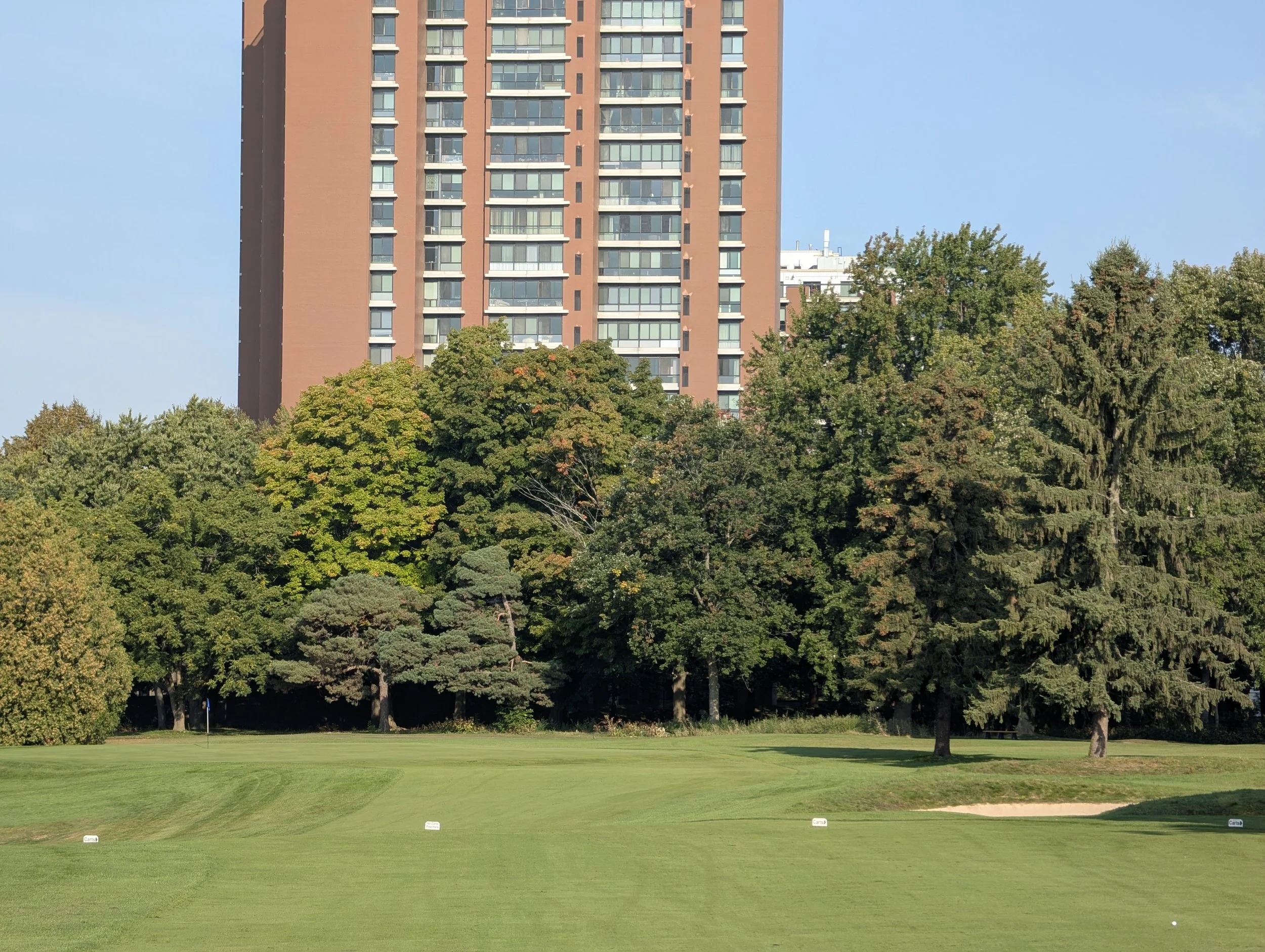
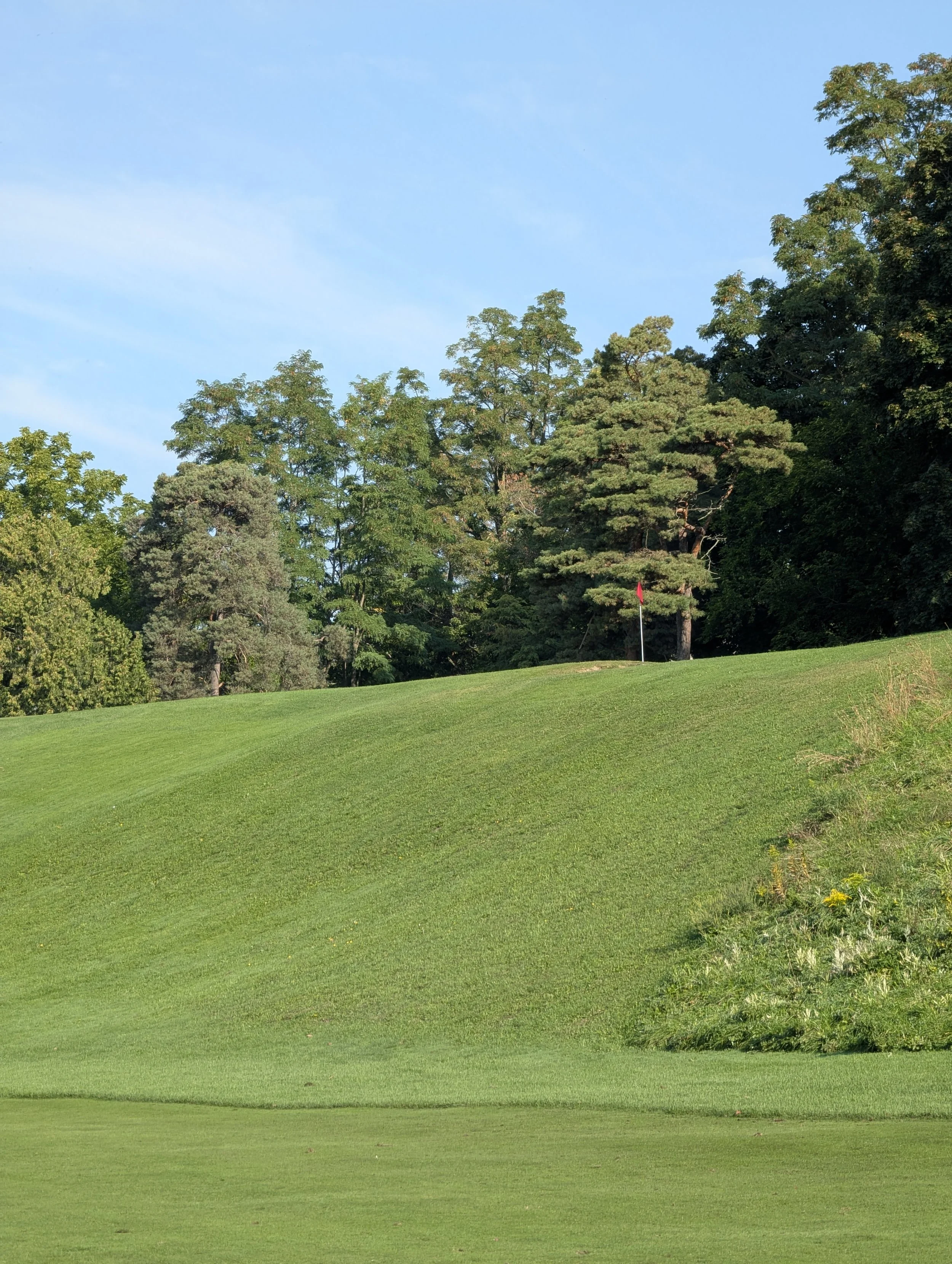
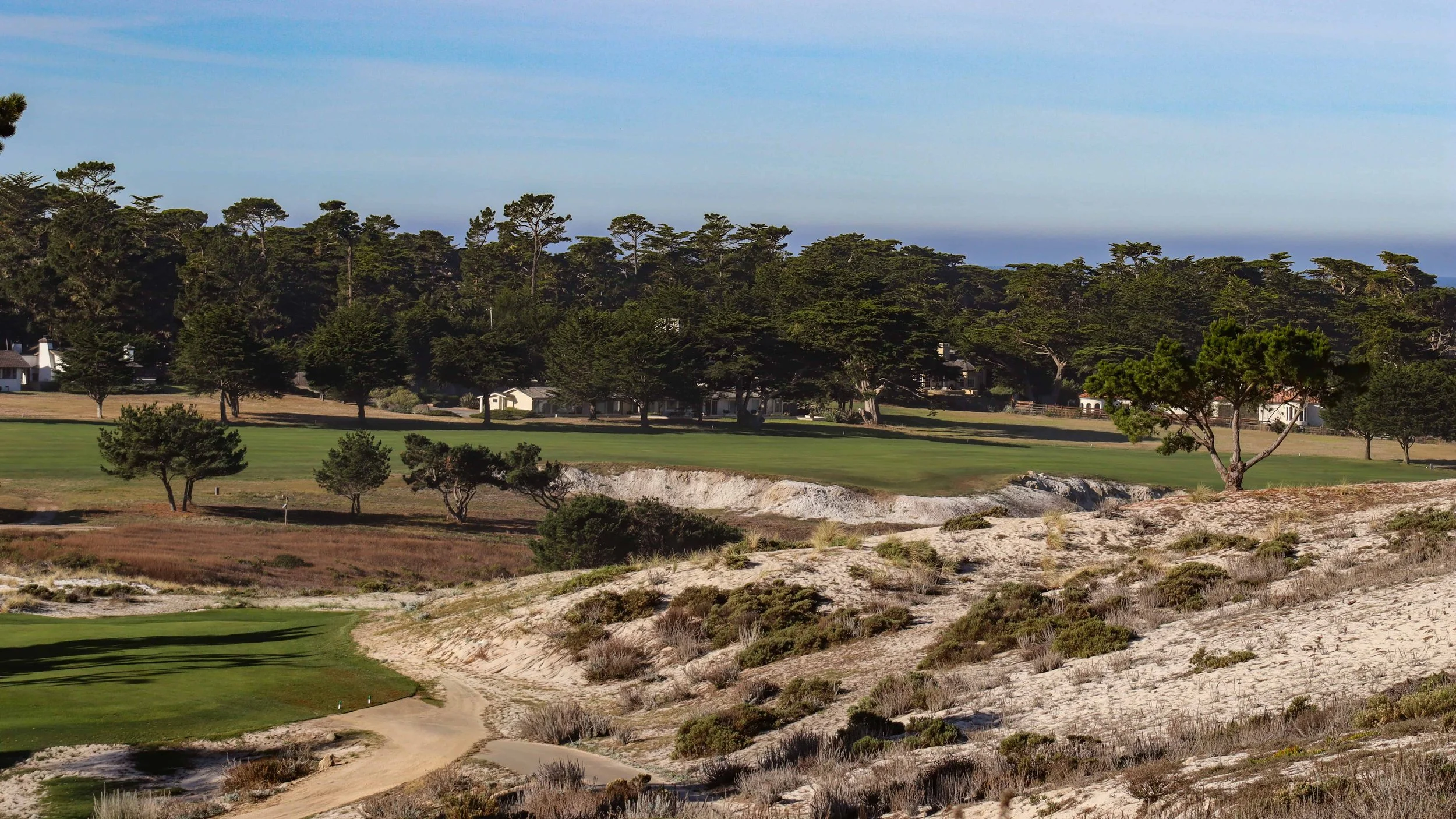
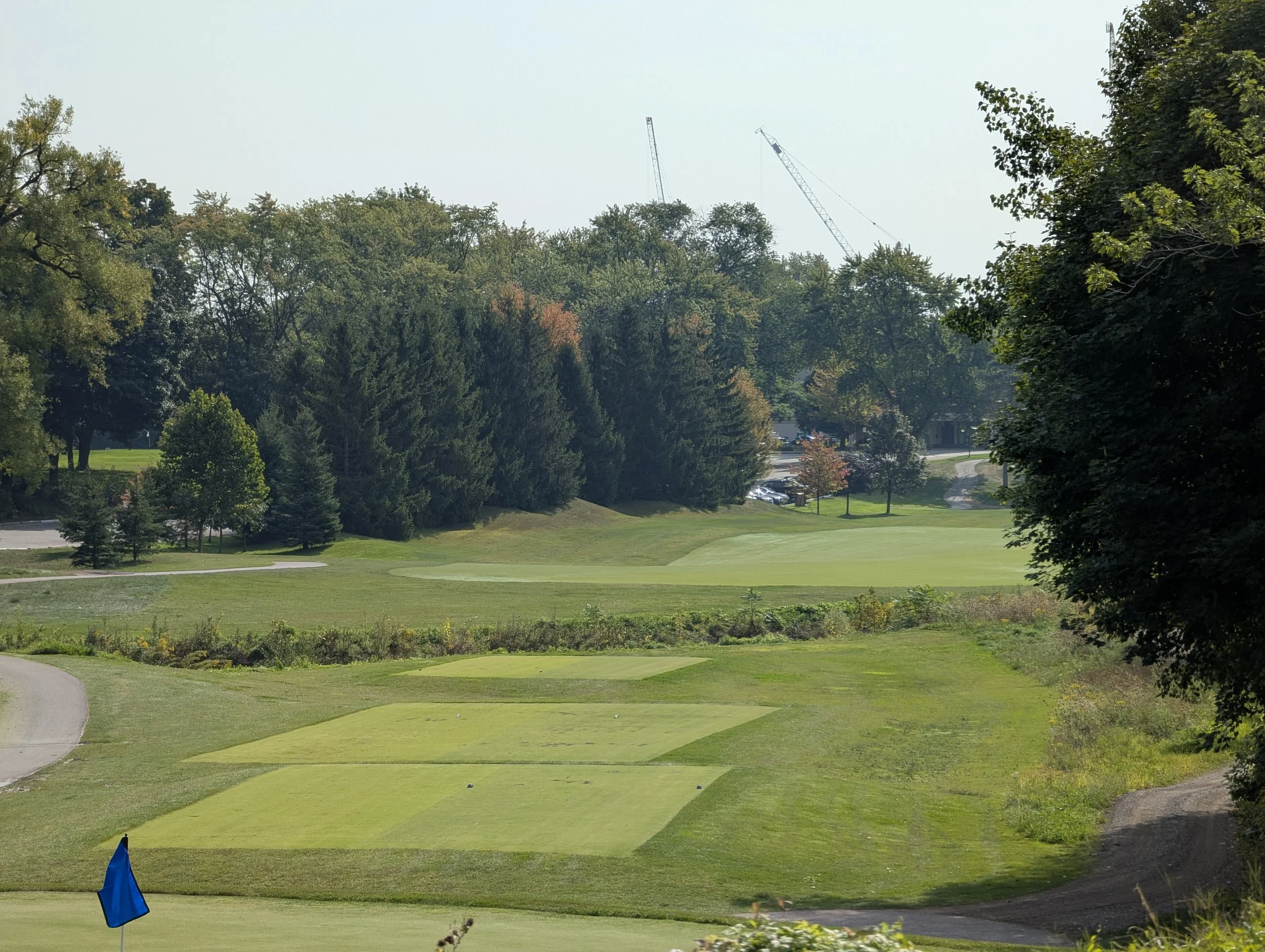
12th hole, 327 yards: The 12th hole is frequently criticized by visitors, primarily due to a blind tee shot toward a fairway positioned perpendicular to the teeing ground. Unlike typical uphill blind shots, the downhill nature of this design creates a disorienting visual profile. Yet, its tenants mirror that of the eighth hole at Cypress Point; whereby the large shoulder obstructs the fairway from view off the tee which similarly sits perpendicular and downhill to the line of play. The approach requires a short, uphill (and blind!) strike to a small defended green.
Few architects would have the bold courage to build a hole like the 12th (or eighth at CPC), as such, the hole lends itself to be one that is largely uncelebrated. While such quirky geometry is rarity in golf architecture this particular design prioritizes positional discipline over visual comfort. Rewarding players who understand the specific topography of the valley and can control shot distances.
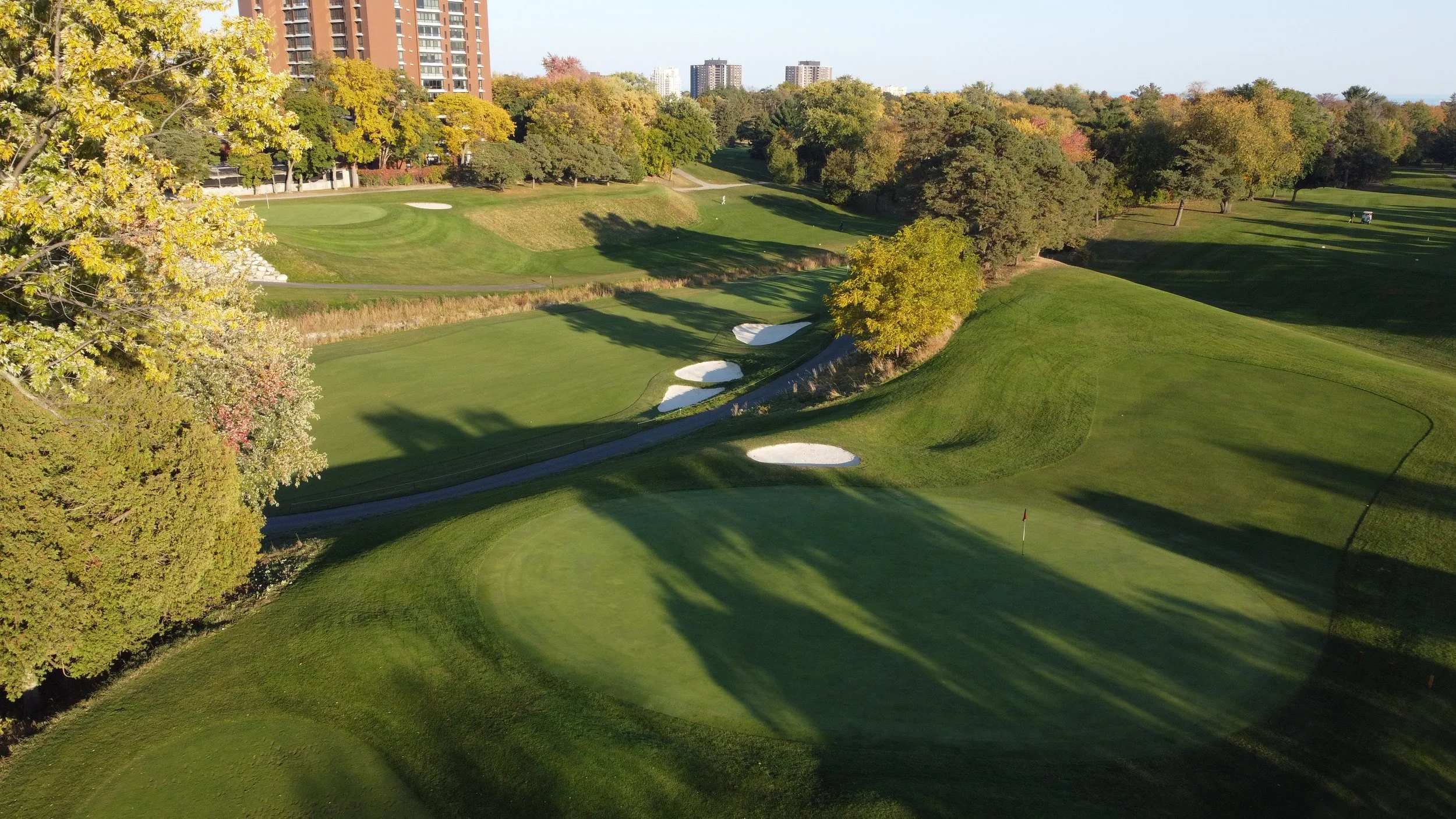
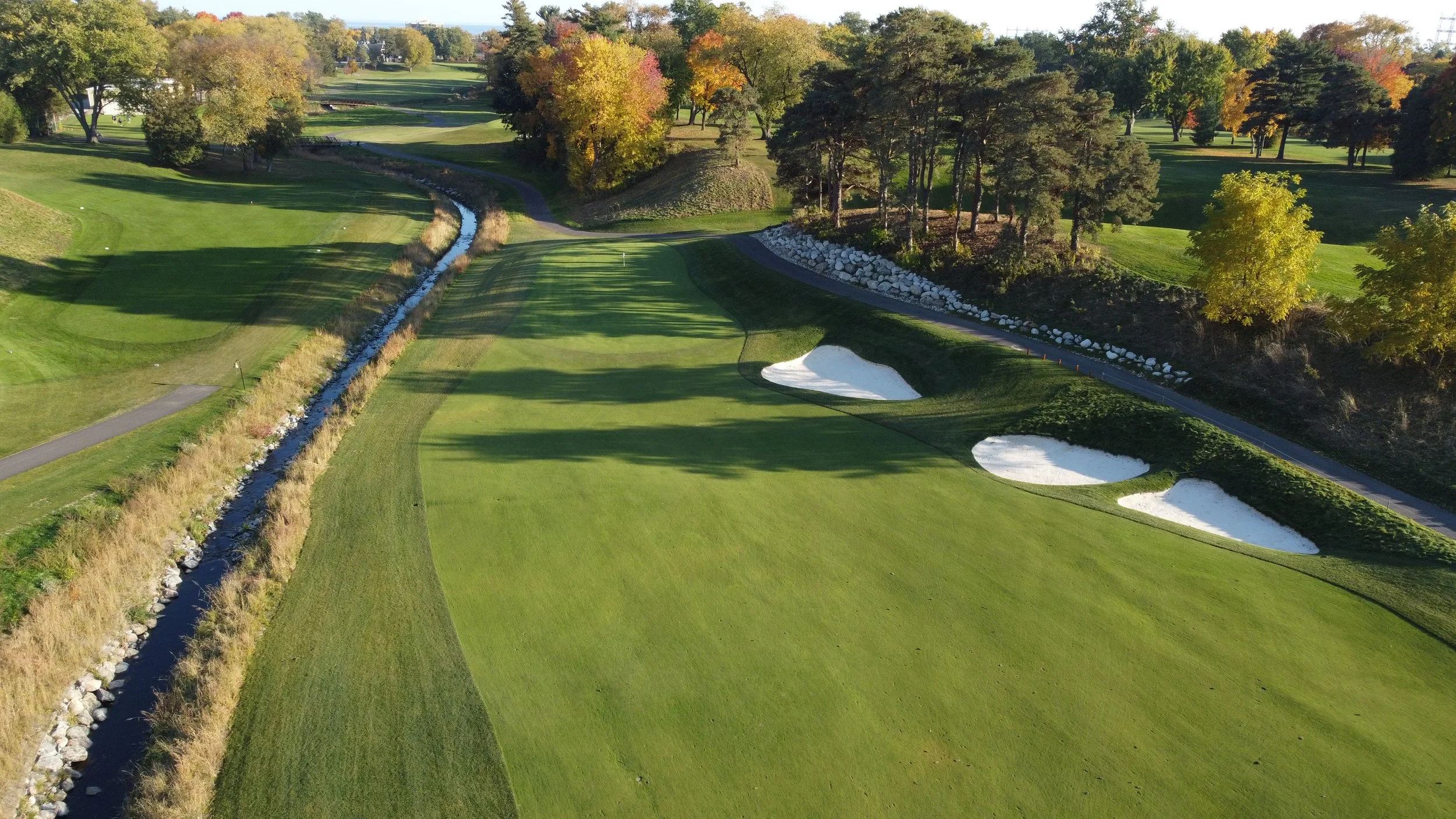
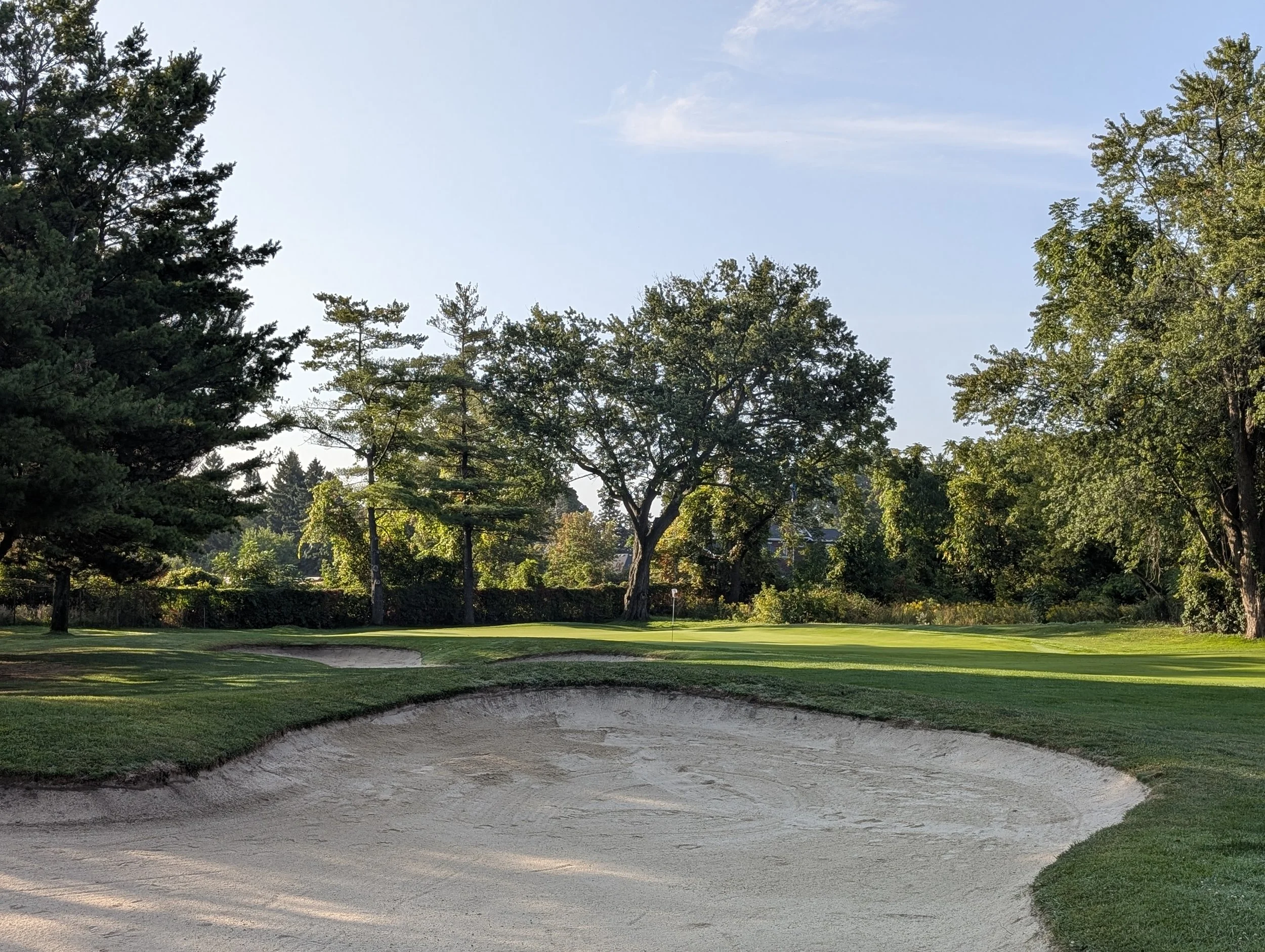
16th hole, 477 yards: With Lakeview being a hair under 6300 yards from the back tees, it often opens the door for golfers to get a stroke back. But it’s never an easy task — the course demands execution. Take the par 5 16th hole for example — while not a three shot hole on paper the natural curvature of the creek, combined with the overhanging woodland that covers the adjoining hillside, requires proper placement and certain length from the tee to have chance at going for it in two. However, this landing area is largely blind from the tee, and the cascading land gently trundles shots ever closer to the confluence of the valley, creek, and trajectory of the extended canopy. Upon navigating all of this the green is similarly constructed to that of the fifth hole. Placement against the creek, bunker composition, and internally contouring mimic the adept demands.
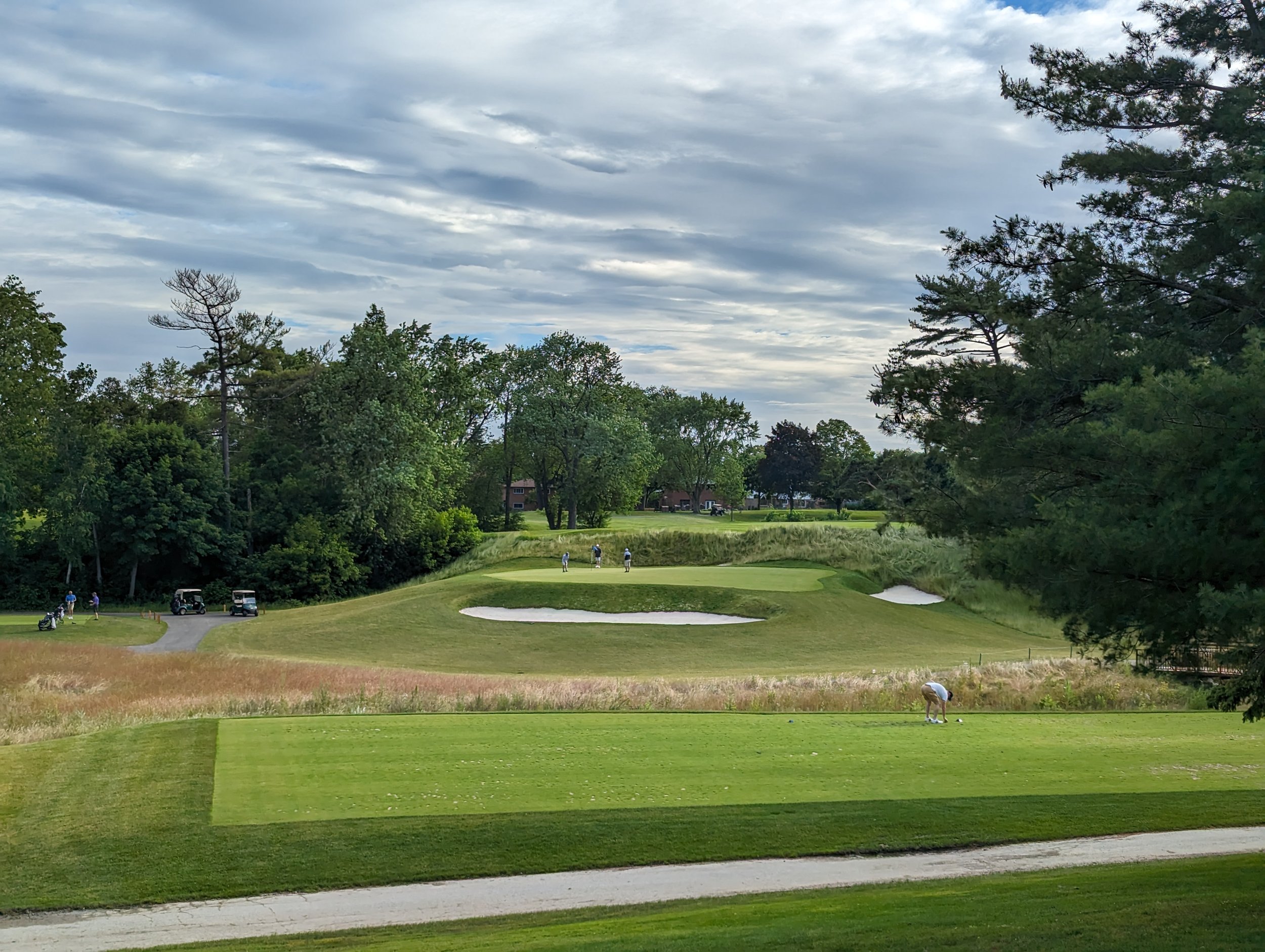
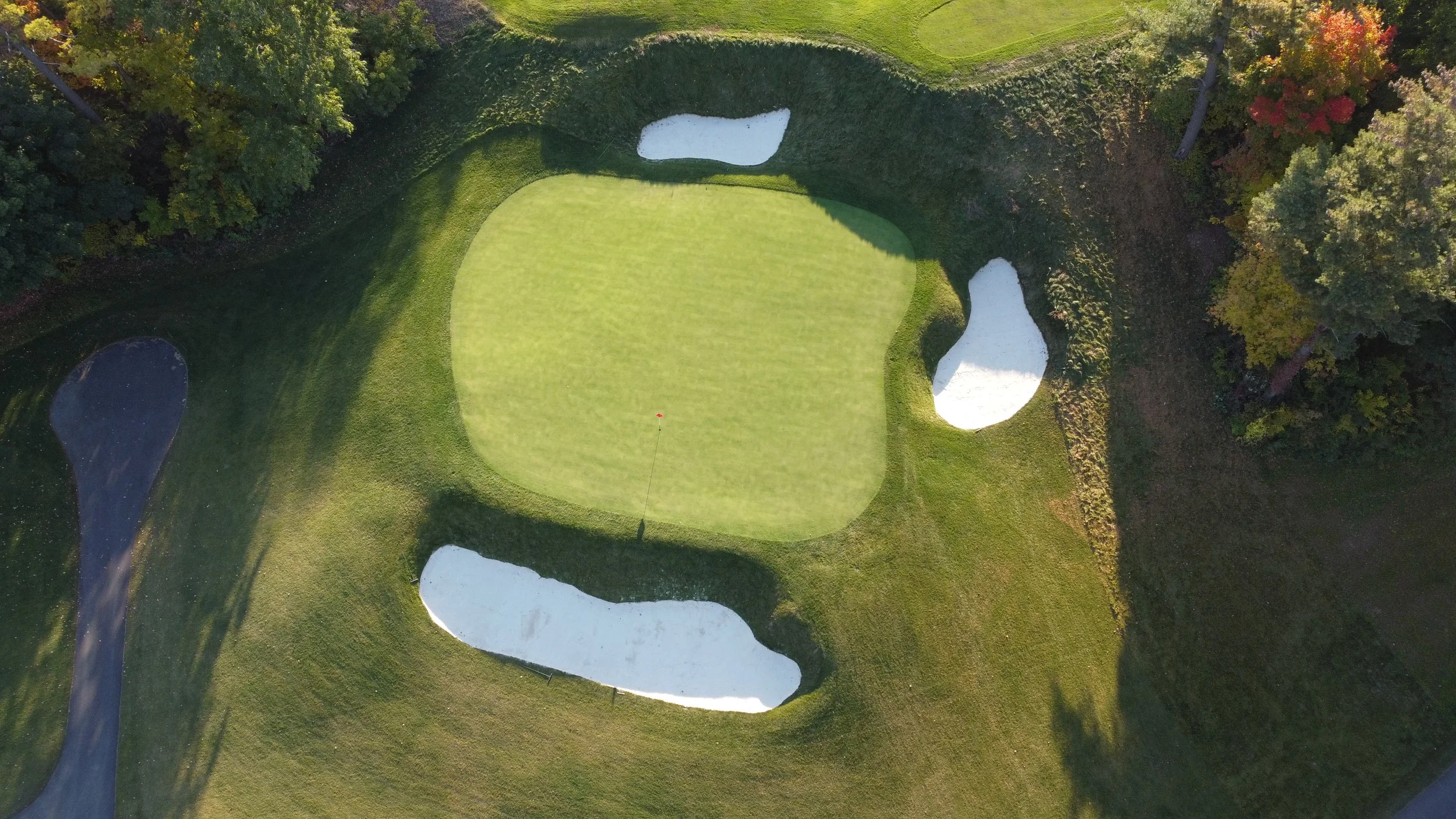
17th hole, 95 yards: Sometimes the hardest holes are the shortest ones. Even though the 17th’s green is rather large in its composition, its position above the surrounds, and safely guarded by a bunker in the front, one in the rear, and one off its back-right side all make it appear smaller. For a majority of players today, a shot of less than 100 yards is often less than a full wedge strike, making this little one a particularly tricky endeavour. During the remediation work for the creek, architect Cam Tyers worked diligently to rebuild the green, bunkers, and surrounds to historical accuracy. And by doing so also removed the dreaded alternate hole, that was used occasionally, and covering over the large pond it played over. Improving the overall aesthetic and experience of the golf course.
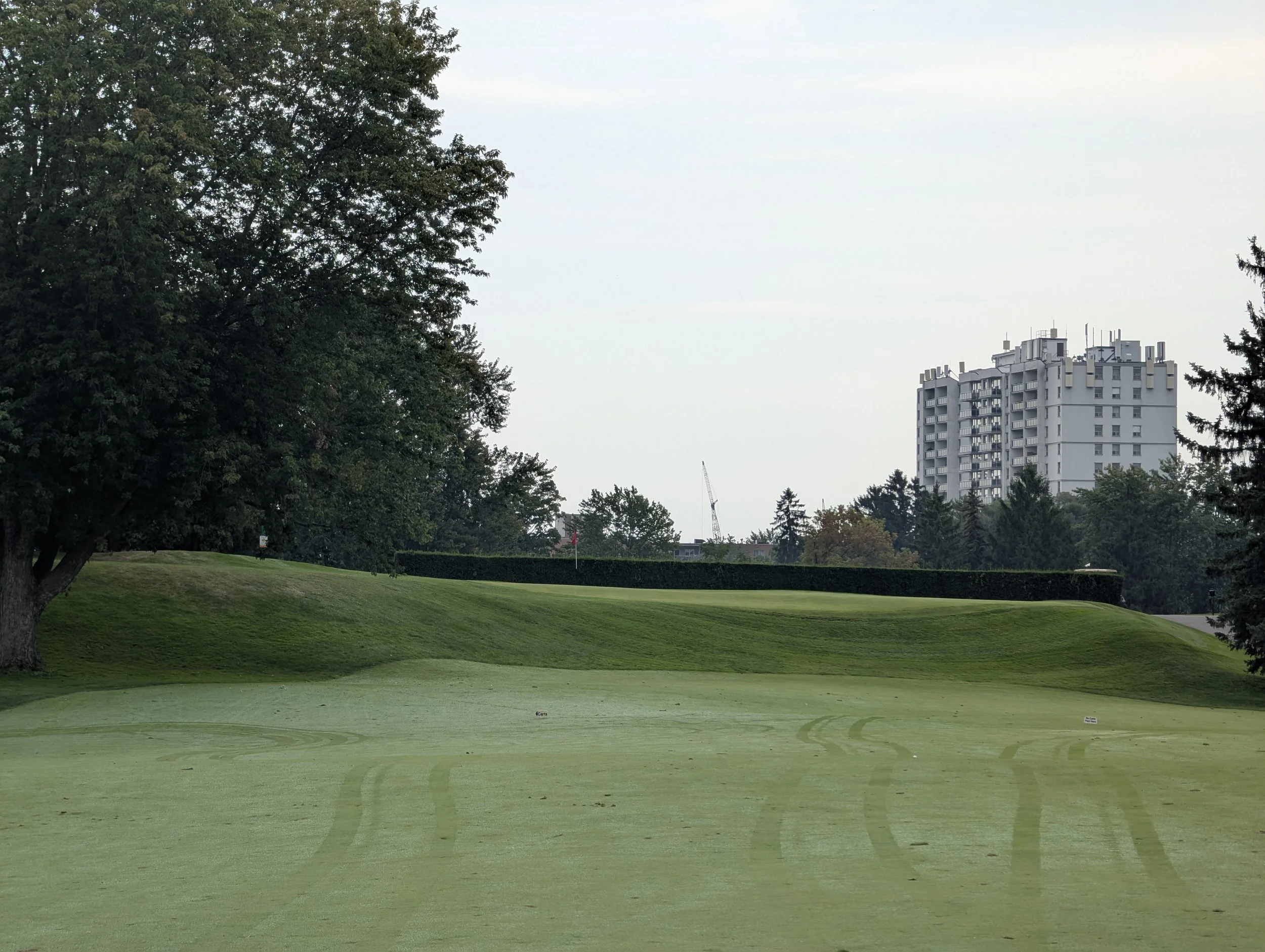
18th hole, 370 yards: It could be said that every great Championship test requires a strong closing hole. Something that plays stout, and has one or two features that could put a title on the line. To build such, Strong added a back tee up above 17th green alongside the second fairway — measuring at some 440 yards from this position made this was one of the longest par fours in Canada during its formative years. Cam Tyers similarly reintroduced this teeing ground, which sits adjacent to the second fairway, during the renovation. Even though this feature has been allowed to grow over in subsequent years, the finishing hole still provides that mighty assessment on players key abilities. The drive must carry and avoid the creek which cuts across and then runs parallel to the line of play. Set well above the fairway, the green is precariously perched right along a steep embankment which rejects shots hit with a faint heart. A thumb print like indentation up front, accompanied by the blind intricacies of the pin positions beyond, and unseen internal contours, puts further emphasis on hitting your mark. It's an appropriate end to a round that featured such detailed variety requiring all aspects of the game to be in alignment for those who wish to score well.
Through it all, Lakeview stands as a shinning example of what municipalities can offer, and ultimately do to improve their golf courses. While not perfect or complete, the work carried out has impressively improved the on course product, elevating the stature into one that should easily rank on Top 100 lists in this country.
You might also like..
-
Cooke Municipal
-
Toronto Golf Club

-
Whirlpool Golf Course